



















I. What Is a Lab Pink Diamond Understanding Color Formation and Lab Creation
If you’ve ever wondered what is lab pink diamond, the answer is simpler—and more fascinating—than most people expect.
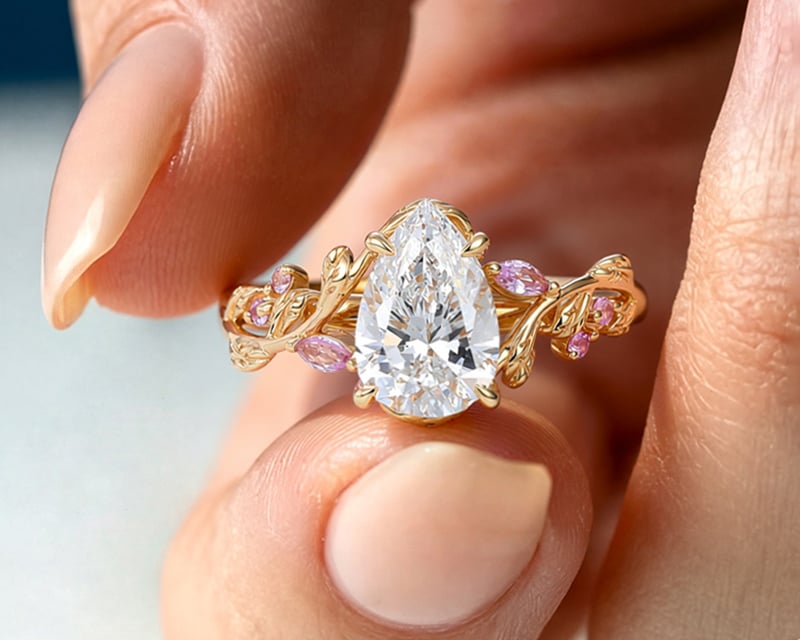
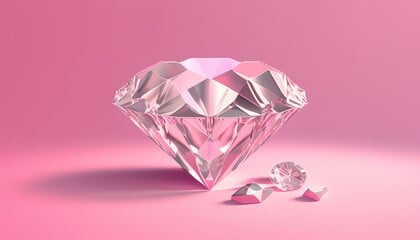
A lab pink diamond is a real diamond created in a controlled environment using advanced technology. Like all lab grown diamonds, it has the same chemical structure and physical properties as natural diamonds, meaning it offers the same durability, brilliance, and long term wear.
What makes it unique is its color.
Unlike traditional white diamonds, pink diamonds get their soft to vivid hues from changes in their internal structure rather than impurities. In natural stones, this happens under rare geological conditions deep within the earth. In lab settings, scientists replicate and control these conditions, sometimes using techniques such as pressure adjustments or introducing specific trace elements during growth.
This allows for a wide range of tones—from subtle baby pink shades to more intense hues—creating a spectrum of options that are rarely found in mined diamonds.
Another important distinction is accessibility. While natural pink diamonds are extremely rare, lab grown pink diamonds make it possible to enjoy similar beauty at a more attainable level. Whether you are looking at loose pink diamonds or finished pieces, the visual appeal remains striking.
In essence, lab pink diamonds represent a perfect blend of science and beauty—offering the elegance of rare gemstones with the flexibility of modern creation.
II. Why Natural Pink Diamonds Are So Rare and Valuable
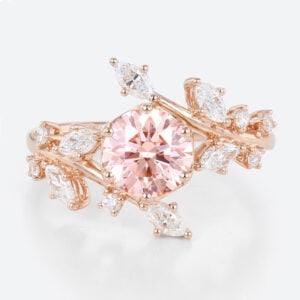
To understand the appeal of lab grown pink diamonds, it helps to first look at why natural pink diamonds are considered some of the rarest diamonds in the world.
Unlike typical diamonds, which form under relatively consistent conditions, pink diamonds develop through unique structural distortions during formation. These conditions are incredibly uncommon, which is why only a very small percentage of all mined diamonds exhibit a pink color.
This rarity directly impacts value.
Natural pink diamonds are often sold at extremely high prices, making them more of a collector’s item than an everyday option. Their scarcity in the global market, combined with increasing demand, has made them one of the most sought after categories in the diamond world.
For most buyers, however, this creates a gap.
While the beauty and symbolism of pink diamonds are highly desirable—especially for engagement rings or a meaningful wedding ring—the cost can be prohibitive. This is where lab diamonds begin to shift the conversation.
Because lab grown diamonds can replicate these rare color characteristics, they offer a way to enjoy the same visual impact without the extreme pricing associated with natural stones. In many cases, a lab pink diamond provides comparable brilliance and sparkle, making it an appealing alternative for those who prioritize both aesthetics and value.
Ultimately, the difference between natural and lab pink diamonds is not about beauty—but about rarity, origin, and accessibility.
III. Lab Grown Pink Diamonds vs Natural Pink Diamonds A Real Comparison
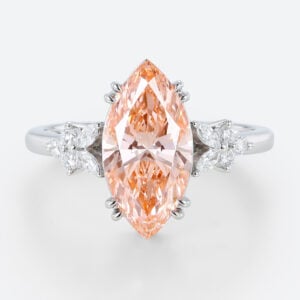
When comparing lab grown pink diamonds with natural diamonds, the most common question is whether there is any real difference.
From a scientific perspective, the answer is no. Both are real diamonds with the same chemical composition, the same durable structure, and the same ability to reflect light and create that unmistakable sparkle. Even under magnification, the visual difference is minimal.
The key distinction lies in origin and rarity.
Natural pink diamonds are formed deep within the earth under highly specific conditions, making them incredibly rare and often extremely expensive. In contrast, lab pink diamonds are created in controlled environments, allowing for more consistent production and a wider variety of colors and shapes.
This difference directly affects price and accessibility. For buyers who want a beautiful, high quality pink stone without the premium cost, lab diamonds offer a compelling option. You can often choose a larger carat, a more refined cut, or a more vibrant color at a fraction of the cost of natural stones.
Another advantage is flexibility. Lab diamonds give you more control over the final design—whether you prefer a soft blush tone or a more vivid pink. This makes them especially appealing in today’s market, where personalization matters more than ever.
In short, while natural pink diamonds represent rarity, lab grown pink diamonds represent accessibility and choice.
IV. Are Lab Pink Diamond Rings Real Diamonds or Just Alternatives
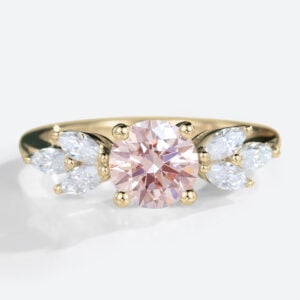
A common concern for first time buyers is whether lab pink diamond rings are truly real or simply a substitute.
The answer is clear: they are real.
A lab diamond is classified as a diamond because it has the same crystal structure and properties as a stone formed in nature. Unlike simulants such as cubic zirconia, lab diamonds offer the same quality, brilliance, and long term durability as natural ones.
Organizations within the diamond industry recognize lab diamonds as genuine gemstones, and they are graded using the same standards. This means when you purchase a lab diamond ring, you are buying a product that meets the same criteria used for traditional stones.
For many buyers, this clarity removes hesitation. There is no need to compromise between beauty and authenticity. Lab diamonds deliver both—making them a strong option for those who want something that feels both modern and meaningful.
V. Why Lab Pink Diamond Rings Are Perfect for Engagement Rings
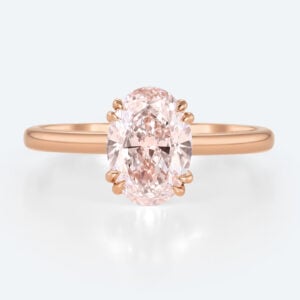
Pink diamonds carry a unique emotional appeal that makes them especially popular for engagement rings.
Traditionally, diamonds symbolize commitment and longevity. When combined with a pink hue, they take on additional meaning—often associated with love, romance, and individuality. This makes a pink lab diamond ring not just a piece of jewelry, but a personal statement.
In today’s market, many couples are moving away from standard designs and choosing rings that reflect their own story. Lab diamonds make this easier by offering more affordability and a wider range of options. Whether you prefer a cushion cut, a classic round, or a more unique shape, there are countless ways to create something that feels truly yours.
Another advantage is practicality. Lab diamonds are just as durable as natural stones, making them suitable for everyday wear. This is especially important for an engagement ring, which is designed to last a lifetime.
For modern buyers, a lab pink diamond ring represents a balance between tradition and personal expression—combining timeless symbolism with contemporary design.
VI. How to Choose the Best Lab Pink Diamond Ring
Choosing the right ring can feel overwhelming, especially with so many options available. The key is to focus on what matters most to you.
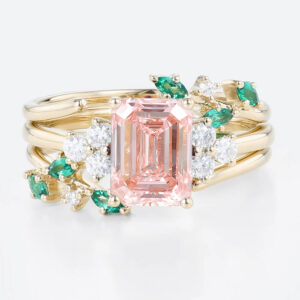
Start with color. Pink diamonds come in a wide range of tones, from subtle blush to more intense hues. Think about what suits your personal style and how bold you want the final look to be.
Next, consider the cut. A well cut diamond enhances brilliance and ensures the stone catches light beautifully. Popular options include round, oval, and cushion cuts, each offering a different visual effect.
Setting is another important factor. Whether you prefer a minimal solitaire or a more detailed design, the setting should complement the stone rather than overpower it. Matching the metal—such as gold or platinum—can also influence the overall look.
Finally, think about budget. One of the biggest advantages of lab diamonds is their affordability, allowing you to choose a higher quality stone without exceeding your price range.
VII. Are Lab Pink Diamond Rings Worth It
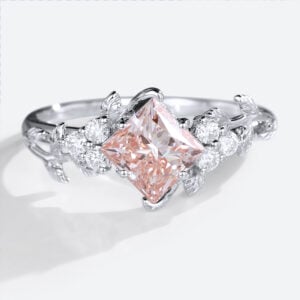
So, are lab pink diamond rings worth it?
For most buyers, the answer is yes.
They offer the same beauty and performance as natural diamonds while providing more flexibility in size, design, and cost. For those who value personalization and want a ring that feels unique, lab diamonds are an excellent choice.
Of course, if your priority is rarity or long term investment, natural pink diamonds may still hold a certain appeal. But for everyday buyers looking for a balance between quality and value, lab diamonds provide a modern and practical solution.
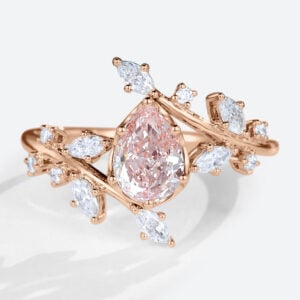
VIII. Final Thoughts Lab Pink Diamonds and Modern Jewelry Trends
Lab pink diamonds are reshaping how people think about fine jewelry.
They make it possible to enjoy the elegance of rare colored diamonds without the limitations of traditional sourcing. More importantly, they give buyers the freedom to choose something that reflects their own taste, values, and lifestyle.
In a world where individuality matters more than ever, that freedom is what truly makes them special.