





















I. The Art and Science of Lab Grown Diamonds Explained
What Are Lab Grown Diamonds
Lab grown diamonds are real diamonds created in controlled environments using advanced technology. Unlike natural diamonds, which form deep within the earth over billions of years, these grown diamonds are produced in laboratories through precise and repeatable processes.
From a scientific perspective, lab grown diamonds possess the same physical and chemical properties as their mined counterparts. They are composed of the same carbon atoms, share the same crystal structure, and exhibit identical brilliance and durability. This means they are not substitutes or simulants—synthetic diamonds in this context are real diamonds, not imitations.
The key difference lies in origin. While traditional mined diamonds come from geological processes, lab diamonds are created through controlled diamond formation techniques. The result is a rough diamond crystal that can be cut and polished just like any natural stone, making it suitable for everything from fine jewelry to modern engagement rings.
Why Lab Diamonds Combine Art and Science
Lab diamonds sit at the intersection of innovation and craftsmanship, which is why they are often described as a balance between art and science.
The science comes from the precision involved in creating lab grown diamonds. Engineers carefully control temperature, pressure, and chemical environments to guide how diamonds grow. This allows for consistency and the ability to produce colorless diamonds or tailor specific characteristics.
The art begins once the diamond is formed. Transforming a rough diamond into a finished gemstone requires expert cutting and design decisions that influence brilliance, proportion, and visual appeal. This is where human creativity plays a crucial role, shaping how the diamond interacts with light.
Together, this combination defines the modern evolution of the diamond industry, where technology enhances possibility, and craftsmanship brings each stone to life.
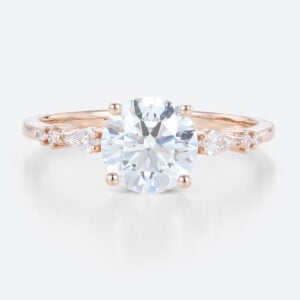
II. How Lab Grown Diamonds Are Created From Diamond Seed to Finished Stone
What Is a Diamond Seed
A diamond seed is a tiny diamond crystal used as the starting point for growing a new diamond. This tiny diamond seed acts as a foundation, allowing carbon atoms to attach and build layer by layer during the growth process.
In both major methods of lab diamond production, the seed determines how the diamond will develop. Its orientation influences the final crystal structure, making it a critical element in ensuring consistency and quality.
The Process of Creating Lab Grown Diamonds
The process of creating diamonds in a lab involves replicating the natural conditions under which diamonds form—but in a much shorter timeframe.
There are two primary methods used today. The first is pressure high temperature HPHT, which mimics the intense heat and pressure found deep within the earth. In this method, carbon is exposed to extreme conditions, gradually forming into a diamond.
The second method is chemical vapor deposition CVD, where diamonds grow from carbon rich gases inside a controlled chamber. During this process, carbon atoms settle onto the seed, forming layers that eventually become a full diamond crystal.
Both approaches allow manufacturers to produce diamonds with remarkable precision. Compared to their mined counterparts, lab grown diamonds offer greater control over quality and consistency, making them an increasingly popular choice in modern jewelry.
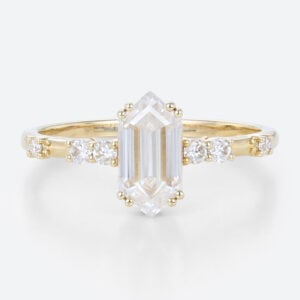
III. Chemical Vapor Deposition and the CVD Method How Diamonds Grow
What Is the CVD Process
The CVD process is one of the most advanced methods used to produce diamonds in modern labs. In this technique, a small diamond seed is placed inside a sealed vacuum chamber, where carbon rich gas molecules are introduced and activated.
As the gas breaks down, carbon atoms begin to deposit onto the seed, forming layer upon layer of diamond material. Over time, this creates a full crystal—essentially replicating natural diamond growth, but in a controlled environment.
Unlike conditions found in the earth’s mantle or deep within the earth’s crust, this process allows scientists to carefully manage temperature, pressure, and growth speed. This level of control is what makes cvd diamonds so consistent in quality.
The cvd method is widely used today because it can produce diamonds with fewer defects and more predictable characteristics, making it a key innovation behind lab grown diamonds.
How the CVD Method Builds Diamonds Layer by Layer
The strength of the chemical vapor deposition CVD approach lies in its precision.
Instead of relying on sudden changes in extreme pressure, the CVD method builds diamonds gradually. Carbon atoms settle onto the small diamond seed, forming structured layers that develop into a complete crystal. This slow and controlled process allows for fine adjustments during growth.
Compared to pressure high temperature HPHT, which uses high pressure and intense heat, CVD offers a more stable and scalable solution. Both are considered the two primary methods used to create diamonds, but CVD is often preferred for producing high purity stones.
Because of this precision, lab diamonds created through CVD can achieve excellent clarity and uniformity, often resulting in higher quality diamonds suitable for fine jewelry.
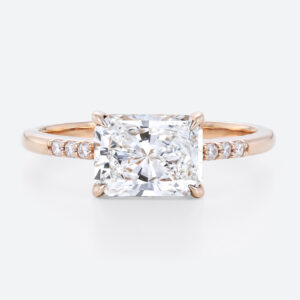
IV. Lab Grown Diamonds vs Diamond Mining A Modern Comparison
How Diamond Mining Works
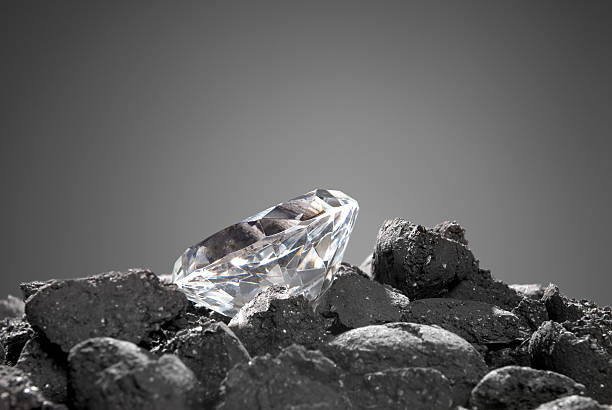
Traditional diamond formation occurs deep underground, where natural forces shape diamonds over millions of years. Once formed, they are extracted through diamond mining, a process that involves digging into the earth’s surface and accessing deposits within the earth’s crust.
This process requires heavy machinery, large scale operations, and significant energy use. In many cases, mining can lead to environmental challenges such as land disruption and resource consumption.
In addition, the global diamond trade has historically faced concerns related to sourcing. Issues like conflict diamonds and even human rights abuses have shaped how consumers view the industry today.
Key Differences Between Lab and Mined Diamonds
When comparing lab diamonds to their mined counterparts, the differences become clear.
First, environmental impact. Lab diamonds generally have a significantly lower environmental footprint, as they do not require large scale excavation. This makes them a more sustainable and ethical alternative for modern buyers.
Second, production control. Lab diamonds are created using specialized equipment in controlled conditions, allowing for consistent results. This means lab grown diamonds offer more predictable quality and fewer irregularities compared to natural stones.
Third, sourcing transparency. Because they are produced in laboratories, lab diamonds eliminate concerns around conflict diamonds, making them a more reliable ethical alternative.
It’s also important to distinguish lab diamonds from diamond simulants such as cubic zirconia. While simulants may look similar, they do not share the same physical properties or durability. Lab diamonds, on the other hand, are true diamonds—formed through advanced technology rather than geological processes.
Ultimately, while natural diamonds represent tradition, lab diamonds reflect innovation—offering a modern solution that aligns with evolving consumer values.
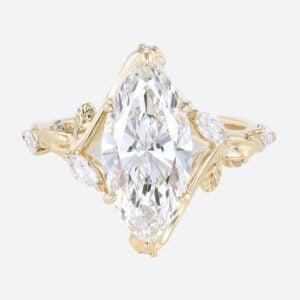
V. Choosing Lab Grown Diamonds What Buyers Should Know
Key Factors to Consider When Choosing Lab Grown Diamonds
Choosing lab grown diamonds starts with understanding quality and personal preference. Even though all lab diamonds are created through advanced technological processes, there are still important factors that affect their final appearance and value.
First is carat weight, which determines the size of the diamond. Because lab diamonds are more accessible, many buyers opt for larger diamonds without significantly increasing their budget.
Next is cut. A well cut diamond enhances its optical properties, allowing it to reflect light more effectively and create better brilliance. This is especially important for maximizing sparkle in both classic and modern designs.
Color and clarity also play a role. Lab diamonds can be produced from pure carbon, resulting in high clarity stones that are often optically identical to natural diamonds. Subtle variations in a diamond’s color can influence the overall look, from icy white tones to more expressive shades.
Ultimately, the goal is to find a balance between size, brilliance, and personal style—ensuring the diamond feels right for the wearer.
How to Match a Diamond to Your Style
Selecting the right diamond is not just about technical quality—it’s about how the stone fits your lifestyle and aesthetic.
Some buyers prefer timeless designs that highlight the diamond itself, while others look for more expressive settings. Because lab grown diamonds offer greater flexibility, it’s easier to experiment with different shapes, sizes, and styles.
Whether you are choosing a classic solitaire or a modern design, lab diamonds provide the opportunity to create something that feels both personal and meaningful.
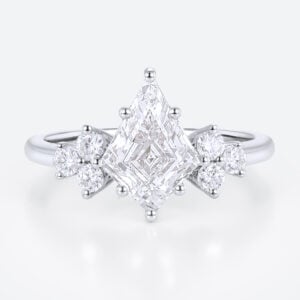
VI. Are Lab Grown Diamonds Real and Suitable for Engagement Rings
Are Lab Grown Diamonds Real Diamonds
Lab grown diamonds are real diamonds, not imitations. They are created using scientific processes that replicate the natural processes found deep within the earth, resulting in a material that is chemically and physically identical to natural stones.
Both lab and natural diamonds share the same structure, meaning they are equally durable and suitable for long term wear. This is why they are widely accepted in the modern jewelry market.
Why They Are Popular for Engagement Rings
Lab diamonds have become increasingly popular for engagement rings because they combine beauty, value, and practicality.
Their ability to offer higher quality stones at a more accessible price point makes them especially appealing for couples today. Buyers no longer have to compromise between size and quality—they can have both.
In addition, lab diamonds align with modern values, offering a more transparent and forward thinking option for one of life’s most meaningful purchases.
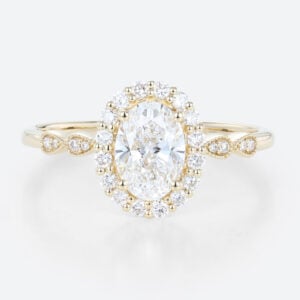
VII. Carat Weight and Quality What Defines a Lab Diamond
Understanding Carat Weight
Carat weight refers to how much a diamond weighs and directly affects its size. Thanks to modern production methods, lab diamonds make it easier to select larger stones without dramatically increasing cost.
How Quality Is Measured
Quality is determined by a combination of factors, including cut, clarity, and color. Because lab diamonds are created in controlled conditions, they often display excellent consistency and performance.
Their refined structure enhances brilliance and ensures strong light reflection, making them visually impressive in any setting.
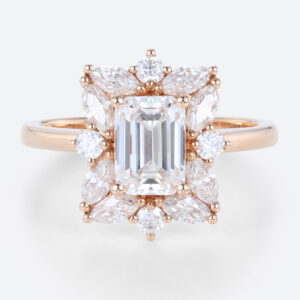
Final Thoughts The Future of Lab Grown Diamonds
Why Lab Diamonds Are Here to Stay
Lab diamonds are not just a trend—they represent a shift in how diamonds are created and valued. With continuous innovation in advanced technological processes, the future of lab diamonds looks increasingly promising.
The Balance of Art Science and Innovation
At their core, lab diamonds embody a balance between science and creativity. From the use of pure carbon to carefully controlled growth in a sealed chamber filled with the right conditions, every step reflects precision and intent.
As technology continues to evolve, lab diamonds will play an even greater role in shaping the future of fine jewelry—offering beauty, accessibility, and innovation in equal measure.