











I. More Than Just Blue
When you hear the word sapphire, what’s the first image that comes to mind? For most, it’s a deep, royal blue gemstone—timeless, elegant, and rich with history. But did you know that sapphires come in nearly every color of the rainbow?
Sapphires are part of the corundum mineral family, and while blue is the most famous hue, this precious gemstone also appears in stunning shades of pink, green, white, yellow, and even orange. Each color variation carries its own symbolism, rarity, and charm—making sapphires one of the most versatile and expressive gemstones in fine jewelry.
At LisaJewelryUS, we believe that every sapphire tells a story. Whether you’re drawn to the classic beauty of blue or the romantic sparkle of pink, understanding the different types of sapphires can help you find a stone that truly reflects your personality and style.
In this guide, we’ll explore the many varieties of sapphires—by color, origin, formation, and cut—so you can confidently choose the sapphire that speaks to you.
II. Sapphire by Color: A Rainbow of Gemstones
Sapphires are not confined to the deep royal blue hue they’re most famous for. In fact, they exist in an extraordinary array of colors—each formed by subtle differences in trace minerals during the stone’s formation. These color variations are known as “fancy sapphires” and offer endless possibilities for expression, elegance, and uniqueness.
Let’s take a deeper look at the most stunning types of sapphires by color:
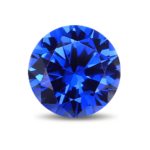
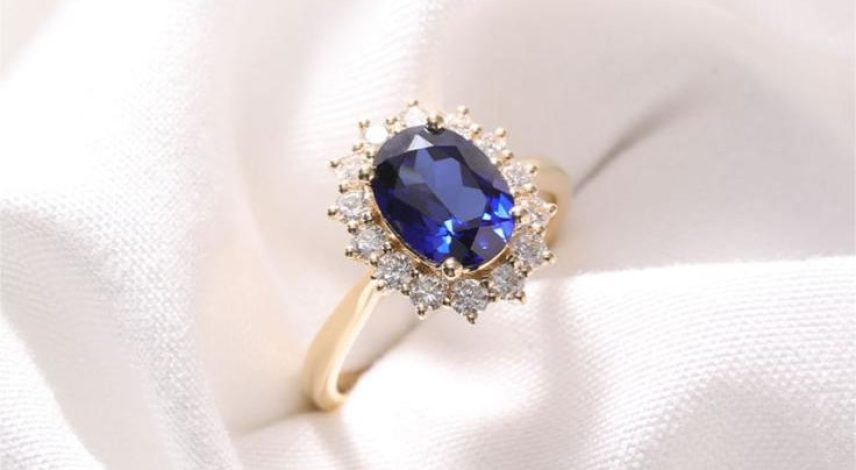
Blue sapphires are the most iconic and widely recognized. Their rich hues are typically caused by trace amounts of iron and titanium. Popular subtypes include:
- Royal Blue Sapphire: Vivid, deep blue with excellent saturation—often associated with royalty and engagement rings.
- Cornflower Blue Sapphire: A lighter, velvety shade prized for its soft elegance.
- Midnight Blue Sapphire: Almost navy, offering a bold and sophisticated look.
These timeless gems symbolize wisdom, truth, and loyalty—making them a classic choice for wedding jewelry and statement rings.

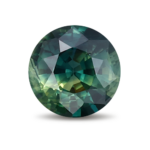
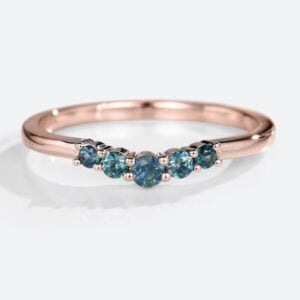
Green blue sapphires, also called teal sapphires, are a unique fusion of oceanic blues and forest greens. These stones vary in color intensity depending on how the two hues blend, sometimes appearing more green under daylight and more blue under artificial lighting.
This colorway is ideal for those who seek a modern, non-traditional gemstone with a soothing and earthy character. Teal sapphires have gained popularity in recent years, especially in alternative engagement rings.
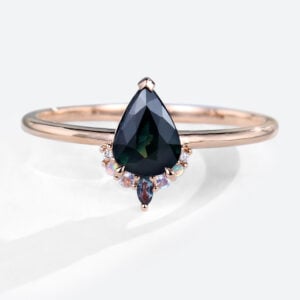
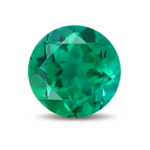
Unlike emeralds, green sapphires often exhibit a more muted, olive or mossy tone, resulting in a gem that feels grounded, calming, and unique. Their coloring is due to iron content, and while less vibrant than other greens, they offer exceptional clarity and durability.
Green sapphires are perfect for nature-inspired rings, bohemian bridal sets, or everyday jewelry with a fresh twist.
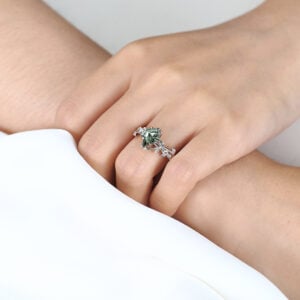
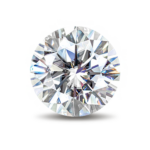
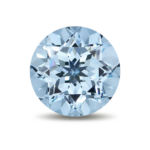
White sapphires are completely colorless and transparent, offering a brilliant yet more subtle sparkle. They’re an ethical and budget-friendly alternative to diamonds, with excellent hardness and durability.
While white sapphires do not have the fiery dispersion of diamonds, they offer a clean, elegant appearance that appeals to minimalist and vintage-inspired designs alike.
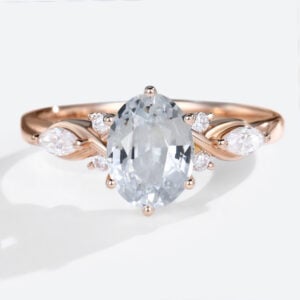
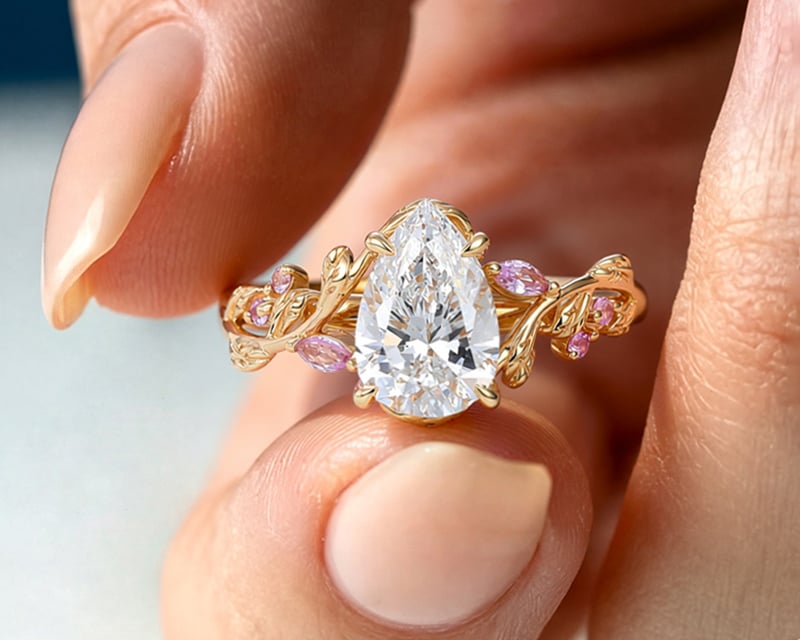
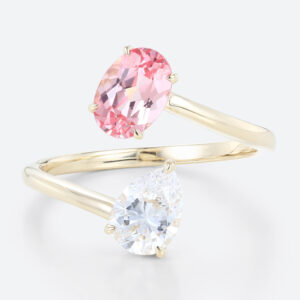
From delicate baby pink to deep magenta, pink sapphires radiate softness and romance. Their enchanting hue is caused by traces of chromium, and they are often associated with love, compassion, and emotional strength.
Pink sapphires are a favorite in feminine bridal jewelry, promise rings, and fine fashion pieces. They pair beautifully with rose gold settings for a modern yet timeless look.
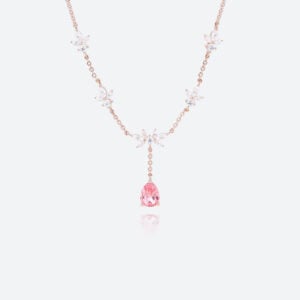
Yellow and Orange Sapphires – Bold and Joyful
Yellow sapphires sparkle with sunny optimism and warmth, while orange sapphires offer vibrant, fiery energy. Both are caused by trace elements of iron and chromium, and are growing in popularity for colorful engagement rings and custom jewelry.
- Yellow Sapphire: Bright, cheerful, and symbolizing prosperity and clarity.
- Orange Sapphire: Lively and passionate, ideal for bold personalities.
Padparadscha Sapphire – The Rarest Treasure
This legendary gem combines pink and orange hues in a delicate sunset blend. Its name comes from the Sinhalese word for “lotus blossom,” and it is among the rarest and most valuable sapphires in the world.
Due to its scarcity and soft color balance, padparadscha sapphires are beloved by collectors and connoisseurs of fine gemstones.
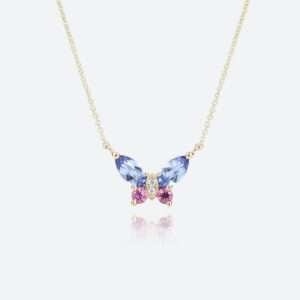
Purple and Violet Sapphires – Royal and Mysterious
These less common sapphires range from lilac to deep plum, evoking mystery and regality. They are often more affordable than blue sapphires, yet equally striking.
Purple sapphires make a powerful statement and are well-suited to artistic or non-traditional jewelry designs.
Each sapphire color carries a different mood and energy—from the serene elegance of white to the bold drama of teal or orange. Whether you’re seeking symbolism, rarity, or personal expression, there’s a sapphire out there that reflects your unique style.
III. Natural vs. Lab-Created Sapphires: What's the Difference?
As sapphires become more popular in both bridal and fashion jewelry, the question often arises: should you choose a natural sapphire or a lab-created one?
Natural Sapphires
Formed deep within the Earth over millions of years, natural sapphires are mined from regions like Sri Lanka, Madagascar, and Australia. Each one bears the unique marks of its geological journey—natural inclusions, slight color zoning, and a one-of-a-kind appearance.
- Pros: Authenticity, rarity, strong resale value, natural symbolism
- Cons: Higher cost, possible ethical/environmental concerns depending on mining practices
Lab-Created Sapphires
Lab-grown sapphires are chemically and structurally identical to natural ones. Created using methods like flame fusion or the more advanced hydrothermal process, they offer high clarity, vivid color, and greater affordability.
- Pros: More budget-friendly, ethically sourced, visually flawless
- Cons: Lower perceived value, less rarity or character
At LisaJewelryUS, both natural and lab-grown sapphires are carefully selected to meet our high standards. Whether you’re looking for a timeless, Earth-formed stone or a sustainable modern option, understanding the difference helps you choose the sapphire that aligns with your values and style.
IV. Sapphire by Origin: How Location Shapes Beauty
Where a sapphire comes from plays a significant role in its color, clarity, and even its value. Let’s explore the most renowned sapphire-producing regions and the unique characteristics of each:
Sri Lanka (Ceylon Sapphires)
Ceylon sapphires are known for their exceptional clarity and vibrant, lighter blue tones. The region also produces a wide range of fancy sapphires, including pink, yellow, and the ultra-rare padparadscha.
- Features: High brilliance, pastel-like saturation, minimal inclusions
- Best For: Engagement rings, heirloom pieces, collectors

Kashmir (India)
Kashmir blue sapphires are among the rarest and most valuable in the world, prized for their “velvety” cornflower blue color. Most stones on the market are antique, as mining largely ceased in the early 20th century.
- Features: Rich blue with soft glow, extreme rarity
- Best For: Collectors, luxury connoisseurs
Madagascar
This newer source has quickly become a major player, offering sapphires in almost every color imaginable—from royal blue to vivid pink to greenish teals.
- Features: Wide color range, good value, modern appeal
- Best For: Fashion-forward jewelry, colorful collections
Myanmar (Burma)
Renowned for deep, saturated blue sapphires with high silk content, which enhances the glow of the gem.
- Features: Intense color, visible inclusions that often add beauty
- Best For: Vintage-style rings, investment pieces
Thailand & Cambodia
These regions supply darker-toned sapphires, often with inky blue or greenish-black hues. Thailand is also a global hub for sapphire cutting and trading.
- Features: Dark, mysterious tones; affordability
- Best For: Bold, dramatic jewelry with depth
Australia
Australian sapphires often display deep blue, green-blue, or parti-color combinations (where two or more colors appear in a single stone).
- Features: Earthy tones, often untreated, unique visual effects
- Best For: Rustic, nature-inspired designs
Each region brings its own signature to the world of sapphires. From the golden glows of Sri Lanka to the teal wonders of Australia, origin tells a rich part of a sapphire’s story—one that adds depth, distinction, and meaning to your jewelry.
V. Sapphire by Cut and Shape: How Facets Shape Personality
While color is often the first thing people notice about a sapphire, the cut is what brings the gem to life. A sapphire’s cut influences how it reflects light, how vibrant its color appears, and how well it fits into your chosen jewelry setting.
Popular Sapphire Cuts:
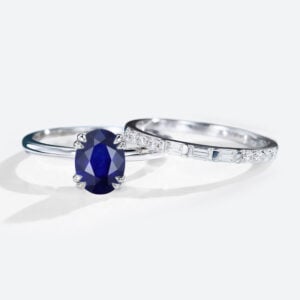
- Oval Cut: One of the most popular and flattering shapes. Oval sapphires offer a larger visual size and excellent brilliance, often used in both solitaire and halo rings.
- Round Cut: Timeless and symmetrical, round sapphires provide classic sparkle. Though more expensive due to higher material waste, they’re perfect for traditional designs.
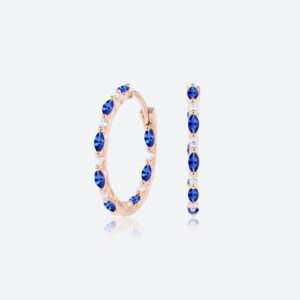
- Marquise Cut: Elongated with pointed ends, this shape maximizes carat weight and creates a dramatic, vintage-inspired look. It’s also a growing trend in colored gemstones like amethyst marquise cut rings.
- Cushion Cut: Soft and romantic, this square or rectangular shape with rounded corners is often used for sapphires due to its ability to deepen the perceived color.
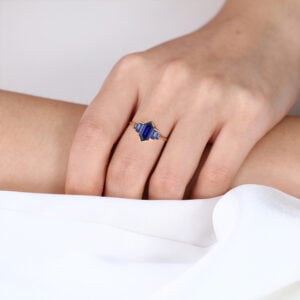
- Emerald Cut: With its clean, step-cut facets, this shape offers sophistication and elegance. It tends to highlight the clarity of the stone more than its sparkle.
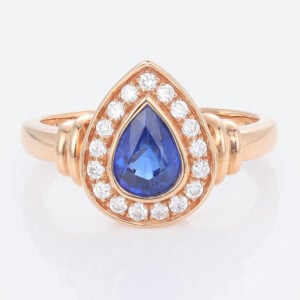
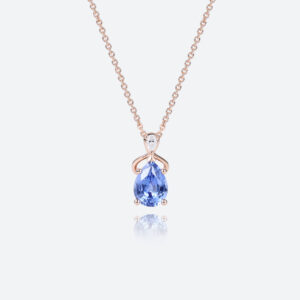
- Pear Cut: A blend of round and marquise, this teardrop shape is both elegant and elongating—perfect for pendants and engagement rings.
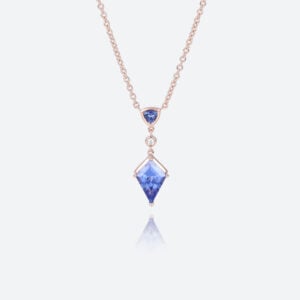
- Fancy and Unique Cuts: Hexagon, trillion, or kite-shaped sapphires appeal to modern and artistic tastes. These cuts showcase individuality and often emphasize geometric symmetry.
Each cut affects how the sapphire interacts with light—enhancing brilliance, deepening color saturation, or emphasizing the gem’s unique zoning or clarity. Choosing the right cut helps express your personality and ensures the gem fits seamlessly into your jewelry design.
VI. How to Choose the Right Type of Sapphire for You
With so many sapphire options available, how do you pick the one that’s perfect for you? Here are a few key considerations to guide your decision:
Define Your Intent and Occasion
- Engagement or Wedding Ring: Classic choices like royal blue or white sapphires in oval or round cuts are timeless and durable.
- Fashion Jewelry: Explore bold colors—like green-blue or pink sapphires—in modern cuts such as marquise or cushion.
- Anniversary or Gift: Fancy sapphires such as padparadscha or yellow stones make meaningful, unique gifts.
Match Color with Personality
- Romantic & Feminine: Pink, lavender, or white sapphires are ideal.
- Modern & Edgy: Try teal, parti-color, or deep green-blue varieties.
- Classic & Elegant: Deep blue or cornflower blue never go out of style.
- Vibrant & Bold: Opt for yellow or orange sapphires to stand out.
Set a Budget Range
Lab-created sapphires offer affordability without sacrificing brilliance, while natural stones, especially those from rare origins, carry higher prices but also more prestige and uniqueness.
Choose the Cut Based on Style and Setting
Some cuts, like marquise or pear, may elongate the finger and suit vintage-inspired settings, while round and oval are safe bets for daily wear. Think about whether you prefer a statement piece or a subtle accent.
Think Long-Term Durability
All sapphires rank 9 on the Mohs hardness scale, making them durable for daily wear. But clarity and inclusions can impact how resilient the stone appears over time—especially in softer cuts or minimal settings.
In the end, the “right” sapphire is the one that resonates with your aesthetic, values, and lifestyle. Whether you gravitate toward timeless elegance or bold individuality, there’s a sapphire out there that feels like it was made just for you.
Conclusion: The Many Faces of Sapphire
From the iconic deep blues to the rare peachy glow of padparadscha, sapphires are among the most versatile and expressive gemstones in the world. They transcend trends, bridging timeless elegance with modern individuality. Whether you’re choosing a sapphire for a lifelong commitment or a personal statement, its color, origin, and cut can all reflect your unique story.
At LisaJewelryUS, we celebrate this diversity with a curated collection of natural and lab-created sapphire rings, available in a variety of hues, shapes, and ethical sources. Whether you’re captivated by a vintage marquise cut in soft pink or drawn to the bold depth of a teal sapphire, your perfect gemstone is waiting to be discovered.
Sapphires aren’t just beautiful—they’re meaningful. And with so many types to explore, there’s no reason to settle for ordinary.