











I. Discovering October’s Birthstones
October is a special month for those celebrating their birthdays, and it brings with it not one, but two stunning birthstones: Opal and Tourmaline. Both gems are celebrated for their vibrant colors, unique optical effects, and deep historical significance. While many people are familiar with the bright sparkle of diamonds or the rich hues of sapphires, October’s birthstones offer something truly distinct—an opportunity to wear jewelry that embodies creativity, individuality, and personal meaning.
Whether you are searching for the perfect gift or simply exploring gemstones to enrich your jewelry collection, understanding the characteristics and symbolism of Opal and Tourmaline can help you make a choice that resonates both aesthetically and emotionally. From the ethereal play-of-color in Opals to the wide spectrum of Tourmaline hues, these gemstones capture the essence of October in ways that are both timeless and modern.
II. A Brief History of Opal
Opal is a gemstone steeped in history and mystery, with its origins tracing back thousands of years. Ancient civilizations, including the Romans and Greeks, believed Opals were the most precious of all gems due to their kaleidoscopic play-of-color, associating them with hope, purity, and truth. In medieval Europe, Opals were thought to bring good luck, protect against disease, and even enhance the wearer’s eyesight.
The name “Opal” itself comes from the Sanskrit word upala, meaning “precious stone,” which was later adapted into Latin as opalus. Throughout history, Opals have been treasured not only for their visual beauty but also for their rarity. Unlike many other gemstones, each Opal is completely unique—no two stones share the same pattern or color distribution. From fiery reds and deep blues to soft pastel flashes, the mesmerizing patterns of Opal have captivated jewelry enthusiasts for centuries.
Modern Opal jewelry continues to celebrate these characteristics, making it a favorite for rings, necklaces, and statement pieces. Its enduring popularity is a testament to the gem’s ability to combine historical significance with unparalleled visual appeal, offering wearers both elegance and individuality.
III. The Unique Characteristics of Opal
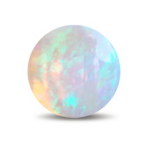
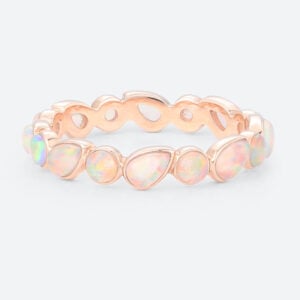
Opal is renowned for its distinctive optical phenomenon known as play-of-color, where flashes of multiple colors appear to shimmer across the surface of the stone. This effect is caused by the diffraction of light within the silica spheres that make up the gem’s internal structure. No two Opals are identical, making each stone a one-of-a-kind masterpiece.
Opals are typically softer than many other gemstones, with a Mohs hardness ranging from 5.5 to 6.5. which makes them more delicate and ideal for pendants, earrings, and brooches rather than daily-wear rings unless carefully set. They occur in a variety of types, including:
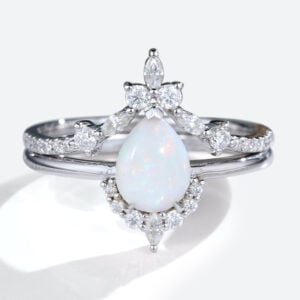
- White Opal: Light background with gentle flashes of color, offering a subtle elegance.
- Black Opal: Dark base with vibrant color play, often considered the most valuable and striking.
- Fire Opal: Transparent to translucent with warm, fiery colors of red, orange, and yellow.
- Boulder Opal: Naturally embedded in ironstone, combining durability with rich color contrasts.
The combination of uniqueness, vibrant color, and mystical allure makes Opal jewelry highly sought after. For those looking for a birthstone that stands out, Opal provides a perfect blend of artistry and personal expression.
IV. A Brief History of Tourmaline
Tourmaline is a gemstone celebrated for its extraordinary color range and long-standing historical significance. Its name derives from the Sinhalese word turmali, meaning “mixed colored stones,” which reflects the gem’s remarkable variety. Tourmaline has been treasured for centuries, particularly in the 18th and 19th centuries, when it became highly popular among European royalty and jewelers.
Tourmaline is found in a wide spectrum of colors, from soft pinks and greens to deep blues and rare multicolored crystals. This variety made it an attractive choice for designers seeking versatility and uniqueness in jewelry. Ancient cultures attributed spiritual and protective properties to Tourmaline, believing it could balance energy, protect travelers, and promote emotional well-being.
Notable historical sources of Tourmaline include Brazil, Africa, and the United States, with each region producing stones with distinctive hues and qualities. Today, Tourmaline jewelry continues to celebrate these characteristics, offering versatile options for rings, necklaces, earrings, and bracelets. Its combination of beauty, durability (Mohs hardness 7–7.5), and symbolic significance makes Tourmaline a gemstone that resonates with both casual wearers and collectors alike.
V. The Unique Characteristics of Tourmaline
Tourmaline stands out among gemstones for its extraordinary diversity of colors, which is unmatched by almost any other gem. While some stones appear in single hues, many Tourmalines display multiple colors within a single crystal, creating captivating natural effects. The most popular varieties include:
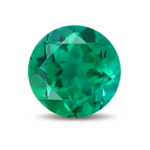
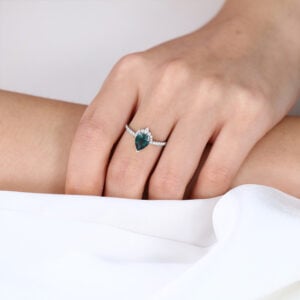
- Green Tourmaline (Verdelite): Vibrant greens, often associated with growth, renewal, and prosperity.
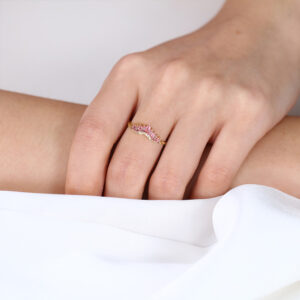
- Pink Tourmaline (Rubellite): Deep pink to red shades symbolizing love and compassion.
- Paraiba Tourmaline: Rare neon blue-green stones, prized for their brilliance and rarity.
- Bi-color and Watermelon Tourmaline: Stones featuring two or more colors, often resembling the rind and flesh of a watermelon.
Tourmaline has a Mohs hardness of 7 to 7.5. making it suitable for everyday jewelry like rings and bracelets. Unlike Opal, Tourmaline is less sensitive to impacts or temperature changes, which adds to its practicality for daily wear. Its rich color palette allows designers to create both bold statement pieces and delicate, subtle designs, making Tourmaline jewelry a versatile choice for any collection.

VI. Comparing Opal and Tourmaline
When choosing between Opal and Tourmaline as an October birthstone, it’s essential to consider their differences in color, durability, and symbolism:
Color and Visual Appeal:
- Opal captivates with its dynamic play-of-color, offering a shifting rainbow of hues unique to each stone.
- Tourmaline impresses with solid or multi-toned colors, including rare neon shades and bi-color patterns.
Durability:
- Opal is softer (5.5–6.5 Mohs) and more delicate, often requiring careful setting or protective designs.
- Tourmaline is harder (7–7.5 Mohs) and more suitable for daily-wear rings and bracelets.
Rarity and Value:
- Black and fire Opals are among the most valued types, especially with vivid color play.
- Paraiba Tourmaline is extremely rare and can rival high-quality Opals in price.
Symbolism and Personal Meaning:
- Opal is associated with creativity, inspiration, and emotional expression.
- Tourmaline is tied to balance, protection, and emotional healing.
By understanding these characteristics, wearers can choose the stone that aligns with their personal style, lifestyle, and symbolic preferences. For instance, someone seeking a bold, durable piece might lean toward Tourmaline rings, while those desiring a delicate, artistic statement may prefer the ethereal glow of Opal jewelry.
VII. Symbolism and Meaning Behind October Birthstones
Both Opal and Tourmaline carry rich symbolism that resonates deeply with those born in October.
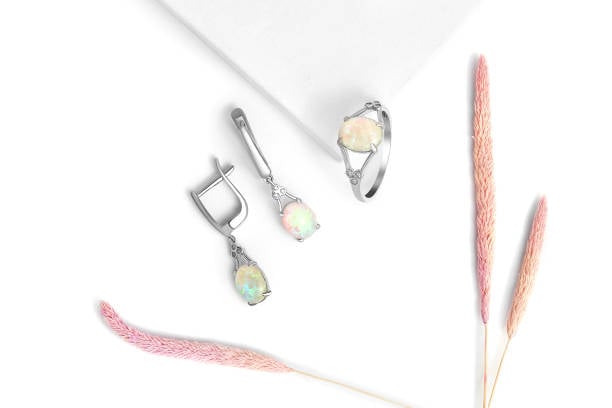
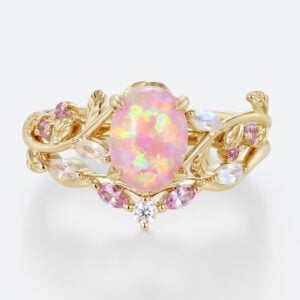
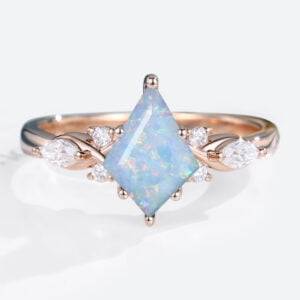
Opal is often associated with creativity, inspiration, and emotional expression. Its shifting play-of-color is believed to stimulate imagination and bring out one’s inner beauty. In many cultures, Opal symbolizes hope, love, and happiness, making it an ideal gift for loved ones or for celebrating personal milestones. For example, rings like the Oval Cut Pink Opal Enchanted Vine Engagement Ring showcase not only the gem’s vibrant colors but also the intricate craftsmanship that enhances its symbolic elegance.
Tourmaline symbolizes balance, protection, and emotional healing. Its diverse color range allows wearers to choose stones that resonate with their personal intentions. Pink Tourmaline promotes love and compassion, while green Tourmaline is linked to renewal and growth. Multi-colored Tourmalines reflect harmony and diversity, making them perfect for jewelry pieces that tell a story.
By understanding the meaning behind each gem, wearers can choose a stone that aligns with both their personal style and emotional intentions, turning a beautiful piece of jewelry into a meaningful talisman.
VIII. Choosing the Perfect October Birthstone Jewelry
Selecting the ideal October birthstone jewelry depends on personal taste, lifestyle, and the statement you want to make. Here are some practical tips:
- Consider the setting and metal: Opals pair beautifully with yellow, white, or rose gold, highlighting their play-of-color. For instance, the Rose Gold Oval Cut Opal Engagement Ring with Marquise Diamond Curved Band combines elegance with modern sophistication, making it suitable for special occasions.
- Match the gemstone to your style: Those who love delicate, intricate designs might prefer rings like the Pear Shaped Black Opal Tiara Bridal Ring Set, which uses a darker Opal for dramatic contrast. Minimalists may enjoy the Opal & Moonstone Twin Stone Ring, a simple yet charming promise ring option.
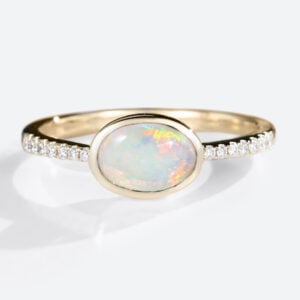
- Think about wearability: Opals are softer and require gentle care, so settings that protect the stone, like halo or bezel designs, are ideal for daily wear. Tourmalines, being more durable, are versatile for everyday rings, necklaces, or bracelets.
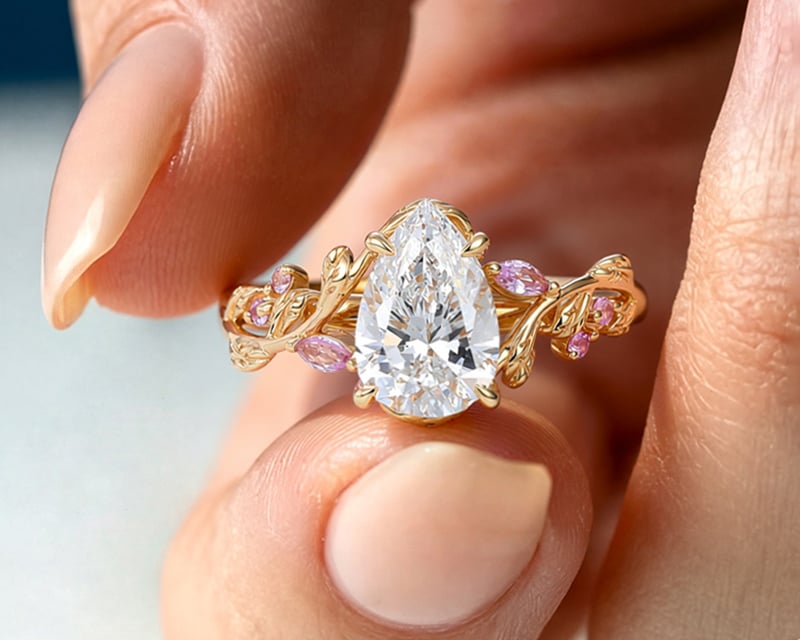
- Play with combinations: Mixing Opals with accent diamonds, sapphires, or colored gemstones enhances their visual appeal. The Oval Cut Pink Opal Enchanted Vine Ring Set demonstrates how multicolored accent gems can elevate a central Opal into a truly unique statement piece.
Ultimately, choosing October’s birthstone is about more than beauty—it’s about selecting a gem that reflects personality, intention, and personal style. With their rich colors, historical significance, and symbolic meanings, both Opal jewelry and Tourmaline pieces make October birthdays unforgettable.