
























When choosing jewelry, most people focus on the gemstone—the color, the sparkle, the size.
But there’s another detail that quietly makes a huge difference: the jewelry metal color.
The same gemstone can look completely different depending on the metal it’s set in. In one setting, it may appear brighter and more vibrant. In another, it might look softer, deeper, or even slightly dull.
That’s because metal doesn’t just hold the stone—it shapes how the color is perceived.
Understanding how to match jewelry metal color with different gemstones can instantly elevate your look, making your jewelry feel more intentional and visually balanced.
In this guide, we’ll break down how metal color affects gemstone appearance—and how to choose combinations that look naturally refined.
I. Why Jewelry Metal Color Matters More Than You Think
At first glance, metal color might seem like a minor detail.
But in reality, it acts as a visual frame that can either enhance or reduce the impact of a gemstone.
Metal Color Acts as a Background
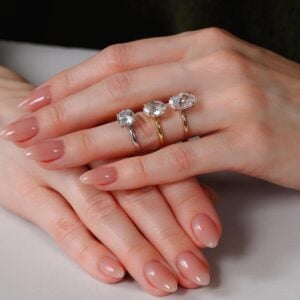
Think of metal as the background behind a gemstone.
Just like in design or photography, the background changes how the main subject appears.
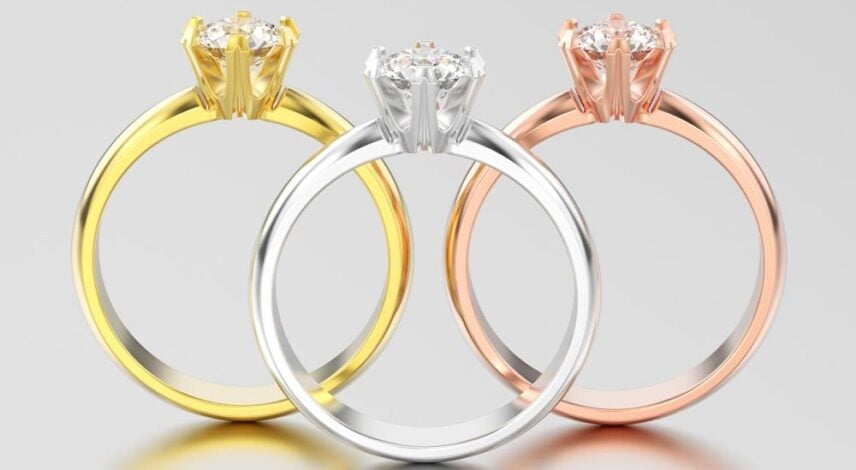
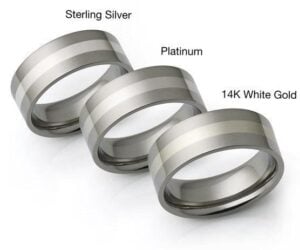
A lighter metal, like white gold or platinum, can make a gemstone look:
- Brighter
- Cleaner
- More reflective
While a warmer metal, like yellow or rose gold, can:
- Add depth
- Enhance warmth
- Soften the overall look
This is why choosing the right jewelry metal color can dramatically change how a gemstone is perceived.
It Influences Contrast and Harmony
The relationship between the gemstone and the metal comes down to contrast.
- High contrast → makes the gemstone stand out more
- Low contrast → creates a softer, blended look
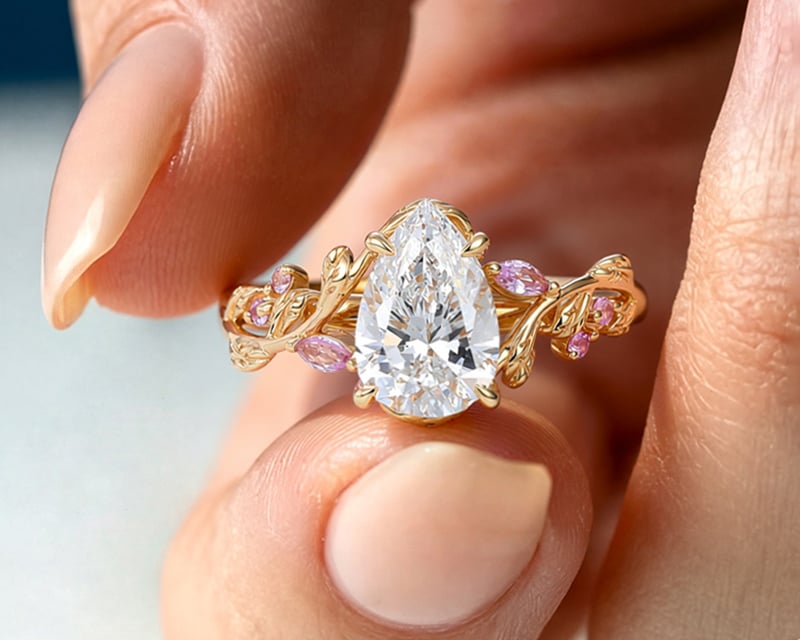
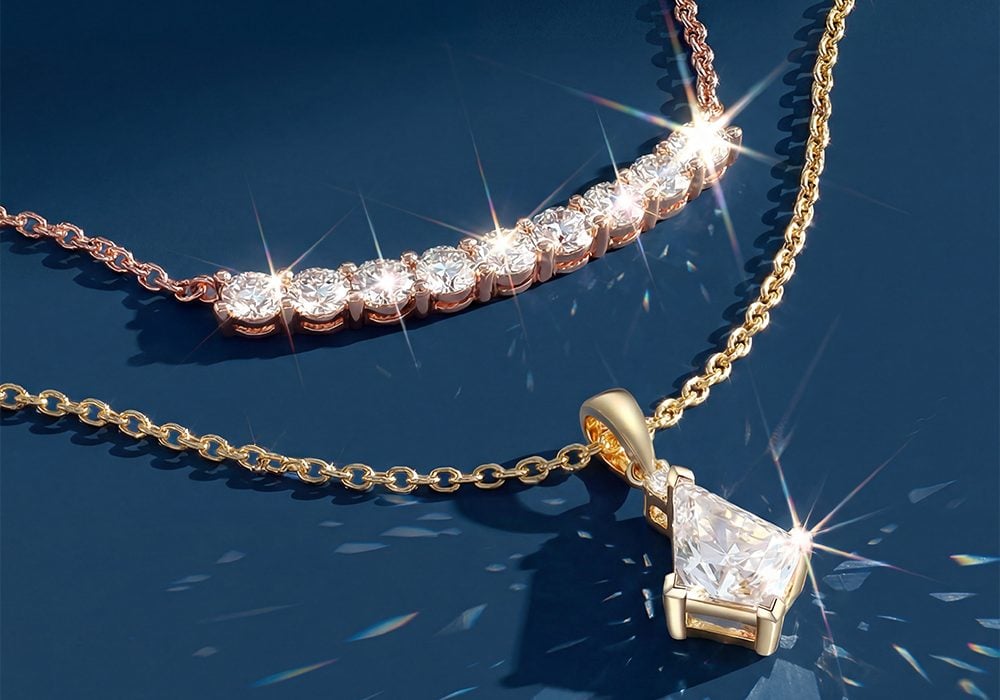
For example, a clear diamond set in white metal blends seamlessly, while the same diamond in yellow gold creates a warmer, slightly more vintage feel.
Neither is wrong—it simply depends on the effect you want.
Small Changes Can Create a More Premium Look
One of the easiest ways to make jewelry look more refined is by choosing the right metal color.
Even without changing the size or quality of the gemstone, adjusting the jewelry metal color can:
- Make the stone appear brighter
- Improve visual balance
- Create a more cohesive overall look
It’s a subtle detail—but one that often makes the difference between a piece that feels ordinary and one that feels thoughtfully styled.
II. How Jewelry Metal Color Affects Gemstone Appearance
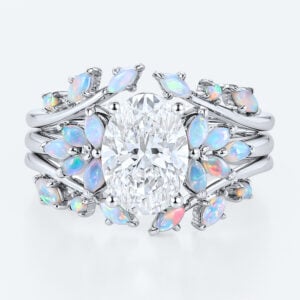
Once you start paying attention, it becomes clear that jewelry metal color does more than just frame a gemstone—it actively changes how the stone looks.
The effect comes down to a few simple visual principles.
Warm Metals vs Cool Metals
The first distinction to understand is temperature.
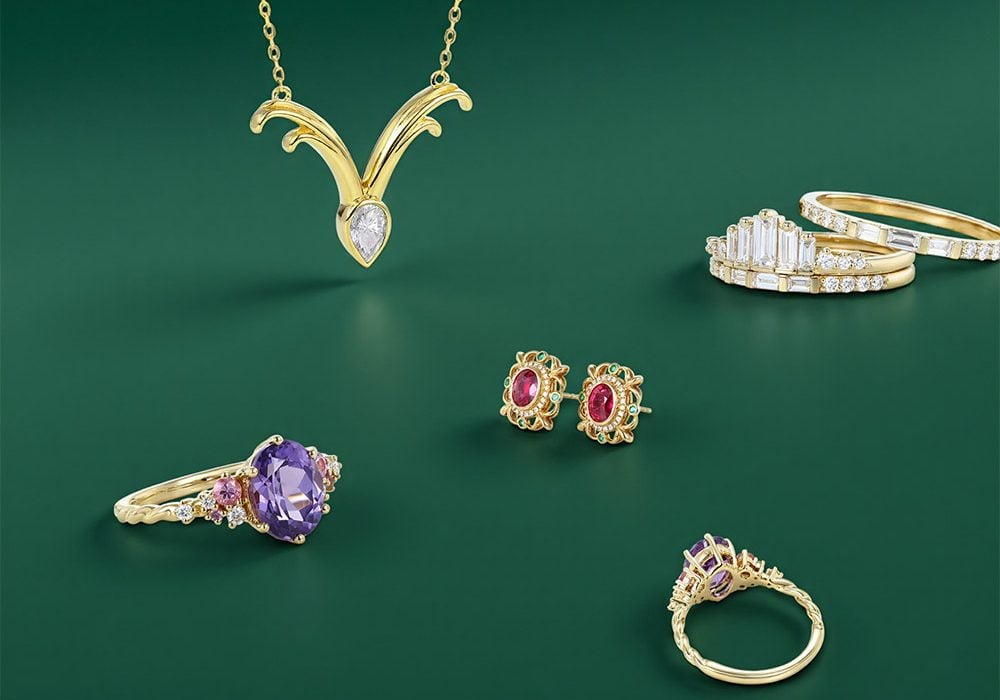
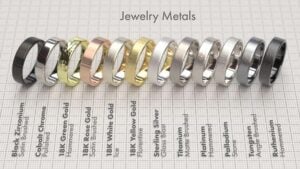
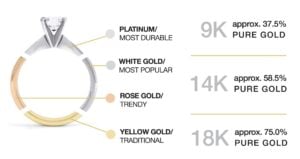
- Warm metals: yellow gold, rose gold
- Cool metals: white gold, platinum
Warm metals tend to enhance the richness of a gemstone, making colors feel deeper and more saturated.
Cool metals, on the other hand, create a cleaner and brighter appearance. They reflect more light and often make gemstones look sharper and more modern.
When choosing jewelry metal color, this is often the starting point.
Contrast vs Blending Effect
Another key factor is how much contrast you want between the metal and the gemstone.
High contrast makes the gemstone stand out more
Low contrast creates a softer, more blended look
For example:
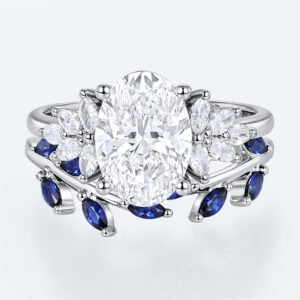
- A blue sapphire set in white gold feels crisp and defined
- The same sapphire in yellow gold feels warmer and more traditional
Neither approach is better—it depends on the visual effect you prefer.
Light Reflection and Brightness
Metal also affects how light interacts with the gemstone.
Lighter metals like white gold and platinum reflect light back into the stone, which can make it appear:
- Brighter
- More sparkling
- Slightly larger
Warmer metals absorb more warmth, which can soften the sparkle but enhance the color depth.
This is why jewelry metal color plays such an important role in how “lively” a gemstone appears.
III. Best Jewelry Metal Color for Different Gemstones
Now that you understand the basics, let’s look at how to apply them.
Different gemstones respond differently to metal color, so choosing the right combination can make a noticeable difference.
Best Metal Color for Diamonds
Diamonds are highly reflective and colorless, which makes them very versatile.
Best choices:
- White gold
- Platinum
These metals enhance brightness and create a seamless, clean look that makes diamonds appear more brilliant.
Alternative:
- Yellow gold for a warmer, classic feel
When choosing jewelry metal color for diamonds, think about whether you want a crisp modern look or a softer, traditional one.
Best Metal Color for Sapphire
Sapphires, especially blue ones, can look very different depending on the metal.
Best choices:
- White gold for a bright, modern contrast
- Yellow gold for a richer, more classic appearance
White metals make the blue appear sharper, while warm metals deepen the tone.
Best Metal Color for Emerald
Emeralds have a naturally rich green tone that pairs beautifully with warmth.
Best choice:
- Yellow gold
This combination enhances the natural depth of the stone and creates a luxurious, timeless feel.
White metals can work, but they tend to make the green look slightly cooler.
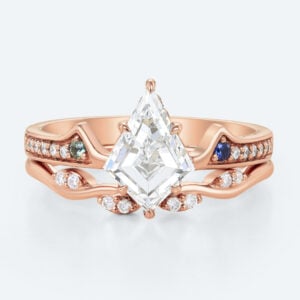
Best Metal Color for Ruby
Rubies are bold and warm in color, which makes them ideal for warm metals.
Best choices:
- Yellow gold
- Rose gold
These metals amplify the richness of the red, creating a more cohesive and striking look.
Best Metal Color for Colored Gemstones
For other colored gemstones, the choice depends on the tone of the stone.
- Light or pastel stones → white gold for brightness
- Deep or warm stones → yellow or rose gold for richness
The goal is to either enhance the color or create a pleasing contrast.
Best Metal Color for Lab Grown Diamonds
Lab grown diamonds behave the same as natural diamonds in terms of appearance.
Best choices:
- White gold for maximum brightness
- Platinum for a premium look
These metals highlight the clarity and sparkle, making them ideal for modern jewelry designs.
IV. How to Choose the Right Jewelry Metal Color
Once you understand how different metals affect gemstones, choosing the right jewelry metal color becomes much easier.
Instead of guessing, you can base your decision on a few simple factors.
Based on Gemstone Color
The color of the gemstone should always come first.
- Light or colorless stones (like diamonds) often look best in white metals because they appear brighter and more refined
- Deep or warm-colored stones (like emeralds or rubies) pair well with yellow or rose gold, which enhances their richness
If you’re unsure, start by deciding whether you want contrast or harmony.
Based on Skin Tone
Your skin tone can also influence how jewelry metal color appears.
- Warmer skin tones tend to look more natural with yellow or rose gold
- Cooler skin tones often pair better with white gold or platinum
That said, this isn’t a strict rule—it’s simply a helpful starting point.
Based on Style Preference
Your overall style matters just as much as the gemstone.
- Minimal and modern looks → white metals
- Classic or vintage styles → yellow gold
- Soft and romantic styles → rose gold
Choosing a jewelry metal color that aligns with your style makes your jewelry feel more cohesive.
V. Common Mistakes When Choosing Jewelry Metal Color
Even with the right knowledge, small decisions can still affect how your jewelry looks.
Avoiding these common mistakes will help you make better choices.
Choosing a Metal That Dulls the Gemstone
Not all combinations enhance the stone.
Some metal colors can reduce brightness or make the gemstone look less vibrant.
If a stone looks flat or less noticeable, the metal may be the reason.
Ignoring Contrast
- Too little contrast can make the gemstone blend into the metal.
- Too much contrast can feel harsh.
The key is finding balance—this is where jewelry metal color really makes a difference.
Following Trends Without Considering the Stone
Trends change, but the relationship between metal and gemstone remains important.
Choosing a metal just because it’s popular can lead to combinations that don’t fully highlight the stone.
V. Best Jewelry Combinations That Always Work
If you want a safe and reliable starting point, these combinations consistently look good.If you want a safe and reliable starting point, these combinations consistently look good.
White Gold with Diamonds
A classic combination that enhances brightness and creates a clean, modern look.
Yellow Gold with Green Gemstones
Yellow gold brings out the richness of green stones like emerald, creating a warm and luxurious feel.
Rose Gold with Pink or Warm Tones
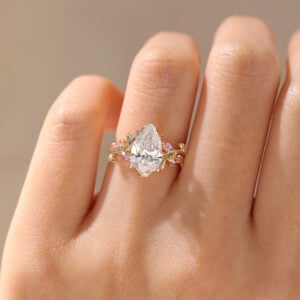
Rose gold pairs naturally with soft pink or warm-colored gemstones, creating a cohesive and romantic look.
Final Thoughts: Small Color Choices Make a Big Difference
Choosing the right jewelry metal color isn’t about following strict rules—it’s about understanding how color, light, and contrast work together.
A simple change in metal can make a gemstone appear brighter, richer, or more refined.
And often, that small detail is what turns a piece of jewelry from ordinary into something that truly stands out.
FAQs About Jewelry Metal Color
White metals like white gold and platinum reflect more light, which can make diamonds appear brighter and slightly larger.
Neither is universally better. It depends on the gemstone and the look you want to achieve.
Yes, as long as the combination feels intentional and balanced.