





















Why Lab-Grown Green Diamond Rings Are the Ethical Statement in Modern Jewelry
by Lisa Jewelry US 0 comments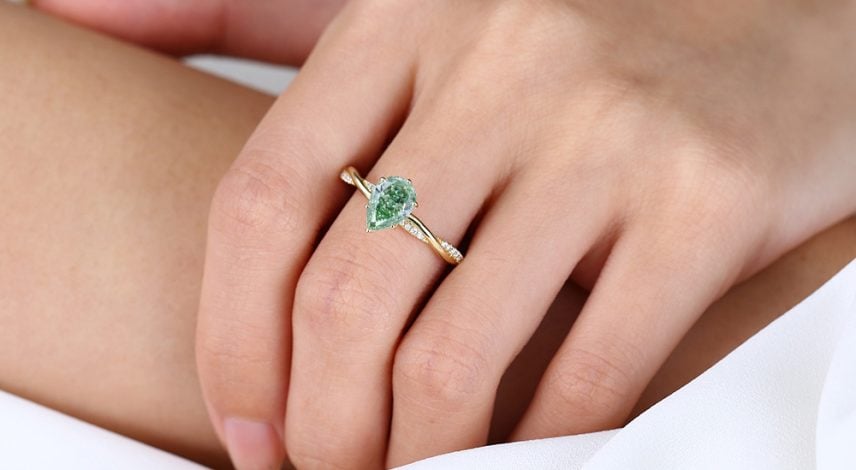
I. Why Lab Green Diamond Rings Are Ethical Statement in Modern Jewelry
Luxury jewelry is changing.
For decades, status in the jewelry world was tied to rarity and traditional mining. But modern buyers are beginning to value something different: transparency, sustainability, and meaning.
That’s exactly why lab grown green diamonds are gaining attention.
So, why are lab green diamond rings ethical statement pieces in today’s jewelry market?
Because they combine two things modern consumers care deeply about:
responsible sourcing
unique personal style
Unlike traditional mined diamonds, lab-created stones are produced in controlled environments rather than extracted through large-scale diamond mining operations. This shift addresses many of the ethical concerns associated with the traditional diamond industry, including environmental damage and questions surrounding conflict diamonds.
At the same time, green diamonds themselves already stand out visually.
Their rich tones—ranging from soft olive to dramatic deep forest green—feel more artistic and unconventional than classic white diamonds. For many buyers, especially younger consumers, a green lab diamond represents individuality just as much as luxury.
That’s why these rings are becoming more than simple accessories.
They’re becoming a statement about:
personal values
modern luxury
conscious consumption
And unlike many trends that fade quickly, the movement toward ethical lab grown diamonds is tied to a much larger cultural shift happening across fashion and luxury industries.
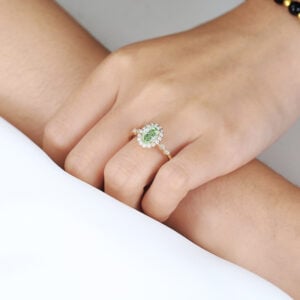
II. Ethical Lab Grown Diamonds vs Natural Diamonds What Has Changed
The conversation around diamonds has changed dramatically over the last decade.
In the past, buyers focused mostly on:
carat size
clarity
prestige
Now, people are also asking:
👉 Where did this diamond come from?
That question is one of the biggest reasons why lab grown diamonds continue to rise in popularity.
Why Ethical Sourcing Matters in Modern Jewelry
Traditional diamond mining industry practices have long raised concerns around:
environmental destruction
labor conditions
sourcing transparency
Although the industry has improved over time, many consumers still associate mined stones with ethical concerns and the history of conflict diamonds.
This is where ethical sourcing becomes important.
Because lab diamonds are created in controlled laboratory environments, they avoid many of the issues linked to large-scale mining.
As a result, many buyers view ethical lab grown diamonds as a more responsible alternative.
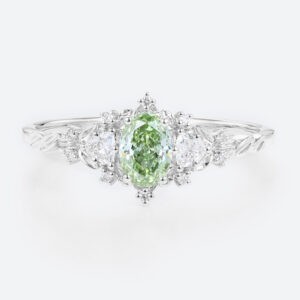
Lab Diamonds vs Real Diamonds The Only Difference
One of the biggest misconceptions is that lab diamonds are “fake.”
They are not.
In reality, lab grown diamonds are:
chemically identical
physically identical
optically identical to natural diamonds
The only real difference is origin.
Natural diamonds → formed through the natural diamond formation process beneath the earth over millions of years
Lab diamonds → created using advanced technology in laboratories
That means a green lab diamond is still a real diamond—not an imitation stone like cubic zirconia.
Even professional jewelers often require specialized equipment to distinguish lab diamonds from mined ones.
Why Grown Diamonds Feel More Ethical to Modern Buyers
For many consumers, ethics today is not just about avoiding harm—it’s about making intentional choices.
A diamond ring made with lab-created stones allows buyers to enjoy:
the beauty of real diamonds
the elegance of fine jewelry
without supporting large-scale extraction from the earth
That’s why many modern couples now see grown diamonds more ethical than traditionally mined alternatives.
Especially for an engagement ring, the idea of starting a new chapter with a more conscious purchase feels meaningful.
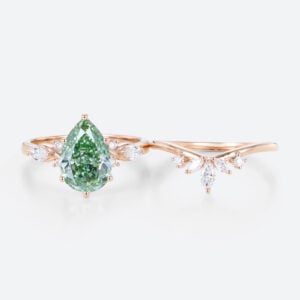
III. How Lab Grown Green Diamonds Are Created with Advanced Technology
One reason lab grown green diamonds have become such an important part of modern jewelry is the technology behind them.
Unlike traditional diamond mining, lab diamonds are created using highly controlled scientific methods that replicate the natural diamond formation process.
The result?
👉 Real diamonds with the same brilliance, durability, and structure as mined stones—without relying on large-scale extraction from the earth.
Today, two primary methods are used to produce diamonds in laboratories:
Chemical Vapor Deposition CVD
Pressure High Temperature HPHT
Both methods use specialized equipment and advanced engineering to grow diamonds from a tiny diamond seed.
Chemical Vapor Deposition CVD Explained
The chemical vapor deposition CVD process creates diamonds layer by layer inside carefully monitored chambers.
During this process:
carbon-rich gases are heated
carbon atoms attach to the diamond seed
the crystal slowly develops into a real diamond
Because the environment is highly controlled, the process can produce:
exceptional clarity
consistent color
fewer impurities
This is one reason many buyers feel that lab grown diamonds provide a more transparent and modern alternative to traditional mining.
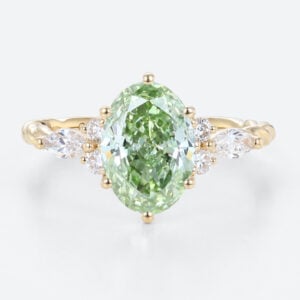
Pressure High Temperature HPHT Diamonds
The second method is pressure high temperature HPHT.
This process recreates the extreme pressure and heat conditions found deep within the earth’s mantle.
Using intense heat and pressure, laboratories can:
produce diamonds more quickly
influence color formation
create unique shades, including green diamonds
The finished stones are still real diamonds and are often graded by organizations like the International Gemological Institute.
To the naked eye, they remain:
chemically identical
physically identical
visually indistinguishable from mined diamonds
Why Advanced Technology Supports Ethical Jewelry
Technology is playing a major role in reshaping the modern jewelry industry.
Instead of relying on excavation from the earth, controlled lab environments allow brands to create luxury jewelry with:
more traceability
a more transparent supply chain
significantly fewer natural resources used during production
For modern buyers, this combination of innovation and responsibility is becoming part of what defines luxury itself.
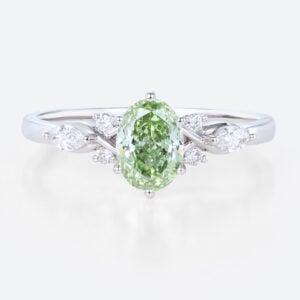
IV. Environmental Impact Why Lab Green Diamond Rings Feel More Responsible
Beyond aesthetics, one of the biggest reasons people are choosing lab grown diamonds is environmental awareness.
Consumers today are more conscious of:
sustainability
energy use
long-term environmental impact
And this is where lab-created diamonds often stand apart from traditional mining.
Traditional Diamond Mining vs Lab Grown Diamonds
Traditional mining requires:
excavation of large areas of land
significant energy consumption
movement of massive amounts of earth and rock
In contrast, lab grown diamonds are produced in laboratories using advanced systems that avoid large-scale excavation.
This often results in:
lower carbon emissions
reduced environmental disruption
less dependence on natural diamond deposits
While no production method is completely impact-free, many buyers feel that lab diamonds align more closely with modern ethical practices.
Why Transparency Matters to Modern Buyers
Modern consumers increasingly value transparency.
They want to know:
where products come from
how they are made
whether brands support responsible sourcing
This is why features like:
transparent supply chains
conflict free diamonds
recycled precious metals
have become major selling points in modern fine jewelry.
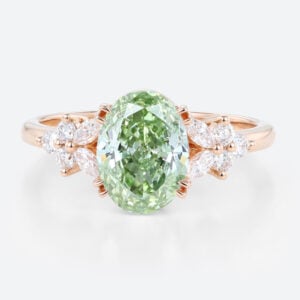
Why Lab Green Diamonds Represent the Future of Conscious Luxury
For many people, green lab diamonds symbolize more than beauty.
They represent:
innovation
sustainability
modern luxury values
Unlike mined stones formed naturally in the earth’s mantle, lab diamonds reflect a future shaped by science, ethics, and intentional design.
And that’s exactly why many experts believe they are more than “just a trend.”
They represent a long-term shift in how people define luxury jewelry.
V. Why Green Diamond Rings Have Become a Modern Jewelry Statement
In modern fashion, jewelry is no longer just about appearance.
People want pieces that reflect:
identity
values
personal meaning
That’s one reason green diamonds have become increasingly desirable in contemporary fine jewelry.
Unlike traditional white diamonds, green diamonds immediately feel different. Their color stands out in a subtle yet distinctive way, creating a balance between elegance and individuality.
For many buyers, a green diamond ring feels less conventional and more personal.
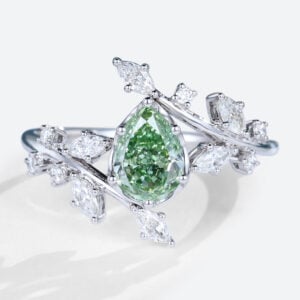
The Meaning Behind Green Diamonds
Green is often associated with:
renewal
growth
balance
environmental responsibility
Because of this symbolism, many couples now see green diamond rings as more meaningful than traditional designs.
A dream ring today is no longer defined only by size or price—it’s also shaped by values and emotional connection.
Why Green Diamond Engagement Rings Stand Out
A green diamond naturally draws attention because it feels unexpected.
Whether paired with:
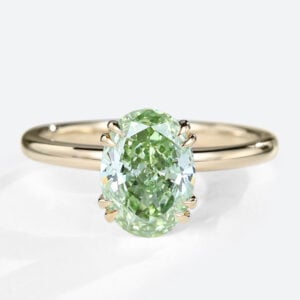
yellow gold for warmth
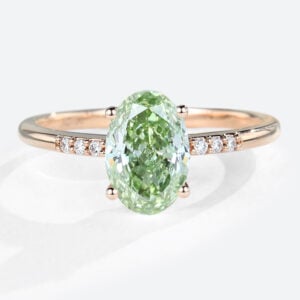
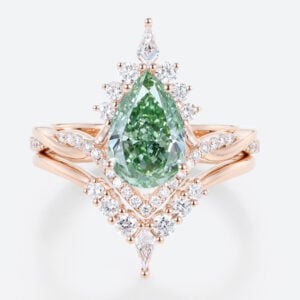
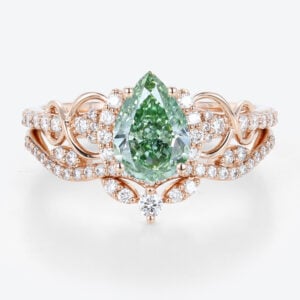
rose gold for softness
or platinum for contrast
green diamonds create a distinctive look without losing sophistication.
Their understated elegance allows them to feel modern while still timeless.
And because lab grown diamonds are:
chemically physically and optically identical to mined diamonds
physically and optically identical in appearance and durability
buyers can enjoy the same beauty and brilliance without compromising on ethics.
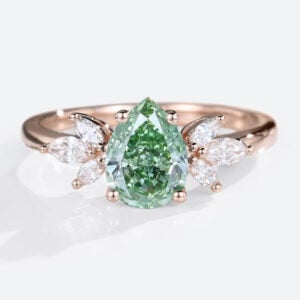
Why Colored Stones Reflect a New Luxury Mindset
Luxury is evolving.
Today’s consumers are increasingly choosing:
unique colored stones
ethical jewelry
sustainable jewelry
over traditional status symbols alone.
This shift is especially visible among younger buyers who prioritize:
individuality
environmental sustainability
transparency in sourcing
For them, jewelry is becoming an expression of both style and responsibility.
VI. Ethical Lab Grown Diamonds and Luxury Can They Coexist
For years, luxury jewelry was closely connected to rarity and mining.
But modern consumers are beginning to ask a different question:
👉 Can luxury also be responsible?
The growing popularity of ethical lab grown diamonds suggests the answer is yes.
Why Ethical Jewelry Is Becoming the New Luxury Standard
Consumers are becoming more aware of issues linked to:
large-scale mining operations
land disruption
environmental concerns
unethical labor practices
As awareness grows, many buyers now prefer jewelry that reflects:
environmental responsibility
ethical sourcing
long-term sustainability
This is helping reshape what people define as luxury.
Lab Diamonds Offer the Same Beauty Without Traditional Mining
One of the strongest arguments for lab diamonds is simple:
👉 They offer the same beauty as mined stones.
Lab diamonds are:
chemically physically and optically identical to natural diamonds
real diamonds with the same brilliance and durability
The only difference is the diamond’s origin.
Unlike traditional mining operations, lab-created stones do not require removing large amounts of earth or relying on massive excavation projects.
Why Sustainable Jewelry Feels More Meaningful Today
Modern buyers increasingly want purchases that align with their values.
For many people, wearing a green lab diamond ring is not just about fashion—it represents:
conscious decision-making
modern innovation
ethical luxury
That emotional connection is becoming just as important as carat size or prestige.
VII. Why Lab Green Diamond Rings Are More Than a Jewelry Trend
Some jewelry trends disappear after a season.
But the movement toward ethical and sustainable luxury feels much larger.
The rise of lab grown green diamonds reflects long-term changes in:
consumer priorities
environmental awareness
expectations around transparency and sourcing
As technology improves and buyers continue seeking more responsible alternatives, green lab diamonds are likely to become an increasingly important part of the future jewelry market.
VIII. Final Thoughts Why Lab Green Diamond Rings Are Ethical Statement
So, why are lab green diamond rings ethical statement pieces in modern jewelry?
Because they represent something larger than appearance alone.
They combine:
exceptional beauty
modern technology
environmental awareness
ethical values
For today’s buyers, luxury is no longer just about rarity.
It’s about making intentional choices.
And that’s exactly why lab-grown green diamonds continue to redefine what modern fine jewelry can represent.
FAQ About Ethical Lab Grown Green Diamond Rings
Yes. They are chemically physically and optically identical to natural diamonds.
Because they avoid many concerns associated with traditional mining and conflict diamonds.
They generally create less land disruption and require fewer natural resources than mined diamonds.
Yes. Lab diamonds offer the same brilliance, durability, and overall appearance.
Because they combine individuality, sustainable jewelry values, and modern luxury aesthetics.