


















Introduction
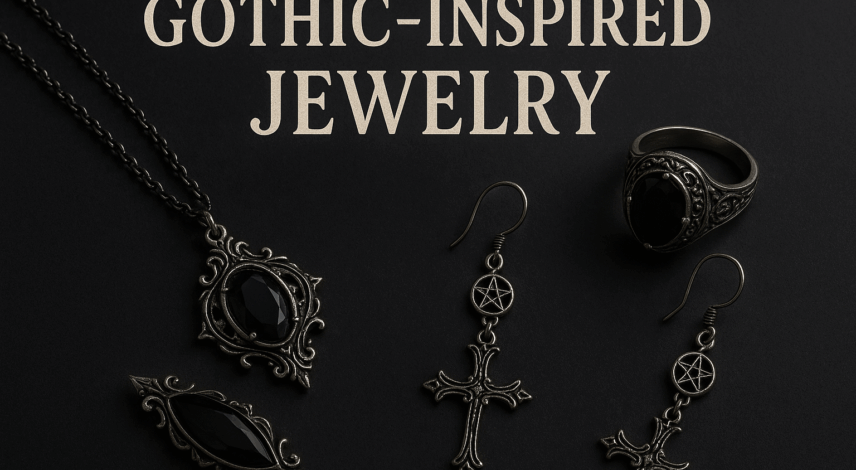
As the crisp air of autumn arrives and the world turns toward darker tones, fashion inevitably follows suit. This season, Gothic-Inspired Jewelry is stepping into the spotlight, bringing a sense of mystery, drama, and elegance that perfectly complements the fall aesthetic. Unlike fleeting trends, gothic jewelry carries a timeless appeal—it speaks to individuality, strength, and the allure of the unconventional. From deep black gemstones to bold metalwork, these pieces embody the season’s spirit of transformation, making them an ideal choice for everyday wear, festive gatherings, and even Halloween celebrations.
I. Gothic Aesthetic: A Timeless Inspiration for Jewelry
The gothic aesthetic has its roots in the grandeur of medieval architecture and the romance of Victorian culture, where elaborate details, pointed arches, and intricate designs conveyed both mystery and majesty. Over time, this aesthetic transcended architecture and fashion, influencing jewelry with motifs that evoke strength, depth, and emotional intensity.
In modern jewelry design, Gothic-Inspired Jewelry is no longer confined to a subcultural niche—it has evolved into a statement of dark elegance. Its appeal lies in the contrast it creates: sharp yet graceful, bold yet sophisticated, mysterious yet undeniably beautiful. For fall, this aesthetic feels especially fitting. The season’s natural palette—amber leaves, grey skies, and long, shadowy evenings—provides the perfect backdrop for jewelry that emphasizes darkness and drama. Gothic pieces resonate not only with the Halloween spirit but also with the quieter side of autumn: introspection, change, and renewal.
II. Why Gothic-Inspired Jewelry is the Perfect Fall Trend
Autumn is a season of transition: temperatures drop, daylight shortens, and wardrobes shift from gauzy pastels to textured layers and saturated neutrals. That seasonal shift creates ideal conditions for Gothic-Inspired Jewelry to move from niche to mainstream. The trend’s traction this fall rests on three complementary forces: aesthetic fit, functional versatility, and cultural resonance.
Aesthetic fit with autumn textures and tones.
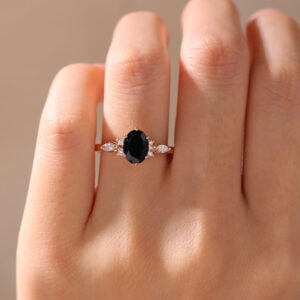
Gothic jewelry’s palette — deep blacks, gunmetal, oxidized silver and muted golds — pairs naturally with autumn fabrics (velvet, leather, wool, brocade). These materials absorb and reflect light differently than summer silks or spring linens; jewelry that reads as “dark” or low-shine often appears richer and more intentional against heavy knits or matte leathers. Designers exploit that contrast: an opaque black onyx cabochon set in a low-profile bezel can read quietly luxurious against a charcoal turtleneck, while a black-diamond pavé collar becomes a dramatic focal point when layered over a velvet blazer.
Versatility from subtle to theatrical.
One reason Gothic jewelry works so well for fall is its scale range. Pieces can be pared down for everyday wear (slim onyx signet, tiny salt-and-pepper pendant) or amplified for seasonal moments (oversized black-diamond cocktail ring, ornate filigree chokers for Halloween events). This adaptability mirrors fall’s social calendar — casual daylight activities, formal seasonal parties, and costume-adjacent celebrations such as Halloween — allowing the same design language to serve multiple contexts without feeling gimmicky.
Emotional and cultural resonance.
Gothic motifs speak to emotional registers that are especially potent in autumn: introspection, nostalgia, and a mild theatricality. For many consumers the appeal is also psychological — dark pieces communicate individuality and quiet defiance in a market saturated with ultra-bright minimalism. Moreover, as alternative bridal choices and personalized jewelry gain traction, dark gemstones and “imperfect” diamonds (like salt & pepper) are increasingly positioned as meaningful, non-traditional options — especially attractive to buyers who want symbolic weight as well as aesthetic edge.
Practical and market reasons.
From a practical standpoint, dark gemstones can be more forgiving of daily wear and of small surface marks; they conceal scratches and minor mounting wear better than high-brilliance white stones. Marketwise, stones like salt & pepper diamonds and treated black diamonds also open a price/creativity sweet spot: they offer striking visual impact without necessarily matching the cost of high-clarity colorless diamonds, which makes Gothic aesthetics more accessible to a broader buyer base.
III. Signature Elements of Gothic-Inspired Jewelry
Key Gemstones
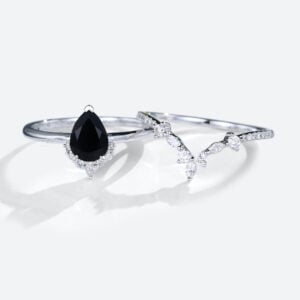
Black Onyx (chalcedony family)
- Look & feel: Deep, opaque black with a smooth, glassy luster when polished; most commonly cut as cabochons or beads.
- Durability: Mohs ~6.5–7. Durable enough for rings and pendants but softer than silicate gemstones — watch for chips on high-impact surfaces.
- Design notes: Works beautifully in low-profile bezel settings that protect edges; lends a bold, graphic quality to signet rings and statement cuffs.
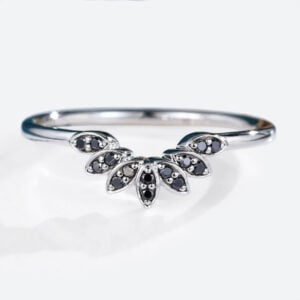
Black Diamonds
- Look & feel: From fully opaque “carbonado” to faceted black treated stones; dense, dramatic presence.
- Durability: Diamond is Mohs 10 — excellent for everyday wear.
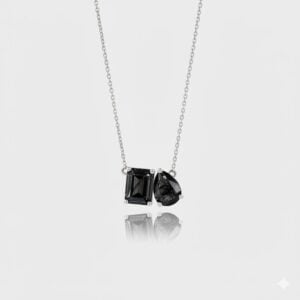
- Trade considerations: Many black diamonds on the market are treated to intensify color; if provenance or natural color is important, ask for treatment disclosure. Because of their opacity, cuts and surface finish are chosen to emphasize texture rather than brilliance.
Salt & Pepper Diamonds
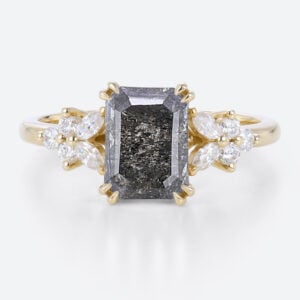
- Look & feel: White/grey/black inclusions create a speckled, marbled appearance — no two stones are the same. They read as vintage/organic and pair well with rustic or hand-worked metal.
- Durability: Being diamonds, hardness is 10; structurally sound but the visible inclusions mean cutters often favor lower crowns or rose cuts to highlight surface character rather than maximize sparkle.
- Design notes: Rose cuts, step cuts, and knife-edge bezels accentuate uniqueness. Excellent choice for customers seeking an individual, slightly bohemian gothic look.
Alternative black stones (Black spinel, obsidian, hematite)
Use these as budget-friendly or stylistically different options. Spinel offers higher durability (approx. Mohs 8) and good polish; obsidian (volcanic glass) is fragile relative to onyx and should be handled accordingly.
Metal choices & finishes
Black rhodium / black plating
Provides a modern, mirror-like black finish over white gold or silver. Visually striking but will wear with time; plan for occasional replating if the piece is a daily wearer.
Oxidized or antiqued silver
Favored for authentic, vintage-leaning Gothic pieces. The dark patina settles into engraved details and filigree, emphasizing depth and texture.
Blackened gold / PVD coatings
PVD (Physical Vapor Deposition) and alloying techniques allow darker gold tones without the look of superficial plating. These finishes can combine the warmth of gold with a muted, gothic edge.
Finish choices — matte vs high polish
Matte and brushed finishes enhance the “mysterious” aesthetic and mask micro-abrasions; high polish adds contrast when paired with dark stones (think a matte shank with a polished bezel).
Construction & setting philosophy
Bezel vs prong settings
Opaque stones (onyx, cabochon) are best in bezel settings for protection and a clean silhouette. Faceted diamonds (including salt & pepper) can be pronged to allow light interaction, or flush/bezel set for a tough, modern look.
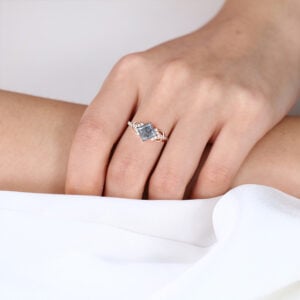
Filigree, milgrain and hand engraving
These techniques link directly to Gothic architectural and Victorian jewelry languages. Filigree and milgrain add historical authenticity, while hand-engraving provides depth that photographs don’t always capture — perfect for pieces meant to feel heirloom-worthy.
Manufacturing notes
Lost-wax casting remains standard for ornate gothic forms, but high-precision CNC and hand finishing are essential when combining detailed filigree with stone pavé. For longevity, solder joints and shank thickness should be engineered to the intended wear pattern (rings intended for daily wear need thicker shanks and lower profiles).
Symbolism & motif choices
Common motifs (roses, crescent moons, crosses, architectural arches, skulls) convey layers of meaning — romance, mystery, protection, memento mori — and help buyers choose pieces that resonate emotionally. Asymmetry and negative space are contemporary strategies designers use to modernize classic Gothic vocabulary.
IV. Styling Tips: How to Wear Gothic-Inspired Jewelry
The power of Gothic-Inspired Jewelry lies not just in the pieces themselves, but in how they are styled. The right combinations elevate dark gemstones and ornate metalwork from “thematic accessories” to refined fashion statements. Below are strategies to help you integrate gothic elements seamlessly into a fall wardrobe.
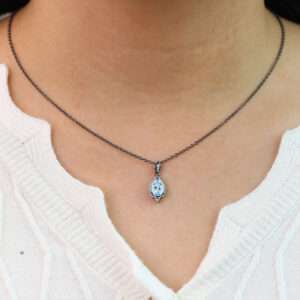
Pairing with Autumn Wardrobe
Autumn fashion is naturally aligned with gothic tones. To highlight the jewelry, think of textures and contrasts:
- Velvet & Lace: Gothic jewelry and velvet are a historic pairing — a black diamond choker against a velvet neckline amplifies richness. Lace blouses or dresses complement intricate filigree earrings, creating a romantic, vintage-inspired silhouette.
- Leather & Metal: For an edgier fall look, pair oxidized silver cuffs or onyx rings with a black leather jacket. The combination leans modern, pulling gothic jewelry away from historical references into a contemporary, street-ready aesthetic.
- Chunky Knits: Salt & pepper diamond pendants stand out against chunky knit sweaters in neutral or dark palettes. Layering the jewelry over texture emphasizes depth and prevents the dark tones from blending into fabric.
- The guiding principle: let the jewelry interact with fabric weight and finish. Smooth stones against matte textiles, textured metals against glossy fabrics — the contrast ensures the jewelry doesn’t get lost.
Layering and Mixing
Gothic jewelry encourages experimentation with scale and layering.
- Necklaces: Stack a delicate salt & pepper diamond pendant with longer oxidized chains. The visual hierarchy leads the eye downwards and creates drama without heaviness.
- Rings: Mix a single oversized black onyx signet with slimmer blackened silver bands. The juxtaposition between bold and minimal adds depth to hand styling.
- Bracelets: Layer slim oxidized bangles with a single ornate cuff. The contrast keeps the look intentional rather than cluttered.
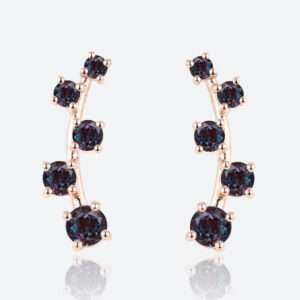
Importantly, mixing gothic pieces with more minimal modern jewelry prevents the aesthetic from tipping into costume. A fine gold chain or plain silver band can act as a visual “pause,” giving ornate gothic pieces room to shine.
From Day to Night
One advantage of Gothic-Inspired Jewelry is its fluidity between casual and formal wear. With small styling shifts, the same piece can serve both roles:
- Daytime: Wear a salt & pepper diamond solitaire on a simple silver chain with a turtleneck or blouse. The look is understated, hinting at individuality without dominating the outfit.
- Evening: Layer the same pendant with additional blackened silver chains of varying lengths for a bolder statement. Add matching earrings or a cocktail ring to complete the transformation.
Similarly, stackable blackened rings can be worn singly at work, then built into layered stacks for dinner or a party. This adaptability makes gothic jewelry a strategic investment, particularly in a season where social calendars are diverse.
✨ Key Styling Takeaway: Think of gothic jewelry not as a costume category but as a design language. Its success depends on balance — pairing dramatic details with modern minimalism, playing texture against smoothness, and adjusting scale depending on context. When styled thoughtfully, these pieces move effortlessly from subtle daytime accents to bold evening declarations.
V. The Symbolism and Emotional Power of Gothic Jewelry
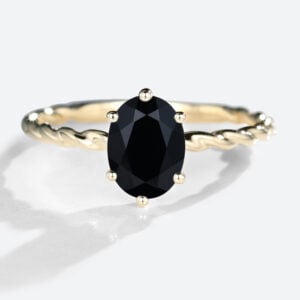
Beyond visual allure, Gothic-inspired jewelry carries a symbolic weight that resonates deeply with wearers. The dark gemstones—black onyx, black diamonds, and salt and pepper diamonds—often symbolize resilience, transformation, and mystery. These pieces are not just ornaments; they embody personal narratives.
For many, wearing Gothic jewelry is a way of reclaiming individuality. The stark contrast of dark gems against the skin creates an aura of strength, while ornate designs—think filigree settings, talon prongs, or cathedral-style bands—evoke timelessness and protection. Salt and pepper diamonds, with their unique inclusions, remind us that imperfections can be powerful, even beautiful.
On a seasonal level, the Gothic aesthetic mirrors the cycles of autumn itself. As nature shifts into darker hues, Gothic jewelry celebrates the beauty of endings, transitions, and rebirth. This symbolic resonance makes these pieces especially meaningful when worn during Halloween, Samhain, or other seasonal celebrations tied to transformation and mystery.
Conclusion: Embrace the Dark Elegance of Gothic Jewelry
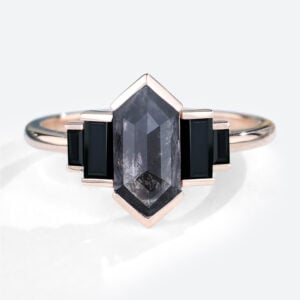
This fall, Gothic-inspired jewelry offers more than just a fleeting trend—it is an invitation to explore beauty in its boldest, most unconventional form. By choosing pieces with black onyx, black diamonds, or salt and pepper diamonds, you’re not just accessorizing; you’re embracing a narrative of strength, mystery, and individuality.
Whether you’re dressing for everyday sophistication, preparing for Halloween festivities, or seeking a timeless piece to reflect your personal story, Gothic jewelry allows you to merge style with symbolism. Its dark elegance has endured centuries, and this season, it stands ready to become the centerpiece of your autumn wardrobe.