








I. Why Pink Diamond Engagement Rings Feel So Different
When people search for pink diamond engagement rings meaning, they are usually looking for something more than just a beautiful ring. They are looking for a story, a symbol, or a deeper emotional connection.
Unlike traditional diamond engagement rings, pink diamonds immediately feel different. A classic white diamond often represents tradition and simplicity, while a pink diamond engagement ring carries a softer, more expressive energy. It feels more personal, more intentional, and often more memorable.
Part of this uniqueness comes from rarity. Natural pink diamonds are among the rarest gems in the world, often associated with famous sources like the Argyle mine. Because of this, they are not just jewelry—they are considered rare gems that symbolize something truly special.
There is also a visual difference that people instantly notice. Pink diamonds fall under the category of fancy color diamonds, meaning their value is influenced by subtle variations in pink hues, from a soft blush to more saturated tones like fancy intense pink or even fancy vivid pink. This range of color makes each stone feel unique, almost like no two love stories are exactly the same.
For many couples, choosing a pink diamond engagement ring is not about following tradition. It is about expressing individuality. It reflects a relationship that values emotion, uniqueness, and a deeper kind of connection—something that standard rings often fail to capture.
II. What Do Pink Diamond Engagement Rings Mean
Understanding the meaning of pink diamond engagement rings starts with recognizing that these stones carry multiple layers of symbolism. Beyond their beauty, they represent emotion, rarity, and a modern interpretation of love.
A Symbol of Romantic Love and Emotional Depth
At the most basic level, pink is the color of love—but not just any love. It represents a softer, more emotional connection. A pink diamond engagement ring often symbolizes affection, compassion, and genuine emotional intimacy.
Unlike traditional diamonds, which are often associated with clarity and perfection, pink diamonds feel more personal. Their color variations—from soft blush tones to deeper shades—mirror the complexity of real relationships. Love is not always perfect, but it is meaningful, layered, and evolving.
This is why many people choose pink over white. It feels closer to real emotion, rather than just tradition.
A Representation of Femininity and Strength
Pink is often linked to femininity, but in the context of diamonds, it represents more than softness. It reflects a balance between elegance and strength.
Like all diamonds, pink diamonds share the same internal structure, formed through intense pressure within the earth’s crystal lattice. This means they are just as durable and resilient as any other diamond. The difference lies in their color—a natural transformation that makes them stand out.
This combination of strength and beauty makes pink diamond jewelry especially meaningful. It represents someone who is both graceful and confident, soft yet powerful. That is why many modern couples see pink diamonds as a symbol of a more balanced and equal relationship.
A Sign of Rarity and Exclusivity
One of the most defining aspects of pink diamonds is how rare they are. Compared to other natural diamonds, pink diamonds make up only a tiny fraction of what is found globally.
Historically, some of the world’s pink diamonds came from a single source, which contributed to their reputation as some of the most exclusive gemstones available. This rarity is reflected in their value, especially in stones graded with higher intensity levels such as fancy deep or fancy vivid.
Because of this, a pink diamond engagement ring often symbolizes something unique and irreplaceable. It represents a relationship that is not ordinary—one that stands apart from the rest.
For many, this is the true meaning behind choosing pink: not just love, but rare and meaningful love.
III. The Deeper Symbolism Behind Pink Diamonds
Beyond surface-level beauty, the deeper meaning of pink diamond engagement rings is closely tied to emotion, rarity, and transformation.
Unlike colorless diamonds or even other colored diamonds, pink diamonds carry a unique emotional weight. Their color is often associated with compassion, emotional healing, and self-love. This makes them especially meaningful for couples who see their relationship as something that grows and evolves over time.
Part of this symbolism comes from how pink diamonds are formed. Scientists believe their color is created through a rare structural change in the diamond’s crystal lattice, sometimes described as a process called plastic deformation. This natural transformation is what gives each stone its distinctive pink tint or deeper saturation.
Because of this, pink diamonds are often seen as a symbol of transformation under pressure—something many relationships can relate to. Love is not always easy, but it becomes stronger and more meaningful over time.
The variation in pink diamond’s color also plays a role in its symbolism. Some stones display a soft, romantic light pink, while others show richer tones like purplish pink, deep purplish pink, or even bold shades close to vivid magenta. These saturated hues make each diamond feel personal and expressive.
For many jewelry lovers, this emotional depth is what makes pink diamonds stand out among other valuable gemstones. They are not just rare—they feel meaningful in a way that few other stones can match.
IV. Why Choose a Pink Diamond Engagement Ring
Choosing between traditional white diamonds and a pink diamond often comes down to personal expression. While classic diamond engagement rings focus on tradition, pink diamonds offer something more distinctive.
First, there is the uniqueness factor. Pink diamonds are considered incredibly rare and, in many cases, exceptionally rare compared to other diamonds. Their limited availability—especially those historically sourced from regions like Western Australia—adds to their appeal as rare gemstones.
Second, color plays a major role. Unlike standard diamonds, where clarity and brilliance are the focus, pink diamonds are valued based on color intensity, tone, and hue. From delicate faint pink and fancy light shades to richer tones like fancy intense or even fancy dark, each stone offers a different personality.
This variety allows buyers to choose something that feels truly personal. A lighter shade may feel soft and romantic, while a deeper tone can feel bold and expressive.
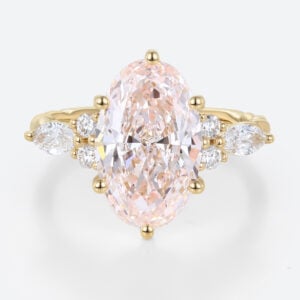
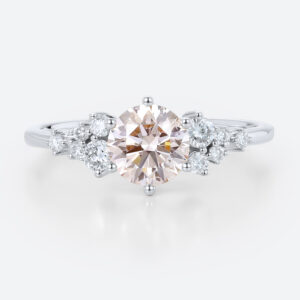
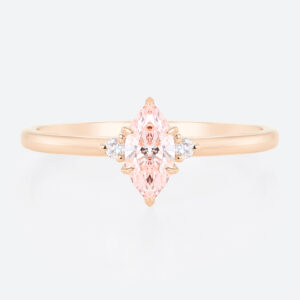
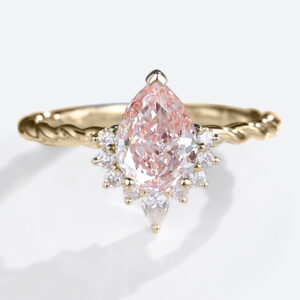
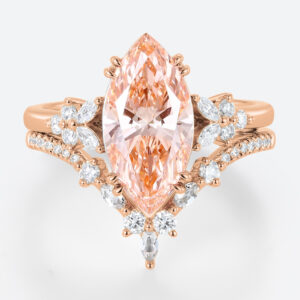
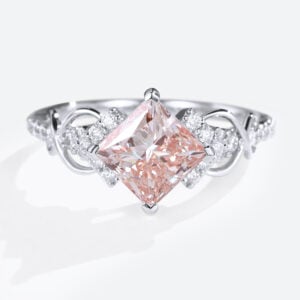
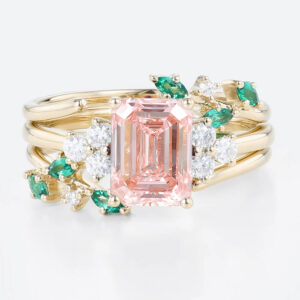
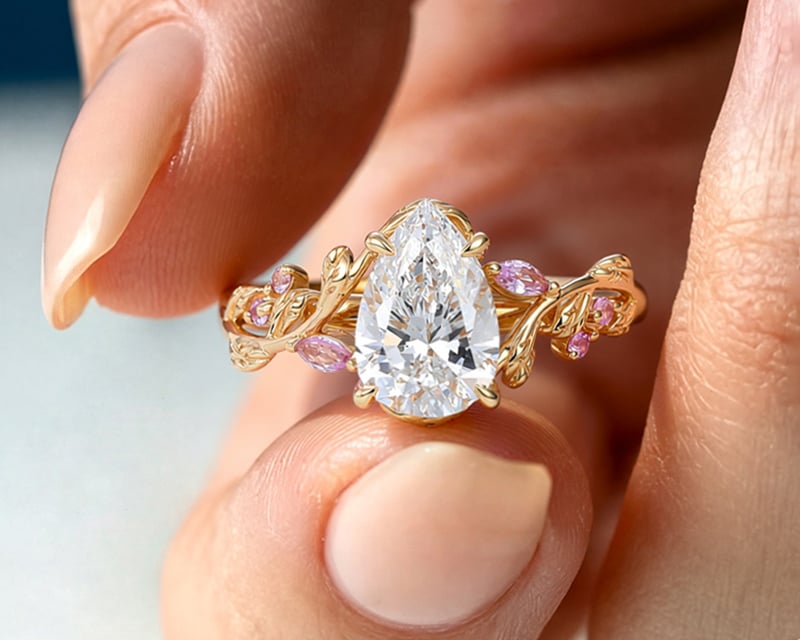
Design also matters. Many modern rings feature a pink center stone surrounded by smaller white diamonds, creating contrast and highlighting the stone’s natural color. Settings in rose gold prongs can enhance the warmth of the diamond, while white gold or even yellow gold can create a more balanced or classic look.
Shape is another factor. Pink diamonds are often cut into fancy shapes, including oval, cushion, and pear shapes, to maximize their color and brilliance. Larger stones, especially large pink diamonds, are particularly striking and often become statement pieces.
Of course, carat weight still plays a role, but with pink diamonds, color is usually more important than size. A smaller stone with strong color can be more valuable than a larger one with a weaker tone.
Ultimately, choosing a pink diamond engagement ring is about more than aesthetics. It is about selecting a ring that reflects individuality, emotion, and a story that feels different from tradition.
V. Are Pink Diamond Engagement Rings Natural or Lab-Growne
When exploring pink diamond engagement rings meaning, many people eventually ask an important question: are these diamonds natural, or are they created in a lab?
Natural Pink Diamonds
Natural pink diamonds are among the most exceptionally rare gemstones on earth. Historically, a large portion of the world’s supply came from the famous Argyle diamond mine in Western Australia, which is why you may often hear the term Argyle diamond when discussing high-end pink stones.
Because of their rarity, natural pink diamonds are considered some of the most valuable gemstones in the world. Certain iconic stones—like the Williamson Pink Star or the CTF Pink Star—have gained global attention, even being associated with high-profile collectors and celebrities such as Jennifer Lopez.
Their value is driven not only by scarcity but also by color. Stones with strong saturation—like fancy intense pink, fancy vivid pink, or deeper tones approaching fancy dark—are especially desirable.
However, this level of rarity also means significantly higher prices, making natural pink diamonds less accessible for everyday buyers.
Lab-Grown Pink Diamonds
For those who love the look and symbolism but want a more accessible option, lab-grown pink diamonds have become increasingly popular.
These diamonds are created using advanced technology that replicates natural conditions, including intense heat and pressure. While the process of making pink diamonds in a lab is different from natural formation, the result is visually identical and shares the same physical properties.
Lab-grown stones allow more flexibility in choosing color intensity, carat weight, and even specific shades—from soft light pink to more saturated tones.
They also make it easier to explore different designs, from minimalist rings to more elaborate fine jewelry pieces, without the price barrier of natural stones.
For many modern buyers, lab-grown diamonds offer the perfect balance between beauty, meaning, and practicality—especially when choosing a pink diamond engagement ring that will be worn every day.
VI. How to Choose the Right Pink Diamond Engagement Ring
Choosing the perfect ring involves more than just picking a color. When selecting a pink diamond engagement ring, there are several key factors to consider.
Start with color. The most important element in pink diamonds is the pink color itself. Some stones show a soft, romantic faint pink or fancy light tone, while others display richer shades like purplish pink or even deeper hues. The right choice depends on personal preference and how bold you want the ring to feel.
Next is setting and metal. A pink center stone pairs beautifully with different metals. Rose gold prongs enhance warmth and create a cohesive look, while white gold or platinum offers contrast. Yellow gold can add a vintage or classic touch, depending on the overall design.
Shape also plays a role. Pink diamonds are often cut into fancy shapes—including oval, cushion, and pear shapes—to highlight their color. These shapes can make the stone appear larger and more vibrant.
Do not overlook carat weight, but remember that in pink diamonds, color often matters more than size. A smaller stone with strong color can feel more impactful than a larger, lighter one.
Finally, think about lifestyle. A ring should not only look beautiful but also fit into everyday life. The best choice is one that feels natural to wear, whether simple or bold.
VII. Who Should Choose a Pink Diamond Engagement Ring
Not every ring suits every person, and that is exactly why pink diamonds stand out.
A pink diamond engagement ring is ideal for those who value individuality over tradition. It appeals to people who want something different from standard diamond engagement rings, something that reflects their personality rather than expectations.
It is also a great choice for romantics—people who connect deeply with symbolism and emotion. The soft yet expressive tones of pink diamonds resonate with those who see love as something meaningful and evolving.
For couples who prefer modern relationships over traditional roles, pink diamonds can represent balance and equality. They are not just about appearance—they tell a story.
In short, these rings are for people who want their jewelry to feel personal, not predictable.
VIII. Pink Diamond Engagement Rings vs White Diamonds
When comparing pink diamonds to traditional white diamonds, the difference goes beyond appearance.
White diamonds are timeless and classic, often chosen for their simplicity and brilliance. They represent tradition, clarity, and conventional beauty.
Pink diamonds, on the other hand, fall into the category of other colored diamonds, offering more personality and emotional depth. Their appeal lies in their rarity, unique tones, and symbolic meaning.
While other diamonds focus on clarity and cut, pink diamonds emphasize color and individuality. This makes them a stronger choice for those looking for something less conventional.
Both options are beautiful, but they serve different purposes. One follows tradition—the other redefines it.
Conclusion: Is a Pink Diamond Ring Right for You
Choosing an engagement ring is ultimately about meaning.
If you are drawn to tradition, classic colorless diamonds may feel like the right choice. But if you are looking for something that reflects emotion, individuality, and rarity, a pink diamond engagement ring offers something more.
With their unique color, deep symbolism, and connection to rare origins, pink diamonds represent love in a more personal and expressive way.
In the end, the best ring is not the one that follows the rules—it is the one that feels right to you.
The Meaning of Pink Diamond Engagement Rings FAQs
A pink diamond engagement ring symbolizes love, emotional depth, and individuality. It represents a relationship that is unique and meaningful.
Yes, especially natural pink diamonds, due to their rarity and limited supply.
Pink diamonds symbolize compassion, emotional connection, and romantic love.
Yes, lab-grown pink diamonds have the same physical and visual properties as natural diamonds.
Pink diamonds are rarer and often more valuable than many other colored diamonds, with a strong focus on color intensity and uniqueness.