







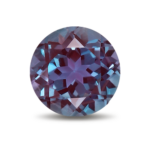





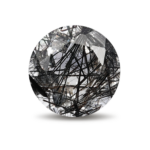











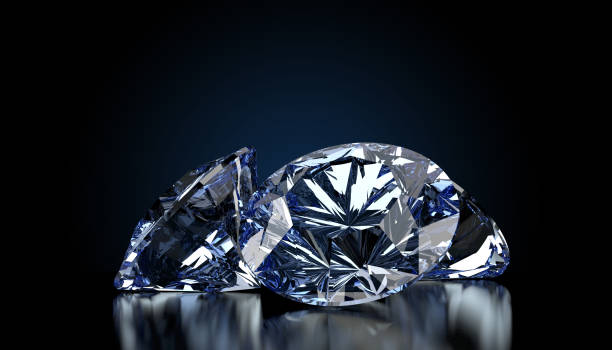
I. Is Lab Grown Diamond a Good Investment
This is one of the most common questions buyers ask today: is lab grown diamond a good investment?
The honest answer depends on what you mean by “investment.” If you’re expecting strong resale value like traditional assets, then lab grown diamonds may not perform the same way as some natural diamonds or rare mined diamonds. The secondary market for lab diamonds is still developing, and prices tend to be more accessible rather than appreciating over time.
However, if you define investment as getting the most beauty, size, and quality for your budget, then the picture changes completely.
Lab created diamonds are real diamonds—chemically physically and optically identical to those formed in nature. They are produced using advanced processes such as chemical vapor deposition (CVD), which replicates the natural diamond-growing environment in a lab. The result is a grown diamond that looks and performs exactly like a mined one.
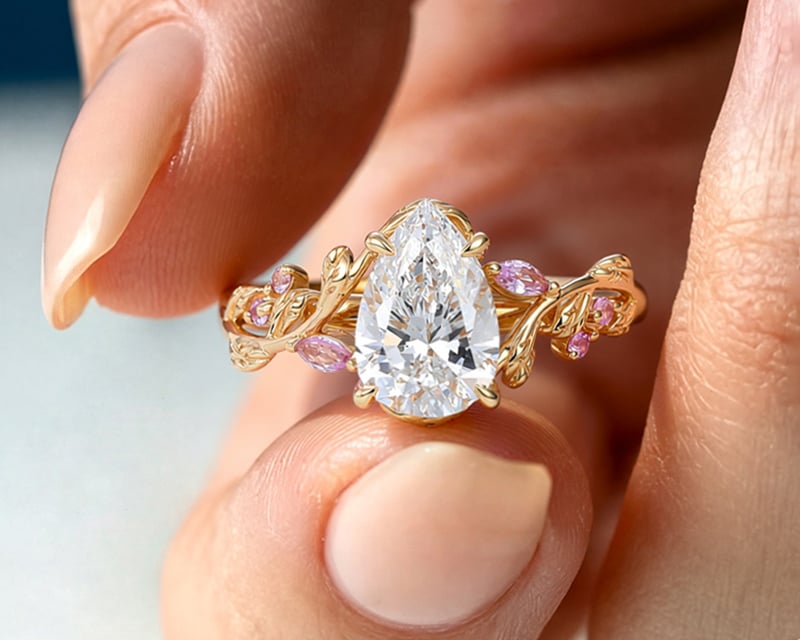
What makes them stand out is value efficiency. Because lab grown diamonds are cheaper to produce than mined stones, buyers can choose a larger carat weight, higher clarity, or better cut without increasing their budget. This is why many people now choose lab diamonds for diamond engagement rings.
So while lab grown diamonds generally are not considered a traditional financial investment, they are a strong value investment in terms of wearability, appearance, and overall satisfaction.
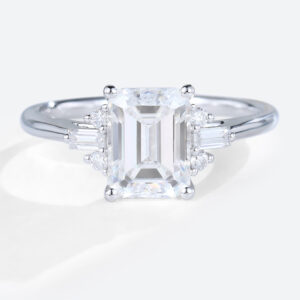
II. What Defines Value in Lab Created Diamonds Today
To understand why lab grown diamonds offer such strong appeal, it’s important to look at how the concept of value has evolved in the modern diamond market.
In the past, value was closely tied to rarity. Natural diamonds formed deep within the earth were seen as more desirable simply because they were harder to obtain. But today, consumers are shifting toward a more practical definition of value—one that balances quality, cost, and personal priorities.
Price vs Resale Value What Matters More
When comparing lab grown diamonds vs natural diamonds, the biggest difference often comes down to price. Lab diamonds can cost significantly less, making them more accessible to a wider range of buyers.
This affordability allows consumers to prioritize what they actually see and wear—size, sparkle, and design—rather than focusing on long-term resale potential. While lab grown diamonds lose more value in the resale market compared to some mined stones, many buyers no longer see jewelry as a financial asset.
Instead, they view it as a personal purchase. The goal is not to resell, but to enjoy. In that sense, lab diamonds deliver strong market value for everyday use.
Why Lab Diamonds Are Changing Buyer Expectations
As lab grown diamonds tend to become more widely accepted, they are reshaping expectations across the diamond industry.
Consumers today are more informed. They understand that lab grown diamonds compare directly with mined ones in terms of appearance and durability. They also recognize that these stones are created with precision, using advanced technology, rather than relying on unpredictable natural processes.
This shift is especially noticeable among younger buyers. They are more open to alternatives, more focused on transparency, and more interested in getting the best overall deal.
As a result, lab grown diamond jewelry is no longer seen as a substitute—it is becoming a first choice.
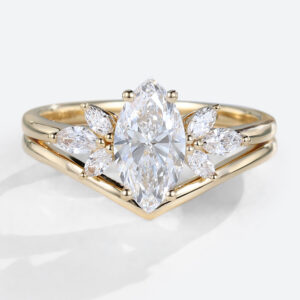
III. Lab Diamonds vs Natural Diamonds What You Are Really Paying For
When comparing lab grown diamonds with natural diamonds, many buyers assume the difference must be visible. In reality, the only difference is origin.
Both types of diamonds are optically identical, meaning they reflect light in the same way and offer the same brilliance. In fact, even professionals need specialized tools from a gemological institute or certification from organizations like the International Gemological Institute to distinguish between them.
Lab diamonds are created using advanced processes such as CVD diamonds or pressure high temperature HPHT, which replicate the natural conditions found deep within the earth’s mantle. Meanwhile, natural stones form over billions of years through geological processes.
From a performance standpoint, both are considered quality diamonds. They share the same hardness, durability, and visual appeal. This is why lab diamonds are increasingly used in engagement rings and fine jewelry.
Lab Diamonds vs Cubic Zirconia Common Misunderstanding
A common misconception is that lab grown diamonds are similar to cubic zirconia or other diamond alternatives. This is not accurate.
Cubic zirconia is a diamond simulant—it may look similar at first glance, but it lacks the same structure and durability. In contrast, synthetic diamonds (lab diamonds) are real diamonds. They are identical to natural diamonds in every physical and optical sense.
This distinction is important when evaluating long-term value and performance.
Price Difference and What It Means for Buyers
The most noticeable difference between lab and natural diamonds is the price difference. Because lab diamonds do not rely on mining, their production is more efficient, resulting in a lower initial cost.
This gives buyers more flexibility. Instead of choosing between size and quality, they can often have both. Many consumers now see lab diamonds as a smarter purchase, especially when comparing natural counterparts that cost significantly more for the same visual result.
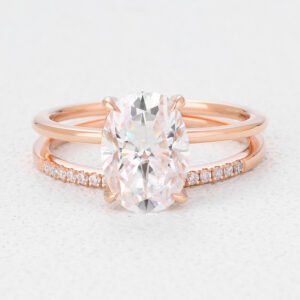
IV. The Real Benefits of Lab Created Diamond Engagement Rings
The rise of lab created diamonds is not just about cost—it’s about the combination of advantages they bring to modern buyers.
Bigger Stones Better Quality Same Budget
One of the most appealing aspects is the ability to access better quality diamonds within the same price range. Buyers can choose a larger stone, higher clarity, or a superior cut without exceeding their budget.
This is especially valuable for diamond engagement rings, where size and brilliance play a major role in overall appearance.
Ethical Considerations and Modern Values
Today’s buyers are increasingly aware of sourcing and production. Traditional mined stones can raise concerns related to environmental impact and supply chain transparency.
In contrast, lab diamonds are often viewed as a more responsible choice. They reduce reliance on mining and align with growing consumer awareness around sustainability and ethical sourcing.
A Practical Alternative to Natural Diamonds
For many buyers, lab diamonds represent a practical alternative to natural diamonds. They offer the same beauty and durability, but with fewer compromises.
This is why lab diamonds offer significant advantages in terms of flexibility, accessibility, and design options.
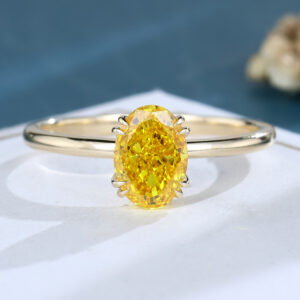
V. Why Lab Diamonds May Not Be a Traditional Investment
While lab diamonds offer many benefits, it’s important to address one key point honestly—future resale value.
Understanding the Resale Market
The resale market for lab diamonds is still evolving. Compared to some natural diamonds, they may not retain value in the same way over time.
This is partly because lab diamonds are more widely available and production continues to improve, which can influence pricing.
Emotional Value vs Financial Return
For most buyers today, jewelry is no longer viewed purely as a financial investment. Instead, it is about emotional significance and daily enjoyment.
In that context, lab diamonds provide strong value. They allow buyers to enjoy a larger, more beautiful piece without the pressure of maximizing resale.
VI. Are Lab Grown Diamonds Worth It in Today’s Market
As consumer demand continues to grow, lab diamonds are becoming a major force in the jewelry industry.
They reflect changing market trends, where buyers prioritize transparency, affordability, and design flexibility. While they may not offer the same better resale value as some natural stones, they excel in everyday usability and overall satisfaction.
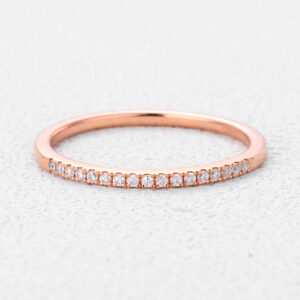
VII. Final Thoughts Value Without Compromise Explained
At the end of the day, the question isn’t just is lab grown diamond a good investment—it’s what kind of investment you’re looking for.
If you want a traditional asset focused on long-term resale, natural diamonds may still hold appeal. But if you’re looking for beauty, size, and value you can enjoy every day, lab diamonds offer something different.
Lorem ipsum dolor sit amet, consectetur adipiscing elit. Ut elit tellus, luctus nec ullamcorper mattis, pulvinar dapibus leo.
They represent a modern approach to luxury—one that balances quality, cost, and intention.
And for many buyers today, that balance is exactly what makes them worth it.