
I. Is Moissanite a Lab Diamond Quick Answer Explained
If you’ve ever wondered is moissanite a lab diamond, you’re not alone.
It’s one of the most common questions people ask when comparing modern alternatives to traditional diamonds.
Let’s clear it up right away:
👉 No, moissanite is not a lab diamond.
Even though both are often grouped together in the jewelry market, they are fundamentally different in composition, structure, and value.
A lab diamond moissanite comparison often creates confusion because:
Both are created in controlled environments
Both are used in engagement ring designs
Both look similar to natural diamonds at first glance
But similarity doesn’t mean they are the same.
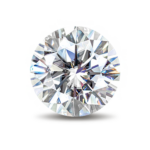
Lab grown diamonds are real diamonds made from pure carbon, identical to real diamonds found in nature.
Moissanite, on the other hand, is a completely different moissanite gemstone made from silicon carbide.
That difference affects everything—from optical properties to durability, pricing, and long-term perception.
So while they may look alike, they are not interchangeable.
II. What Are Lab Diamonds and Moissanite
To understand the difference clearly, you need to look deeper than appearance.
What Are Lab Created Diamonds
Lab created diamonds are real diamonds produced using advanced technology that replicates natural formation.
They are made from pure carbon, just like natural diamonds, and share the same:
Chemical composition
Crystal structure
Optical properties
That means a lab grown diamond is:
Chemically identical
Physically identical
Optically identical
Even professional gemologists often need specialized tools to distinguish them from mined diamonds.
These diamonds are typically created using methods like chemical vapor deposition (CVD), where carbon atoms form layer by layer into a diamond crystal.
Because of this controlled process, many lab created diamonds can have:
High clarity
Fewer inclusions
Consistent quality
What Is Moissanite Made Of
Moissanite is not a diamond at all.
It is a separate moissanite gemstone composed of silicon carbide, a material with completely different chemical properties and internal structure.
Originally discovered in meteorites, natural moissanite is extremely rare. Most stones available today are lab-created.
Compared to diamonds, moissanite has:
A different hardness scale (slightly lower on the Mohs hardness scale)
Unique optical properties, often producing more colorful sparkle
Distinct internal patterns under magnification
This is why, in a moissanite vs lab diamond comparison, the difference is not just technical—it’s visual as well.
Moissanite tends to produce more rainbow-like flashes, while diamonds (including lab ones) reflect a more classic white brilliance.
III. Moissanite vs Lab Diamond What Is the Real Difference
Now that we’ve answered is moissanite a lab diamond, the next question is:
👉 What actually makes them different?
A true moissanite vs lab diamond comparison comes down to four key factors: composition, sparkle, durability, and price.
Chemical Composition and Structure
The most fundamental difference between moissanite and lab diamonds lies in what they’re made of.
Lab diamonds → made from pure carbon, just like diamonds formed in the earth’s crust
Moissanite → composed of silicon carbide, a completely different material
Even though both are created in labs, they are not the same substance.
That’s why moissanite a lab grown diamond is a common misconception—but technically incorrect.
This difference in chemical composition also leads to differences in structure and performance.
Sparkle and Light Performance
One of the easiest ways to tell the difference is how they reflect light.
Lab diamonds → classic white sparkle and balanced brilliance
Moissanite → stronger fire with visible rainbow colors
Moissanite has a higher refractive index, which is why it produces more colorful flashes. Some people love this “extra sparkle,” while others feel it looks less natural compared to diamonds.
Under certain lighting, even the untrained eye can notice the difference—especially when comparing two stones side by side.
Hardness and Durability
When it comes to durability, both stones perform well—but not equally.
Lab diamonds → 10 on the Mohs hardness scale (the hardest material used in jewelry)
Moissanite → around 9.25
This means both are suitable for daily wear, but diamonds still have a slight edge in scratch resistance.
Over time, this can affect how well each stone maintains its surface and faceting pattern.
Price Difference and Value
Another major factor in the diamond vs moissanite decision is price.
Moissanite → significantly lower price
Lab diamonds → higher cost, but closer to real diamonds in value
For the same budget, moissanite allows you to choose:
Larger stones
More intricate designs
While lab diamonds offer:
Authentic diamond identity
Stronger long-term perception
III. Can You Tell the Difference Between Moissanite and Lab Diamonds
A common concern is whether people can actually see the difference.
The answer depends on how closely you look.
Naked Eye vs Expert View
To the naked eye, especially in everyday situations, moissanite and lab diamonds can look very similar.
Both stones are:
Near colorless
Bright and reflective
Commonly used in engagement rings
However, under closer inspection, differences become more noticeable.
Experts can identify them using tools that analyze:
Internal structure
Light behavior
Double refraction (a key feature of moissanite)
Situations Where Differences Are Noticeable
Even without tools, certain situations make differences easier to spot:
Strong lighting → moissanite shows more rainbow colors
Side-by-side comparison → differences in white sparkle become clearer
Larger stones → visual differences are more obvious
This is why some buyers prefer lab diamonds for a more traditional diamond appearance.
IV. Moissanite or Lab Diamond Which One Should You Choose
Now that you understand the full difference between moissanite and lab diamonds, the real question becomes:
👉 Which one is right for you?
The answer depends on your priorities.
Choose Moissanite If You Want Maximum Sparkle for Less
Moissanite is ideal if your focus is visual impact at a lower cost.
You may prefer moissanite if:
You love bold sparkle with visible rainbow colors
You want a lower price while still getting a beautiful gemstone
You plan to choose larger stones without increasing your budget
Because of its higher refractive index, moissanite delivers a very noticeable shine—sometimes even more intense than diamonds.
For fashion-forward buyers or those who prioritize size and shine, this can be a strong advantage.
Choose Lab Diamonds If You Want a Real Diamond
If authenticity matters to you, lab diamonds are the better choice.
You should consider lab diamonds if:
You want a stone made from pure carbon
You prefer the traditional look of white sparkle
You value something identical to natural diamonds
A lab grown diamond offers the same brilliance, durability, and structure as mined stones—just created using advanced technology instead of natural processes.
For many buyers, especially for an engagement ring, this sense of “real diamond” still carries emotional weight.
The Middle Ground Modern Buyers Are Choosing
Today, more buyers are thinking differently.
Instead of asking “which is better,” they ask:
👉 Which gives me the best value for my lifestyle?
Moissanite → best for budget and bold sparkle
Lab diamonds → best for realism and long-term satisfaction
Both are:
Conflict free
More environmentally friendly than traditional mining
Suitable for daily wear
So the decision is no longer about right or wrong—but about personal priorities.
V. Final Verdict Is Moissanite a Lab Diamond
Let’s come back to the original question:
👉 Is moissanite a lab diamond?
No. It is not.
Moissanite → a different gemstone made of silicon carbide
Lab diamonds → real diamonds made from pure carbon
They may look similar, but they are fundamentally different in:
Chemical composition
Optical properties
Value perception
VI. Final Thought
Choosing between them isn’t about which one is “better.”
It’s about what matters to you.
If you want:
The authenticity of real diamonds
Classic brilliance
Long-term emotional value
👉 Choose a lab diamond
If you want:
A bold, unique sparkle
Larger size for less money
A stylish alternative
👉 Choose moissanite
FAQ About Moissanite and Lab Diamonds
No. Moissanite is a different gemstone, not a fake diamond.
They can look similar at first, but differ in sparkle and light reflection.
Yes, especially under certain lighting or with expert tools.
It depends on whether you value price or authenticity more.