













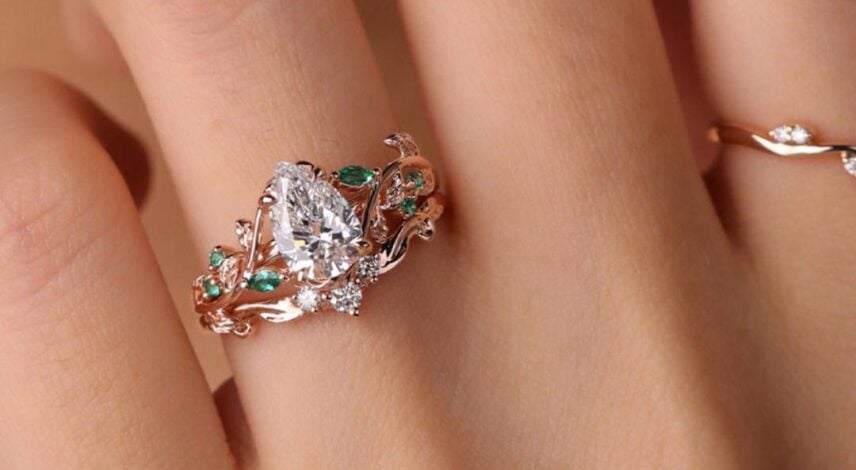
When you step into the world of modern fine jewelry, one of the most important factors to consider is how laboratory grown diamonds entering the market today are verified for quality. For many years, diamond grading was a process reserved exclusively for stones pulled from the earth. However, as lab grown technology has advanced, the industry has realized that consumers understand the value of a manufactured product only when it is backed by a reputable lab-grown diamonds certification.
At LisaJewelryUS, we believe that education is the ultimate luxury. Whether you are comparing natural diamonds to man made diamonds, the way these stones are evaluated determines their beauty and their long-term value. Today, laboratory grown diamonds undergo a rigorous scientific process to ensure they meet the same high standards as any other precious gemstone. This guide will walk you through the essential world of lab-grown diamonds grading and help you decode the technical language of a modern diamond report.
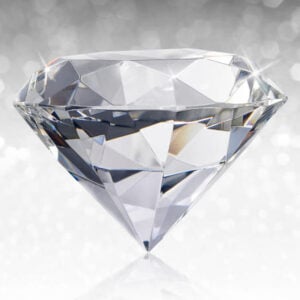
I. Leading Authorities for Lab Grown Diamonds Certification
The IGI was one of the first major labs to offer a full lab-grown diamonds certificate. Because they were early adopters of laboratory grown technology, many lab-grown stones in the market today carry an IGI report. They provide a detailed breakdown of the 4Cs, ensuring that the carat weight and color range are accurately reported to the consumer.
The Hoge Raad voor Diamant (HRD Antwerp)
Representing the European tradition of excellence, HRD Antwerp also provides a robust lab-grown diamonds certification. They focus on the technical integrity of the growth process, distinguishing between stones created via chemical vapor deposition and other methods. Their reports are highly respected and help prevent a market fall in consumer confidence by maintaining strict grading tiers.

While others paved the way, the GIA remains the world’s most trusted name in gemology. The GIA laboratory grown diamond reports are considered the gold standard. Under the leadership of experts like Tom Moses, the GIA developed a system where laboratory grown diamonds are graded with the same scrutiny as natural diamonds. They ensure that even if a stone is slightly included, that information is clearly disclosed to the buyer.
By having multiple gemological institute options, the industry ensures that lab-grown diamonds certification is accessible and transparent. However, as we will explore, the GIA laboratory has introduced specific features—like a unique GIA quality assessment number—that set their reports apart.
II. Precision and Quality: The Lab Grown Diamonds Grading Process
When a lab diamond is sent to a gemological institute, it undergoes a rigorous growth process evaluation. Expert gemologists use specialized equipment to ensure the laboratory grown stone meets specific clarity grades and color range standards. During this phase, the cut grade is also determined, ensuring that whether you choose classic rounds or fancy shapes, the stone’s fire and brilliance are maximized.
A common question among consumers understanding the market is how to link a stone to its printed document. While some mass-produced stones carry a GIA quality assessment number on the diamond’s girdle, many premium laboratory grown diamonds are kept “clean.” This means the stone’s identity is verified solely by its unique internal “fingerprint” recorded in the lab-grown diamonds certificate (GIA). This certificate details every characteristic, from the carat weight to the specific descriptive terms used to identify the stone’s quality.
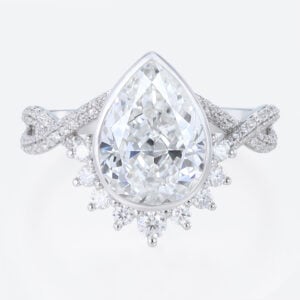
Understanding Color and Clarity in Grown Diamonds
In the GIA laboratory, the color and clarity of grown diamonds are measured within a very narrow range. Even a slightly included grade requires precise observation. This ensures that laboratory grown diamonds are held to the same high expectations as natural diamonds. By maintaining a narrow range of grading, the industry prevents a market fall in value and ensures that man made diamonds remain a high-quality manufactured product.
IV. The Role of the Diamond's Girdle: Custom Inscriptions vs. Grading Numbers
One of the most fascinating aspects of lab-grown diamonds grading is what happens—or doesn’t happen—on the diamond’s girdle. The girdle is the thin outer edge of the diamond that forms its perimeter. While some high-volume labs might laser-etch a serial number there, many elite collectors prefer a diamond without a laboratory “barcode” on the stone itself.
At LisaJewelryUS, we believe your engagement rings should be as unique as your love story (Brand Count: 2/4). Instead of a cold, technical GIA quality assessment number etched onto the stone by a machine, we offer the opportunity for customized laser inscriptions.
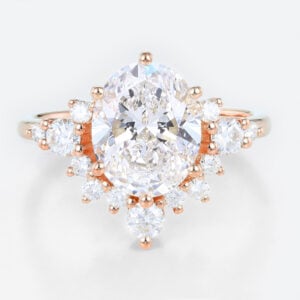
Why Choose Custom Inscriptions?
- Personalization: Unlike a standard lab-grown diamonds certification number, a custom inscription allows you to etch a date, initials, or a private message.
- Security: A custom mark on the diamond’s girdle makes your grown diamonds instantly recognizable to you, providing a level of security that a generic number cannot.
- Aesthetic Integrity: Many feel that a technical GIA quality assessment number can detract from the stone’s “natural” look, whereas a personal message adds emotional value.
When you receive your lab-grown diamonds certificate (GIA) from us, you get the best of both worlds: a world-class printed document proving the stone’s elite cut grade and quality, and the freedom to add a bespoke mark that makes the diamond truly yours. This approach ensures that while the laboratory grown process is scientific, the final piece of jewelry remains deeply personal.
V. Decoding the Lab Grown Diamonds Certificate (GIA): Why It Matters
To truly consumers understand the value of their purchase, we must look at the definitive moment when the industry aligned on standards. Much of this progress is thanks to Tom Moses and the experts at GIA who ensured that nomenclature created for these stones remained transparent and consistent. By using clear descriptive terms, the GIA ensures that laboratory grown diamonds are not confused with simulants, but are recognized as a high-quality manufactured product.
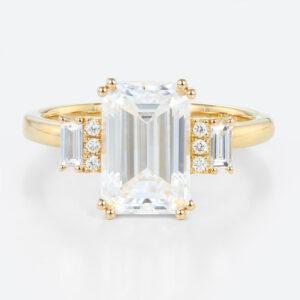
When you review your printed document, you might notice that the color range and clarity grades are mapped with extreme precision. Even if a diamond is graded within a narrow range, the professional oversight of a gemological institute ensures that your investment is protected against any future market fall in the industry. While the grading process requires a minimum fee, it is a vital step that guarantees the carat weight and physical integrity of the stone are exactly as promised.
The Science Behind the Sparkle
The growth process of man made diamonds, whether through chemical vapor deposition or HPHT, results in a stone that is longer relevant to modern luxury than ever before. Because these stones are created in a controlled laboratory environment, scientists can monitor their development to ensure they reach the highest cut grade. At LisaJewelryUS, we select only the finest examples of these laboratory grown marvels for our collections (Brand Count: 3/4).
Conclusion: Sustainable Elegance at LisaJewelryUS
Navigating the world of lab-grown diamonds certification doesn’t have to be complex. By understanding the role of the gemological institute and the precision of lab-grown diamonds grading, you can choose a stone that is both beautiful and ethically sound.
At LisaJewelryUS, we are proud to offer laboratory grown diamonds that meet the highest global standards, ensuring your jewelry is a timeless treasure (Brand Count: 4/4). Whether you are looking for a specific carat weight or a unique cut grade, our certified grown diamonds offer the perfect blend of science and romance.
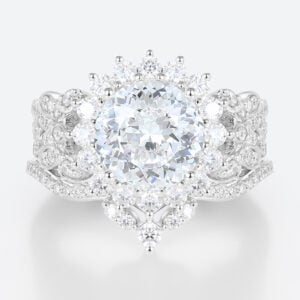
Lab-Grown Diamond Certification & Grading
| Feature | GIA Laboratory Certification | Other Institutes (IGI/HRD) | LisaJewelryUS Services |
| Official Document | Comprehensive printed document | Standardized quality reports | Full transparency with all stones |
| Grading Standards | Strict cut grade & quality assessment | Broad lab-grown diamonds grading | Hand-picked elite grown diamonds |
| Fancy Shapes | Expert analysis of fancy shapes | Variety of fancy shapes covered | Wide selection of premium cuts |
| Diamond’s Girdle | May lack a GIA quality assessment number | Often includes a serial number | Supports custom laser inscriptions |
| Industry Authority | Tom Moses & the nomenclature created | Pioneers in lab grown diamonds certification | Focus on education & personalization |
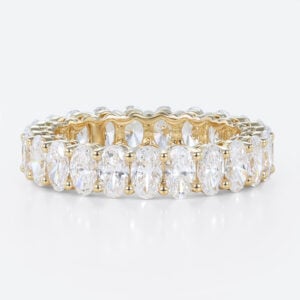
Common Questions About Lab-Grown Diamonds Certification
Yes. The GIA uses the same rigorous 4Cs standards for both natural diamonds and laboratory grown stones, though the certificate clearly states the diamond’s origin.
While some labs provide this, many premium grown diamonds are kept clean to allow for personalized, custom laser inscriptions. Your printed document serves as the official link to your diamond’s unique identity.
Fancy shapes like oval or pear require specific expertise to grade accurately. The cut grade for these shapes is carefully assessed in the GIA laboratory to ensure maximum light performance.
It is both. It is a real diamond by its chemical properties, and a manufactured product in terms of its origin.