





































 Moss Agate
 Moissanite
 Salt & Pepper Diamond
 Opal
Opal
 Moonstone
 Ruby
Ruby Morganite
 Black Rutilated Quartz
 Black Onyx
 Sapphire
 Green Blue Sapphire
 Green Sapphire
  White Sapphire
  Pink Sapphire
  Amethyst
  Aquamarine
  Blue Topaz
  Blue Sandstone
 Tanzanite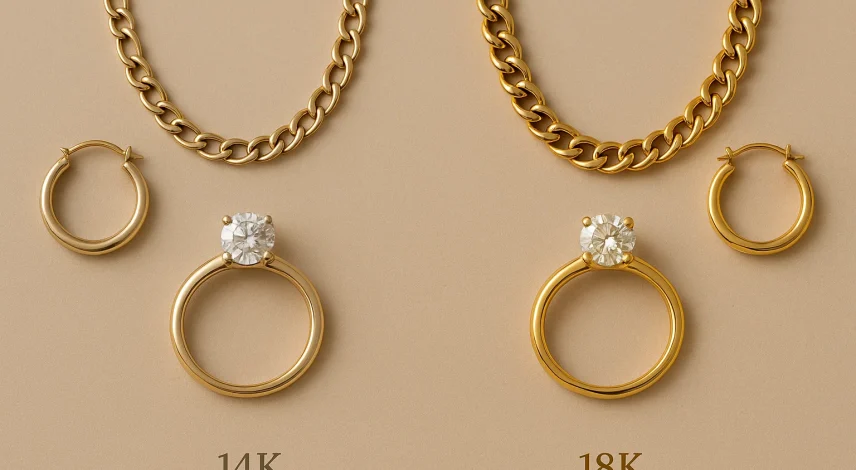
Gold has long been cherished for its timeless beauty and symbolism of wealth, love, and commitment. Whether you’re shopping for an engagement ring, a necklace, or a pair of everyday earrings, you’ve likely come across terms like “14K” and “18K” gold. These numbers may seem technical at first glance, but they play a crucial role in determining the look, feel, and value of your jewelry.
At LisaJewelryUS, we offer handcrafted pieces in both 14K and 18K gold, and we often get asked: which one is better? The answer depends on your lifestyle, personal preferences, and how you plan to wear the jewelry. In this guide, we’ll break down the differences between 14K and 18K gold—so you can make a confident, informed decision.
I. What Is Karat Gold?
Before diving into the pros and cons of 14K vs 18K, it’s important to understand what “karat” really means.
Karat (abbreviated as “K”) is a measure of gold’s purity. Pure gold is labeled as 24K, meaning it contains 100% gold and no other metals. However, pure gold is soft and prone to scratching or bending, making it less ideal for everyday jewelry. That’s why gold is often mixed with other metals—such as silver, copper, or palladium—to enhance its strength and durability.
- 14K gold contains approximately 58.5% pure gold and 41.5% alloy metals, making it more durable and affordable.
- 18K gold contains around 75% pure gold and 25% alloy metals, giving it a richer color and higher value.
Understanding the karat system is the first step toward choosing a piece of gold jewelry that fits your needs—whether you’re drawn to the durability of 14K or the luxury of 18K.
II. 14K Gold: Features, Pros & Cons
What makes 14K gold so popular? With approximately 58.5% pure gold and 41.5% alloyed metals—typically copper, silver, nickel, or zinc—14K gold strikes a desirable balance between luxury and practicality. This composition enhances the metal’s hardness and resistance to wear, making it a favorite choice for daily-wear jewelry.
Advantages of 14K Gold
Exceptional Durability
One of the strongest qualities of 14K gold is its resistance to scratches and dents. The added alloy metals increase its hardness, making it ideal for items like engagement rings and bracelets that endure frequent contact with hard surfaces. If you lead an active lifestyle or work with your hands, 14K gold may be the more resilient option.
Cost-Effective Elegance
Because it contains less pure gold than 18K, 14K gold is more affordable while still offering the luster and warmth gold is known for. For those who want quality without a premium price tag, 14K offers excellent value.
Wide Range of Colors
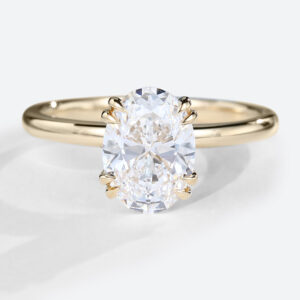
14K gold is available in yellow, white, and rose tones. Each color variation is achieved by adjusting the metal alloy blend—for example, more copper results in a richer rose gold, while more nickel and zinc produce a silvery white gold.
Disadvantages of 14K Gold
Lower Gold Content
Some may find that 14K gold lacks the rich, buttery tone associated with higher-karat gold. It has a slightly paler hue compared to 18K, especially noticeable in yellow or rose gold pieces.
Potential for Skin Reactions
Due to the higher percentage of alloy metals, particularly nickel, 14K gold may cause irritation for people with metal sensitivities. While not common, this is something to consider if you have reactive skin.
For those searching for durable, everyday gold jewelry, 14K remains a smart and stylish investment.
III. 18K Gold: Features, Pros & Cons
With 75% pure gold and just 25% alloy metals, 18K gold offers a purer, richer alternative for those who value authenticity, tradition, and luxury. Its higher gold content gives it a deeper hue and makes it a sought-after material for fine jewelry and heirloom pieces.
Advantages of 18K Gold
Rich, Luxurious Color
The most immediate benefit of 18K gold is its unmistakably rich appearance. Yellow 18K gold, for instance, has a more intense golden hue, while rose and white versions exhibit more saturated tones. If aesthetics and visual impact are your priorities, 18K gold offers unmatched warmth and elegance.
Hypoallergenic Properties
With fewer alloy metals—especially those known to cause allergic reactions—18K gold is generally well-tolerated by sensitive skin. It’s an excellent choice for earrings, wedding bands, or any piece that will be worn daily and in close contact with the skin.
Symbol of Prestige
18K gold is often chosen for wedding jewelry or custom-designed statement pieces because it represents refinement and permanence. Its purity aligns with the symbolism of love, commitment, and status.
Disadvantages of 18K Gold
Less Durable than 14K
The higher gold content, while beautiful, comes at a cost: softness. 18K gold is more prone to bending and scratching over time, particularly if worn daily or exposed to physical stress. This is especially important to consider for rings or bracelets.
Higher Price Point
As expected, more gold means a higher cost. 18K jewelry is often significantly more expensive than 14K equivalents, making it less accessible for budget-conscious buyers.
Despite these drawbacks, 18K gold jewelry appeals to those who prioritize richness in color, purity of material, and long-term symbolic value.
IV. Appearance: Does 14K Look Different from 18K?
When it comes to visual appeal, the difference between 14K and 18K gold is subtle—but noticeable, especially to a trained eye or under natural lighting.
Color Comparison
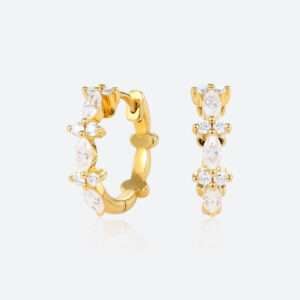
18K yellow gold exhibits a deeper, richer tone that reflects its higher gold content. It has a saturated golden hue—sometimes described as more “buttery” or vibrant. In contrast, 14K yellow gold appears slightly paler and less intense due to the higher ratio of alloy metals.
Rose gold’s romantic blush is influenced heavily by the amount of copper used in the alloy. 14K rose gold, with more alloy metals, typically has a stronger pinkish hue, whereas 18K rose gold leans warmer and subtler in color.
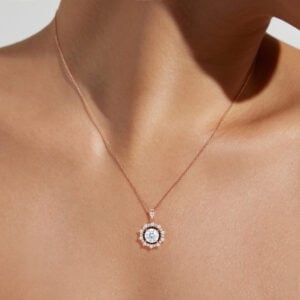
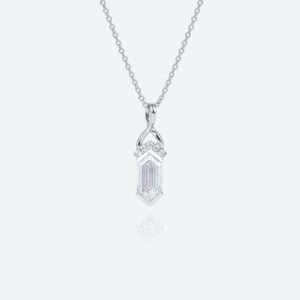
Both 14K and 18K white gold are often rhodium-plated to enhance their silvery-white appearance. Without plating, 18K white gold tends to have a faint yellow tint due to its higher gold content, while 14K white gold looks whiter and cooler because of its alloy composition.
Shine and Luster
Because 18K gold contains more pure gold, it generally exhibits a softer, more radiant glow—ideal for pieces designed to stand out. On the other hand, 14K gold has a sharper, more reflective finish that gives it a modern and polished appearance, especially when new.
Aging and Patina
Over time, both 14K and 18K gold develop a patina—a subtle change in surface texture and sheen. 14K may retain its shine longer due to its hardness, while 18K develops a softer, antique-like glow that appeals to those who love vintage aesthetics.
Ultimately, your choice may come down to preference: Do you prefer the bright crispness of 14K or the mellow richness of 18K?
V. Which Is Better for Engagement Rings, Necklaces, or Daily Wear?
Choosing between 14K and 18K gold isn’t just about purity or price—it’s also about how and where you plan to wear the jewelry.
For Engagement Rings & Wedding Bands
These pieces are subject to daily wear and frequent contact with hands, water, and hard surfaces. That’s why 14K gold is often recommended for engagement rings and wedding bands—it resists scratches and holds its shape better over time.
However, if you’re drawn to a more luxurious look and don’t mind a bit of extra care, 18K gold can be an exquisite and meaningful choice. Many premium bridal jewelers use 18K gold to emphasize romance and elegance.
For Necklaces and Earrings
These items are generally less exposed to abrasion, making 18K gold a great option for statement necklaces or heirloom earrings. Its vivid color and hypoallergenic nature make it especially suitable for delicate pieces that sit against the skin.
Meanwhile, 14K gold is ideal for everyday chains and studs, offering a practical balance of strength and beauty.
For Everyday Jewelry
Think stacking rings, bangle bracelets, or everyday pendants—jewelry that gets frequent use. 14K gold is the practical winner here. Its resilience means it’ll withstand active lifestyles and less careful handling.
Still, for special-occasion pieces or gifts that symbolize something precious, 18K gold can convey deeper emotional and aesthetic value.
VI. Price Difference Between 14K and 18K Gold
When comparing 14K vs 18K gold price, it’s essential to understand that the cost difference stems primarily from purity. Gold is traded on global markets by weight, and the higher the gold content, the more expensive the material.
Material Value
- 14K gold contains 58.5% pure gold, while the rest is composed of alloy metals that have significantly lower value.
- 18K gold contains 75% pure gold, making it substantially more valuable per gram.
This means that, for two identical pieces of jewelry in design and weight, the 18K version can cost 20% to 35% more than the 14K version, depending on current gold prices and craftsmanship involved.
Craftsmanship and Market Position
Fine jewelers often reserve 18K gold for high-end or bespoke designs, which can further increase the price due to the complexity of working with softer, more malleable gold. On the other hand, 14K gold jewelry is more commonly mass-produced, making it more accessible to a wider market.
Long-Term Investment
If you’re considering jewelry as a form of investment, 18K gold holds more intrinsic value due to its higher gold content. However, for pieces that will be worn daily or that might require resizing or repair, 14K gold can offer a better balance between longevity and price.
In short, the price difference reflects not just the material, but the purpose: 14K suits function, 18K reflects form.
Final Thoughts: Which One Should You Choose?
The choice between 14K and 18K gold is not about right or wrong—it’s about aligning your priorities with your lifestyle.
Choose 14K gold if:
- You want a piece for everyday wear.
- Durability and resistance to scratching are important.
- You have a modest budget but still want real gold.
- You prefer a lighter or cooler color tone.
Choose 18K gold if:
- You value richness of color and gold purity.
- You’re purchasing a sentimental or heirloom piece.
- You have sensitive skin and want a more hypoallergenic metal.
- You’re investing in fine jewelry for special occasions.
At LisaJewelryUS, we believe jewelry should be both beautiful and meaningful. Whether you choose the practicality of 14K or the prestige of 18K, our handcrafted gold pieces are designed to complement your story—with quality that lasts for generations.


