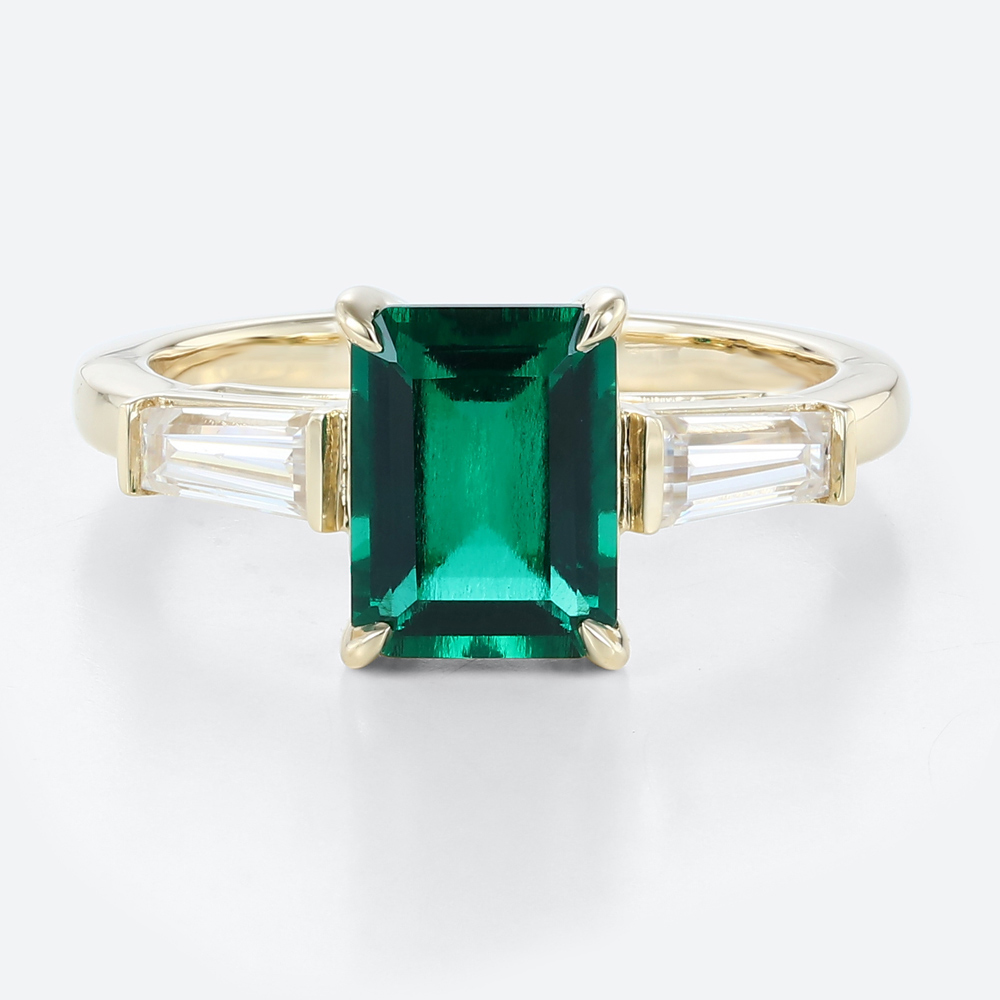
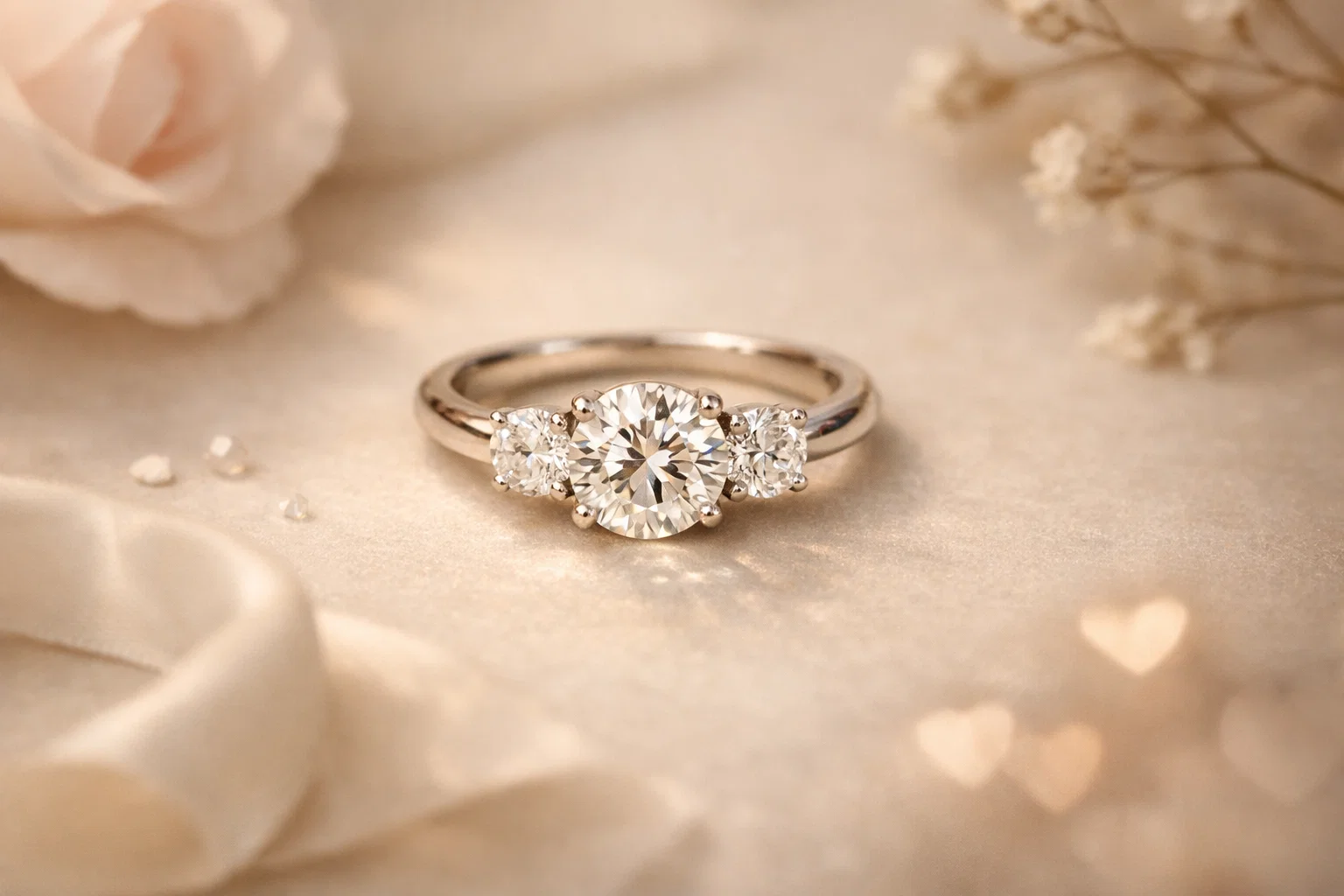
If you’re thinking about proposing on Valentine’s Day, the ring you choose carries more weight than it does on any other date. This isn’t just a gift exchange—it’s a moment that marks a turning point in your relationship. That’s why many couples are drawn to 3 stone engagement rings for Valentine’s Day proposals.
Unlike single-stone designs that focus purely on visual impact, a 3 stone engagement ring tells a story. Each stone represents a different chapter—where you’ve been, where you are now, and where you’re going together. For a holiday rooted in love, memory, and commitment, that symbolism feels especially fitting.
In this guide, we’ll break down what 3 stone engagement rings truly mean, why they resonate so strongly with Valentine’s Day proposals, and how their emotional value goes beyond aesthetics. Whether you’re early in your search or narrowing down meaningful options, this article is designed to help you choose with confidence—not pressure.
I. What Does a 3 Stone Engagement Ring Mean?
At its core, the meaning of a 3 stone engagement ring is simple but powerful: it represents the past, present, and future of a relationship. While the design has been around for decades, its symbolism remains one of the most emotionally resonant in engagement jewelry.
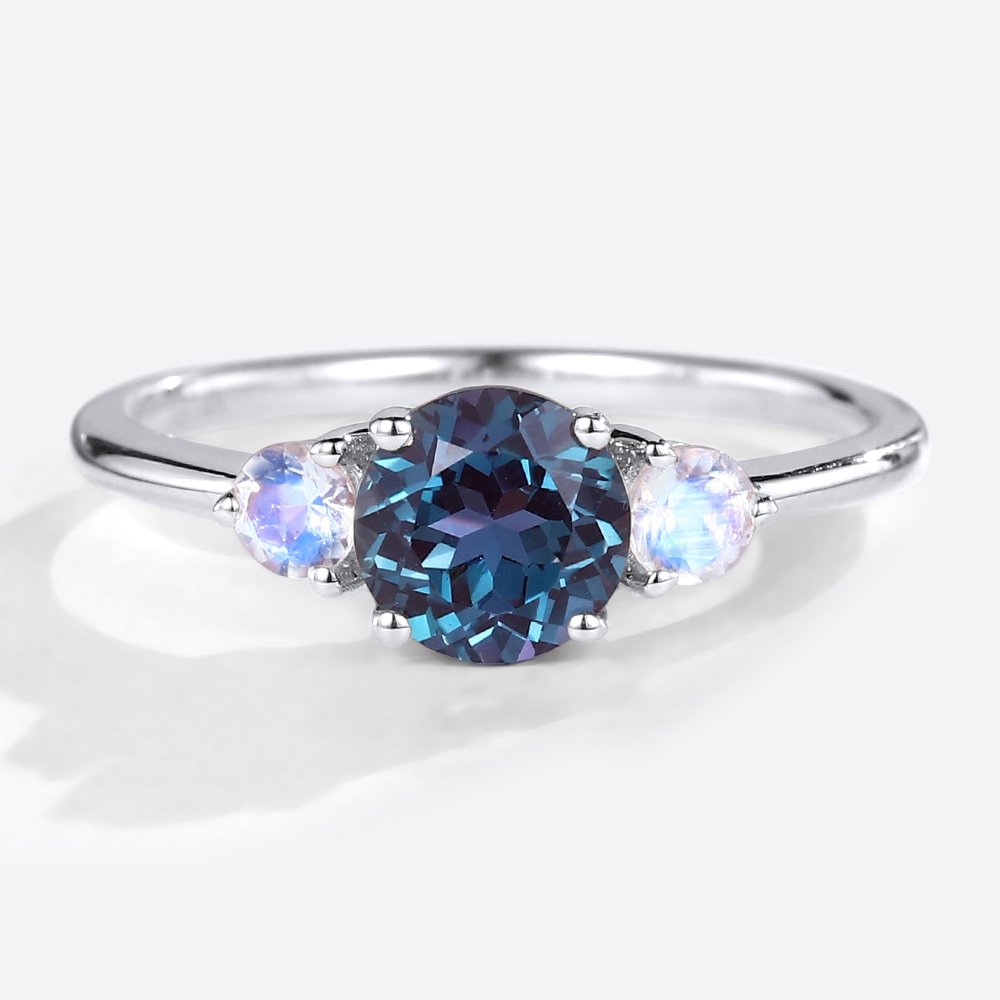
Past, Present, and Future Explained
Each stone in a 3 stone engagement ring traditionally symbolizes a different phase of your journey together:
- The past reflects shared memories—how you met, what you’ve built, and the experiences that shaped your bond.
- The present represents the moment of commitment, the decision to move forward together.
- The future stands for what lies ahead: growth, partnership, and a life still unfolding.
This layered meaning is what sets 3 stone engagement rings apart from more minimalist styles. Rather than focusing on a single moment, the design honors the entire relationship timeline. For many couples, that feels more authentic—especially if the proposal follows years of shared history.
Emotional Meaning Beyond Tradition
While the past-present-future interpretation is the most common, modern couples often bring their own meaning to a three-stone design. Some see the stones as symbols of friendship, love, and loyalty. Others view them as a balance of individuality, partnership, and unity.
This flexibility is part of the appeal. A 3 stone engagement ring doesn’t impose a single narrative; it invites personal interpretation. That makes it especially meaningful for couples who value intention and emotional depth over trends.
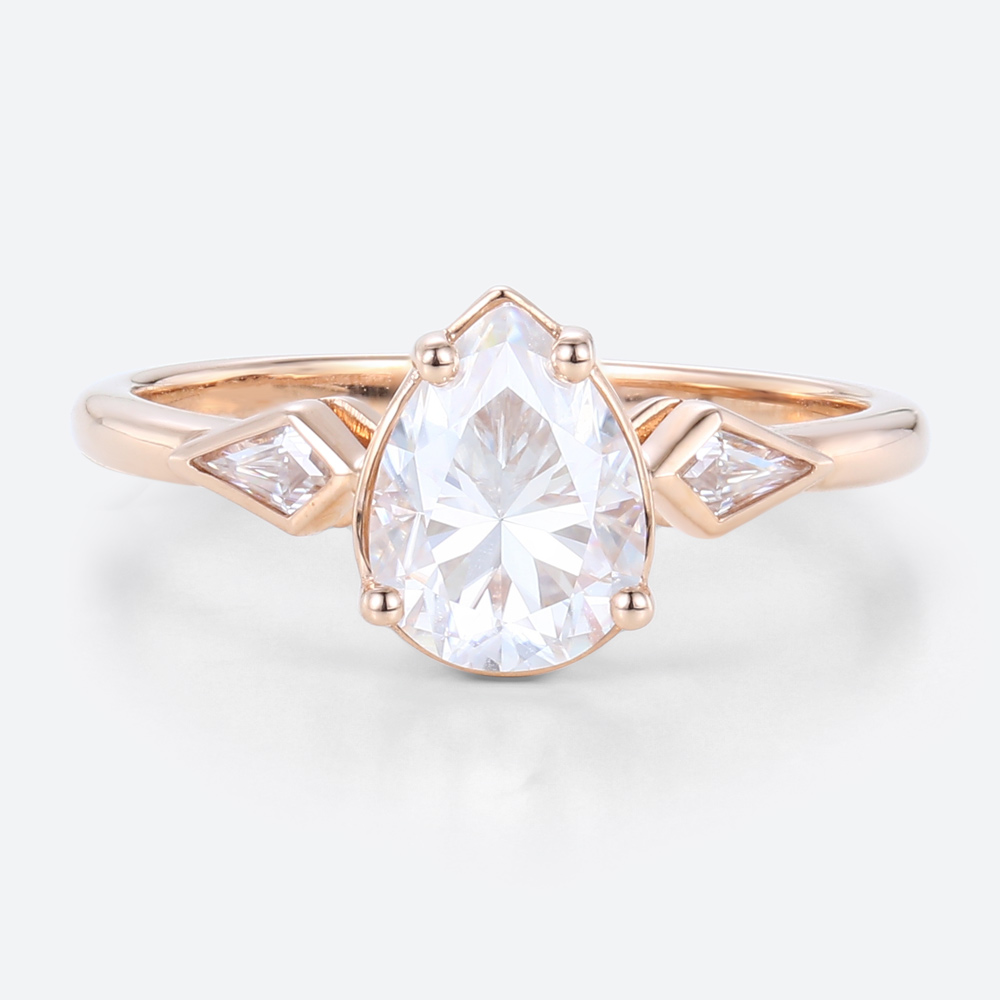
II. Why 3 Stone Engagement Rings Feel Especially Right for Valentine’s Day
Valentine’s Day proposals tend to carry a different emotional tone than engagements at other times of the year. The holiday is already associated with reflection, affection, and shared memories—making symbolism matter more than ever.
A Ring That Matches the Meaning of the Moment
Valentine’s Day isn’t about grand gestures alone. It’s about acknowledgment: recognizing how far you’ve come and intentionally choosing what comes next. A 3 stone engagement ring aligns naturally with that mindset. Instead of representing love in a single snapshot, it mirrors the idea that relationships evolve over time.
For many people, proposing on Valentine’s Day feels like a declaration of continuity—not just romance, but long-term commitment. The three-stone design reinforces that message without needing explanation, which is why it’s often chosen for emotionally significant proposals.
Romantic Without Feeling Overdone
One concern some people have when planning a Valentine’s Day proposal is the fear of it feeling predictable or overly staged. Three-stone engagement rings tend to avoid that problem. They’re romantic, but not flashy. Symbolic, but not performative.
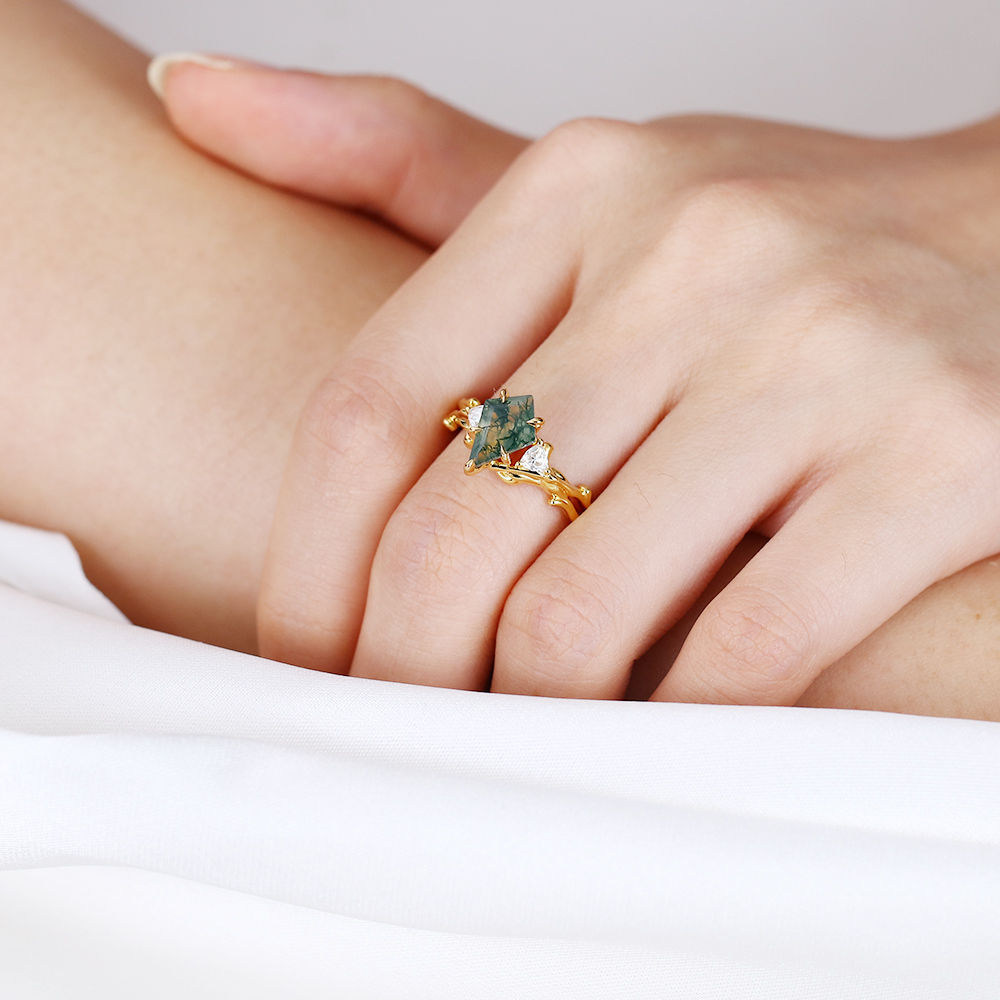
Because the design is timeless rather than seasonal, it doesn’t feel tied to a trend or a moment in pop culture. Years from now, the ring still carries the same meaning—something that matters to couples who see Valentine’s Day as the beginning of a lifelong story, not just a single romantic evening.
III. Popular 3 Stone Engagement Ring Designs and What They Represent
Not all 3 stone engagement rings communicate the same feeling. While the three-stone structure stays consistent, variations in stone shape, size, and setting can subtly change both the visual balance and emotional tone of the ring. Understanding these differences helps you choose a design that truly reflects your relationship.
Center-Stone Dominant Designs
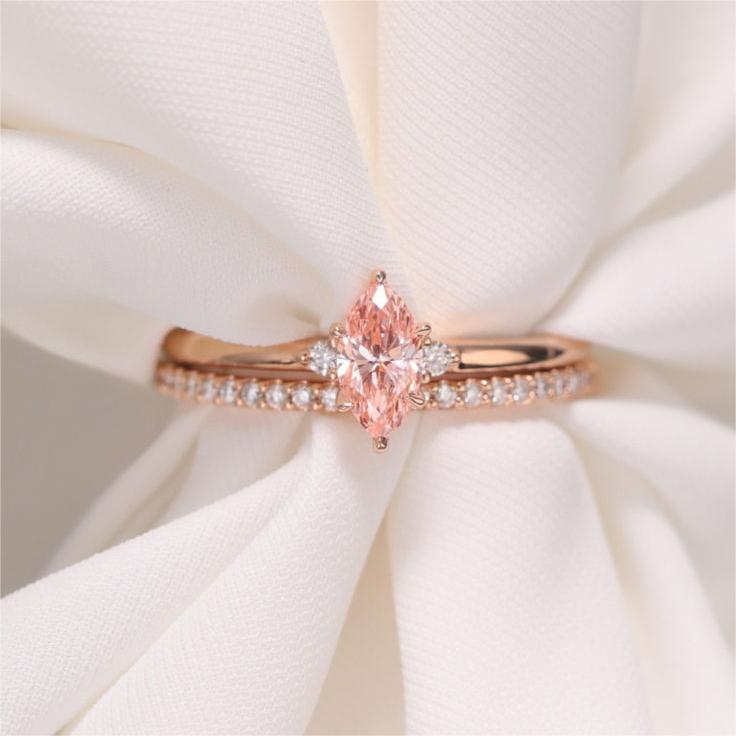
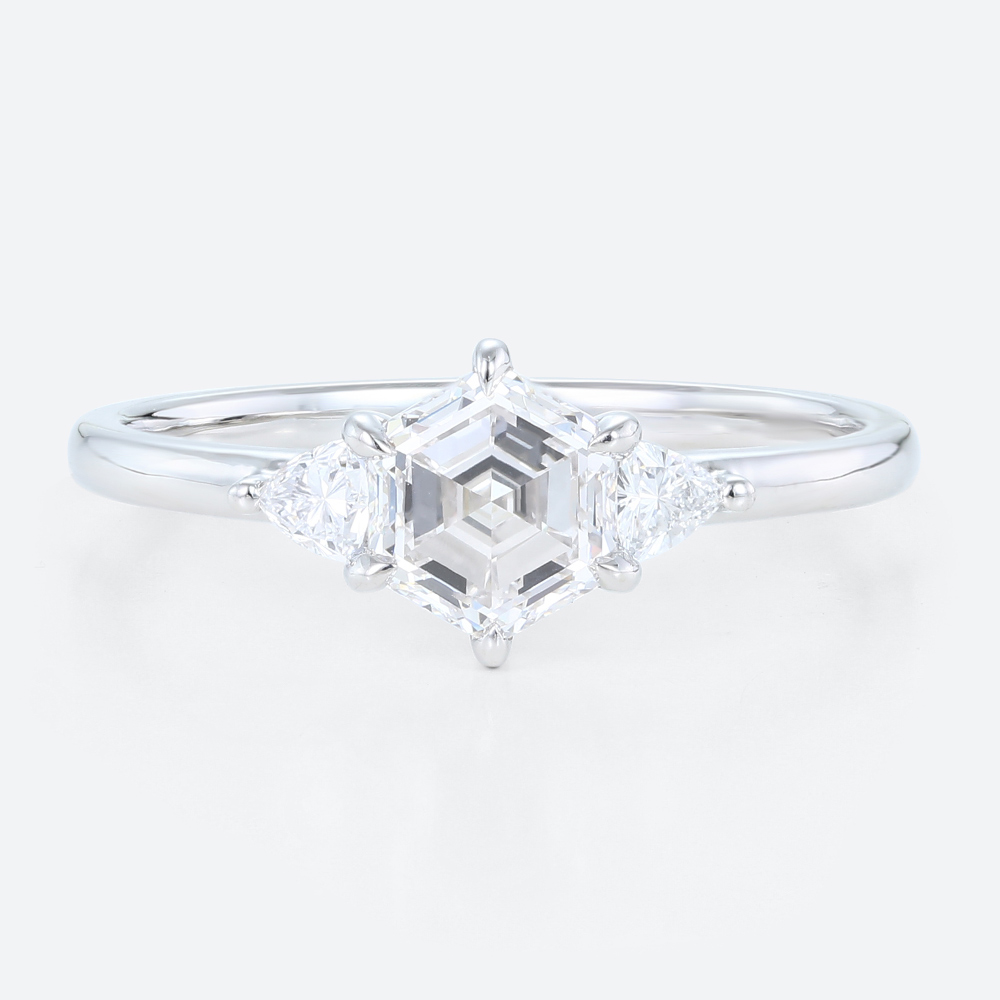
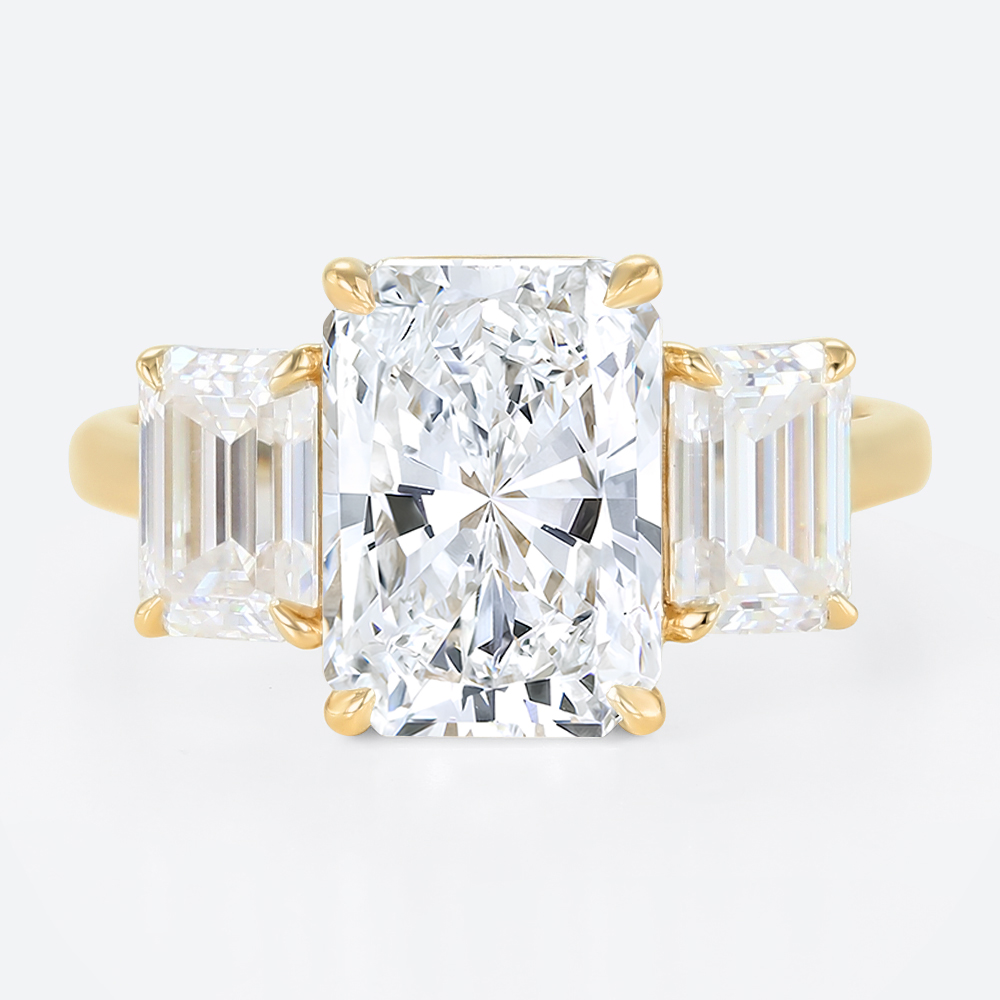
One of the most common styles places a larger center stone between two slightly smaller side stones. In this design, the center stone represents the present—the commitment you’re making now—while the side stones symbolize the past and the future.
This style works well for couples who value clarity and focus. Visually, it draws the eye inward, emphasizing the proposal moment itself, while still honoring the journey surrounding it. For Valentine’s Day proposals, this balance often feels intentional rather than dramatic.
Three Stones of Equal Size
Some 3 stone engagement rings feature stones of equal size, creating a symmetrical and harmonious look. Symbolically, this design suggests that the past, present, and future are equally important—no single phase outweighs the others.
This style is often chosen by couples who see their relationship as a partnership built on mutual growth. There’s a sense of stability and balance here, which resonates with those who value emotional consistency over grand statements.
Mixed Stone Shapes or Colors
Modern three-stone designs sometimes incorporate different shapes or even different gemstones. For example, pairing a round center diamond with tapered baguettes, or adding subtle color contrast, allows for deeper personalization.
Rather than weakening the symbolism, this approach often strengthens it. Different stones can represent individuality within unity—two people coming together without losing their distinct identities. For Valentine’s Day, this kind of thoughtful detail often feels more meaningful than a traditional formula.
IV. How to Choose the Right 3 Stone Engagement Ring for a Valentine’s Day Proposal
Choosing a 3 stone engagement ring isn’t about finding the “best” option—it’s about finding the right one for your partner and your story. Valentine’s Day proposals tend to be emotionally charged, so thoughtful decision-making matters more than following trends.
Consider Lifestyle and Long-Term Wear
Three-stone designs naturally have more presence than single-stone rings, so it’s important to think about how the ring fits into everyday life. If your partner prefers understated jewelry, a lower-profile setting or slimmer side stones can maintain comfort without sacrificing meaning.
For someone who enjoys expressive pieces, a slightly bolder three-stone silhouette may feel more aligned with their personal style. The key is choosing a design that feels wearable not just on proposal day, but for years afterward.
Match the Design to the Proposal Style
Valentine’s Day proposals vary widely—from quiet, private moments to carefully planned surprises. The ring should reflect that energy. A classic three-stone ring pairs naturally with intimate proposals, where symbolism speaks louder than spectacle.
If the proposal itself is more elaborate, a distinctive three-stone design can complement the occasion without feeling excessive. The goal is harmony between the moment and the ring, not competition for attention.
Focus on Meaning Before Size
Because 3 stone engagement rings already carry strong symbolism, they don’t rely on size to feel impactful. Many couples find that emotional meaning outweighs carat weight, especially for Valentine’s Day proposals where intention matters most.
When a ring reflects shared history and future plans, its value becomes personal rather than purely visual. That’s often what makes a Valentine’s Day engagement truly memorable.
V. Why 3 Stone Engagement Rings Are a Timeless Valentine’s Day Choice
Valentine’s Day proposals are often remembered not because of how elaborate they were, but because of how intentional they felt. This is one reason 3 stone engagement rings continue to resonate so deeply with couples choosing to propose on this day.
Unlike trend-driven designs that can feel tied to a specific moment in time, three-stone rings are built on a story that never expires. Love evolves, relationships grow, and commitments deepen—this ring design mirrors that progression naturally.
A Design Rooted in Emotional Continuity
The symbolism of past, present, and future aligns seamlessly with Valentine’s Day, a holiday that celebrates not just romance, but commitment. A three-stone ring doesn’t freeze love in a single moment; it acknowledges where you’ve been and where you’re going.
For many couples, this feels more authentic than a purely aesthetic choice. The ring becomes a reflection of shared experiences rather than just a visual statement.
Meaning That Doesn’t Rely on Trends
Minimalism, maximalism, vintage styles—design trends come and go. What sets 3 stone engagement rings apart is that their emotional significance doesn’t depend on fashion cycles.
This makes them especially appealing for Valentine’s Day proposals, where sentiment often matters more than novelty. Choosing a ring with enduring symbolism can feel like a promise that extends beyond the holiday itself.
A Balance of Romance and Intention
Valentine’s Day is inherently romantic, but proposals also carry weight. Three-stone rings strike a balance between emotional warmth and thoughtful decision-making. They communicate love without exaggeration and commitment without pressure.
That balance is often what makes the moment feel sincere rather than performative.
VI. Is a 3 Stone Engagement Ring the Right Choice for Your Proposal?
While 3 stone engagement rings carry powerful meaning, the right ring is ultimately the one that reflects your relationship—not just tradition or symbolism.

When a Three-Stone Ring Makes Sense
This design often feels right for couples who:
- Value emotional depth over trends
- See their relationship as a journey, not a single milestone
- Prefer symbolism that can be explained, not just admired
If your proposal is rooted in shared history and long-term intention, a three-stone ring naturally reinforces that narrative.
When You Might Consider Other Styles
That said, some people prefer simplicity above all else. If your partner leans strongly toward minimal jewelry or explicitly prefers a single-stone look, honoring that preference matters more than symbolism.
The strength of a proposal doesn’t come from choosing the “most meaningful” ring—it comes from choosing the right one for the person you’re proposing to.
Let the Ring Support the Moment, Not Define It
Ultimately, the role of an engagement ring is to support the story you’re telling, not to overshadow it. For Valentine’s Day proposals especially, authenticity carries more weight than perfection.
A 3 stone engagement ring works best when it feels like a natural extension of your relationship—quietly meaningful, deeply personal, and built to last.