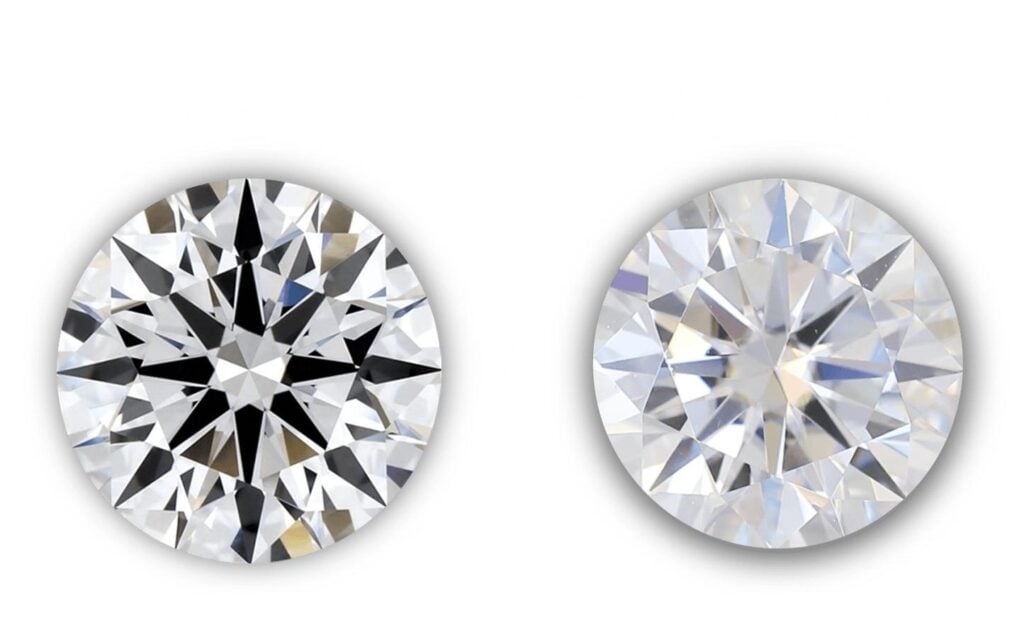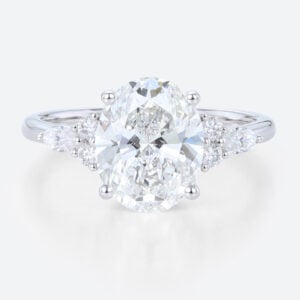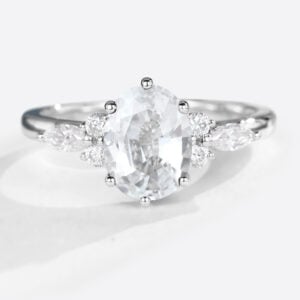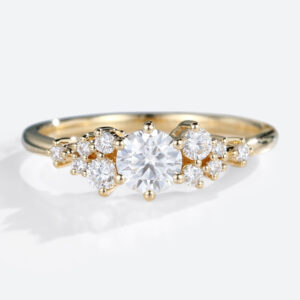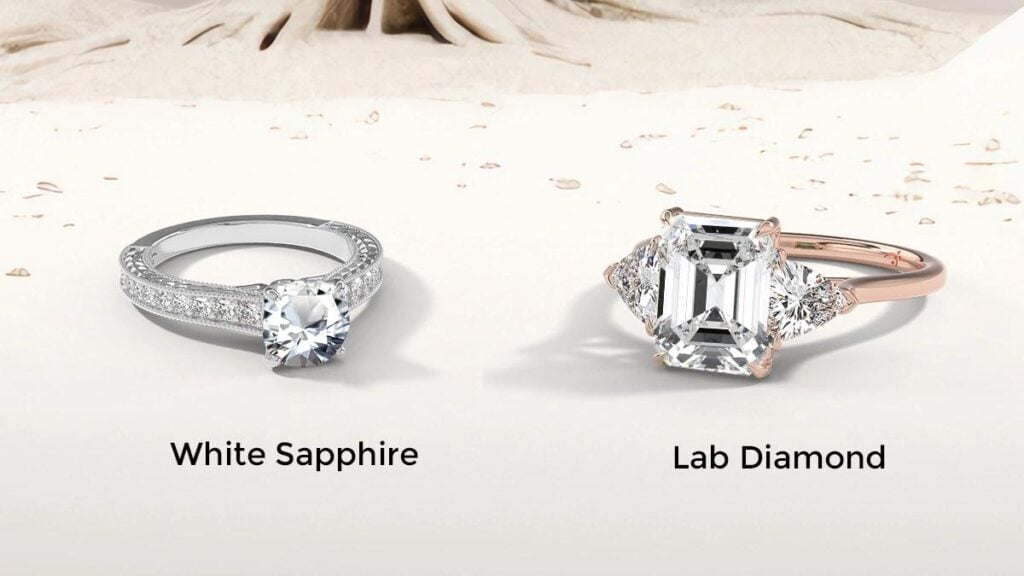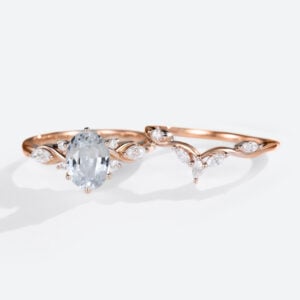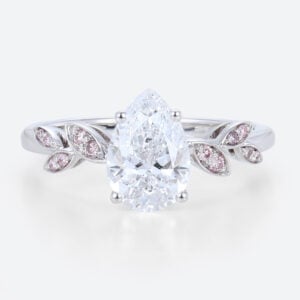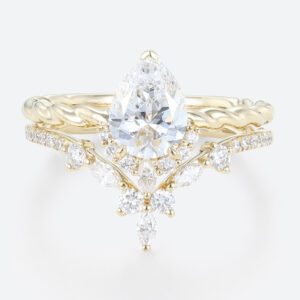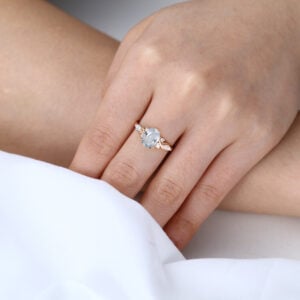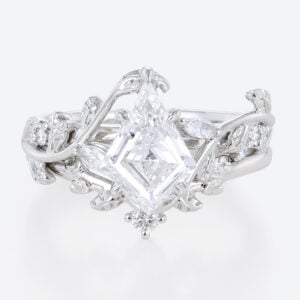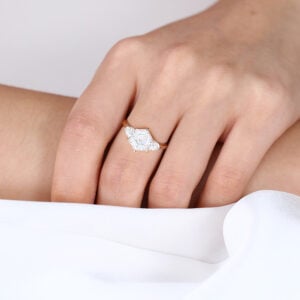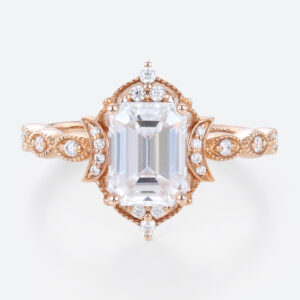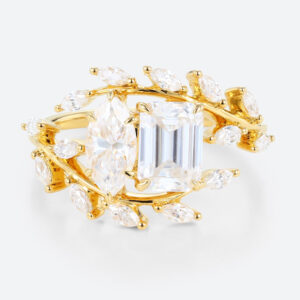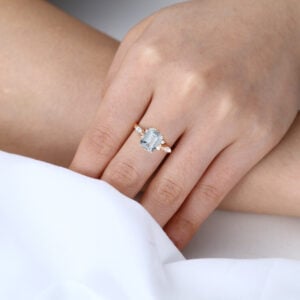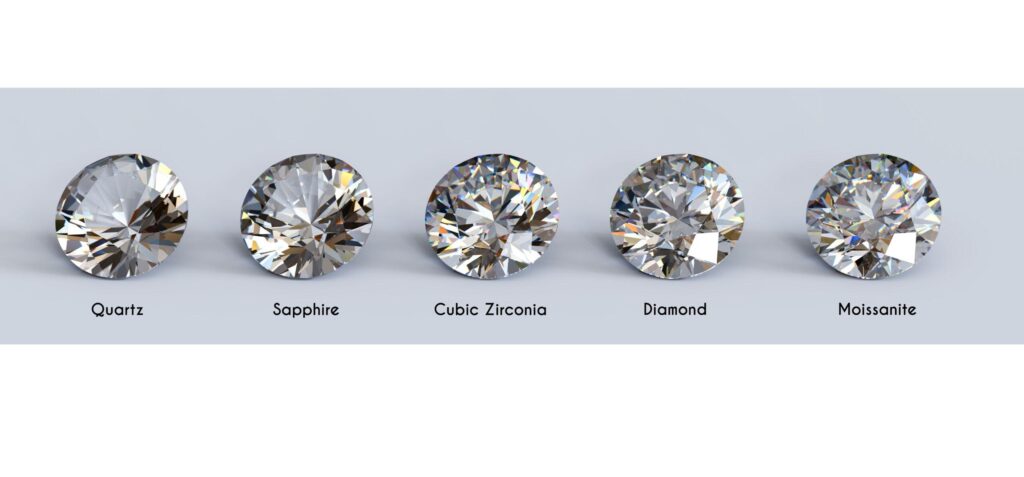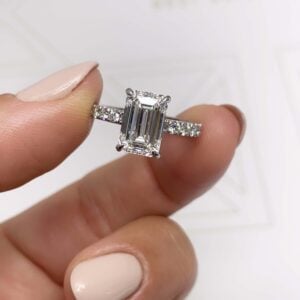



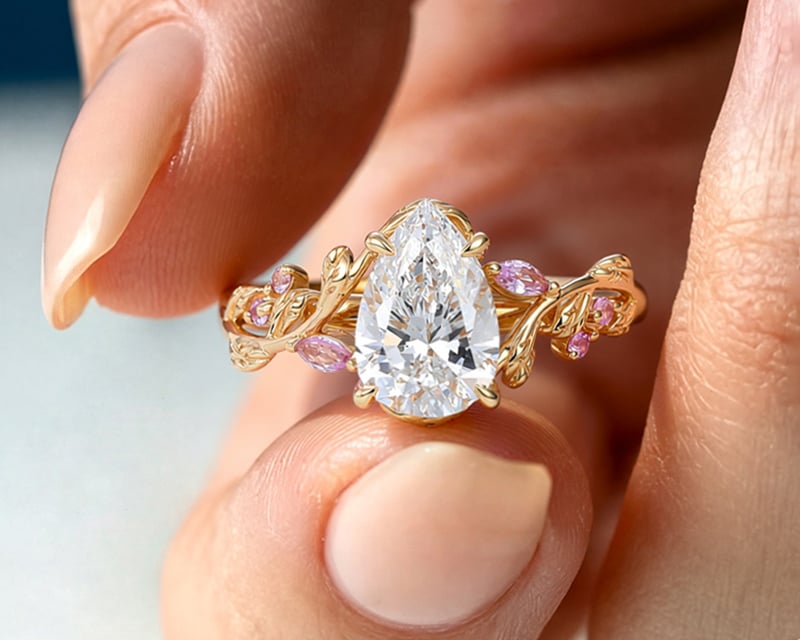







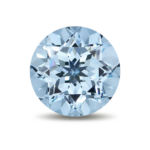


At first glance, white sapphire and lab diamonds can look surprisingly similar.
Both are:
colorless gemstones
popular in engagement rings
used in modern fine jewelry
But when you compare them closely, the differences become much more noticeable.
So, in the debate of lab diamond vs white sapphire, which one actually shines brighter?
👉 In most cases, lab diamonds offer:
stronger sparkle
higher brilliance
better light reflection
while white sapphires tend to create a softer and more subtle appearance.
That doesn’t necessarily make white sapphire a bad choice—it simply creates a different look and experience.
Why White Sapphire Became a Popular Diamond Alternative
For years, white sapphires have been used as a more affordable alternative to diamonds.
Because they are:
durable
elegant
naturally colorless
many buyers choose them for:
engagement rings
minimalist jewelry
budget-friendly fine jewelry
White sapphires also resemble diamonds from a distance, especially in smaller carat sizes.
However, they do not produce the same level of brilliance as diamonds.
Why Lab Grown Diamonds Are Different
Unlike simulants, lab grown diamonds are real diamonds.
They share the same:
chemical structure
physical properties
optical performance
as mined diamonds.
The only difference is origin.
While natural diamonds form underground over millions of years, lab diamonds are created using advanced methods like:
chemical vapor deposition
high-pressure high-temperature growth systems
Because of this, a lab diamond reflects light the same way a mined diamond does.
That means:
👉 more sparkle, more fire, and stronger brilliance.
Why This Comparison Matters for Engagement Rings
When choosing an engagement ring, appearance matters—but long-term wear matters too.
Many buyers comparing:
want to understand:
which stone stays brighter
which looks more luxurious
which offers better long-term value
And that’s why this comparison has become increasingly popular among modern jewelry buyers.
II. Lab Created Diamond vs White Sapphire Key Differences Explained
Although white sapphires and lab diamonds may appear similar at first, they are actually very different gemstones.
Understanding those differences helps explain why they shine differently and perform differently over time.
What Is a Lab Created Diamond
A lab created diamond is a real diamond grown in a laboratory instead of mined from the earth.
Lab diamonds are made from crystallized carbon and are:
chemically identical to natural diamonds
physically identical
optically identical
This means they have:
the same exceptional brilliance
the same exceptional hardness
the same durability for everyday wear
as mined diamonds.
To the naked eye, even professional jewelers often cannot distinguish them from natural stones without specialized equipment.
How White Sapphires Are Formed
White sapphires are completely different from diamonds.
They are a variety of corundum, a mineral made primarily of aluminum oxide.
Natural sapphires form underground through geological processes, while some lab created white sapphires are produced in laboratory settings.
Even though white sapphires can resemble diamonds visually, their internal structure reflects light differently.
As a result:
they produce less brilliance
they have softer sparkle
they can appear more glassy under certain lighting conditions
Created White Sapphire vs Natural Sapphire
Both natural and lab-created white sapphires share similar properties because they are the same gemstone material.
The primary difference is simply how they are formed:
natural sapphires develop naturally underground
lab sapphires are grown in controlled environments
However, neither natural nor lab-created white sapphires perform like diamonds in terms of brilliance.
This is because diamonds have:
a higher refractive index
stronger light return
greater sparkle performance
which is why diamonds continue to dominate the engagement ring market.
Why White Sapphire Is Often Compared to Cubic Zirconia
White sapphires are frequently compared to cubic zirconia because both are used as diamond alternatives.
However, there are important differences.
Compared to cubic zirconia:
white sapphires are harder
more durable
more resistant to scratching
But compared to diamonds:
they still produce less brilliance
they reflect less light
they show less fire
This places white sapphire somewhere between cubic zirconia and diamonds in terms of overall appearance and performance.
III. Which Shines Brighter Lab Diamond vs White Sapphire
When people compare lab diamond vs white sapphire, the biggest difference they notice is sparkle.
Although both stones may appear similar at first glance, they reflect light very differently.
In most lighting conditions, lab diamonds appear:
brighter
sharper
more reflective
while white sapphires tend to look softer and less brilliant.
Why Lab Diamonds Reflect More Light
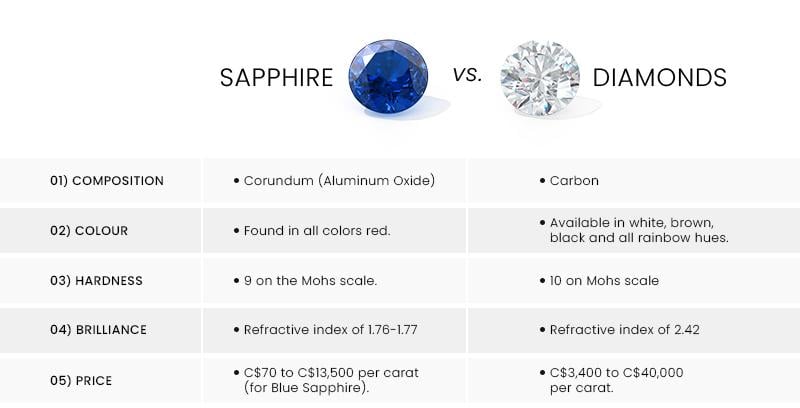
Diamonds are famous for their exceptional brilliance because they have a very high refractive index.
This allows diamonds to:
reflect light more efficiently
create crisp facets
maximize brilliance and sparkle
Lab diamonds share the exact same optical structure as mined diamonds because they are real diamonds.
That means they produce:
bright white light reflection
stronger fire
sharper visual contrast
In comparison, white sapphires have a lower refractive index, so they reflect less light back to the eye.
This is one of the biggest reasons the two stones differ significantly in appearance.
Why White Sapphires Can Look Softer Over Time
White sapphires naturally create a more subtle look.
Instead of intense sparkle, they offer:
softer brilliance
gentler light reflection
a more understated appearance
Some buyers actually prefer this effect because it feels elegant and less flashy.
However, white sapphires can sometimes appear cloudy or slightly dull over long-term wear because their surface does not maintain the same crisp brilliance as diamonds.
This is especially noticeable in:
larger stones
everyday jewelry
heavily worn engagement rings
Fire Brilliance and Sparkle Comparison
Diamonds are known for combining:
brilliance
fire
intense sparkle
This creates the iconic diamond look associated with luxury jewelry.
White sapphires, on the other hand, produce less fire and less dramatic light return.
As a result:
diamonds usually look more vibrant
sapphires appear calmer and softer
diamonds attract more visual attention under bright lighting
For buyers prioritizing maximum brilliance, lab diamonds are typically the stronger choice.
IV. Lab Diamond vs White Sapphire Durability for Everyday Wear
Sparkle is important—but durability matters just as much, especially for jewelry worn every day.
This is where lab diamonds gain another major advantage.
Mohs Hardness Scale Comparison
Diamonds are the hardest natural material on earth.
On the Mohs scale:
diamonds rank 10
sapphires rank 9
While both are durable, diamonds are significantly more resistant to scratching and surface wear over time.
This makes them especially ideal for:
engagement rings
daily wear jewelry
long-term use
Which Stone Scratches More Easily
Although sapphires are durable gemstones, their surfaces can gradually lose crispness after years of wear.
Because diamonds are harder, they maintain:
sharper facet edges
stronger brilliance
cleaner light reflection
for longer periods.
White sapphires can develop:
softer facet definition
reduced sparkle
slight surface dullness
especially when exposed to frequent friction during daily wear.
Why Lab Diamonds Are Better for Long Term Wear
Lab diamonds are:
real diamonds
physically identical to mined stones
designed for maximum durability
Because they resist scratches more effectively, they maintain their appearance better over time.
This makes them particularly popular for:
engagement rings
wedding jewelry
heirloom-quality pieces
where long-term beauty matters.
Best Choice for Engagement Rings
For buyers choosing between:
a white sapphire engagement ring
a lab diamond engagement ring
the best option often depends on priorities.
Choose white sapphire if you want:
a softer appearance
a more accessible price point
a traditional gemstone aesthetic
Choose a lab diamond if you want:
maximum brilliance
stronger durability
long-term sparkle
a true diamond appearance
For most modern buyers seeking everyday durability and luxury sparkle, lab diamonds are typically the preferred option.
V. Lab Diamond vs White Sapphire Price and Value Comparison
Price is one of the main reasons buyers compare white sapphires and lab diamonds.
At first glance, white sapphires seem like the more budget-friendly option—and in many cases, they are.
However, long-term value depends on much more than initial cost.
Why White Sapphire Costs Less
White sapphire is generally less expensive because it is:
more widely available
less optically brilliant
considered a diamond alternative rather than a true diamond
Some lab created white sapphire stones are produced using:
flame fusion
hydrothermal synthesis
controlled gemstone growth techniques
These methods allow manufacturers to create larger stones at lower costs.
This makes white sapphire a popular alternative for:
budget-conscious buyers
fashion jewelry
temporary engagement ring options
Why Lab Diamonds Cost More
Lab diamonds are more expensive than white sapphires because they are real diamonds.
They share the same:
hardness
brilliance
chemical structure
luxury appeal
as mined diamonds.
Creating lab diamonds also requires:
advanced technology
specialized equipment
controlled environments with intense heat and pressure
Because of this, lab diamonds maintain stronger market demand and are increasingly popular in modern fine jewelry.
Which Stone Offers Better Long Term Value
For many buyers, value is not just about spending less money upfront.
It’s also about:
durability
appearance over time
overall luxury experience
White sapphires may save money initially, but lab diamonds often provide:
better sparkle retention
stronger durability
more premium appearance
better long-term satisfaction
That’s why many buyers ultimately see lab diamonds as the better overall investment for everyday jewelry.
VI. White Sapphire vs Cubic Zirconia vs Lab Diamond
Many buyers comparing white sapphires also consider cubic zirconia.
At first glance, these stones can appear similar—but their overall performance differs dramatically.
How Cubic Zirconia Compares to White Sapphire
Compared to cubic zirconia:
white sapphire is harder
more durable
more resistant to scratching
It also tends to look more natural over time.
However, cubic zirconia often creates stronger rainbow sparkle initially, which some buyers enjoy.
The downside is that cubic zirconia:
scratches more easily
loses clarity faster
typically has a shorter lifespan in daily jewelry
Why Lab Diamonds Stand Apart
Unlike white sapphire or cubic zirconia, lab diamonds are not simulants.
They are actual diamonds with:
the same brilliance
the same physical properties
the same sparkle performance
as mined diamonds.
That’s the key difference that separates lab diamonds from most alternative gemstones.
VII. Who Should Choose a White Sapphire and Who Should Choose a Lab Diamond
Both stones can be beautiful choices.
The better option simply depends on what matters most to you.
White Sapphire May Be Best for You If
Choose white sapphire if you prefer:
a softer sparkle
a lower price point
understated elegance
fashion-focused jewelry
White sapphire can work especially well for:
occasional wear
minimalist jewelry
buyers prioritizing affordability
Lab Diamonds May Be the Better Choice If
Choose a lab diamond if you want:
maximum brilliance
exceptional durability
stronger long-term appearance
a true diamond look
Lab diamonds are often the best bet for:
engagement rings
heirloom jewelry
everyday luxury pieces
because they maintain sparkle and durability over time.
Why Lab Diamonds Are Becoming Increasingly Popular
Many modern buyers are choosing lab diamonds because they combine:
luxury appearance
ethical sourcing
durability
more accessible pricing than mined diamonds
This balance has made them increasingly popular across:
bridal jewelry
modern fine jewelry
everyday luxury collections
VIII. Final Thoughts Lab Diamond vs White Sapphire Which Is Better
So, which shines brighter: lab diamond or white sapphire?
For most buyers, lab diamonds clearly offer:
stronger sparkle
better brilliance
higher durability
more premium overall appearance
White sapphires still remain a beautiful and more affordable option, especially for buyers seeking softer elegance and lower pricing.
But when it comes to:
maximum sparkle
long-term wear
luxury appearance
engagement ring performance
lab diamonds are typically the stronger choice.
FAQ About Lab Diamond vs White Sapphire
No. Lab diamonds reflect more light and create stronger brilliance.
Yes. White sapphires can appear duller after long-term wear because they reflect less light and may lose surface crispness.
Yes. Lab diamonds are chemically and physically identical to mined diamonds.
Lab diamonds are generally better for engagement rings because they are harder, brighter, and more durable.
White sapphire is usually more durable and maintains its appearance better over time than cubic zirconia.