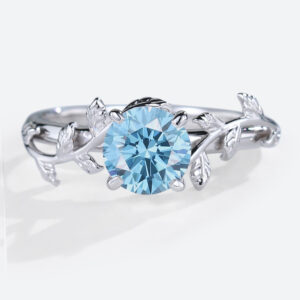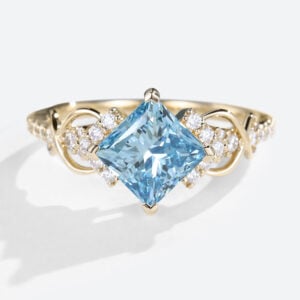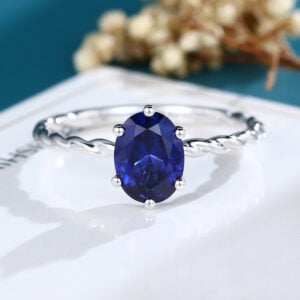



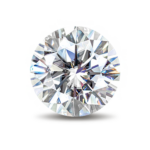
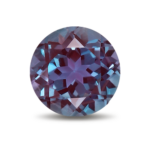


Lab Blue Diamond vs Sapphire Engagement Ring Which One Is Right for You
by Lisa Jewelry US 0 comments
I. Lab Blue Diamond vs Sapphire Key Differences You Should Know
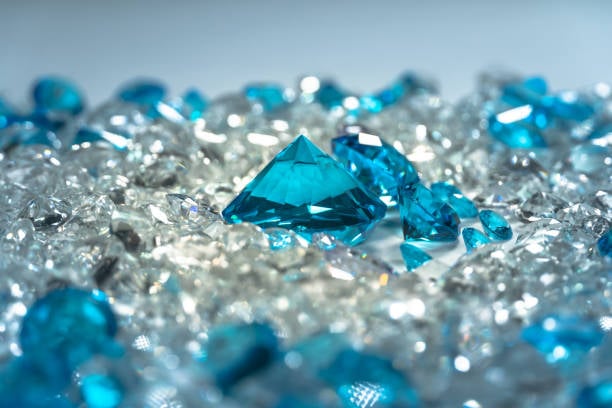
When comparing a lab blue diamond vs sapphire, many people assume they are similar simply because of their color. But once you look closer, the differences between blue diamonds and sapphires become much more interesting—and much more important when choosing an engagement ring.
Both are stunning blue gemstones, often used as the center stone in modern engagement rings. Both can range from soft, subtle tones to deep, rich shades. But the way they reflect light, their rarity, and even how they are formed are completely different.
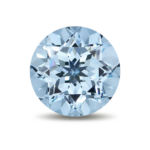
Lab grown blue diamonds are real diamonds created using advanced technology that replicates the natural process. They share the same physical and optical properties as natural diamonds, including their exceptional hardness and brilliance. This means you get the same look and durability as mined stones—without the high cost or sourcing concerns.
On the other hand, blue sapphires are a different type of natural stone, formed from corundum. While they are incredibly durable and widely used in sapphire jewelry, their sparkle is more subtle compared to diamonds. Instead of brilliance, sapphires are known for their depth of color and classic appeal.
If you’re choosing between these two, the real question isn’t just about color—it’s about what kind of beauty you prefer: exceptional brilliance or rich, velvety color.
II. What Are Lab-Grown Blue Diamonds and Sapphires
Before deciding which is right for you, it’s important to understand what each stone really is—and why they look the way they do.
What Makes Lab Grown Blue Diamonds Different From Natural Diamonds
Lab grown diamonds are chemically, physically, and optically identical to natural diamonds. The only difference is their origin.
Instead of forming deep within the earth’s mantle over millions of years, lab diamonds are created in controlled environments using advanced technology. This process replicates the intense heat and pressure found in nature, producing diamonds that are indistinguishable from mined ones.
In the case of lab grown blue diamonds, their color comes from trace elements or structural changes, just like natural blue diamonds. The result is a stone with incredible clarity, strong durability (ranking high on the Mohs scale), and a bright, lively sparkle.
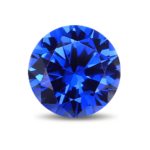
Compared to other colored diamonds, blue diamonds are especially captivating because of their cool, sophisticated tones—from icy light blue to deep royal blue shades.
What Defines a Sapphire Engagement Ring
A sapphire engagement ring offers a very different kind of beauty.
Unlike diamonds, sapphires are prized for their color rather than their brilliance. Their hues can range from soft sky blue to deep rich blue, with some stones showing subtle variations in blue shades depending on lighting.
High-quality natural sapphires are known for their smooth, even color and elegant appearance. While they may not reflect light as intensely as diamonds, they offer a more understated, refined look often associated with classic elegance.
Sapphires are also extremely durable, making them suitable for everyday wear. However, their visual appeal is less about sparkle and more about depth—making them a favorite for those who prefer a timeless, less flashy style.
III. Blue Diamonds vs Sapphire Engagement Ring Appearance and Color
When comparing blue diamonds and sapphires, the most noticeable difference lies in how each stone presents color and light.
Blue Diamonds Color From Light Blue to Deep Royal Blue
Blue diamonds are among the most valuable gemstones in the world, admired for both their rarity and their brilliance. Their color ranges from soft icy tones to deep royal blue, depending on the presence of trace elements within their crystal structure.
Unlike many other stones, blue diamonds combine color with intense sparkle. Thanks to their high refractive index, they produce a crisp brilliance that reflects light in a bright, lively way. Even under normal lighting, they can appear vibrant and dynamic.
Some of the most famous stones, such as the Hope Diamond, highlight the prestige and history behind blue diamonds. Their rarity—especially in natural form—makes them one of the most sought-after options in fine jewelry.
With lab grown diamonds, this look becomes more accessible. You can achieve the same striking appearance without the very high prices associated with mined stones.
Sapphire Color Range and Classic Elegance
In contrast, sapphire engagement rings offer a different kind of beauty—one that focuses on depth rather than sparkle.
Sapphires are composed of aluminum oxide (known as mineral corundum) and are valued for their rich, velvety tones. From deep rich color to lighter shades, sapphires often display subtle variations, sometimes referred to as color zoning.
Famous origins like Kashmir sapphires, Ceylon sapphires, and Burmese sapphires are known for their exceptional quality and distinctive hues.
Instead of reflecting light sharply, sapphires create a softer, more even glow. This gives them a sense of understated elegance and makes them a popular choice for those who prefer a refined, less flashy look.
Which Stone Looks Better as a Center Stone
As a center stone, the choice depends on what kind of visual impact you want.
- Blue diamonds → brighter, more reflective, modern luxury
- Sapphires → deeper color, softer appearance, classic elegance
To the naked eye, diamonds tend to appear more brilliant, while sapphires feel more calm and composed. Both can be stunning, but they deliver very different emotional impressions.
IV. Lab Blue Diamond vs Sapphire Durability and Daily Wear
Beyond appearance, durability plays a major role when choosing a stone for an engagement ring meant for daily wear.
Which Stone Is Better for Everyday Wear
Both diamonds and sapphires are considered extremely durable, making them suitable for long-term use.
Diamonds rank highest on the Mohs hardness scale, meaning they are highly resistant to scratches. This makes them ideal for people with active lifestyles or those who want a worry-free option.
Sapphires are also very strong, ranking just below diamonds. For most users, they perform exceptionally well in everyday situations and remain a reliable choice for a sapphire engagement ring.
Long Term Durability and Structure
The durability of each stone comes down to its internal structure.
Diamonds are made of pure carbon, giving them unmatched hardness and strength. Their tightly bonded structure allows them to maintain their shape and brilliance over time.
Sapphires, while slightly softer, still offer excellent durability due to their dense composition. However, compared to diamonds, they may show wear more gradually over many years.
Practical Considerations for Daily Wear Rings
When choosing between the two for daily wear, consider your lifestyle and preferences.
- If you want maximum durability and sparkle → lab grown blue diamonds
- If you prefer a softer look with strong durability → natural sapphires
Both options work well in different settings, including white gold or other white metals, depending on the style you prefer.
V. Price Comparison Lab Blue Diamonds vs Sapphire Jewelry
When comparing lab blue diamond vs sapphire, price is often the deciding factor.
Why Lab Grown Blue Diamonds Are More Affordable Than Natural Diamonds
Natural blue diamonds are among the most incredibly rare gemstones in the world, which is why they often come with very high prices. Their rarity is tied to unique trace elements and formation conditions deep within the earth.
However, lab grown diamonds offer the same look and structure without the scarcity. Created using processes like chemical vapor deposition, these stones replicate the natural formation while being produced in a controlled environment.
This means buyers can enjoy the same brilliance and durability as real diamonds, but at a much more accessible price point.
Sapphire vs Diamond Price Which Offers Better Value
Sapphires, especially natural sapphires, vary widely in price depending on origin, color, and quality. High-end stones like Kashmir sapphires or Ceylon sapphires can still command premium prices.
However, compared to diamonds, sapphires generally remain more affordable, especially for larger carat weight stones.
So when it comes to value:
- Lab blue diamonds → better brilliance and diamond prestige at a lower cost than mined diamonds
- Sapphires → strong value for rich color and traditional luxury
The better choice depends on whether you prioritize sparkle or color depth.
VI. Lab Created Sapphires vs Lab Grown Diamonds Which Should You Choose
For buyers exploring modern alternatives, both lab created sapphires and lab grown diamonds offer compelling benefits.
Lab sapphires replicate the same structure as natural stones, delivering consistent rich color and fewer imperfections. Meanwhile, lab diamonds maintain the full diamond prestige with identical optical and physical properties to mined diamonds.
The difference comes down to appearance and perception:
Lab grown diamonds → look identical to natural diamonds, including their crisp brilliance
Lab created sapphires → emphasize color and understated elegance
If your goal is a diamond-like look, lab diamonds are the closer match. If you prefer bold color and a softer finish, sapphires may be more appealing.
VII. Blue Diamonds vs Sapphire Which Is Better for Engagement Rings
Choosing between blue diamonds and sapphires ultimately comes down to style and meaning.
Choose Blue Diamonds If You Want Modern Luxury
Blue diamonds represent a newer, more modern approach to engagement rings.
They offer:
High sparkle and same brilliance as colorless diamonds
A luxurious, eye-catching look
A balance between rarity and accessibility when lab grown
For those who want something unique but still aligned with traditional diamond expectations, blue diamonds are a strong choice.
Choose Sapphire If You Love Timeless Tradition
Sapphires have a long rich history in fine jewelry and are often associated with royalty and tradition.
They offer:
Deep, saturated color
A more subtle and refined look
Strong symbolism tied to loyalty and commitment
For those drawn to traditional luxury and classic design, sapphire remains a timeless option.
VIII. How to Choose Between Lab Blue Diamonds and Sapphire Engagement Rings
Making the final decision requires balancing style, budget, and lifestyle.
Consider Your Personal Style and Preference
Do you prefer sparkle or color?
- If you love brilliance and light reflection → choose lab blue diamonds
- If you prefer rich tones and softer visuals → choose sapphire jewelry
Choose the Right Setting and Metal
The setting can dramatically affect how the stone looks.
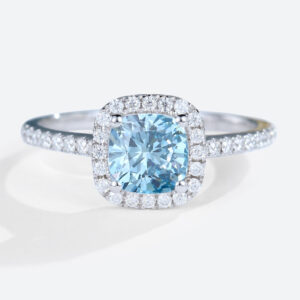
- White gold or platinum enhances the brightness of blue diamonds
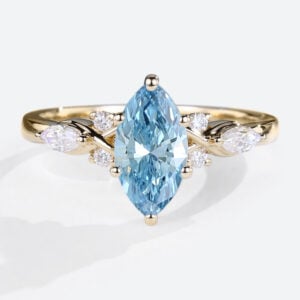
- Rose gold can add warmth to sapphires
Minimal settings highlight the stone, while detailed designs create a more intricate look
Match Your Budget and Expectations
Think about what matters most:
Size
Sparkle
Tradition
Rarity
A well-balanced choice is always better than chasing trends.
Final Thoughts Lab Blue Diamond vs Sapphire
When comparing lab blue diamond vs sapphire, there is no universal “better” choice—only what fits you best.
Choose blue diamonds for brilliance, modern luxury, and a diamond-like appearance
Choose sapphires for depth, history, and timeless elegance
Both stones are beautiful. Both are durable. And both can create a meaningful engagement ring.
The right choice is the one that feels personal every time you look at it.