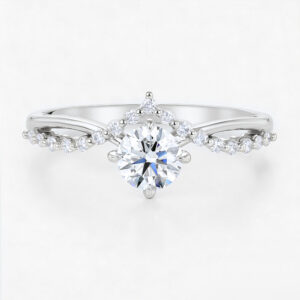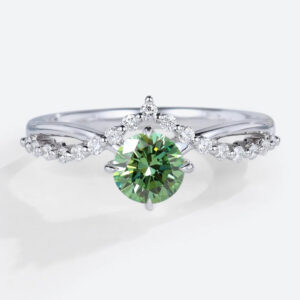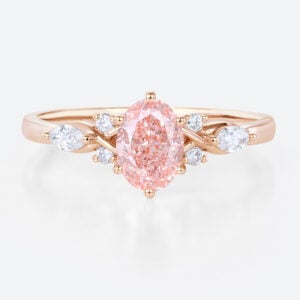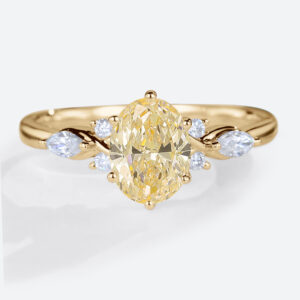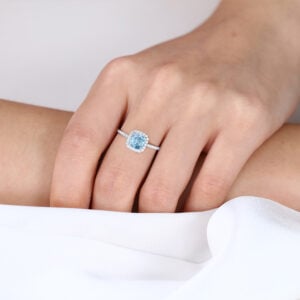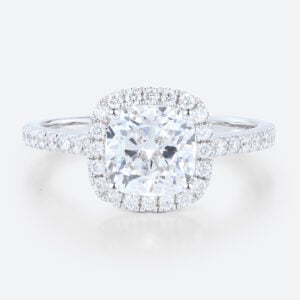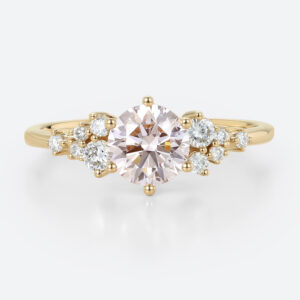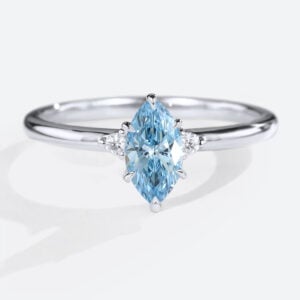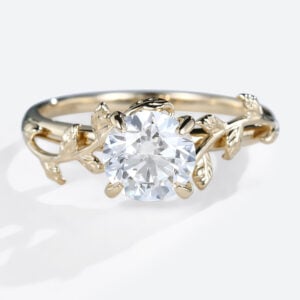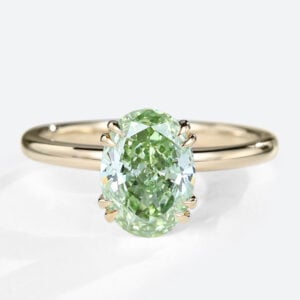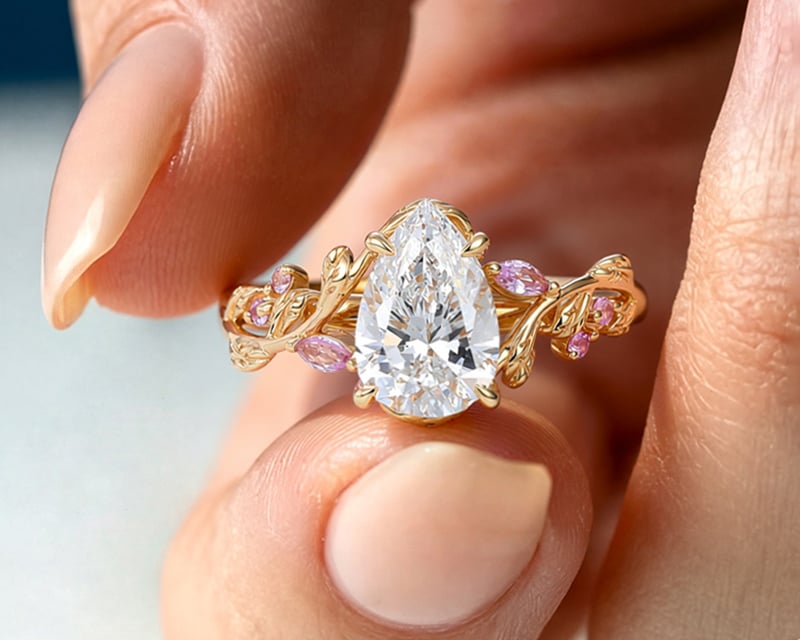


When people first discover lab grown diamonds, one of the most common questions they ask is about color. Many shoppers assume that diamonds created in a laboratory must look identical, but the reality is much more interesting. Just like natural diamonds, lab diamonds can appear in a wide range of shades—from completely colorless diamonds to vibrant colored diamonds.
The color of lab diamonds is not random. In fact, it is carefully influenced by the conditions under which the diamond forms. Scientists can adjust elements within the growth environment to guide how the crystal develops, which ultimately determines the diamond color we see.
This level of control is one of the biggest differences between lab grown diamonds and natural diamonds. While natural diamonds form deep within the earth over billions of years, lab grown diamonds are created through advanced technology that recreates the same conditions in a controlled laboratory environment.
Because of this precision, laboratories can produce both traditional white diamonds and stunning fancy color diamonds. Today, colored lab grown diamonds are becoming increasingly popular in jewelry, especially for modern engagement ring designs where couples want something unique but still timeless.
At the same time, many buyers still prefer classic colorless diamonds, which closely resemble the look of traditional white diamonds found in nature. Whether a diamond appears colorless or displays a distinctive hue depends on subtle differences in the diamond’s internal structure.
To understand how this works, it helps to look at the science behind diamond formation and the factors that influence the color of lab grown diamonds.
I. Why Lab Grown Diamonds Can Have Different Colors
The color of any diamond—whether natural or laboratory created—comes from tiny variations in the crystal structure. Diamonds are made almost entirely of carbon atoms, arranged in a highly organized lattice. However, even a small change in this structure can affect how light travels through the stone.
In many cases, the color of a diamond is influenced by the presence of trace elements during the growth process. When a diamond forms, certain atoms may become trapped inside the crystal lattice. These microscopic impurities change the way the diamond absorbs and reflects light, which ultimately creates different colors.
For example, nitrogen is one of the most common trace elements found in diamonds. When nitrogen atoms are present, the diamond may develop yellow or slightly brown tones. In other cases, different structural changes within the crystal can create rare hues such as blue diamonds, green diamonds, or pink diamonds.
In natural conditions, these color variations occur randomly over millions of years deep underground. This is why many natural colored diamonds are considered extremely rare and often command very high prices.
In contrast, the production of lab grown colored diamonds allows scientists to influence these conditions more directly. By adjusting the environment during the growth process, laboratories can encourage the formation of specific diamond colors while maintaining the same chemical structure as natural diamonds.
As a result, today’s colored lab diamonds can display a wide range of shades—from subtle champagne and brown diamonds to vivid fancy color stones that rival some of the most beautiful natural gems.
II. What Determines the Color of Lab Grown Diamonds
The final diamond color of a stone is determined by several factors during its formation. Although lab grown diamonds are created in laboratories, their internal structure is essentially identical to that of real diamonds found in nature. Both are composed of carbon atoms arranged in a crystal lattice, and small variations in that structure influence how light travels through the stone.
One of the most important factors is the presence of trace elements during the growth process. Even tiny amounts of certain atoms can change how the diamond absorbs light, producing different colors. For example, nitrogen often creates yellow or slightly brown diamonds, while boron can result in rare blue diamonds.
Another factor is structural variation within the crystal lattice itself. Subtle changes in the arrangement of carbon atoms can influence how the diamond interacts with light, producing shades that range from near colorless to vivid fancy color diamonds.
In laboratory environments, these variables can be adjusted in controlled settings. Scientists use advanced technology to replicate the same conditions under which diamonds form naturally deep within the earth. By carefully managing temperature, pressure, and chemical composition, laboratories can guide the development of different diamond colors.
Despite being created in a lab, these stones are chemically and physically the same as their natural counterparts. Major organizations such as the Gemological Institute of America evaluate both natural and lab grown diamonds using the same standards. Each diamond can receive a grading report that assesses characteristics such as color, clarity, cut, and carat weight.
Because laboratories can replicate the diamond formation process with precision, modern lab grown colored diamonds now display an impressive range of hues. From subtle champagne tones to vibrant blue or pink shades, these diamonds provide more color options than ever before.
III. The Two Main Methods Used to Control Diamond Color
To create lab grown diamonds, scientists rely on two primary methods that mimic the natural conditions under which diamonds form. Both techniques influence the final color of lab diamonds by controlling how the crystal grows.
HPHT Method (High Pressure High Temperature)
The HPHT method recreates the extreme environment found deep within the earth’s mantle. In this process, carbon is exposed to extreme pressure and very high temperatures, allowing a diamond crystal to form.
Because this method closely imitates natural geological conditions, many HPHT diamonds develop characteristics similar to natural diamonds. By adjusting elements present during formation, laboratories can influence whether the diamond becomes colorless, near colorless, or develops a fancy color.
HPHT can also be used after a diamond has formed to improve its appearance. Certain treatments can modify structural defects inside the crystal, sometimes creating stones with more sparkle and improved color quality.
CVD Method (Chemical Vapor Deposition)
Another widely used technique is the CVD method. In this process, diamonds grow layer by layer from carbon rich gas inside a controlled chamber. This environment allows researchers to carefully manage the growth process and maintain highly stable conditions.
Because of this precision, CVD diamonds often achieve very consistent diamond quality and color distribution. Laboratories can also introduce specific elements during growth to encourage the formation of colored diamonds, including blue, pink, or subtle champagne shades.
Compared with natural colored diamonds—which are often extremely rare—these lab grown alternatives allow more people to access beautiful gemstones at a wider range of price points.
This combination of scientific control and advanced technology is what makes modern lab grown colored diamonds so remarkable. While their formation takes only weeks rather than millions of years, their beauty and structure are essentially the same as those of diamonds found in nature.
IV. What Colors Can Lab Grown Diamonds Have
One of the most exciting aspects of modern lab grown diamonds is the wide range of colors they can display. While many buyers still prefer traditional colorless diamonds, laboratory technology now makes it possible to create diamonds in many different shades and tones.
The diamond color scale used by gem laboratories typically ranges from completely colorless stones to diamonds that show visible color. Some diamonds appear nearly colorless, while others develop a soft yellow hue or slightly warmer tones. These subtle variations often influence both the clarity and the overall visual beauty of the stone.
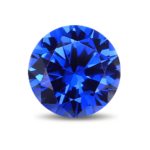
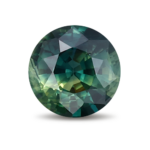
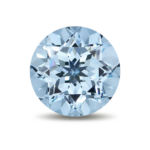
Beyond traditional white diamonds, laboratories can also create a variety of fancy color diamonds. Some of the most popular colors include yellow, blue, green, and pink. In rarer cases, laboratories can even produce diamonds with orange hues or other unique colors.
These colors occur when specific elements or structural variations influence how light interacts with the diamond. The result is a gemstone that reflects light differently, creating distinctive shades and visual depth.
Because laboratories can control many of these conditions, lab grown colored diamonds offer more options than many natural diamonds. This allows buyers to discover gemstones that match their personal taste while still enjoying the brilliance and sparkle diamonds are known for.
For jewelry designers, this variety also opens up new creative possibilities for necklaces, earrings, and especially engagement rings, where colored diamonds can add a unique personal touch.
V. Do Lab Grown Diamonds Change Color Over Time
A common concern among buyers is whether the color of lab diamonds might fade or change over time. In reality, properly created lab grown diamonds are extremely stable and behave the same way as real diamonds.
Because both natural and laboratory diamonds share the same crystal structure, their diamond color is permanent under normal conditions. Everyday exposure to sunlight, heat, or UV light will not cause the stone to lose its color.
Just like their natural counterparts, these diamonds maintain their sparkle, clarity, and overall quality for generations. This durability is one of the reasons diamonds have long been among the most valued gemstones in fine jewelry.
Another advantage of lab grown diamonds is accessibility. Because they can be produced using advanced technology in controlled environments, they are often available at more accessible price points compared with extremely rare natural colored diamonds.
For many buyers, this makes lab diamonds an appealing option for engagement rings and other meaningful jewelry. They combine the same brilliance, durability, and timeless beauty as natural stones while offering more flexibility in color choices and price.
As technology continues to improve, lab grown diamonds are becoming an increasingly popular option for people who want both scientific innovation and elegant design in their jewelry.
Frequently Asked Questions About Lab Diamond Color
If you’re exploring the science behind diamond colors, the following questions help explain how lab grown diamonds develop their appearance and why they are becoming increasingly popular in modern jewelry.
Yes, lab grown diamonds are real diamonds. They have the same chemical composition, crystal structure, and physical properties as natural diamonds. Both are made of carbon atoms arranged in a crystal lattice, which gives diamonds their famous brilliance and sparkle. The main difference is that lab diamonds are created using advanced technology in controlled environments rather than forming naturally underground over millions of years.
The diamond color of lab grown diamonds is influenced by small variations in their internal structure. Tiny amounts of trace elements, such as nitrogen or boron, can affect how light interacts with the diamond. These elements can create different hues, including yellow, blue, green, or pink. Because laboratories control the growth environment, they can intentionally produce colored lab grown diamonds with specific shades.
Yes. Many natural colored diamonds are considered extremely rare, which makes them very expensive. In comparison, lab grown colored diamonds can be produced in controlled settings, allowing them to be available at a wider range of price points. This means buyers can enjoy unique diamond colors without the high price often associated with rare natural stones.
Yes. Because lab diamonds have the same structure as natural diamonds, they reflect light in the same way. Their sparkle, brilliance, and clarity depend on the quality of the cut and the overall diamond quality, rather than whether the diamond was grown in a lab or mined from the earth.