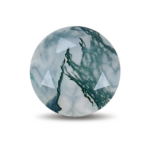
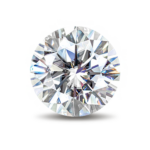
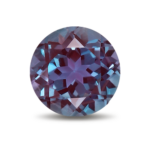
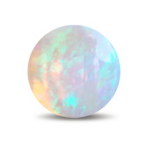
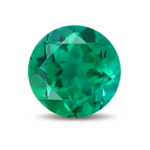
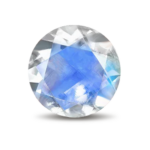
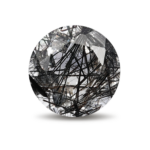
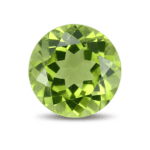
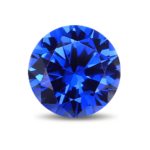
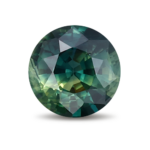
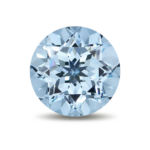
When people shop for gemstones, they often focus on size or sparkle—but one of the most important factors is something many beginners overlook: gemstone color intensity.
It’s the difference between a stone that looks dull and one that instantly catches your eye.
But what exactly does color intensity mean? And how do you know which one looks better in real life?
The good news is, you don’t need a gemology degree to understand it.
In this guide, we’ll break down gemstone color intensity in a simple, practical way—so you can recognize it, compare it, and choose a gemstone that truly stands out.
I. What Is Gemstone Color Intensity
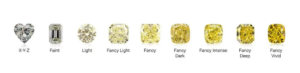
At its core, gemstone color intensity describes how strong or vivid a gemstone’s color appears.
Think of it as the difference between a pale pink and a rich, vibrant pink. Both are technically the same color, but they create completely different visual impress.sion.
Color Intensity vs Color Tone vs Hue (Simplified)
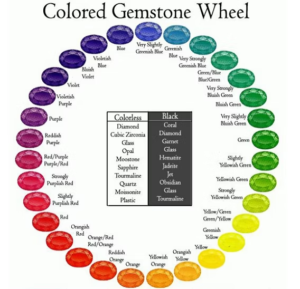
If you’ve done any research, you may have come across terms like hue, tone, and saturation. These can sound complicated, but here’s a simple way to understand them:
- Hue = the basic color (blue, red, green)
- Tone = how light or dark the color is
- Intensity (or saturation) = how strong or vivid the color looks
Out of these three, color intensity is often the most noticeable to the eye.
A gemstone with higher intensity will appear:
- More vibrant
- More eye-catching
- More “alive” under light
While a stone with low intensity may look faded or washed out.
Why Color Intensity Is So Important
Color is usually the first thing people notice when they see a gemstone.
Before they think about clarity or cut, they react to how the stone looks.
That’s why gemstone color intensity plays such a key role—it directly affects:
- How attractive the gemstone appears
- How noticeable it is when worn
- How “expensive” it looks
In many cases, a smaller gemstone with strong color intensity can look more impressive than a larger one with weak color.
What Does “Good” Color Intensity Look Like
For beginners, a simple rule works well:
A gemstone should look rich and clear, not too pale and not too dark.
- If the color is too light, it may feel weak or less noticeable.
- If it’s too dark, it can lose brightness and appear dull.
The best gemstone color intensity usually sits somewhere in the middle—strong enough to stand out, but balanced enough to reflect light beautifully.
II. Why Gemstone Color Intensity Matters When Buying Jewelry
Understanding gemstone color intensity isn’t just about learning a technical term—it directly affects how happy you’ll be with your purchase.
It Changes How the Gemstone Looks in Real Life
Two gemstones can have the same size and shape, but if their color intensity is different, they will look completely different when worn.
A gemstone with higher intensity will:
- Stand out more
- Catch light more effectively
- Look more vibrant in photos and in person
This is especially important for rings and necklaces, where the gemstone is meant to be the focal point.
It Influences Perceived Value
Interestingly, what looks more expensive isn’t always what costs more—it’s what looks better.
A gemstone with balanced, vivid color often appears more valuable, even if its price is similar to a less vibrant stone.
This is why many experienced buyers prioritize gemstone color intensity over other features that are harder to notice.
It Affects How Easy It Is to Match with Your Style
Color intensity also plays a role in how versatile a piece of jewelry feels.
Lighter colors tend to look soft and subtle, great for everyday wear
Stronger colors create a bolder statement and stand out more
Choosing the right intensity helps you match your jewelry with your personal style and the occasions you wear it for.
It Can Make or Break Your Buying Decision
For many beginners, the biggest mistake is focusing too much on specifications and not enough on appearance.
But in reality, what matters most is simple:
Do you like how it looks?
Understanding gemstone color intensity gives you the confidence to answer that question—and make a choice you won’t regret.
III. Different Levels of Gemstone Color Intensity
Not all gemstones display color in the same way. Some appear soft and subtle, while others look bold and vibrant.
Understanding the different levels of gemstone color intensity can help you quickly recognize what you’re looking at—and decide which one suits you best.
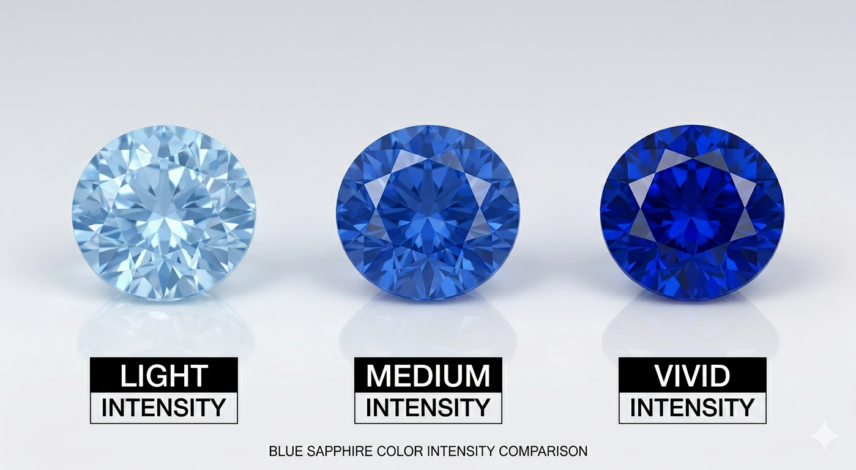
Light Color Intensity
Gemstones with light color intensity appear soft and delicate.
Their color is often:
- Pale or slightly faded
- More transparent
- Less visually dominant
These stones create a gentle and understated look. They’re ideal if you prefer jewelry that feels subtle and easy to wear every day.
However, the downside is that they may not stand out as much, especially in low lighting.
Best for: minimal style, casual wear, soft aesthetics
Medium Color Intensity
Medium intensity is often considered the most balanced and versatile option.
These gemstones:
- Have clear, noticeable color
- Maintain good brightness
- Reflect light well without appearing too dark
This level offers the best combination of vibrancy and wearability. It looks refined without being overwhelming, which is why it’s a popular choice for most jewelry pieces.
Best for: everyday wear, engagement rings, versatile styling
Vivid or Strong Color Intensity
Gemstones with strong or vivid color intensity are bold and eye-catching.
They typically:
- Have rich, saturated color
- Stand out immediately
- Create a more dramatic look
These stones often appear more luxurious because of their visual impact. However, if the color becomes too dark, it can reduce brightness and make the stone look less lively.
Best for: statement pieces, special occasions, standout jewelry
IV. How to Choose the Right Gemstone Color Intensity
Now that you understand the different levels, the next step is choosing what works best for you.
There is no single “perfect” option—only what fits your style, your needs, and how you plan to wear the jewelry.
Choose Based on Your Skin Tone
Your skin tone can subtly affect how a gemstone’s color appears.
Warmer skin tones often pair well with richer, warmer colors
Cooler skin tones tend to complement softer or cooler shades
If you’re unsure, a safe choice is medium intensity—it tends to look flattering on most people.
Match the Intensity to the Jewelry Style
The type of jewelry also matters.
- For everyday pieces, lighter or medium intensity usually feels more natural
- For statement jewelry, stronger intensity creates more impact
A bold gemstone in a simple setting can look modern and clean, while a softer stone works well in more delicate designs.
Consider Lighting and Occasion
One detail many people overlook is lighting.
A gemstone that looks beautiful indoors may appear very different in natural sunlight.
Strong intensity stones stand out more in bright light
Lighter stones can look softer and more subtle outdoors
If you plan to wear the piece often, think about where you’ll wear it most.
Balance Color Intensity with Overall Appearance
It’s easy to assume that stronger color is always better—but that’s not always true.
A gemstone should:
- Have enough color to feel vibrant
- Still reflect light and maintain brightness
The best gemstone color intensity is one that looks lively and clear, not overly dark or washed out.
V. Gemstone Color Intensity vs Price What You Should Know
Many beginners assume that stronger color always means a higher price—but that’s not always the case.
While gemstone color intensity can influence value, it’s not the only factor.
Stronger Color Doesn’t Always Mean Better
A gemstone with very strong color may look impressive at first glance, but if it becomes too dark, it can lose brightness.
In some cases, a medium-intensity gemstone actually looks more vibrant because it reflects light better.
This is why balance matters more than extremes.
Uniform Color Is Just as Important
Another detail to pay attention to is how evenly the color is distributed.
A gemstone with:
- Consistent color throughout
- No visible patches or dull areas
will usually look more refined, even if the intensity is not the highest.
What Actually Makes a Gemstone Look Valuable
From a visual perspective, a gemstone tends to look more “expensive” when it has:
- Balanced color intensity
- Good light reflection
- Clear and clean appearance
These qualities often matter more than simply choosing the darkest or most saturated option.
VI. Common Mistakes When Choosing Gemstone Color Intensity
Even with a basic understanding, it’s easy to make choices that don’t deliver the best result.
Here are a few common mistakes to avoid:
Choosing Only the Darkest Color
Many people assume darker means better.
- But overly dark gemstones can appear dull and lack sparkle, especially in low light.
Ignoring Lighting Conditions
A gemstone can look very different depending on where you see it.
Always consider how it appears:
- In natural light
- Indoors
- Under different angles
Not Matching the Setting
The metal and design of the jewelry can change how a gemstone looks.
For example:
- Lighter stones pair well with white gold or platinum
- Richer tones often look better in yellow or rose gold
Choosing the right combination enhances the overall appearance.
VI. Best Gemstones That Show Beautiful Color Intensity
Some gemstones are especially known for their color.
If you’re looking for pieces where gemstone color intensity really stands out, these are great options to explore:
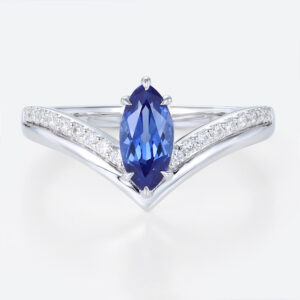
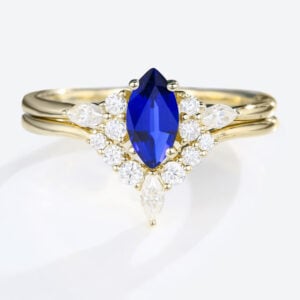
Sapphires are known for their rich blue tones, but they also come in other colors.
They often show strong, clean color that holds up well under different lighting conditions.
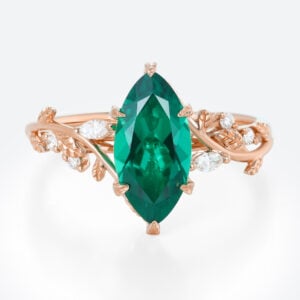
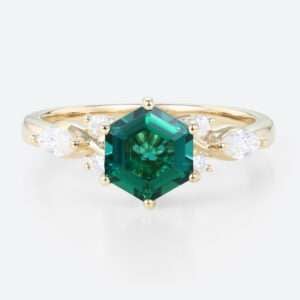
Emeralds are valued for their deep green color.
A good emerald has a vibrant, even tone that feels both natural and luxurious.
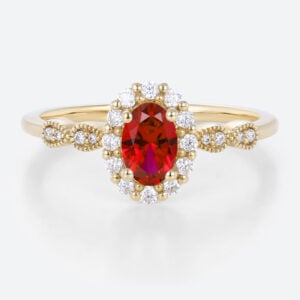
Rubies are prized for their intense red color.
The most desirable ones have a vivid yet balanced intensity that feels alive rather than overly dark.
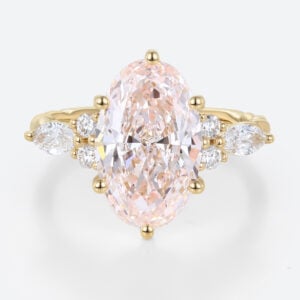
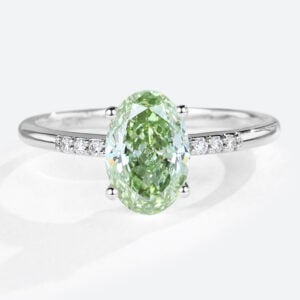
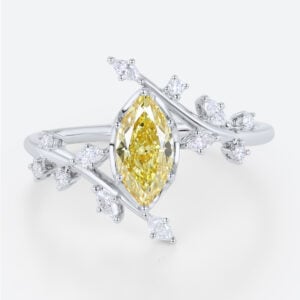
For a more modern option, colored lab grown diamonds offer a wide range of tones—from soft pastels to stronger hues.
They combine strong sparkle with customizable color intensity, making them a versatile choice for different styles.
Final Thoughts: Focus on What Looks Right to You
Understanding gemstone color intensity helps you see gemstones in a new way—but the final choice is still personal.
The best gemstone is not necessarily the most intense or the most expensive. It’s the one that looks right to you—balanced, vibrant, and easy to wear.
Once you know what to look for, choosing becomes much simpler.
And often, the difference between an average gemstone and a beautiful one comes down to something as simple as color.