
Do Lab-Grown Diamonds Get Cloudy?
0 comments
SHOP BY STYLE ✧
SHOP BY SHAPE ✧
![]()
![]()
![]()
![]()
![]()
METAL COLOR ✧
SHOP BY STYLE ✧
![]()
![]()
![]()
SHOP BY STONE ✧
SHOP BY METAL ✧
JEWELRY FOR THE BIG DAY
NECKLACES ✧
EARRINGS ✧
BRACELETS ✧
SHOP BY SHAPE ✧
![]()
![]()
![]()
![]()
![]()
![]()
SHOP BY COLOR ✧
SHOP BY CATEGORY✧

FEATURED✧
SHOP BY CATEGORY✧
SHOP BY OCCASION✧
SHOP BY PRICE✧

Birthstone Jewelry

If you’re worried about a lab diamond cloudy appearance, the good news is this:
👉 Real lab grown diamonds do not permanently get cloudy.
Just like natural diamonds, lab diamonds are made of crystallized carbon and are extremely durable. Their sparkle and structure do not fade over time under normal wear.
However, many people notice that their lab grown diamonds get cloudy after daily use. In most cases, this is not a problem with the diamond itself.
Instead, the issue usually comes from:
oil buildup
lotion residue
soap
surface dirt
exposure to harsh products
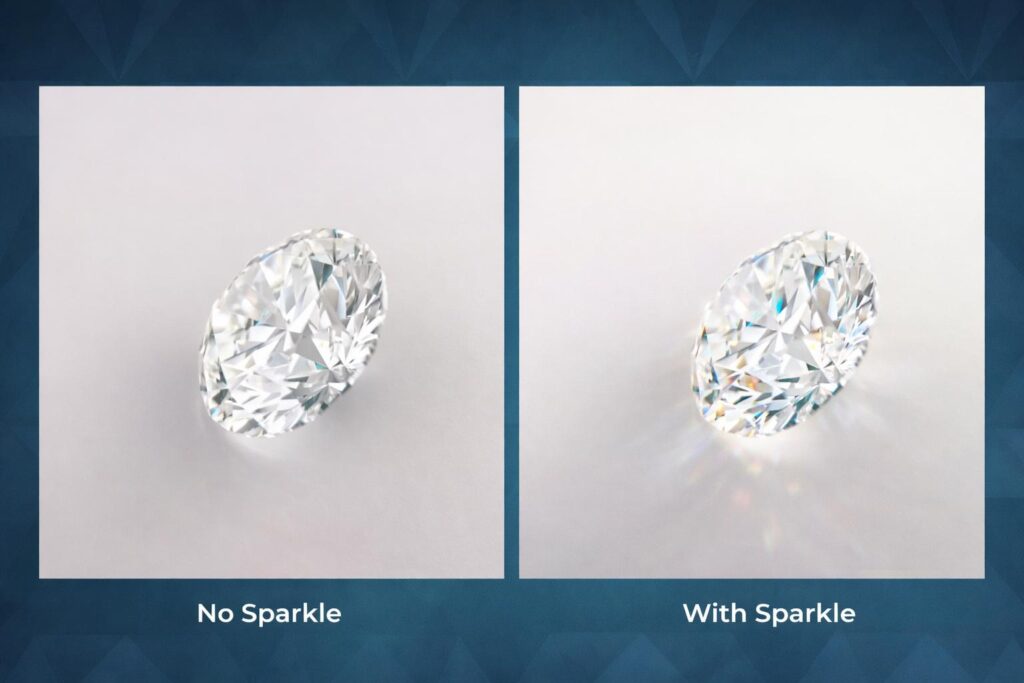
These materials collect on the diamond’s surface, blocking light and reducing sparkle.
So while a diamond may temporarily appear dull, the effect is usually reversible with proper cleaning and care.
One of the biggest misconceptions is that lab diamonds somehow “age differently” from mined stones.
They do not.
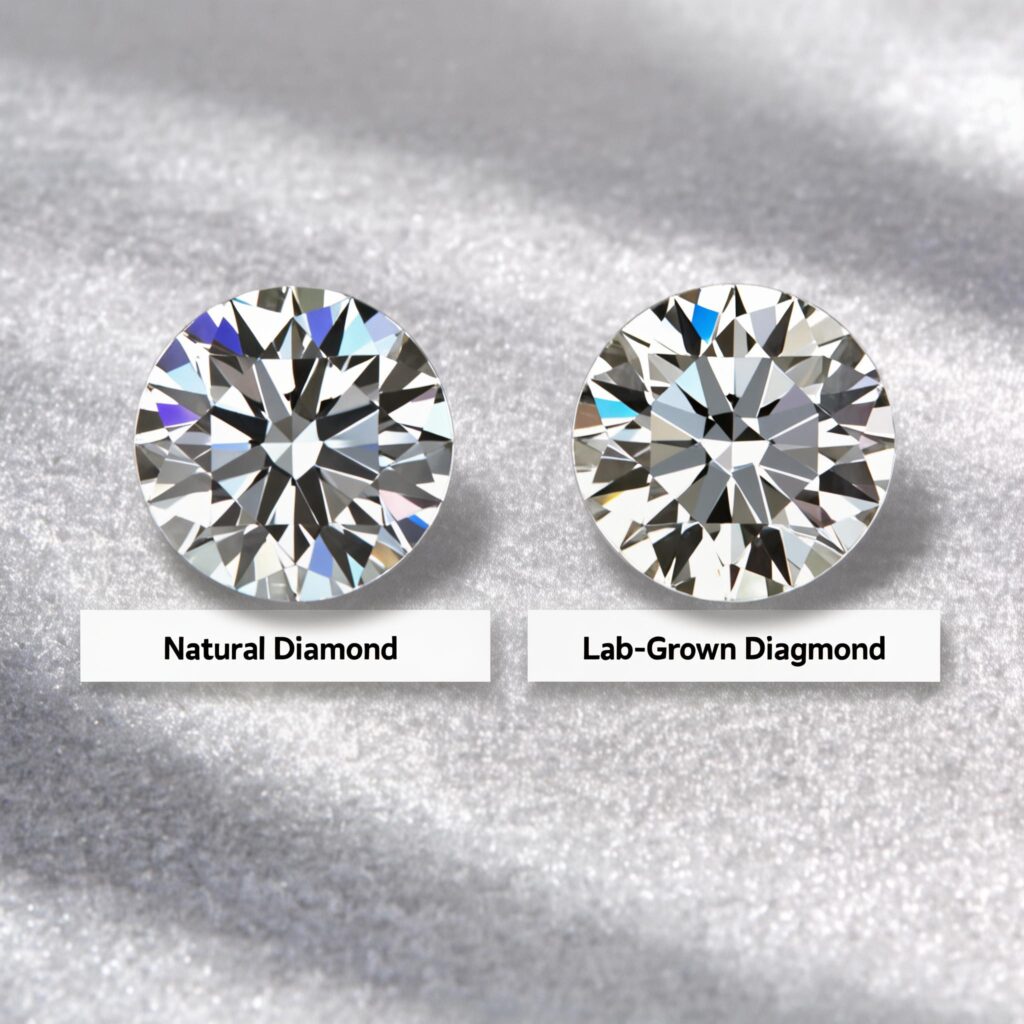
Both lab grown diamonds and natural diamonds go through the same crystal structure formation at the molecular level. The only difference is origin:
Natural diamonds → formed through the natural diamond formation process beneath the earth
Lab diamonds → created in controlled laboratory environments using advanced technology
That means a real lab diamond has the same:
hardness
durability
brilliance
clarity potential
as mined diamonds.
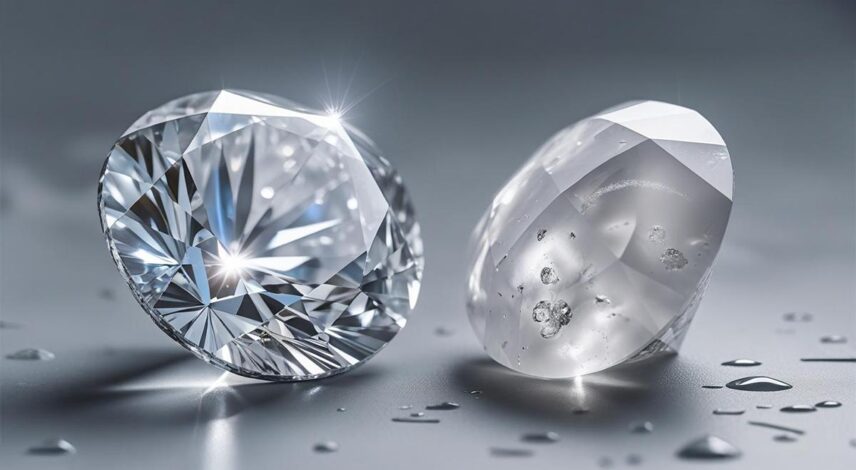
Even diamonds with exceptional clarity can appear cloudy if residue builds up on the surface.
This is especially common in:
everyday diamond jewelry
frequently worn rings
Because diamonds attract oils easily, fingerprints and skincare products can reduce the amount of light entering and reflecting through the stone.
The result?
👉 Less sparkle and reduced visual brilliance.
But this does not mean the diamond is damaged.
Although real lab diamonds do not permanently lose clarity, there are several reasons why they may look cloudy over time.
Understanding the cause is important because most issues are easy to fix.
There’s a major difference between:
internal diamond features
external dirt and buildup
Some diamonds naturally contain tiny internal characteristics or inclusions. These are part of normal clarity characteristics and are graded by gemological laboratories.
Diamonds with:
lower clarity grades
more visible inclusions
can sometimes appear slightly hazy under certain lighting conditions.
However, this is completely different from temporary cloudiness caused by dirt or oils on the surface.
Most of the time, what people describe as a “cloudy” diamond is simply:
👉 buildup sitting on top of the stone.
While diamonds themselves are incredibly strong, exposure to certain products can affect how your jewelry looks.
Frequent exposure to:
hairspray
lotion
cleaning products
harsh chemicals
can leave residue behind and reduce a diamond’s brilliance.
In some cases, harsh chemicals may also affect:
metal settings
plating
overall jewelry finish
This is why proper care matters for maintaining long-term sparkle.
A diamond ring worn every day naturally collects more buildup than jewelry worn occasionally.
Even simple activities like:
washing hands
applying skincare
cooking
exercising
can leave microscopic residue on the stone.
Over time, this layer blocks light reflection and reduces the diamond’s brilliance.
Fortunately, regular cleaning is usually enough to restore the original sparkle.
One of the biggest myths surrounding lab diamonds is that they eventually become dull forever.
In reality:
👉 Real lab grown diamonds do not permanently lose their sparkle.
Because they are real diamonds, they share the same:
chemical properties
physical properties
optical properties
as natural stones.
That means a lab diamond’s brilliance is designed to last permanently under normal conditions.
In most cases, no.
If a diamond appears cloudy, the issue is usually related to:
residue buildup
oils
dirt on the surface
external factors affecting light reflection
These issues may temporarily affect how the stone looks, but they are generally easily fixed through proper cleaning.
True permanent cloudiness is extremely rare in high-quality diamonds.
A real lab grown diamond is:
optically identical to mined diamonds
physically identical in structure
made from crystallized carbon
Because of this, it reflects and scatters light the same way natural diamonds do.
The stone itself does not “wear out.”
As long as the surface remains clean, the diamond continues to display:
brilliance
sparkle
fire
for decades.
Some diamonds may contain:
tiny imperfections
internal inclusions
strong fluorescence
These are natural grading parameters found in both lab diamonds and natural ones.
In lower-quality stones, excessive inclusions can occasionally reduce transparency and make the diamond appear slightly hazy under certain lighting.
However, these issues are visible from the beginning—they do not suddenly appear over time.
That’s why purchasing from a reputable seller is important when choosing a lab diamond.
Another common concern is whether lab grown diamonds get cloudy more easily than mined stones.
The short answer is:
👉 No, they do not.
Both lab diamonds and natural diamonds attract oils and residue in the same way.
That means:
applying lotions
touching the stone frequently
exposure to dirt and skincare products
can affect either type of diamond equally.
A cloudy appearance is usually caused by buildup on the surface, not because the stone itself is unstable.
Lab diamonds and mined diamonds are:
chemically identical
physically identical
optically identical
This means they react to light the same way and maintain their brilliance similarly over time.
The only real difference is origin:
lab diamonds are created in controlled conditions
natural diamonds form underground over millions of years
Once polished and set into jewelry, both function as real diamonds.
This misconception often comes from confusion with:
cubic zirconia
low-quality simulants
poorly maintained jewelry
Unlike imitation stones, real lab diamonds maintain their:
hardness
clarity
sparkle
for long-term wear.
If a diamond looks dull, professional cleaning or regular maintenance usually restores its appearance quickly.
The good news is that keeping a lab diamond beautiful is usually very simple.
Because real lab grown diamonds are durable and resistant to scratching, most cloudiness issues come from buildup on the surface—not damage to the stone itself.
With proper care, your diamond can maintain its:
brilliance
shine
overall appearance
for many years.
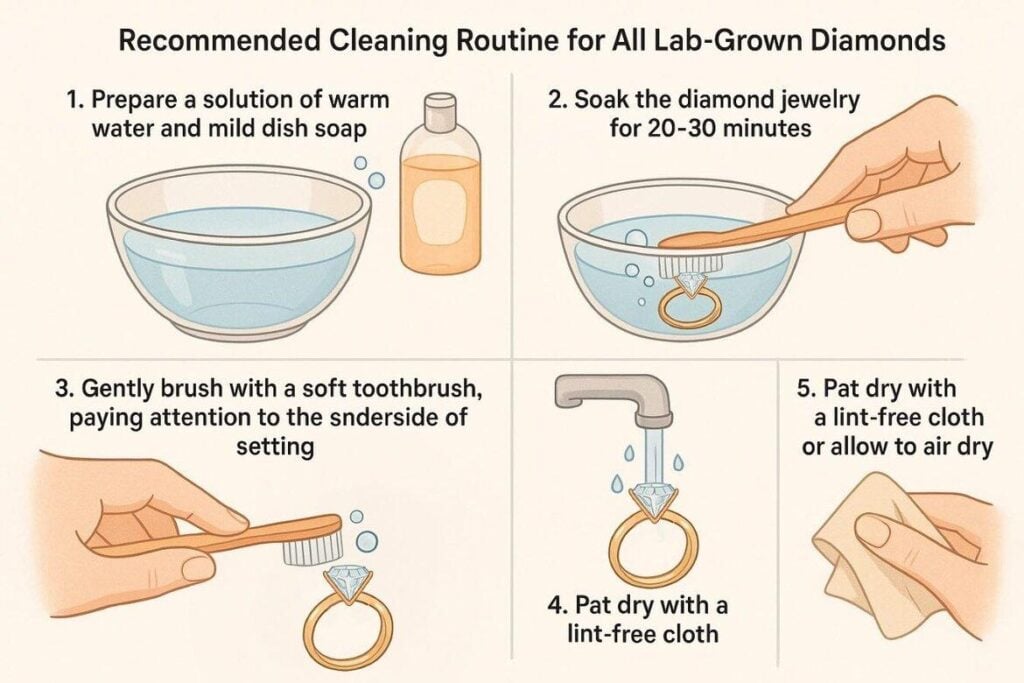
For regular at-home cleaning, you only need a few basic items:
warm water
mild soap
a soft toothbrush
Soak the jewelry for several minutes, then gently brush around the stone and setting to remove:
oils
dust
residue buildup
This process helps restore light reflection and improves the diamond’s sparkle almost immediately.
Diamonds naturally attract oils from skin contact.
Over time, substances like:
lotion
makeup
soap residue
everyday dust
can collect on the stone and reduce brilliance.
Even a high-quality diamond ring can start looking dull if it is not cleaned regularly.
Fortunately, these effects are temporary and easy to manage with proper maintenance.
Home cleaning works well for routine care.
However, professional jewelry cleaning can help remove buildup from:
hard-to-reach settings
underneath the stone
detailed jewelry designs
Many jewelers recommend professional cleaning once or twice a year to maintain long-term sparkle.
Sometimes buyers worry that a cloudy diamond means something is wrong with the stone itself.
In reality, most issues are cosmetic—not structural.
Your diamond may simply need cleaning if you notice:
reduced sparkle
a dull or slightly yellow appearance
fingerprints that don’t wipe away easily
less light reflection than usual
These symptoms are often caused by oils and residue sitting on the surface of the stone.
If your diamond suddenly looks less brilliant after:
applying skincare products
traveling
frequent wear
exposure to chemical products
the issue is usually temporary.
A proper cleaning often restores the original appearance very quickly.
Unlike imitation stones, real lab diamonds are designed to last.
Because they share the same structure as mined diamonds, they do not gradually lose:
clarity
brilliance
durability
A cloudy appearance is almost always related to maintenance rather than the diamond itself.
So, do lab grown diamonds get cloudy?
👉 Temporarily, sometimes.
👉 Permanently, no.
Real lab diamonds are:
chemically identical to mined diamonds
physically durable
designed to maintain brilliance over time
Most cloudiness comes from:
oils
dust
skincare products
buildup on the stone’s surface
With regular cleaning and proper care, a lab diamond can continue looking brilliant for decades.
A cloudy appearance usually doesn’t mean there’s something wrong with your diamond.
More often, it simply means:
👉 your jewelry needs cleaning—not replacing.
No. Real lab diamonds do not permanently become cloudy.
Usually because of oils, dust, or residue buildup on the surface.
Harsh chemicals may affect jewelry settings or leave buildup, but they do not damage the diamond itself.
Use warm water, mild soap, and a soft toothbrush to gently remove residue.
No. Properly maintained lab diamonds keep their brilliance permanently.