

Short answer: Lab-grown diamonds are called synthetic diamonds because people create them under controlled conditions rather than mining them from the earth. “Synthetic” describes origin, not an imitation material. A laboratory-grown diamond is a real diamond with essentially the same carbon crystal structure and fundamental physical and optical properties as a natural diamond. It is not the same as a diamond simulant such as cubic zirconia or moissanite.
For an engagement ring, the useful question is not “Is it real?” but “Do I prefer a lab-grown or natural origin, and does this particular stone suit my budget and design?” This guide explains the terminology, the two main growth methods, what a basic diamond tester can—and cannot—tell you, and what to check before buying.
In This Guide
- Why lab-grown diamonds are called synthetic
- Lab-grown vs. natural vs. simulant
- How HPHT and CVD diamonds are made
- Are lab-grown diamonds real and durable?
- Can a diamond tester identify origin?
- Price, resale, and environmental claims
- Buying checklist for engagement rings
- Frequently asked questions
Why Are Lab-Grown Diamonds Called Synthetic?
In gemology, synthetic means a material created by people that has essentially the same optical, physical, and chemical properties as its natural counterpart. The term laboratory-grown diamond is usually clearer for shoppers because it states the origin directly. You may also see lab-created diamonds or man-made diamonds; all describe diamonds grown outside the earth. The phrase cultured diamonds sometimes appears in marketing, but ask the seller for an explicit “laboratory-grown” disclosure rather than relying on an unfamiliar label.
The FTC Jewelry Guides distinguish laboratory-grown diamonds from simulated stones and emphasize clear disclosure. “Synthetic diamond” does not mean glass, a fake diamond, or a lower-quality diamond. Quality still depends on the individual stone.
Lab-Grown vs. Natural Diamonds vs. Diamond Simulants
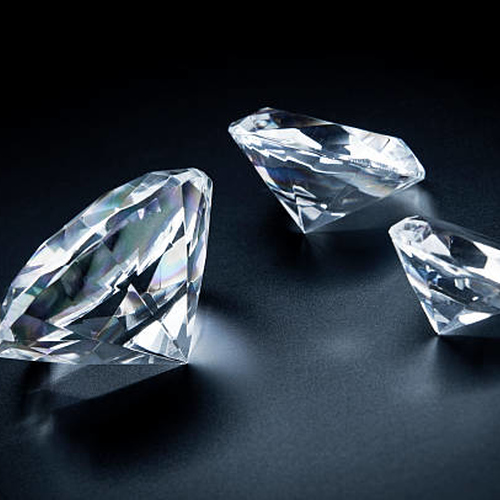
The most important difference is between diamond material and a stone that merely looks like diamond. Natural and lab-grown diamonds are both diamonds; simulants are different materials. Origin can also affect growth features, disclosure, price, and the market for resale.
| Question | Lab-grown diamond | Natural diamond | Diamond simulant |
|---|---|---|---|
| What is it? | Diamond crystal grown in a laboratory | Diamond crystal formed in nature | A different material made or used to resemble diamond |
| Typical examples | HPHT and CVD diamonds | Mined diamonds | Cubic zirconia and moissanite |
| Carbon crystal structure? | Yes—the diamond structure | Yes—the diamond structure | No; moissanite is silicon carbide, and cubic zirconia is zirconium dioxide |
| Mohs hardness | 10 | 10 | Varies by material; not the same as diamond |
| How is origin established? | Clear seller disclosure and, when applicable, professional testing or an independent report | Clear seller disclosure and, when applicable, professional testing or an independent report | Material identification, not a natural-vs.-lab origin assessment |
| Best question to ask | “Is the center stone laboratory-grown, and what documentation supports that?” | “Is the center stone natural, and what documentation supports that?” | “What is the actual material?” |
A simulant can be an attractive jewelry choice in its own right. But a lab-created diamond and a diamond simulant should never be presented as interchangeable. GIA's explanation of simulated diamonds discusses why stones such as cubic zirconia and moissanite are distinct from diamond.
How Are Lab-Grown Diamonds Made? HPHT and Chemical Vapor Deposition
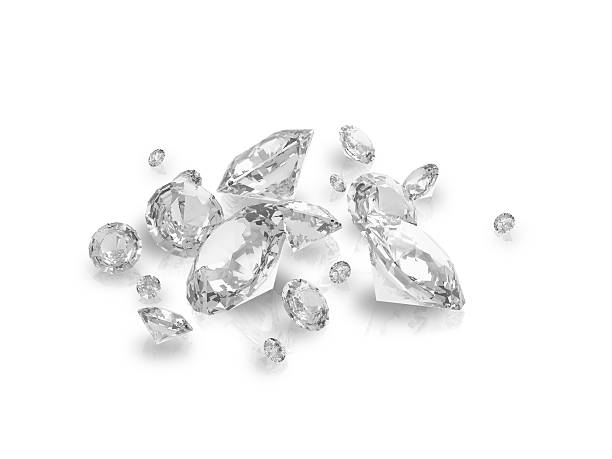
Two methods create synthetic diamonds suitable for jewelry: high pressure, high temperature (HPHT) and chemical vapor deposition (CVD). Both start with a diamond seed and supply carbon so new diamond crystals can grow. The manufacturing process differs, but both can produce gem-quality diamonds. Neither method alone guarantees a better finished engagement-ring stone.
High pressure, high temperature (HPHT)
The HPHT method exposes carbon and a diamond seed to extreme pressure and high temperature. The carbon crystallizes on the seed, producing a larger diamond. HPHT equipment can use different press designs; for a buyer, the important point is the stone’s disclosed origin and measured quality, not whether a particular cubic press or belt press was used. HPHT diamonds may also undergo later treatment, so ask whether any relevant treatment is disclosed on the product documentation.
Chemical vapor deposition (CVD)
In the CVD method, a diamond seed sits in a chamber containing a carbon-rich gas, commonly methane mixed with hydrogen. Energy breaks down the gas molecules, allowing carbon to deposit on the seed in layers. Some CVD diamonds receive post-growth treatment to improve color. A report or seller should identify the stone as laboratory-grown regardless of growth method.
GIA describes both HPHT and CVD growth and the subtle differences from natural diamonds. These are real growth processes, not coatings applied to another gemstone.
Are Lab-Grown Diamonds Real Diamonds—and Are They Durable?
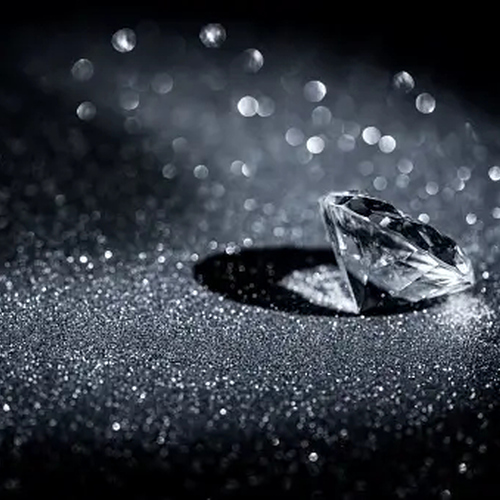
Yes. Natural and laboratory-grown diamonds share the diamond carbon crystal structure and essentially the same basic physical properties. Both rate 10 on the Mohs scale for scratch resistance, which makes them suitable for daily-wear jewelry and engagement rings when appropriately set and cared for. Hardness does not mean indestructibility: a diamond can chip from a hard impact, especially near an exposed edge or point.
There is no universal “lab look.” Cut proportions, color, clarity, shape, and carat weight affect the appearance of any diamond. Two lab-grown stones can look different from each other, just as two mined diamonds can. The naked eye usually cannot establish origin, and “optically identical” should not be mistaken for “every individual stone has identical beauty or quality.” Growth patterns, trace elements, and certain inclusions can help a specialized lab distinguish origins.
When comparing gem-quality diamonds, judge the individual stone in realistic lighting. A well-cut smaller diamond may appeal more than a larger poorly cut one. If the ring has delicate prongs or an exposed setting, ask how the design protects the stone during ordinary wear.
Can a Diamond Tester Tell If a Diamond Is Lab-Grown?
A basic handheld diamond tester may help distinguish diamond from some other gemstones, but it generally cannot establish whether a diamond is natural or lab-grown. Many simple testers measure thermal or electrical behavior, not the growth history of a stone. Some simulants also require extra care in testing; do not treat a single device reading as final proof.
A reputable grading or identification laboratory uses more advanced techniques to evaluate growth features and other evidence. Ask the jeweler what the accompanying report actually confirms, check the report number with its issuer where possible, and make sure the listing, invoice, and report agree on natural or laboratory-grown origin. Not every laboratory uses the same report format. For example, GIA's current laboratory-grown diamond services describe an overall Premium/Standard quality assessment for eligible colorless-to-near-colorless stones rather than the same presentation used for natural diamonds.
Price, Resale Value, and Environmental Claims
Does a lower purchase price mean lower quality?
Lab-grown diamonds often offer a lower purchase price than comparable natural diamonds, but prices vary by seller, specification, and market conditions. That makes a lab-created stone an affordable alternative for someone who wants a particular size or setting within a defined budget; it does not mean every lab-grown stone is automatically a bargain. Compare the whole ring, including cut, setting, metal, warranty terms, and documentation—not carat weight alone.
What about resale value?
Neither natural nor lab-grown diamond jewelry should be purchased on the assumption that it will appreciate or that you can recover the retail price. Resale value depends on the buyer, the stone, market supply and demand, condition, and any accompanying paperwork. The diamond market changes over time. Lab-grown diamonds generally have a less established secondary market and can face steeper retail-to-resale gaps. If resale is important to you, ask for a written buyback or trade-in policy before buying and compare real offers rather than treating an appraisal as a guaranteed resale price.
Are lab-grown diamonds automatically eco-friendly or conflict-free?
No blanket conclusion follows from laboratory origin alone. Lab growth uses equipment and energy; diamond mining has its own environmental and social impacts. The relevant footprint depends on the producer, electricity source, supply chain, and the scope of the comparison. Likewise, origin alone does not verify every labor or sourcing claim. Ask for specific, verifiable evidence rather than accepting an unqualified “eco-friendly” or “conflict-free” label. The FTC Green Guides summary cautions against broad, unsupported environmental benefit claims.

A Practical Buying Checklist for Lab-Grown Diamond Engagement Rings
- Confirm the material and origin. Is the center stone a laboratory-grown diamond, a natural diamond, or a simulant? Request clear wording on the listing and invoice.
- Prioritize cut and appearance. Compare diamonds in more than one lighting condition; do not buy on size or a single grade alone.
- Review the specific report. Check the issuing lab, report number, measurements, and any disclosed treatments. A report is not the same thing as a resale guarantee.
- Match the setting to your routine. Consider prong protection, band profile, metal, and how the engagement ring sits beside a wedding band.
- Compare the full cost. Include taxes, resizing, maintenance, shipping, and return terms where applicable.
- Get policies in writing. Check returns, warranty exclusions, and any upgrade or buyback terms before purchase.
- Ask for evidence behind claims. If sustainability or sourcing matters to you, request specifics about the producer and its documentation.
The right ring is the one whose origin, appearance, price, and policies you understand and feel comfortable with—not the one with the longest list of marketing adjectives. Explore LisaJewelryUS lab diamond rings to compare designs, then verify the details of any individual listing before ordering.

Frequently Asked Questions
Why are lab-grown diamonds called synthetic diamonds?
“Synthetic” is a gemological term for a human-made version of a material with essentially the same optical, physical, and chemical properties as the natural stone. For diamonds, it identifies laboratory origin—not a fake or a simulant.
Are lab-grown diamonds real diamonds?
Yes. They have the diamond carbon crystal structure and essentially the same fundamental properties as natural diamonds. “Natural” and “laboratory-grown” tell you where they formed, not whether the material is diamond.
Are lab-created diamonds the same as cubic zirconia or moissanite?
No. Cubic zirconia and moissanite are diamond simulants made of other materials. They may look similar to diamond, but neither is a laboratory-grown diamond.
Are HPHT diamonds better than CVD diamonds?
Not automatically. Both methods can produce jewelry-quality diamonds. Compare the particular stone’s cut, appearance, documentation, any treatment, and price rather than choosing solely by growth method.
Can a standard diamond tester identify a lab-grown diamond?
A basic tester cannot reliably determine whether a diamond formed in nature or in a laboratory. For origin, seek explicit seller disclosure and appropriate documentation or professional identification.
Do lab-grown diamonds last as long as mined diamonds?
With suitable setting and care, they offer the same basic diamond hardness and durability for normal jewelry use. Either type can chip after a hard impact, and settings still need maintenance.
Do lab-grown diamonds have resale value?
They can be resold, but the price is not guaranteed. The secondary market varies, and selling often returns substantially less than retail. Review any written trade-in or buyback terms before buying.
Are lab-grown diamonds always the greener choice?
No universal claim is justified without product-specific evidence. Ask about energy, production, and sourcing data, and compare claims that clearly state what was measured.
The Bottom Line
Lab-grown diamonds are called synthetic because they are grown by people, not mined from the earth. That classification does not make them imitations. Natural diamonds and lab-grown diamonds are both diamond; cubic zirconia and moissanite are not. Choose by the documented origin, the beauty and quality of the particular stone, the complete price, and the terms that matter to you.