I. Introduction
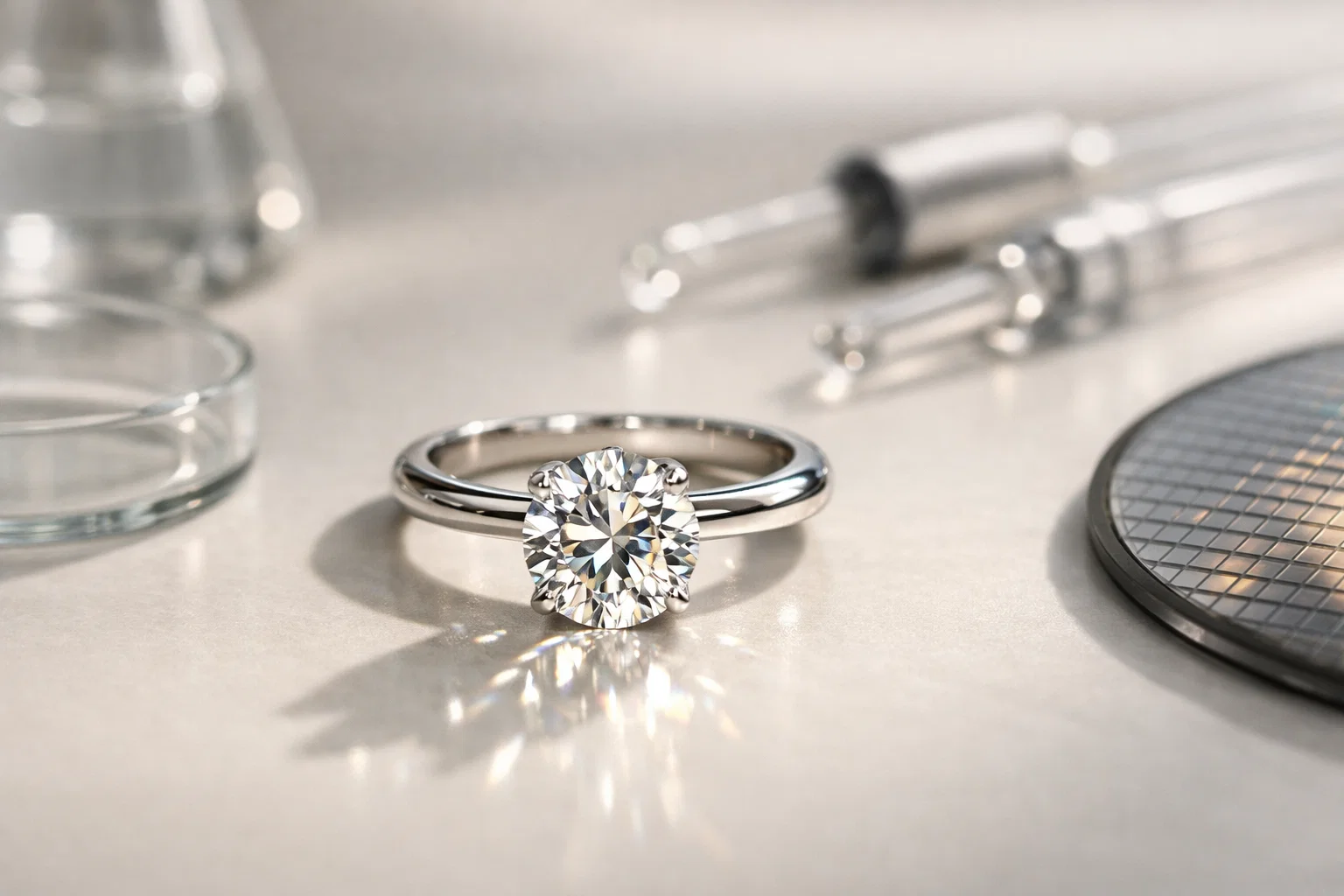
In recent years, the lab grown diamond has moved from a niche option to a mainstream choice in the jewelry world. Many modern couples now choose lab-grown diamond rings for their engagement ring or wedding rings because they offer the beauty of natural diamonds with greater transparency in pricing and sourcing.
At first glance, a grown diamond looks identical to a stone that formed naturally in the earth. In fact, both share the same chemical composition, meaning they are considered real diamonds rather than alternatives like cubic zirconia. The difference lies in how they are created. While natural diamonds form deep within the earth over millions of years, a lab grown diamond is produced in a controlled environment using advanced technology.
Because of this modern production method, many buyers ask the same questions when they start shopping: Are lab diamonds truly the same as natural diamonds? How do you judge the quality of a grown diamond? And perhaps most importantly, how do you choose the right diamond for an engagement ring or diamond ring?
Understanding these fundamentals can make the process far less intimidating. When you know what factors influence diamond quality, it becomes easier to compare lab created diamonds, evaluate their specifications, and choose a stone that fits both your budget and personal style.
II. What Makes a Lab Grown Diamond Different From Natural Diamonds
Before learning how to choose a diamond, it helps to understand what makes a lab grown diamond unique.
Both lab diamonds and natural diamonds are made of carbon atoms arranged in a crystalline structure. This structure is what gives diamonds their durability and brilliance. The key difference is how the crystal forms.
In nature, earth mined diamonds develop under extreme heat and pressure deep underground. This natural diamond formation process takes millions of years before a diamond reaches the earth’s surface through volcanic activity.
In contrast, a lab grown diamond begins with a tiny diamond seed placed inside a controlled laboratory environment. Through advanced processes such as chemical vapor deposition, carbon atoms gradually attach to the seed and grow into a full crystal. The result is a diamond that shares the same physical and optical characteristics as its mined counterpart.
Because of this identical structure, lab created stones exhibit the same brilliance and hardness as mined diamonds. This is why gemological organizations classify them as real diamonds rather than synthetic substitutes.
Another key advantage is sourcing transparency. Many buyers choose lab grown diamonds because they are considered conflict free diamonds, helping address ethical concerns associated with traditional mining.
For people shopping for an engagement ring, this combination of modern technology, ethical sourcing, and accessible pricing has made lab grown diamonds increasingly attractive. In many cases, buyers discover that lab grown diamonds are cheaper than comparable natural stones, allowing them to choose a larger center stone or invest in a more elaborate design.
Understanding these differences is the first step toward selecting the right diamond. Once you recognize how lab diamonds are created and evaluated, the next step is learning how to judge the factors that influence their appearance and value.

III. The 4Cs Still Matter When Choosing a Lab Grown Diamond
Even though a lab grown diamond is created in controlled laboratory environments rather than deep within the earth’s mantle, the way we evaluate its quality remains largely the same as with natural diamonds.
Professional gemological laboratories assess diamonds using the well-known 4Cs: carat weight, cut, color, and clarity. These factors determine whether a diamond is considered a higher quality diamond and how it will appear once set in a diamond ring or engagement ring.
Carat Weight and Visual Impact
Carat weight refers to the size of the diamond. For many buyers, it’s the first factor they notice when comparing diamonds.
One advantage of a lab grown diamond is that it often allows buyers to choose a larger center stone without dramatically increasing the price. Because lab diamonds are produced using cutting edge technology and specialized equipment, the supply is more predictable than that of mined stones.
As a result, many couples selecting an engagement ring find they can prioritize size while still maintaining excellent overall quality.
Clarity and Internal Characteristics
Clarity refers to internal features known as inclusions. In some diamonds, a clarity inclusion visible under magnification may affect how light travels through the stone.
However, many lab diamonds still display exceptional transparency and brilliance. Because the carbon structure forms under carefully controlled conditions, a well-cut stone can deliver the same brilliance and sparkle expected from the finest natural diamonds.
In many cases, these stones are optically identical to their natural counterparts, making them virtually indistinguishable once set in fine jewelry.
IV. Understanding How Lab Diamonds Are Created
To fully understand the value of a grown diamond, it helps to look briefly at how it is formed.
Unlike natural diamonds, which developed deep beneath the brilliant earth over millions of years, a lab grown diamond begins with a tiny diamond seed placed in a specialized growth chamber.
Inside this environment, carbon atoms gradually attach to the seed and build a crystal structure identical to that of natural diamonds.
Advanced Technology Behind Lab Diamonds
Modern lab diamonds are produced using advanced systems such as chemical vapor deposition. In this process, a vacuum chamber filled with carbon-rich gas allows carbon atoms to slowly crystallize onto the seed.
Over time, the crystal grows layer by layer until it becomes a full diamond.
Thanks to this cutting edge technology, the final stone has the same chemical composition, durability, and brilliance as mined diamonds.
On the Mohs hardness scale, both natural and lab diamonds rank at the top, meaning they are equally resistant to scratching and suitable for everyday wear.
Ethical and Sustainable Advantages
Another reason many buyers now prefer lab diamonds is sustainability.
Because they are produced in controlled facilities rather than extracted from the earth, lab grown diamonds avoid mining and can support more sustainable practices within the jewelry industry.
For many modern couples choosing an engagement ring, this makes a lab diamond an appealing balance between luxury and responsibility.
In addition to being identical to natural diamonds, they also address growing concerns about environmental impact and sourcing transparency.
V. Choosing the Right Diamond Shape and Cut for Maximum Brilliance
When selecting a lab grown diamond, many buyers focus first on size or price. However, the overall visual impact of a diamond often depends more on cut quality and diamond shapes.
The cut determines how light travels through the diamond and reflects back to the eye. Even a larger stone may appear dull if the cut is poorly executed, while a smaller diamond with excellent proportions can deliver maximum brilliance.
Understanding Cut Quality
Professional grading reports from gemological laboratories evaluate several aspects of a diamond’s finish, including:
Symmetry (often graded from fair to good or higher)
Polish and surface quality
Overall cut quality
On many certification reports you may see notes related to report polish sym, which refer to the polish and symmetry assessments used to evaluate the precision of the diamond’s finishing.
A diamond with good symmetry and excellent cutting proportions will typically produce stronger light return and sparkle.
Because lab diamonds share the same durability and crystal structure as their natural counterparts, these cut characteristics influence their appearance in exactly the same way.
Diamond Shapes and Personal Style
Beyond technical performance, personal style also plays an important role.
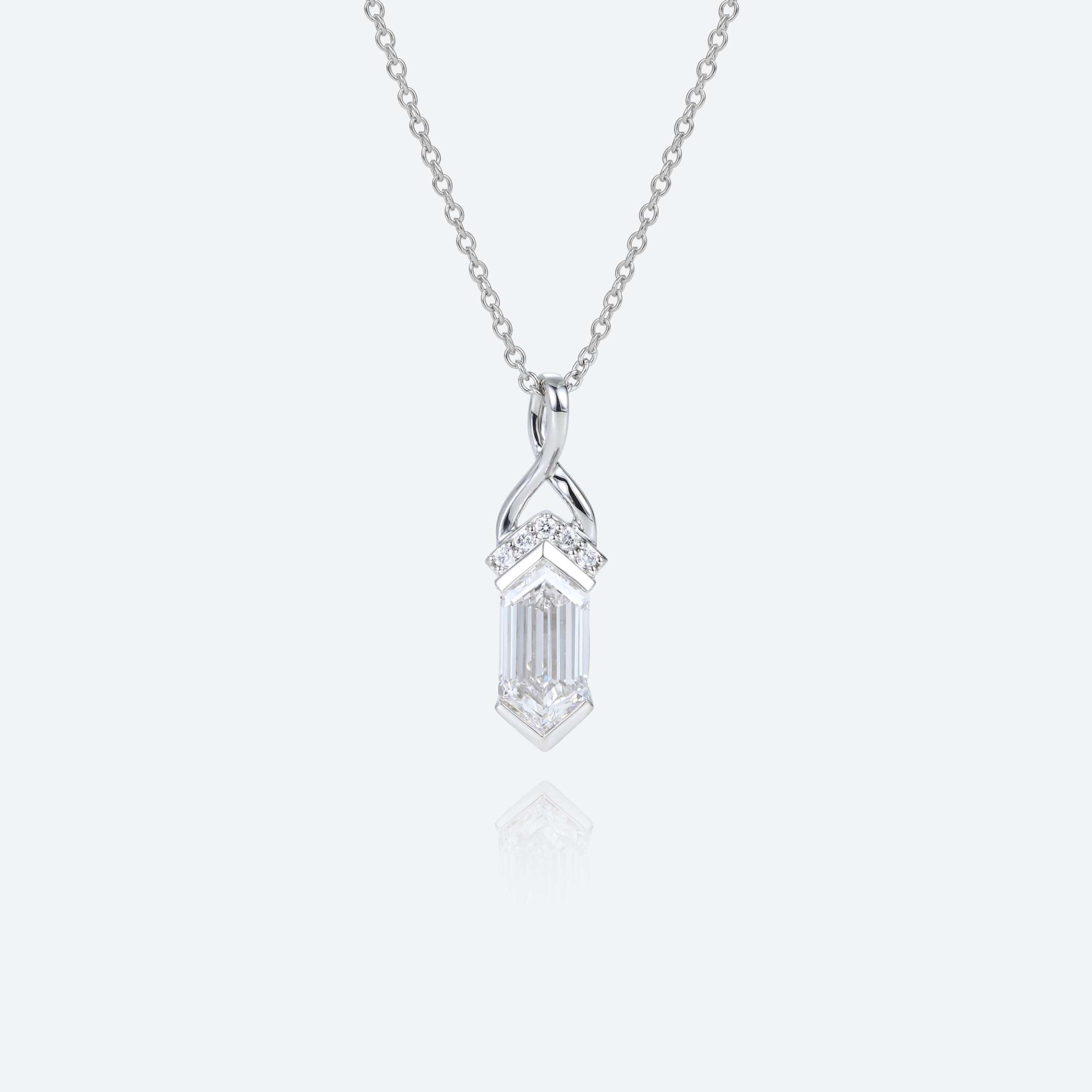
Different diamond shapes create different visual impressions:
Round diamonds maximize brilliance and remain the most popular choice.
Oval and pear shapes often appear larger than their carat weight.
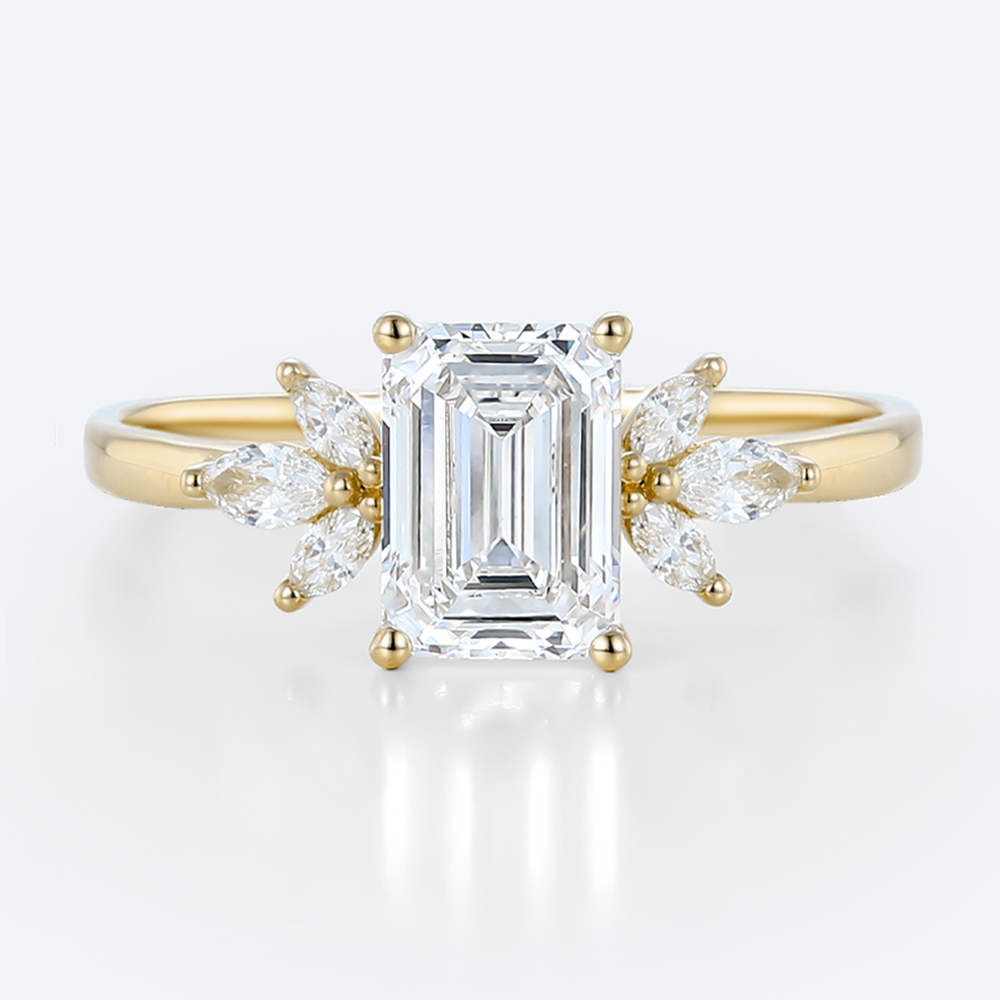
Emerald cuts highlight clarity and elegant step-cut reflections.
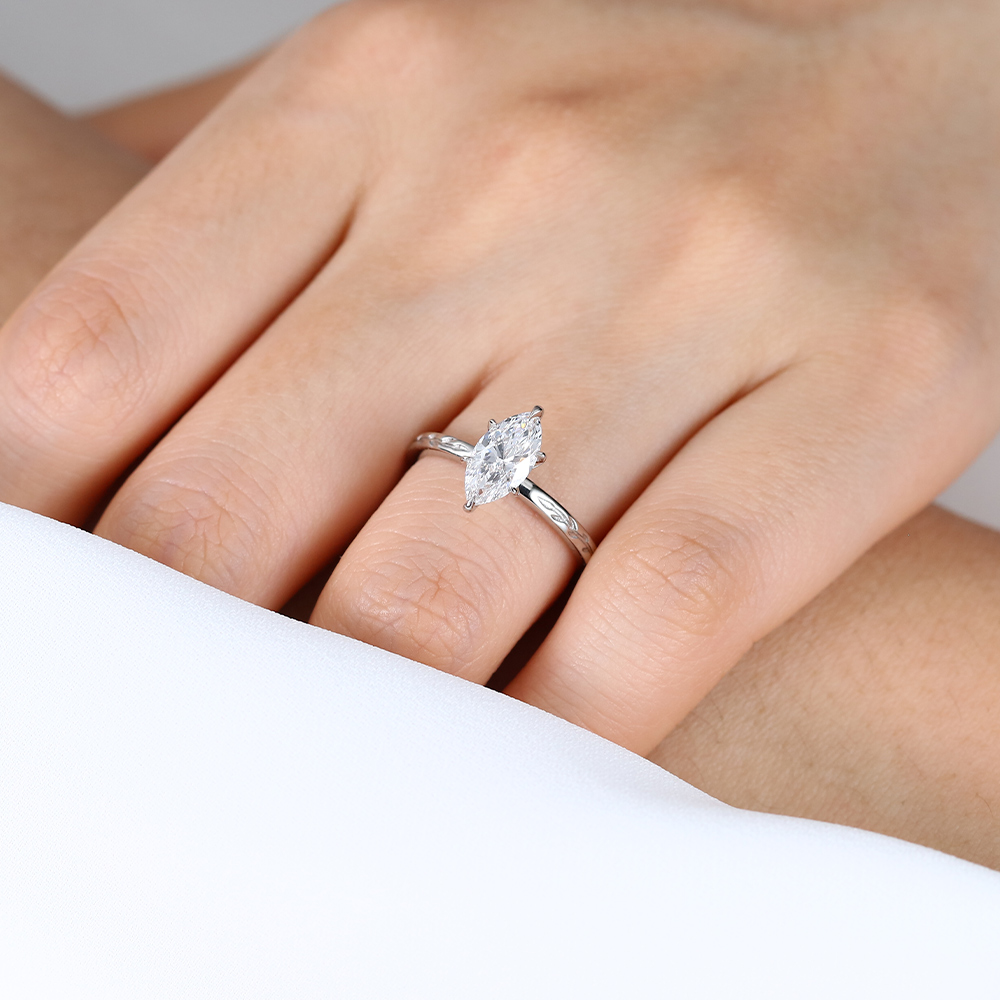
Choosing the right shape ultimately comes down to personal taste and how the diamond complements the overall design of the engagement ring or diamond ring.
Many buyers prefer shapes that balance beauty with budget flexibility, especially when selecting a center stone for an engagement ring.
VI. Finding the Best Lab Grown Diamond for Your Budget
One of the biggest advantages of choosing a lab grown diamond is the ability to find a beautiful stone while staying within the same budget.
Because lab diamonds are produced using advanced technology rather than rare geological events, buyers often have more flexibility when comparing options.
Prioritizing What Matters Most
When comparing diamonds, consider which factors will make the biggest visual difference.
For many buyers, prioritizing these elements can create the best balance:
Cut quality for brilliance
Appropriate carat weight for presence
Clean appearance with minimal clarity inclusion
Instead of focusing only on technical perfection, many jewelers recommend choosing a stone that looks beautiful to the naked eye.
This approach allows buyers to select a larger or better-cut diamond without dramatically increasing the cost.
Practical Tips When Shopping
When you shop lab grown diamonds, it can be helpful to:
Review grading reports from reputable labs
Compare several diamonds with similar specifications
Use advanced reset filters or search tools to narrow options
Most jewelers also recommend considering the long-term design of the ring, especially if the diamond will be set in an engagement ring worn every day.
Although lab diamonds may have different resale value compared to mined stones, they offer many advantages for modern buyers — including transparency, affordability, and ethical sourcing.
For couples looking for a responsible alternative, lab diamonds represent a modern way to celebrate important moments without compromising beauty.