


I. Are Lab Diamonds Flawless Or Just Marketing
Many buyers assume that lab grown diamonds flawless means every lab diamond is perfect. In reality, this is not entirely true. While lab-grown diamonds are created in controlled environments, most still contain small internal inclusions or very minor surface blemishes.
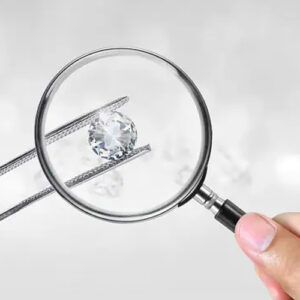
A truly flawless diamond is defined as a stone with no visible imperfections under 10x magnification. This is considered the highest clarity grade in the diamond industry and is extremely rare—whether the stone is a lab diamond, natural diamond, or mined diamond.
In fact, most diamonds on the market fall into categories such as VVS clarity or slightly included grades. These diamonds may have imperfections, but they are often not visible to the naked eye, meaning they still appear clean and brilliant.
The idea that all lab grown diamonds flawless is largely a misunderstanding. While lab diamonds can achieve very high diamond quality, they are not automatically flawless. The key difference is that the growth process allows for more control, but not complete perfection.
Understanding this distinction is essential before deciding whether a flawless lab grown diamond is worth pursuing.
II. What Does Flawless Mean In Diamond Clarity Grades
To understand whether lab diamonds flawless is realistic, it’s important to first look at how clarity grades are defined.
The International Gemological Institute and other labs classify diamonds based on their internal and external characteristics. These clarity diamonds are graded from Flawless FL down to Included categories, depending on the number, size, and visibility of internal inclusions.
At the top of the scale is the internally flawless diamond, which has no internal inclusions but may have very minor surface marks. A true flawless diamond, however, has neither internal nor external imperfections under magnification.
In most cases, even diamonds with high clarity will still contain natural inclusions formed during their growth process. This applies to both lab created diamonds and natural diamonds formed deep within the earth’s surface.
For buyers, the important distinction is visibility. Many inclusions are so small that they cannot be seen with the unaided eye, meaning the diamond still looks perfect in everyday wear, especially in an engagement ring.
Rather than focusing only on the idea of a flawless diamond, understanding clarity grades helps you evaluate real-world beauty and choose a diamond that balances appearance, rarity, and value.
III. Lab Diamond Flawless vs Internally Flawless Diamond What Is the Difference
When comparing a flawless diamond and an internally flawless diamond, the difference is subtle but important. A flawless FL diamond has no internal inclusions and no surface blemishes under magnification, making it the rarest and most sought after clarity grade.
An internally flawless diamond, however, has no internal inclusions but may contain minor surface blemishes. These small marks are usually invisible to the naked eye and have little impact on the stone’s overall beauty or brilliance.
In practice, many buyers cannot see a visual difference between these two grades without professional tools. Because of this, many buyers choose internally flawless or even VVS clarity diamonds, which still offer exceptional quality at a more reasonable price.
For most people, the goal is not a “perfect diamond,” but a stone that appears flawless in everyday conditions, especially when set in an engagement ring.
IV. Can Lab Diamonds Be Truly Flawless
Technically, lab grown diamonds can be created to reach a flawless grade, but this is extremely rare. Even in controlled environments where lab diamonds are created, small structural changes during growth can introduce minor inclusions or blemishes.
Both lab created diamonds and natural diamonds form under conditions that are difficult to control perfectly. In nature, diamonds develop deep within the earth, where pressure and heat introduce natural inclusions. In a lab, similar processes are replicated, but slight variations can still affect the final clarity.
Additionally, some imperfections only become visible under magnification or specific conditions such as ultraviolet light, which is why diamonds are carefully evaluated by a gemological institute using detailed grading reports.
Because of this, truly flawless diamonds—whether lab grown or natural—are considered extremely rare and often come with significantly higher value. For most buyers, choosing a diamond with high clarity that appears clean to the eye is a more practical approach.
V. Why Most Lab Grown Diamonds Have Inclusions
Although lab grown diamonds are created in controlled environments, they are not completely free from imperfections. During the process where lab diamonds are created, slight variations in temperature, pressure, or growth speed can introduce minor inclusions or surface blemishes.
These inclusions are often microscopic and do not affect the diamond’s overall sparkle, brilliance, or beauty. In fact, most inclusions are not visible to the naked eye, especially in well cut stones.
Compared to natural diamonds, which form deep within the earth, lab diamonds may have different types of inclusions, but the overall impact on diamond quality is often minimal. The key factor is how these inclusions affect the stone’s appearance.
In many cases, choosing a slightly lower clarity grade can offer excellent value, allowing buyers to prioritize size or cut while still achieving a visually clean diamond.
VI. Are Flawless Diamonds Worth It
A common question is whether flawless diamonds worth the higher cost. While a flawless diamond represents the highest level of clarity, it does not always guarantee the best overall appearance.
Diamonds with lower clarity grades—such as VVS clarity or even SI clarity—can still appear identical to a flawless stone without magnification. The difference is often only visible under professional inspection, not in everyday viewing conditions.
Because of their rarity, flawless diamonds command premium prices and are often marketed as symbols of perfection. However, many buyers find that these stones offer limited practical advantage compared to slightly lower clarity options.
For most people, a diamond that is eye clean provides the best balance between beauty, quality, and price. Instead of focusing solely on achieving a “perfect diamond,” it is more important to consider how the stone looks in real life.
VII. Best Clarity For Lab Grown Diamond Engagement Ring
When choosing a diamond for an engagement ring, clarity should be evaluated alongside cut, color, and carat weight. The goal is to select a stone that looks clean while maximizing overall value.
For most buyers, diamonds in the VVS clarity or VS clarity range offer excellent results. These stones typically have inclusions that are not visible to the unaided eye, meaning they maintain a flawless appearance in everyday wear.
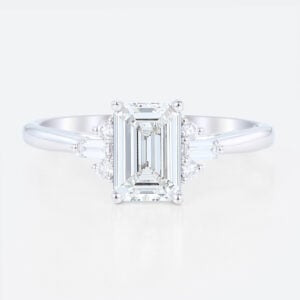
The choice of diamond shape can also influence how inclusions are seen. For example, round diamonds tend to hide inclusions better due to their strong light performance, while step cuts like emerald shapes may reveal more internal characteristics.
Additionally, the setting plays a role. A well designed setting can enhance the diamond’s visual appeal, protect areas with inclusions, and improve overall brilliance.
Ultimately, the best diamond is one that balances clarity, size, and style while fitting your budget and personal preference.
VIII. Final Thoughts Are Lab Diamonds Truly Flawless
So, are lab diamonds flawless? The answer is simple: not always.
While it is possible for a lab grown diamond to reach a flawless grade, most diamonds—whether lab grown or natural—contain small inclusions that do not affect their overall beauty or performance.
Understanding how clarity, cut, and other factors influence a diamond allows you to focus on what truly matters: sparkle, durability, and real-world appearance.
In the end, the best choice is not necessarily a flawless diamond, but a well balanced stone that delivers exceptional brilliance, lasting quality, and meaningful value for your engagement ring.
Frequently Asked Questions About Lab Diamonds Flawless
Not always. While lab grown diamonds flawless is a common assumption, most lab diamonds still contain small inclusions. The main difference between lab grown and natural diamonds is how they are created, not whether they are perfectly flawless.
A flawless diamond has no internal or external imperfections under magnification, while an internally flawless diamond has no internal inclusions but may show minor surface marks. In most cases, the visual difference is not noticeable without magnification.
Yes. A VVS diamond offers extremely high clarity and often appears identical to a flawless diamond to the naked eye. Many buyers prefer VVS because it delivers excellent diamond quality without the higher cost of a flawless stone.
Not necessarily. Sparkle and beauty are mainly influenced by diamond cut and light performance, not just clarity. Even a diamond with slightly lower clarity can appear just as brilliant if it is well cut.
For most buyers, flawless diamonds worth the price only if rarity is a priority. Since inclusions are often invisible to the eye, many people choose slightly lower clarity stones for better overall value.
In general, lab grown diamonds may have a lower resale value compared to natural diamonds. However, they often provide better upfront value, allowing buyers to choose a larger or higher quality stone within the same budget.
Official grading reports evaluate a diamond’s clarity based on the size, number, and visibility of inclusions. These standards are consistent across major labs and often follow systems similar to the GIA scale.
Most diamonds in the VVS or high VS clarity range appear flawless to the naked eye. These stones offer an excellent balance between quality, appearance, and price.
Yes. Certain diamond shapes, such as round cuts, can better hide inclusions. Factors like symmetry grades and cut quality also influence how light reflects, improving the overall appearance of the diamond.
Diamonds described as icy white typically have high color grades combined with strong clarity. However, overall appearance depends on how light interacts with the stone, not just clarity alone.