



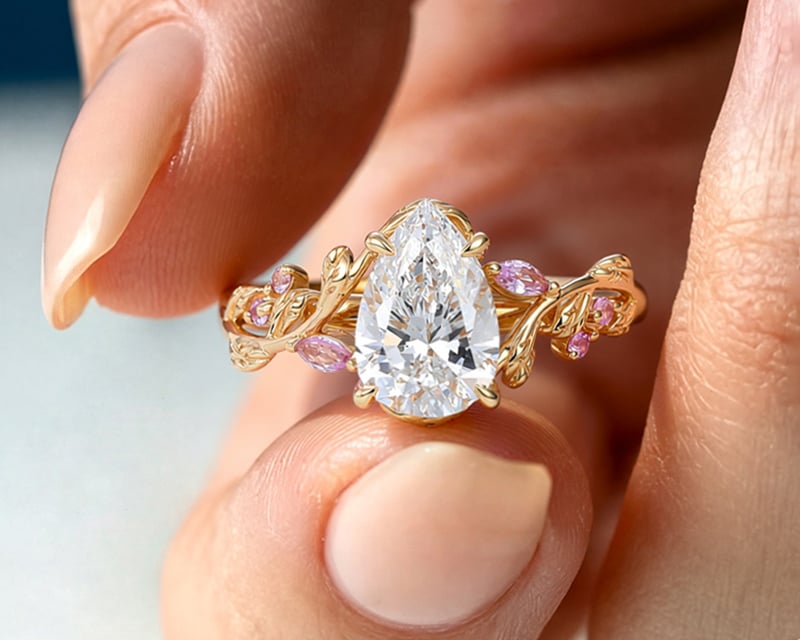










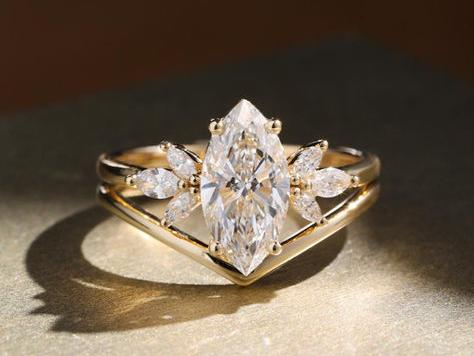
In the modern world of fine jewelry, a revolutionary choice has emerged for those seeking beauty, value, and ethical integrity: lab-grown diamonds. But for many newcomers, the first question remains, “What are the lab diamonds?” Simply put, lab diamonds are real diamonds. Unlike diamond simulants such as cubic zirconia, lab-grown diamonds, real stones possess the exact same chemical properties, physical structure, and optical properties as diamonds pulled from the earth.
When you hold a lab diamond, you are holding a miracle of modern science. These lab-created diamonds are chemically identical to natural diamonds, meaning they exhibit the same breathtaking brilliance, sparkle, and shine. For couples looking for engagement rings, the price of lab-grown diamonds has made luxury more accessible than ever before. At LisaJewelryUS, we believe that every connection should be celebrated with a stone that reflects both your love and your values. By choosing lab-grown, you are opting for ethically sourced jewelry that is no longer relevant to the environmental and social concerns of traditional mining.
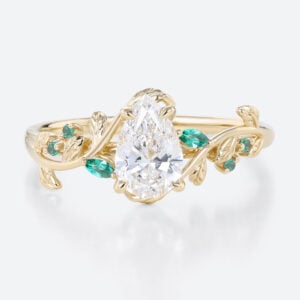
I. From the Earth's Mantle to the Lab: How We Create Lab Grown Diamonds
To truly answer “What are the lab diamonds?” one must understand their origin. While natural diamonds form under intense heat and pressure deep within the earth’s mantle over billions of years, lab created diamonds are crafted in a controlled laboratory environment in a matter of weeks. The only difference is the point of origin; the resulting stone is identical.
Scientists use two primary methods to create diamonds in these high-tech labs:
- Chemical Vapor Deposition (CVD): In the chemical vapor deposition process, a tiny diamond seed is placed in a vacuum chamber. Carbon-rich gases are introduced, and using tiny amounts of energy, the carbon atoms are released to settle onto the seed, growing the lab diamond layer by atomized layer.
- HPHT Diamond (High Pressure High Temperature): This method replicates the crushing pressure and intense heat found in the earth’s mantle. By subjecting pure carbon to these extreme conditions, labs can create lab grown diamonds that pass every professional test for authenticity.
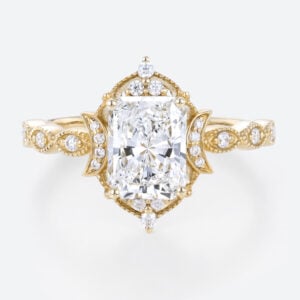
Because these primary methods allow for a precise growth process, grown diamonds often arrive with fewer inclusions and higher clarity grades than many mined diamonds. This scientific precision ensures that the quality and brilliance of lab grown diamonds are second to none. Furthermore, because they do not require deep-earth excavation, they are the premier ethical alternatives to mined stones, ensuring your purchase is free from the history of conflict diamonds and is fully supported by the Kimberley process.
II. Lab-Grown Diamonds Grading: Precision in Color and Clarity
To ensure every stone meets the highest standards of quality, a professional gemological institute subjects laboratory grown diamonds to a rigorous grading process. Just like natural diamonds, lab grown diamonds are evaluated based on the 4Cs. During this assessment, experts in a gia laboratory or similar institution look at the proportions and how light reflects through the largest facet (the table) to determine the stone’s ultimate brilliance.
Understanding the Grading Scale
Color and Clarity: Even within a very narrow range, the color range of grown diamonds can vary. Most lab grown stones aim for “colorless” grades, ensuring a crisp shine. Clarity is equally vital; while man made diamonds are grown in a controlled laboratory environment, they can still have tiny inclusions. Most premium stones are graded as slightly included or better.
Cut Grade: The cut grade is perhaps the most important factor for sparkle. Whether you prefer a princess cut diamond or other fancy shapes, the precision of the cut determines how much light the diamond will pass back to the eye.
Carat Weight: The carat weight of lab grown diamonds is measured to a narrow range of accuracy. Because the price per carat is more accessible, consumers understand that they can afford a larger carat weight without sacrificing the quality of the metal or the setting.
By reviewing the printed document (the certificate), you can verify the gia quality assessment number or report ID. This ensures the manufactured product you are buying is a high-grade lab diamond that will hold its brilliance for a lifetime.
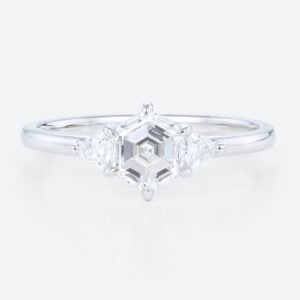
III. The Value and Price Connection: Why Lab Grown Diamonds are Longer Relevant
One of the most definitive moments for any jewelry buyer is discovering the massive price difference between mined and lab grown stones. The price of lab grown diamonds is not lower because they are “cheap,” but because the growth process in labs is more efficient than deep-earth mining. This price advantage is why lab grown is longer relevant to modern couples.
Comparing Price and Retail Value
The price of natural diamonds includes the high costs of the Kimberley process and heavy machinery. In contrast, the price of lab created diamonds focuses on the technology and the minimum fee for professional grading.
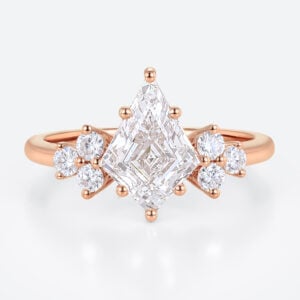
Engagement Rings Price: For the price of a 1-carat natural diamond, you can often purchase a 2-carat or 3-carat lab diamond. This price-to-value ratio is unbeatable.
Earrings and Pendants Price: The price of earrings and the price of a pendant also benefit from this value. You can choose a more intricate style or a more expensive metal like gold because you saved so much on the diamond price.
Resale Value and Market: While the retail value of mined diamonds is traditionally higher, the price you pay upfront for lab grown represents a massive saving that you can keep in your pocket today. This protection against a market fall in your personal budget is a key reason consumers understand the value of lab grown.
At LisaJewelryUS, we believe in ethically sourced luxury. When you discover the connection between a fair price and a high-quality stone, you realize that lab grown diamonds are the ethical alternatives that make the most sense for your moment.
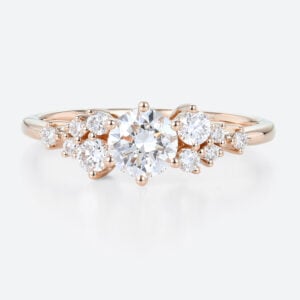
IV. Choosing Your Style: Settings, Metal, and Ethical Brilliance
When you discover the perfect lab diamond, the next step is selecting a setting that highlights its brilliance. Because the price of lab grown diamonds is so competitive, many of our customers choose to upgrade their metal to high-quality gold or platinum. Whether you are looking for engagement rings, a classic necklace, or sparkling earrings, the metal you choose should complement the shine of the stone.
At LisaJewelryUS, we offer a vast collection of crafted pieces designed to last a lifetime. Our fine jewelry is ethically sourced, ensuring that your moment of celebration is not dampened by the environmental costs of traditional mining. Because lab grown diamonds are longer relevant to the modern, eco-conscious world, you can wear your jewelry with pride. Plus, with our reliable shipping, your custom crafted ring or pendant will arrive safely and promptly, ready for your definitive moment.
Conclusion: A Definitive Moment in Luxury
Understanding what are the lab diamonds is the first step toward a smarter, more ethical investment. With the same brilliance as natural diamonds but at a much more accessible price, lab grown stones are the traditional choice for a new generation. Whether you are attracted to the quality, the shine, or the conflict free diamonds guarantee, LisaJewelryUS is here to help you discover a connection that lasts forever. Explore our collection today and find the gold or metal setting that makes your lab diamond truly unique.
Everything You Need to Know About Lab-Grown Diamonds
To help consumers understand the intricacies of this manufactured product, we have compiled the most common questions regarding lab grown diamonds grading and value.
Do lab-grown diamonds pass a diamond tester?
Yes. Because they are real diamonds with the same chemical properties, they will pass any thermal or electrical tester used for natural diamonds.
Why is the price of lab grown diamonds lower?
The price is lower because the growth process is controlled. The price of lab created diamonds doesn’t require expensive earth excavation. This value allows you to get a larger carat weight for a lower price.
Is there a minimum fee for lab grown diamonds certification?
Yes, every gemological institute charges a minimum fee for a printed document or certificate. This fee ensures that the color and clarity of your diamond are accurately verified.
What is the largest facet of a diamond called?
The largest facet on the top of the diamond is called the table. The proportions of the table and the diamond’s girdle are critical to how much light reflects and creates sparkle.
Can I get fancy shapes in lab-grown diamonds?
Absolutely! You can find a princess cut diamond, emerald cut, or any other fancy shapes. The cut grade remains excellent across all styles.