






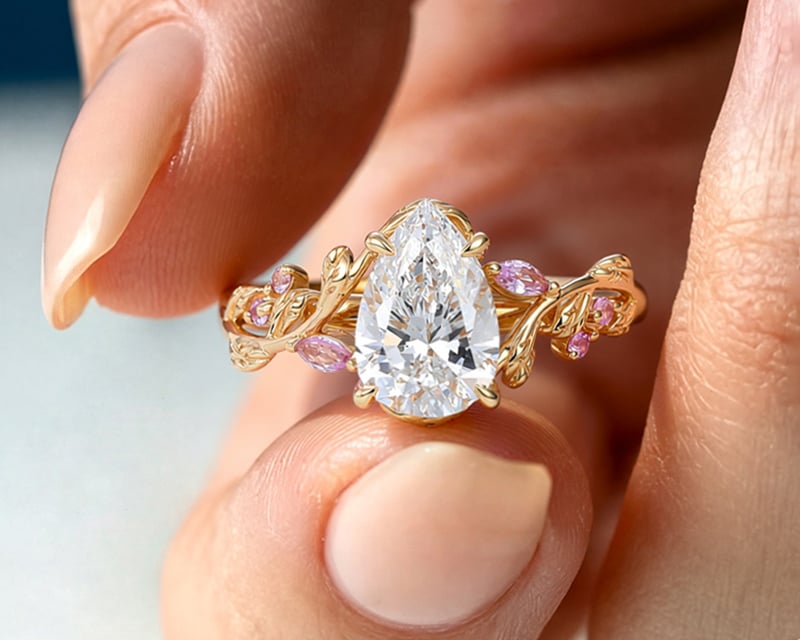





















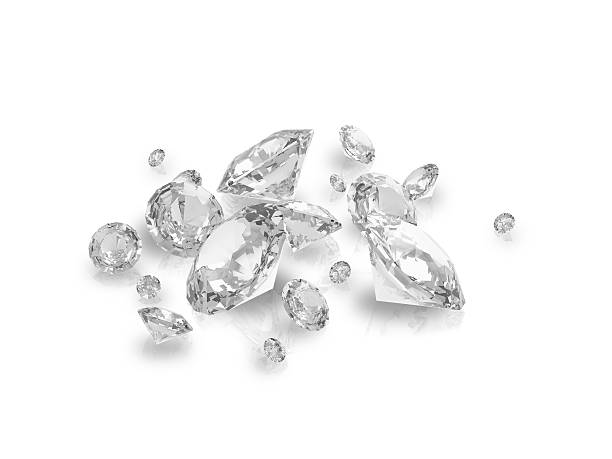
In recent years, the advantages of lab grown diamonds have become increasingly clear to modern buyers. As the jewelry industry evolves, more people are comparing lab grown diamonds with natural diamonds when selecting pieces for engagement rings, wedding jewelry, and everyday fine jewelry.
Unlike mined diamonds formed deep within the earth’s crust through natural diamond formation, lab grown diamonds are created using advanced manufacturing methods such as chemical vapor deposition. This process allows scientists to replicate the same chemical composition and crystal structure found in real diamonds.
As a result, lab diamonds are not diamond simulants like cubic zirconia. They share the same physical properties and optical properties as natural diamonds, including durability, brilliance, and clarity.
This is why many buyers now consider lab grown diamonds when purchasing engagement rings or other diamond jewelry. They offer the same beauty and performance while aligning with evolving expectations around ethical sourcing and fewer carbon emissions compared to traditional diamond mining.
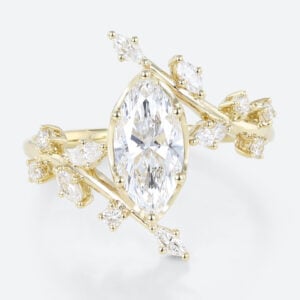
I. How Lab Grown Diamonds Compare to Natural Diamonds
Understanding how lab grown diamonds compare to natural diamonds is essential when choosing lab grown diamonds for important purchases such as engagement rings or wedding jewelry.
Both lab created diamonds and mined diamonds share the same chemical composition, physical properties, and crystal structure. Standard diamond testers cannot distinguish between them because they are real diamonds, not synthetic diamonds or conflict diamonds.
The key difference lies in origin.
Natural diamonds are formed under extreme pressure deep inside the earth’s crust over billions of years. In contrast, lab grown diamonds are produced in controlled environments using diamond seed technology and modern manufacturing methods.
This distinction does not affect diamond’s quality. Lab grown diamonds maintain the same durability, carat weight potential, and brilliance as traditional diamonds.
For buyers focused on cost savings, lab grown diamonds offer a practical alternative. They make it possible to select larger stones for engagement rings, tennis bracelets, and everyday fine jewelry without compromising consistent quality.
Additionally, lab grown diamonds are conflict free and offer greater transparency in sourcing, which appeals to consumers concerned about blood diamonds and ethical sourcing in the diamond industry.

II. The Advantages of Lab Grown Diamonds for Modern Jewelry Buyers
In today’s evolving jewelry market, the advantages of lab grown diamonds are becoming increasingly clear. As buyers compare lab grown diamonds with their mined counterparts, many are discovering that modern technology offers a more sustainable alternative without sacrificing beauty or performance.
Lab grown diamonds are created through advanced production processes such as chemical vapor deposition. This cutting edge technology replicates the natural conditions found deep within the earth’s mantle where natural ones are formed.
Unlike diamond simulants such as cubic zirconia, lab diamonds share the same chemical composition, crystal structure, and optical properties as traditional diamonds. This means buyers receive all the benefits of real diamonds, including durability and brilliance.
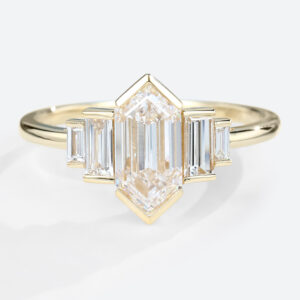
A More Sustainable Alternative to Traditional Mining
One of the most important advantages of lab grown diamonds is their significantly lower environmental impact compared to traditional mining.
Producing diamonds in a controlled environment avoids large scale excavation and reduces environmental disruption per square inch of land used. This makes lab grown diamonds a more sustainable alternative for buyers concerned about environmental impact and the future of responsible sourcing.
As environmental concerns grow, fashion trends are also shifting toward ethically sourced materials. Lab grown diamonds align with these market trends by offering beauty without the environmental cost associated with mining.
III. How Lab Grown Diamonds Compare to Natural Diamonds
Understanding how lab grown diamonds compare to natural diamonds is essential when choosing lab grown diamonds for engagement rings, wedding jewelry, or everyday fine jewelry.
Both lab grown diamonds and natural ones share the same physical properties, optical performance, and crystal structure. In fact, standard diamond testers cannot distinguish between them.
The difference lies in origin and production process.

Lower Cost Without Compromising Quality
Lab grown diamonds are produced through a controlled process rather than traditional mining. This leads to a lower cost and lower price point for buyers.
As a result, customers can enjoy exceptional value by selecting larger carat weight stones with fewer inclusions while staying within budget.
This cost advantage is one of the key market trends driving the growing popularity of lab grown diamonds in engagement rings and fine jewelry.
Consistent Quality Through Advanced Technology
The use of modern production methods allows lab grown diamonds to achieve consistent quality. Unlike mined diamonds, which vary naturally, lab grown stones can be produced with greater precision.
This cutting edge technology ensures that lab grown diamonds deliver the same physical properties and brilliance as natural diamonds while offering a more predictable outcome.
For many buyers, this means receiving all the benefits of real diamonds without the uncertainties associated with traditional mining.

IV. Ethical Sourcing and Transparency
Another key advantage of lab grown diamonds is their transparent production process.
Unlike traditional mining, which may involve complex supply chains, lab grown diamonds are produced in controlled environments. This allows for greater transparency and helps ensure ethical sourcing.
Because they do not involve mining, lab grown diamonds eliminate concerns related to conflict diamonds and sourcing practices that have historically affected parts of the diamond industry.
Conflict Free by Design
Lab grown diamonds are inherently conflict free.
Since they are created using advanced technology rather than extracted from the earth, buyers can avoid the ethical uncertainties associated with traditional mining while still enjoying all the benefits of real diamonds.
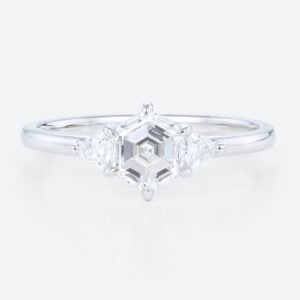
V. Exceptional Value and Larger Stones
Lab grown diamonds offer exceptional value compared to natural diamonds.
Thanks to their lower cost and more efficient production process, buyers can often select stones with higher carat weight or fewer inclusions without increasing their budget.
This makes lab grown diamonds particularly attractive for engagement rings and fine jewelry, where visual impact matters.
More Beauty for the Same Budget
Because lab grown diamonds are produced in laboratories rather than mined from the earth’s mantle, they provide a lower price point.
This allows customers to enjoy the same beauty and brilliance found in natural diamonds while maximizing value.
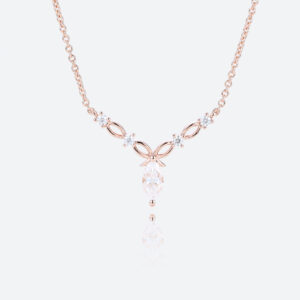
VI. Consistent Quality and Few Inclusions
Another major benefit is consistency.
Natural diamonds are formed over billions of years, which leads to natural variation in clarity and structure. In contrast, lab grown diamonds are produced through a controlled process that allows for more predictable outcomes.
Precision Through Technology
Advanced manufacturing techniques help create stones with few inclusions and consistent quality.
This ensures that lab grown diamonds meet high standards of appearance and durability, making them suitable for everyday wear.
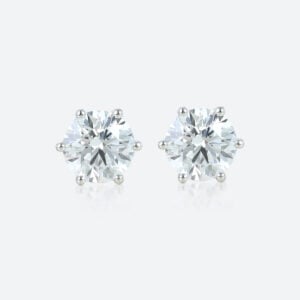
VII. A More Sustainable Future Choice
As sustainability becomes more important, lab grown diamonds are increasingly viewed as a more sustainable alternative.
Their significantly lower environmental impact compared to traditional mining makes them appealing to modern buyers who value responsible sourcing.
Lab grown diamonds require less land use per square inch and avoid large-scale excavation associated with mining operations.
VIII. Alignment with Modern Market Trends
Lab grown diamonds also reflect broader market trends.
Today’s buyers are influenced by fashion trends, ethical considerations, and technological innovation.
The use of cutting edge technology in diamond creation aligns with these expectations while maintaining the same physical properties and optical properties as natural diamonds.
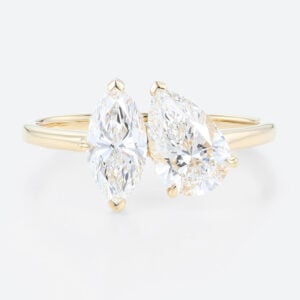
IX. Are There Any Disadvantages of Lab Grown Diamonds
While lab grown diamonds offer many advantages, it is important to acknowledge potential disadvantages of lab grown diamonds.
For example:
Some buyers prefer the historical rarity of natural diamonds
Resale value may differ
Market perception continues to evolve
However, these considerations do not affect the diamond’s quality, durability, or brilliance.
Conclusion
Lab grown diamonds offer a combination of lower cost, ethical sourcing, consistent quality, and significantly lower environmental impact.
By providing all the benefits of natural diamonds without the need for traditional mining, they represent a practical and more sustainable alternative for modern buyers.
As market trends continue to evolve, lab grown diamonds are becoming an increasingly popular choice for engagement rings and fine jewelry.