In the modern diamond industry, a sparkling revolution is taking place. Many jewelry lovers are asking the same curious question: "How are lab diamonds made?" The journey from a high-tech controlled environment to a breathtaking diamond jewelry piece is a marvel of human innovation. Unlike cubic zirconia, lab-grown diamonds are not fakes; they are real diamond stones with the exact same chemical makeup, physical appearance, and brilliance as any natural diamond.
At LisaJewelryUS, we believe consumers understand that luxury should be both beautiful and ethically sourced. By choosing lab-created diamonds, you are opting for conflict-free stones that skip the environmental toll of the earth's crust. These man-made diamonds are crafted in specialized labs to ensure every carat reflects the highest quality. Because the growth process is so efficient, the price of lab-grown diamonds allows you to invest more in a premium gold or metal setting, giving you incredible value for your moment.
I. Replicating the Earth: How We Create Lab-Grown Diamonds
To truly grasp how lab diamonds are made, we must look at how we create lab-grown diamonds by mimicking the extreme conditions found deep in the Earth's crust. While mined diamonds take billions of years to form, our laboratory-grown diamonds are developed in a fraction of the time, resulting in grown diamonds that are chemically identical to their natural diamond counterparts.
There are two primary methods used to create diamonds in a controlled environment. Both methods produce real diamond crystals that pass every diamond tester with flying colors:
Chemical Vapor Deposition (CVD): This process uses a pure carbon seed and carbon-rich gases. Through a high-energy growth process, carbon atoms rain down onto the seed, building the diamond layer by atomized layer.
HPHT Diamond (High Pressure High Temperature): This method uses intense heat and crushing pressure to transform pure carbon into a solid, sparkling stone.
The only difference between these and mined stones is the origin. Because these are lab-grown, they are less relevant to the concerns of traditional mining. Whether you are looking for a princess cut diamond or a classic round shape, the quality and brilliance of lab created diamonds provide a stunning style at a price that makes luxury accessible. When you compare the retail value of lab grown to mined diamonds, the connection between science and savings becomes clear.
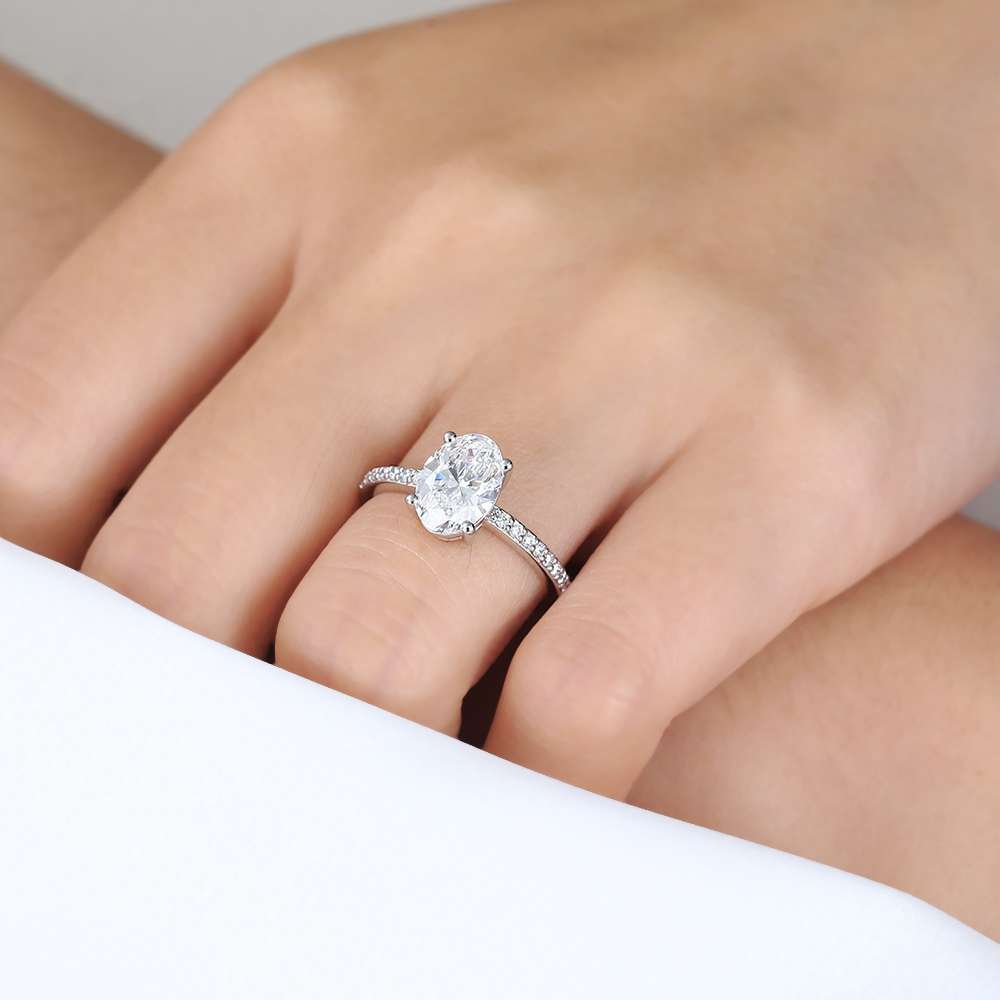
II. Chemical Vapor Deposition: Crafting Lab Created Diamonds Atom by Atom
In the modern diamond industry, chemical vapor deposition (CVD) represents the pinnacle of scientific achievement. This process allows scientists to create lab grown diamonds in a highly controlled environment that mimics the natural crystallization process. Unlike cubic zirconia, which is a different mineral entirely, a lab diamond produced via CVD is a real diamond with the exact same chemical makeup and physical appearance as mined diamonds.
The process begins in specialized labs where a thin slice of a real diamond is used as a "seed." This seed is placed in a vacuum chamber filled with carbon-rich gases. When the gases are heated into a plasma state, carbon atoms begin to rain down and bond to the seed, growing the stone layer by atomized layer. Because the growth process is so precise, lab grown stones often have exceptional light performance and clarity. For the consumer, the value is undeniable. Because the price of producing these lab grown diamonds is more efficient than mining, the final price of the jewelry is significantly lower, allowing you to invest more in a premium gold or metal setting.
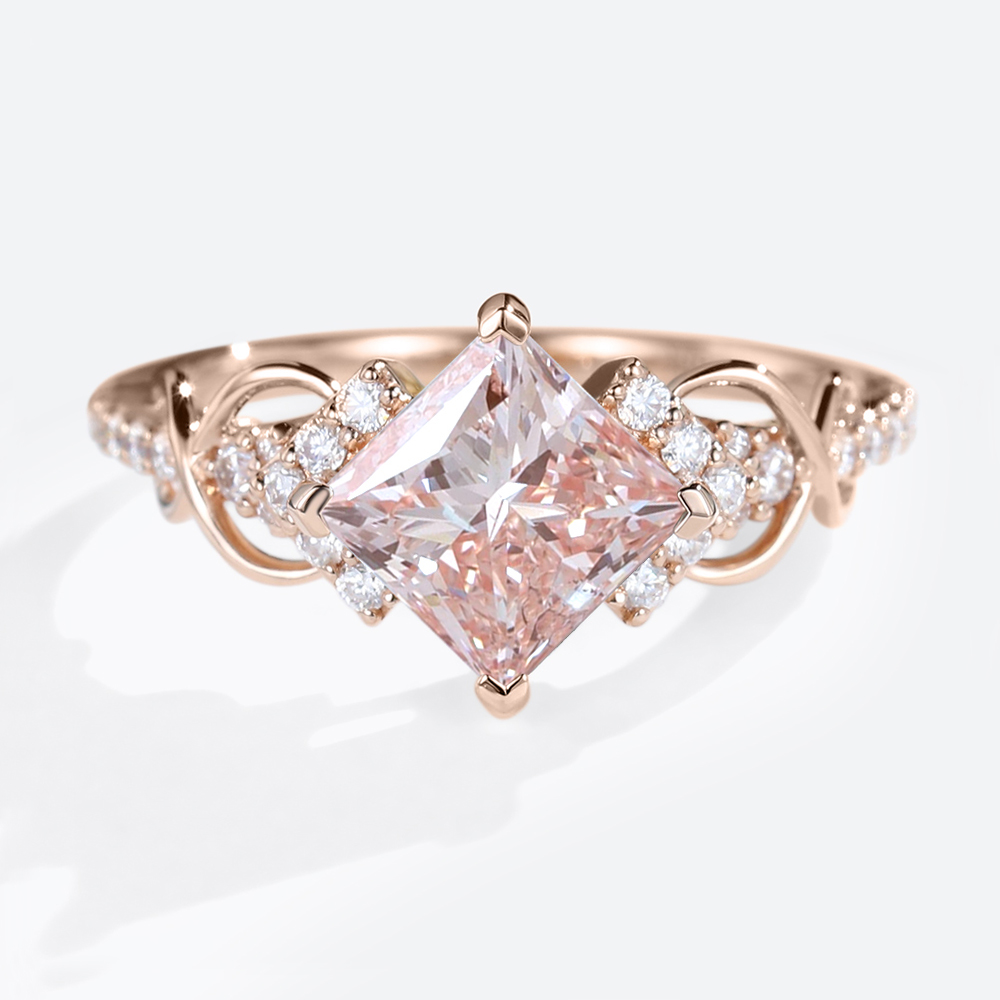
III. HPHT Technology: Replicating the Intense High Pressure of the Earth's Crust
The second of the two methods used to create diamonds is High Pressure High Temperature (HPHT). This technology is a literal recreation of the conditions found deep within the earth's crust. By subjecting pure carbon to intense heat and high pressure, labs can transform raw carbon into a beautiful, sparkling diamond crystal.
Mimicking Nature: HPHT mimics the geological forces that create natural diamond counterparts. The resulting cultured diamonds are chemically identical to stones pulled from the earth.
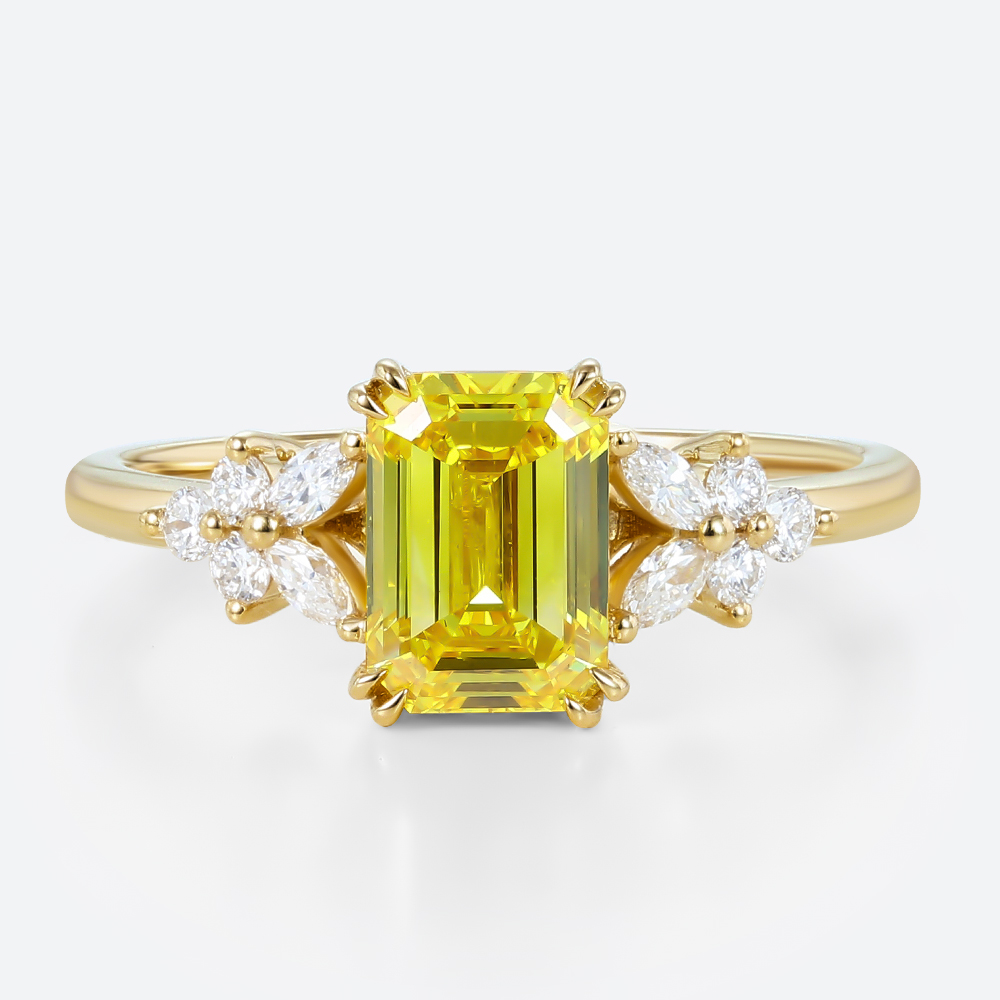
Quality and Color: This method is often used to create high-quality stones in a very narrow range of colors, including rare yellow or pink shades.
Industry Standards: Every lab created stone produced through HPHT meets strict industry standards and is often verified by an international gemological institute to ensure its carat weight and clarity measures are accurate.
Value and Accessibility: The price of an HPHT diamond is a fraction of the price of a mined stone. Whether you are buying earrings, a necklace, or a ring, the retail value of lab grown technology ensures you get the most brilliance for your budget.
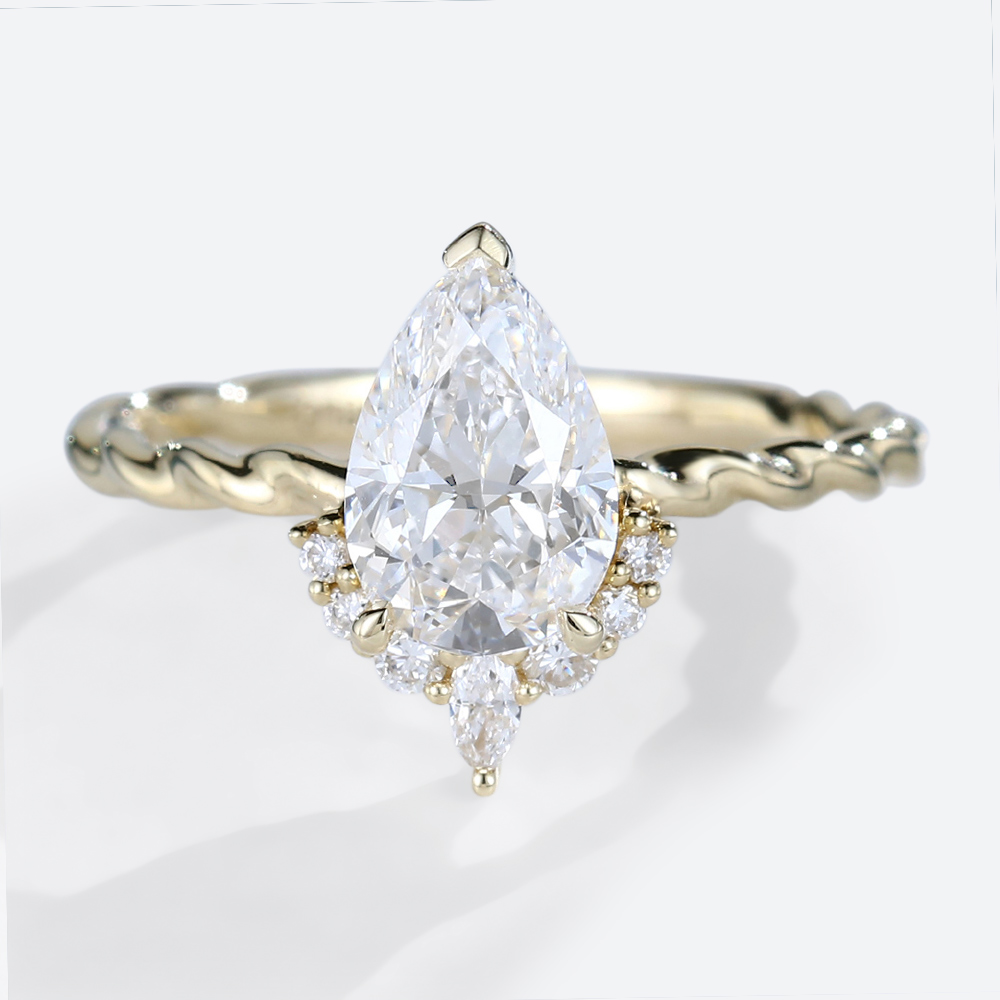
By using these primary methods, the diamond industry can provide conflict free and ethically sourced lab grown alternatives that are longer relevant to the modern shopper. When you compare the price of a 2-carat lab diamond to the price of mined diamonds, it is easy to see why consumers understand that lab grown is the smarter choice for fine jewelry.
IV. The Finishing Touch: Diamond Polish, Proportions, and Brilliance
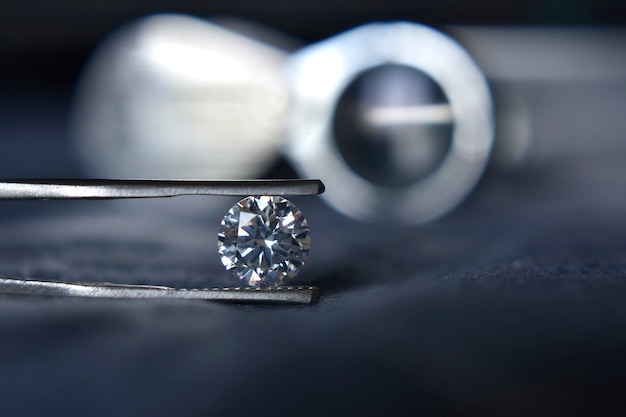
After the growth process in the labs is complete, the resulting raw crystal is known as a rough diamond. To transform this rough stone into a piece of fine jewelry, it must undergo the same rigorous cutting and polishing process as natural diamonds. This is where the true brilliance and sparkle of lab grown diamonds are unlocked.
Mastering the Shape and Light Performance
The quality of the cut determines how light reflects within the stone. Expert cutters carefully calculate the diamond depth and proportions to ensure maximum light performance. Whether the diamond shape is a classic round or a sophisticated princess cut diamond, the goal is to polish the largest facet—the table—to perfection. A well-executed diamond polish ensures that the diamond emits a fire that is indistinguishable from natural diamond counterparts.
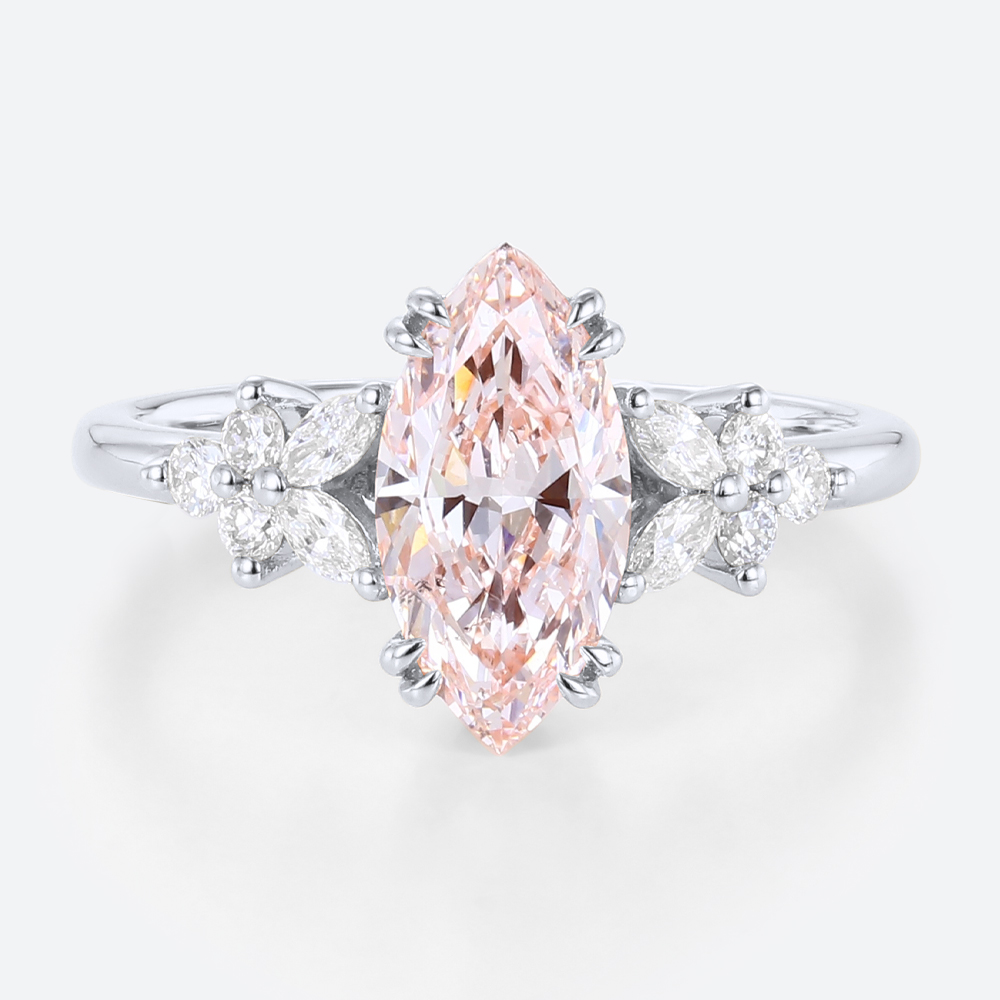
Carat Weight and Setting the Scene
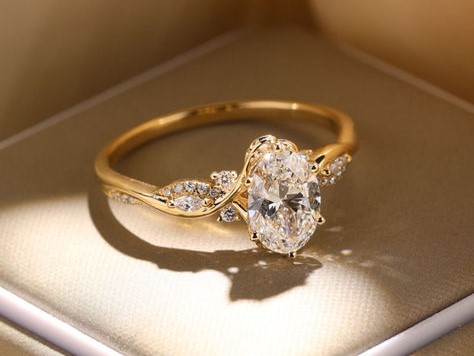
Once the diamond is cut, its carat weight is determined. Because the price of lab grown stones is more accessible, you can often afford a significantly higher carat for the same price as a smaller mined stone. This extra value allows you to choose a more luxurious metal for your jewelry. Whether you prefer engagement rings set in 18k gold, or delicate earrings and necklaces in white gold, the price savings on the diamond itself allow for a higher-quality overall setting.
Conclusion: A New Era for Diamond Jewelry
Understanding how lab diamonds are made reveals the incredible synergy between nature and technology. By replicating the conditions of the earth's crust, we can now create diamonds that are ethically sourced, conflict free, and breathtakingly beautiful. Whether you are choosing a ring, a necklace, or bracelets, the price and quality of lab grown options make them the premier choice for modern fine jewelry.
At LisaJewelryUS, we invite you to discover the brilliance of man made diamonds. With fast shipping and a wide collection of styles, finding your perfect connection has never been easier or more affordable.