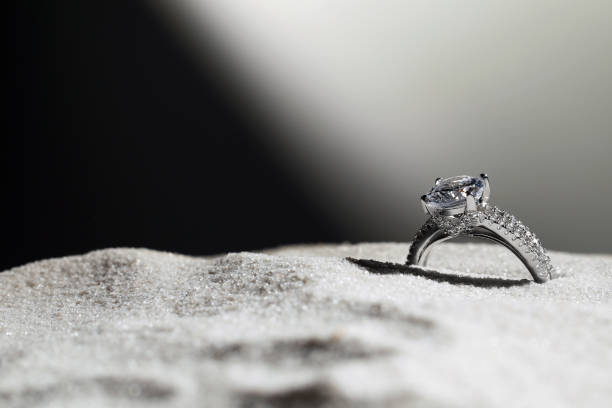
I. Laboratory Diamond vs Cubic Zirconia: What’s the Real Difference?
When comparing lab grown diamonds vs cubic zirconia, many buyers assume they are similar simply because both are created outside the Earth. In reality, laboratory diamonds and cubic zirconia stones are fundamentally different materials, with distinct chemical composition, durability, and long-term value.
A lab grown diamond is a real diamond. It shares the same crystal structure, hardness, and optical performance as natural diamonds, only grown in a controlled environment rather than formed deep underground. Cubic zirconia, on the other hand, is a synthetic material made from zirconium dioxide, designed to imitate the look of diamonds at a lower cost.
Understanding this difference is essential when choosing diamond jewelry, especially for an engagement ring or a piece meant to last a lifetime.
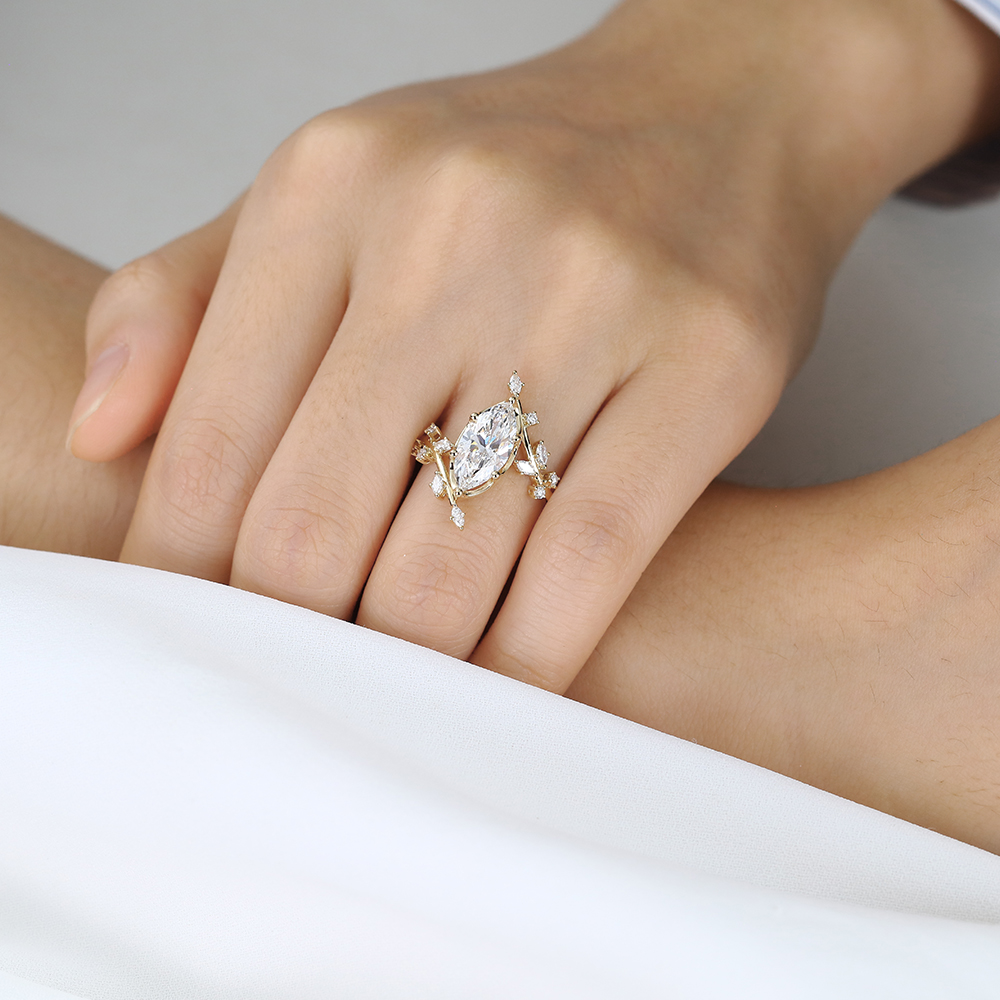
II. What Is a Laboratory Grown Diamond?
1. How Lab-Grown Diamonds Are Created
Lab grown diamonds, also known as lab created diamonds, are produced using advanced technology that replicates the natural diamond-forming conditions of intense heat and pressure. The most common method is chemical vapor deposition, where carbon atoms are layered to form a diamond crystal.
Although these diamonds are grown above the Earth’s surface, they are chemically and physically identical to naturally occurring diamonds formed through traditional mining. The result is a diamond with the same chemical composition, crystal structure, and brilliance as its mined counterparts.
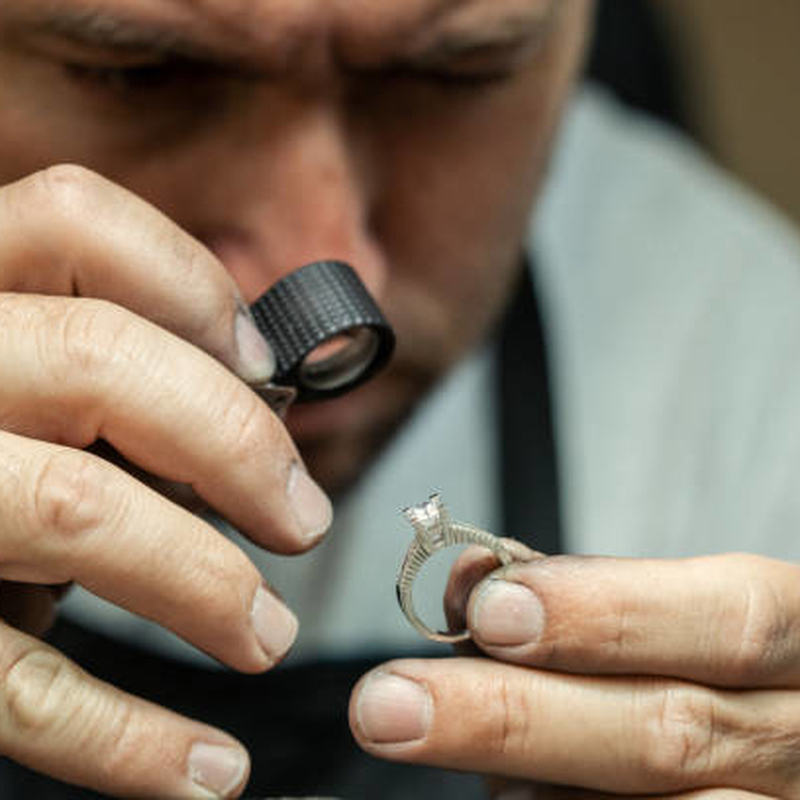
2. Are Lab Grown Diamonds Real Diamonds?
Yes. Lab grown diamonds are real diamonds.
They score a perfect 10 on the Mohs hardness scale, the same as natural diamonds, making them extremely durable and suitable for everyday wear. In terms of appearance, even a trained eye cannot distinguish lab diamonds from mined diamonds without specialized equipment.
Key characteristics lab grown diamonds share with natural diamonds include:
Identical chemical composition
The same crystal structure
The same fire and natural brilliance
Comparable carat weight and clarity options
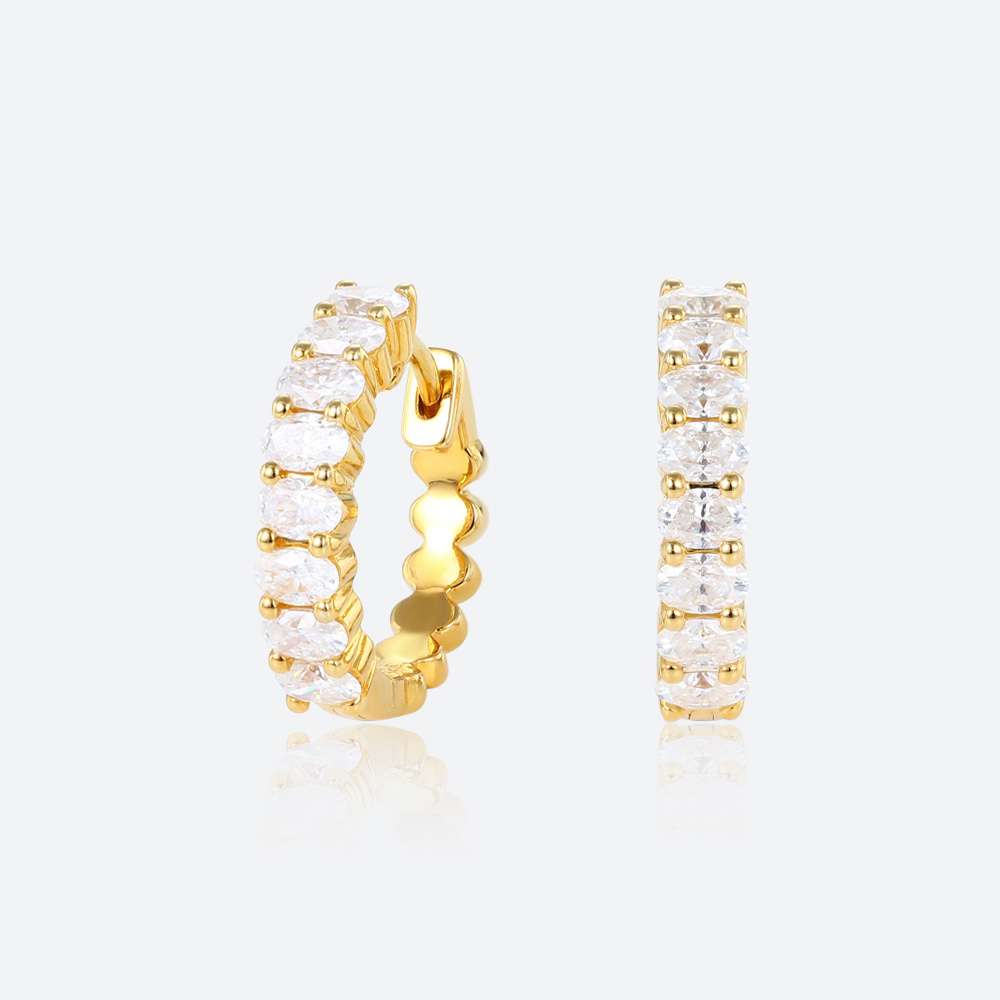
This is why lab grown diamonds are increasingly chosen for fine diamond jewelry, including engagement rings.
III. What Is Cubic Zirconia?
1. Composition and Material Differences
Cubic zirconia is not a diamond. It is a synthetic stone made from zirconium dioxide, a completely different material from carbon. While cubic zirconia stones are visually appealing when new, they do not share the same physical or optical properties as diamonds.
Compared to lab diamonds or natural diamonds:
Cubic zirconia is significantly softer on the Mohs scale
It lacks the same crystal structure
It does not offer the same durability or longevity
2. Cubic Zirconia vs Diamonds in Everyday Wear
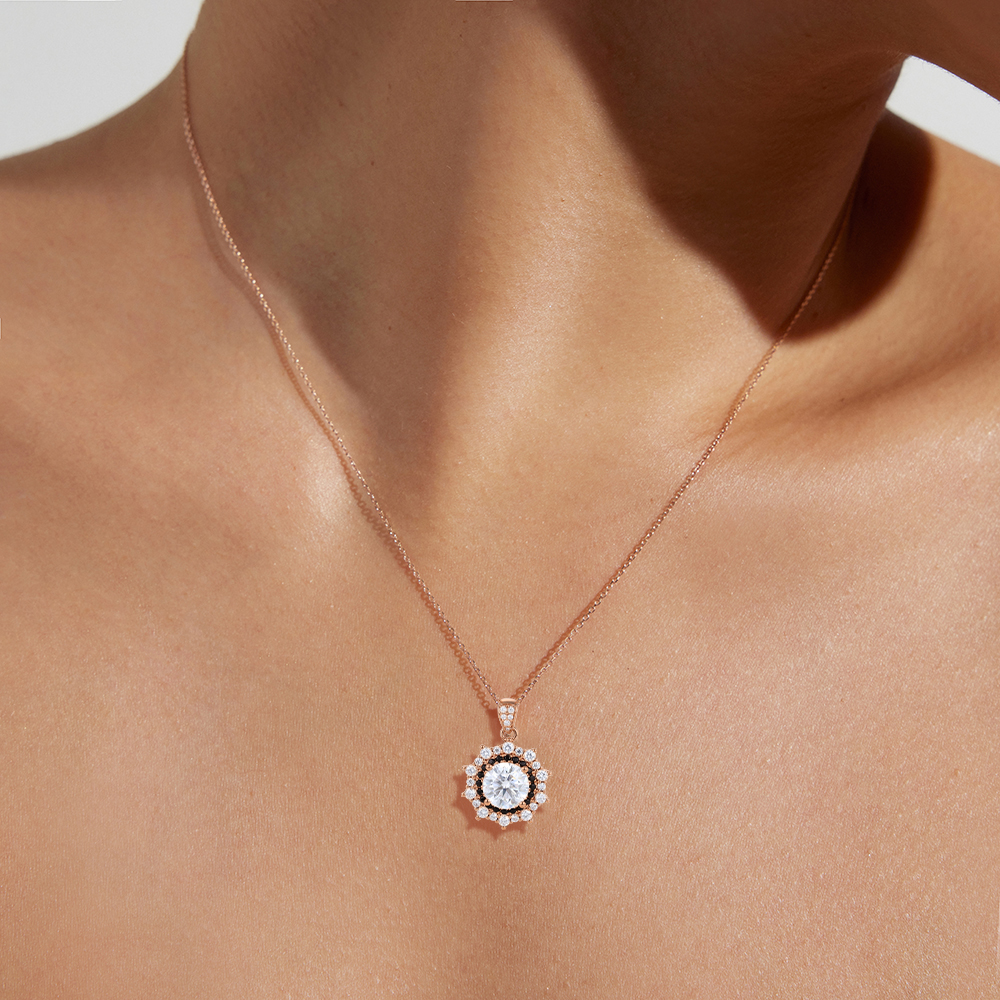
In the short term, cubic zirconia can appear bright and eye-catching. However, over time, it tends to lose its natural brilliance, becoming cloudy or scratched. This makes cubic zirconia better suited for fashion jewelry rather than long-term pieces like engagement rings.
While cubic zirconia is often considered one of the most affordable diamond alternatives, it does not retain value and cannot match the performance of real diamonds, whether lab grown or mined.
IV. Lab Diamond vs Cubic Zirconia: Key Differences Explained
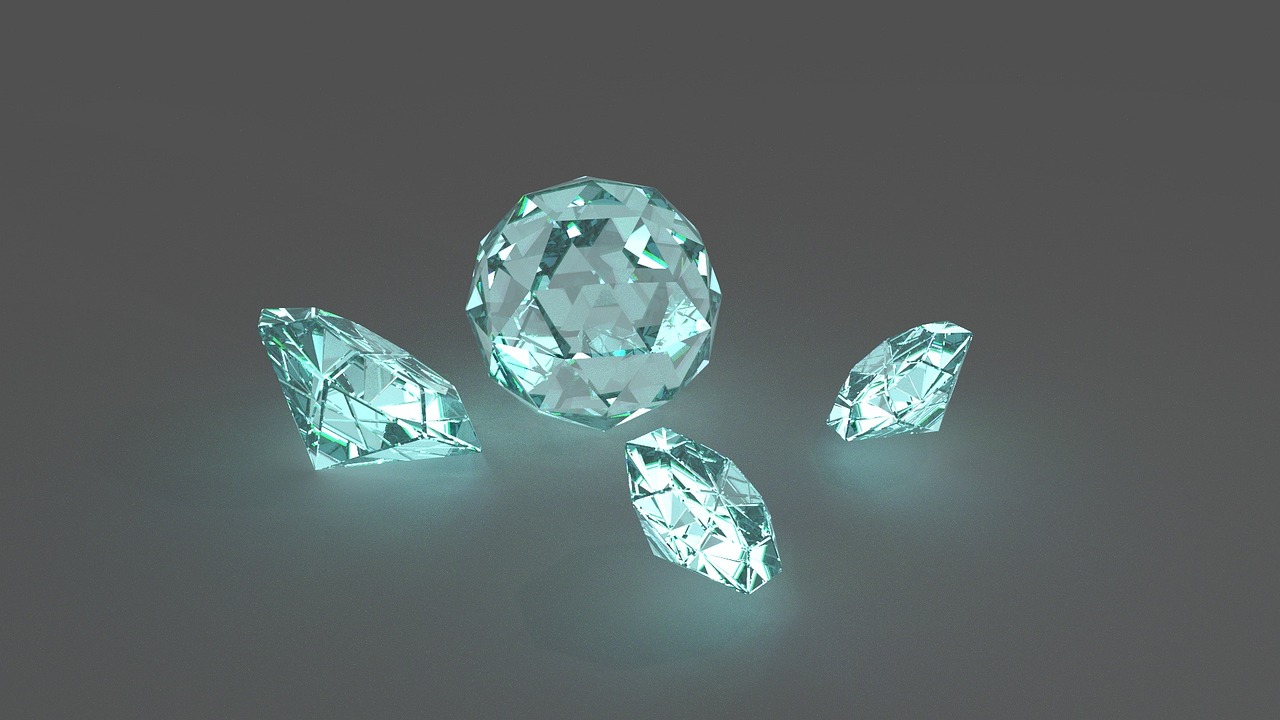
When comparing lab diamond vs cubic zirconia, the differences go far beyond price. Although both are created in laboratory settings, lab grown diamonds and cubic zirconia differ in material, durability, and long-term value.
For the average person, cubic zirconia may look similar at first glance. However, once you understand how each stone performs over time, the distinction between diamonds and cubic zirconia becomes clear.
V. Lab Grown Diamonds vs Cubic Zirconia: Material and Structure
Chemical Composition and Crystal Structure
Lab grown diamonds are made of pure carbon and share the same crystal structure as natural diamonds. Most are created using chemical vapor deposition, a process that allows carbon atoms to bond layer by layer into a real diamond crystal.
Cubic zirconia, by contrast, is composed of zirconium dioxide, a synthetic material with a completely different internal structure. While cubic zirconia stones can be visually appealing, they do not replicate the atomic structure that gives diamonds their exceptional strength and light performance.
This difference in chemical composition is one of the main reasons lab created diamonds are classified as real diamonds, while cubic zirconia is not.
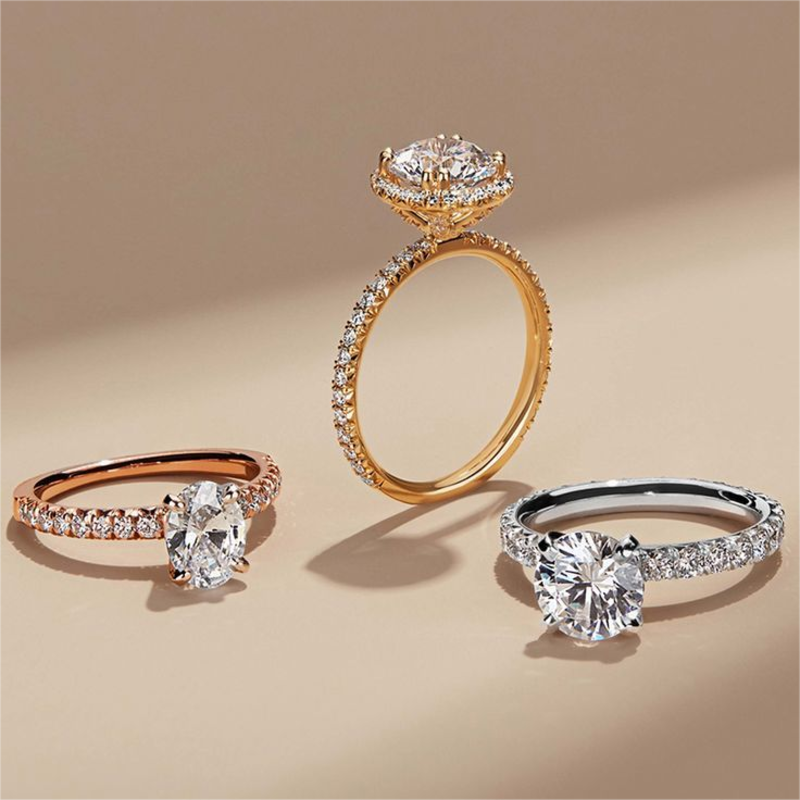
VI. Durability Comparison: Lab Diamonds vs Cubic Zirconia
Hardness and Everyday Wear
On the Mohs hardness scale, lab diamonds score a perfect 10—the highest possible rating—making them extremely resistant to scratches and suitable for daily wear.
Cubic zirconia ranks significantly lower on the Mohs scale, which means it is more prone to surface wear over time. This is why cubic zirconia often loses its polish and brilliance after extended use, especially in rings worn every day.
For long-term jewelry, durability is one of the most important differences between lab diamonds vs cubic zirconia.
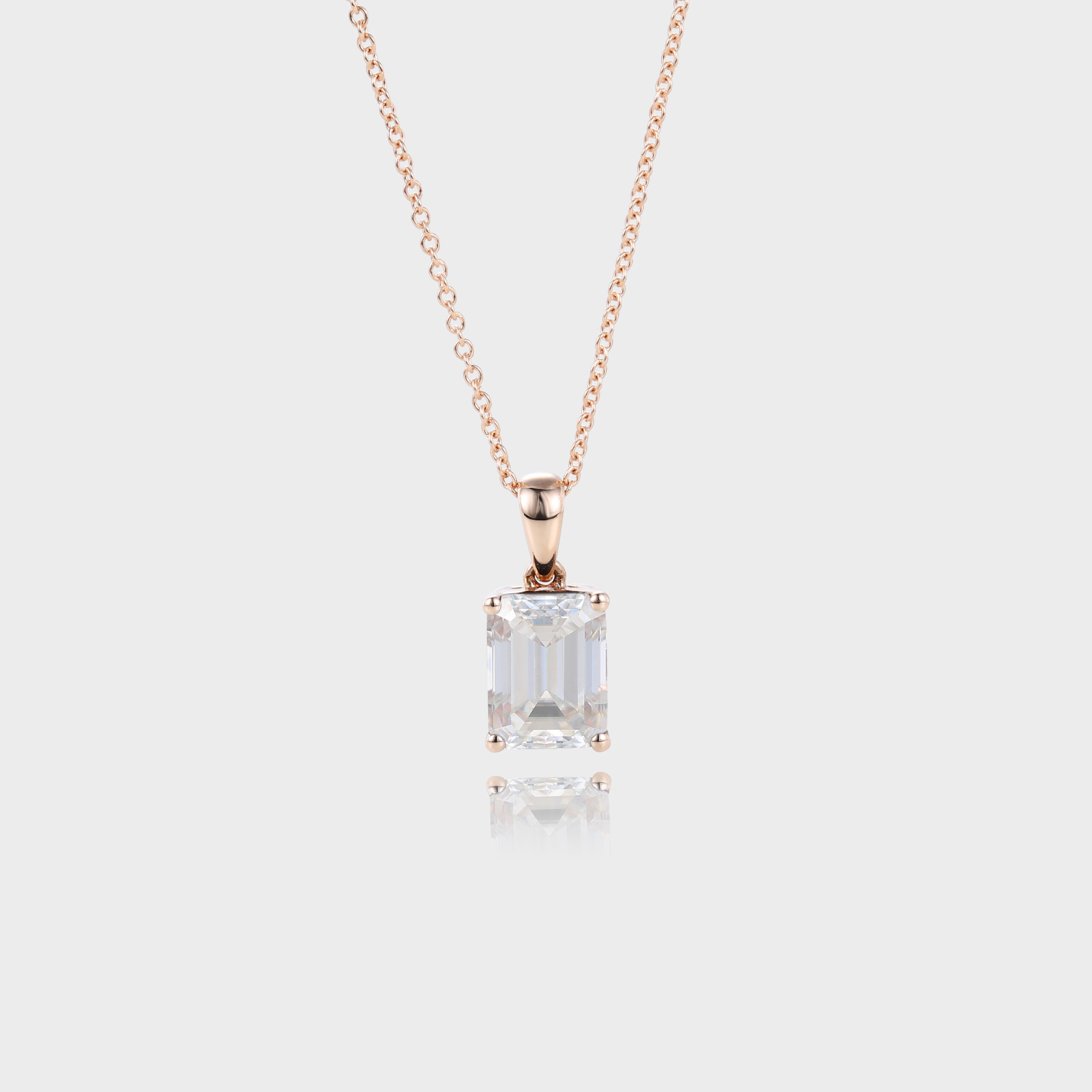
VII. Appearance to the Naked Eye: What Can the Average Person See?
To the average person, both stones may initially appear similar. However, under closer inspection—or after months of wear—the differences become noticeable.
Even without magnification, cubic zirconia often displays excessive rainbow flashes rather than the balanced fire seen in diamonds. A trained eye can quickly identify this difference, especially when comparing cubic zirconia directly with lab grown diamonds.
Over time, cubic zirconia may appear cloudy, while lab diamonds maintain their clarity and brilliance.
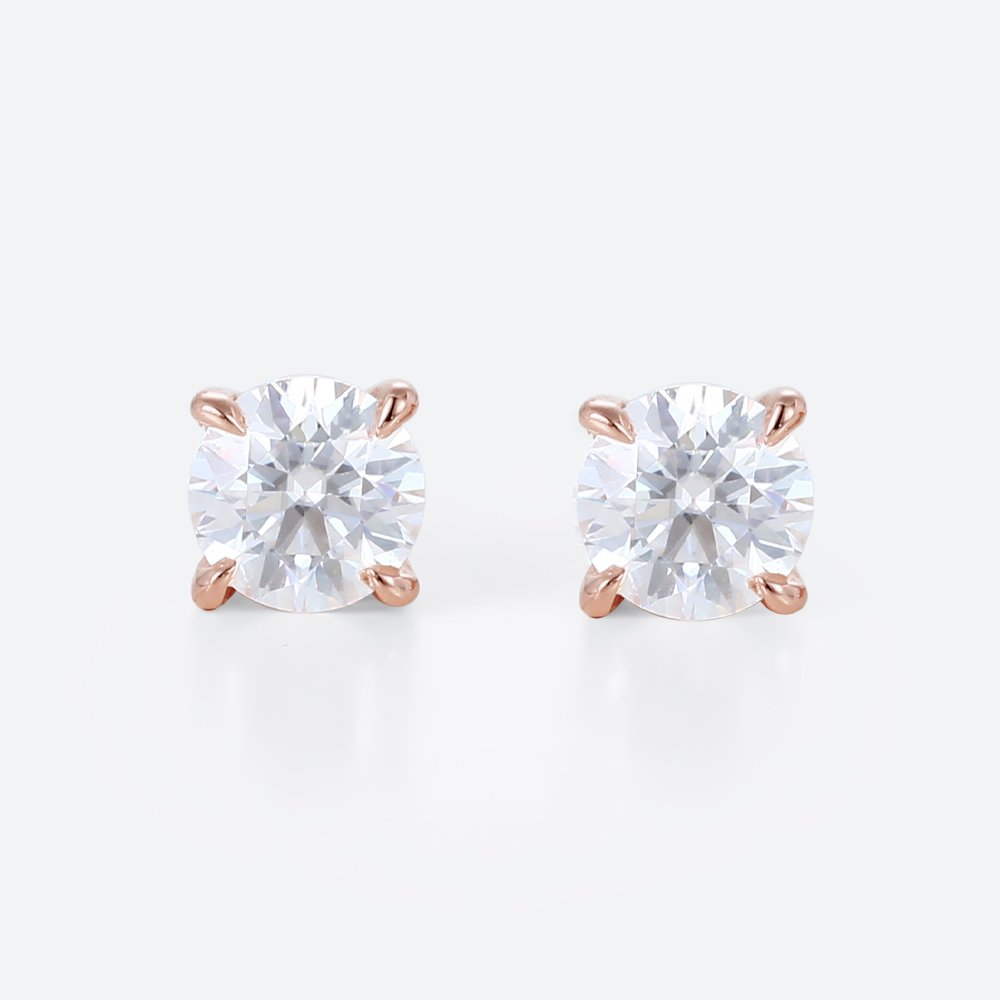
VIII. Lab Grown Diamonds vs Cubic Zirconia for Engagement Rings
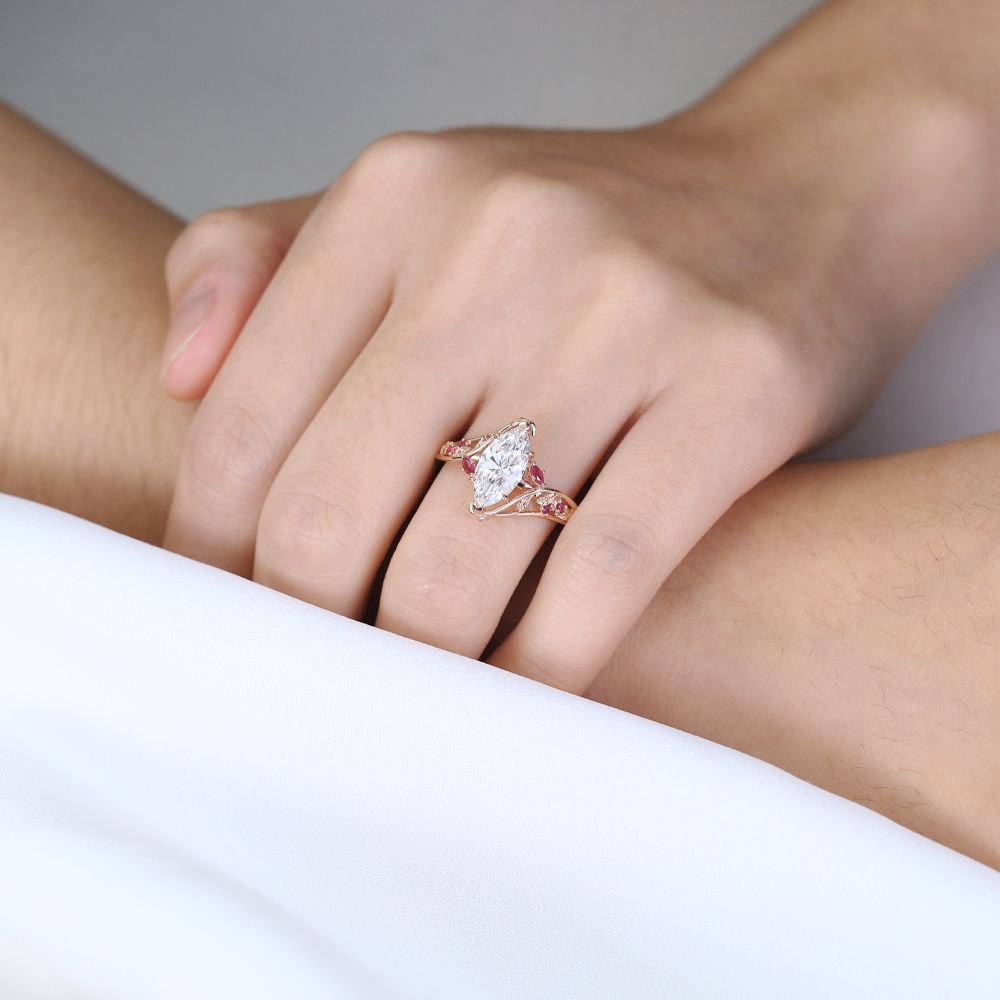
When choosing a stone for an engagement ring, longevity matters. Lab grown diamonds are increasingly preferred because they offer the beauty and durability of natural diamonds without the high cost of traditional mining.
Cubic zirconia is often used as a temporary or budget-friendly option, but it lacks the durability needed for heirloom-quality diamond jewelry. For rings worn daily, lab diamonds provide significantly better value and performance.
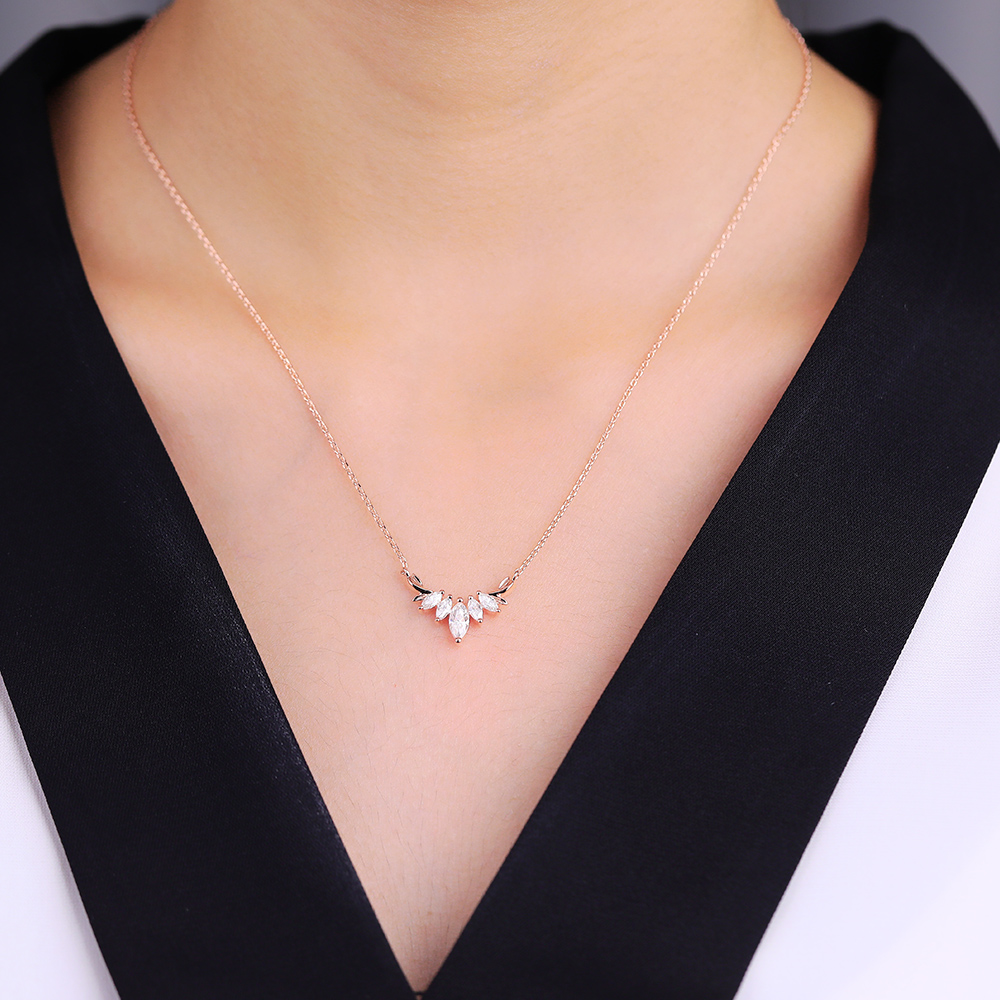
IX. Are Lab Created Diamonds Better Diamond Alternatives?
Among all diamond alternatives, lab created diamonds stand apart. Unlike cubic zirconia or other synthetic stones, lab diamonds share the same physical and optical properties as natural diamonds.
Key reasons buyers choose lab grown diamonds over cubic zirconia include:
Real diamond composition
Superior durability
Long-term brilliance
Suitable for fine jewelry and engagement rings
This makes lab grown diamonds the most realistic and reliable alternative to mined diamonds.
X. Final Thoughts: Lab Diamond vs Cubic Zirconia
The choice between lab diamond vs cubic zirconia depends on your expectations. If you are looking for an affordable fashion piece, cubic zirconia may be sufficient. But if you want a stone that offers lasting beauty, durability, and true diamond properties, lab grown diamonds are the clear choice.
Understanding the difference between diamonds and cubic zirconia helps ensure you invest in jewelry that matches both your lifestyle and long-term expectations.
Lab Diamond vs Cubic Zirconia Comparison Table
| Comparison Factor | Lab Grown Diamond | Cubic Zirconia |
|---|---|---|
| Material | Pure carbon | Zirconium dioxide |
| Diamond Type | Real diamond | Synthetic stone |
| Chemical Composition | Same as natural diamonds | Different from diamonds |
| Crystal Structure | Identical to natural diamonds | Different structure |
| Mohs Hardness Scale | 10 | Around 8 to 8.5 |
| Durability | Extremely durable | More prone to scratches |
| Brilliance Over Time | Maintains natural brilliance | Can become cloudy |
| Appearance to Average Person | Looks like natural diamonds | Similar at first glance |
| Suitable for Engagement Ring | Yes | Not recommended |
| Long Term Value | Retains more value | No resale value |
| Typical Use | Fine jewelry and engagement rings | Fashion jewelry |