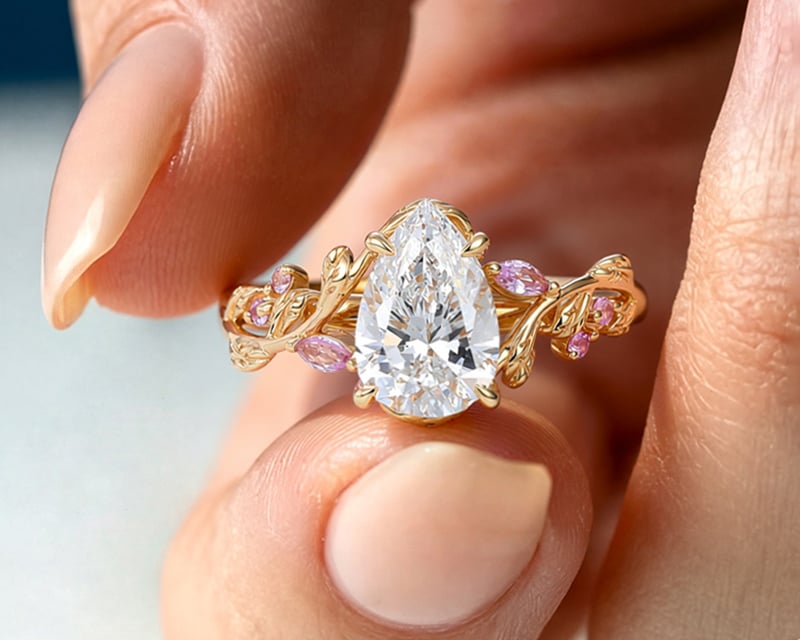
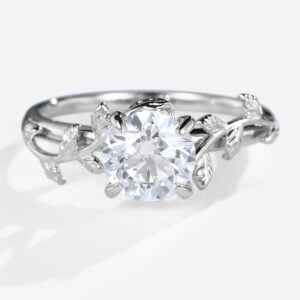
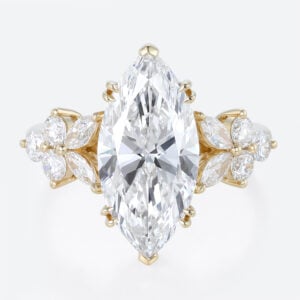
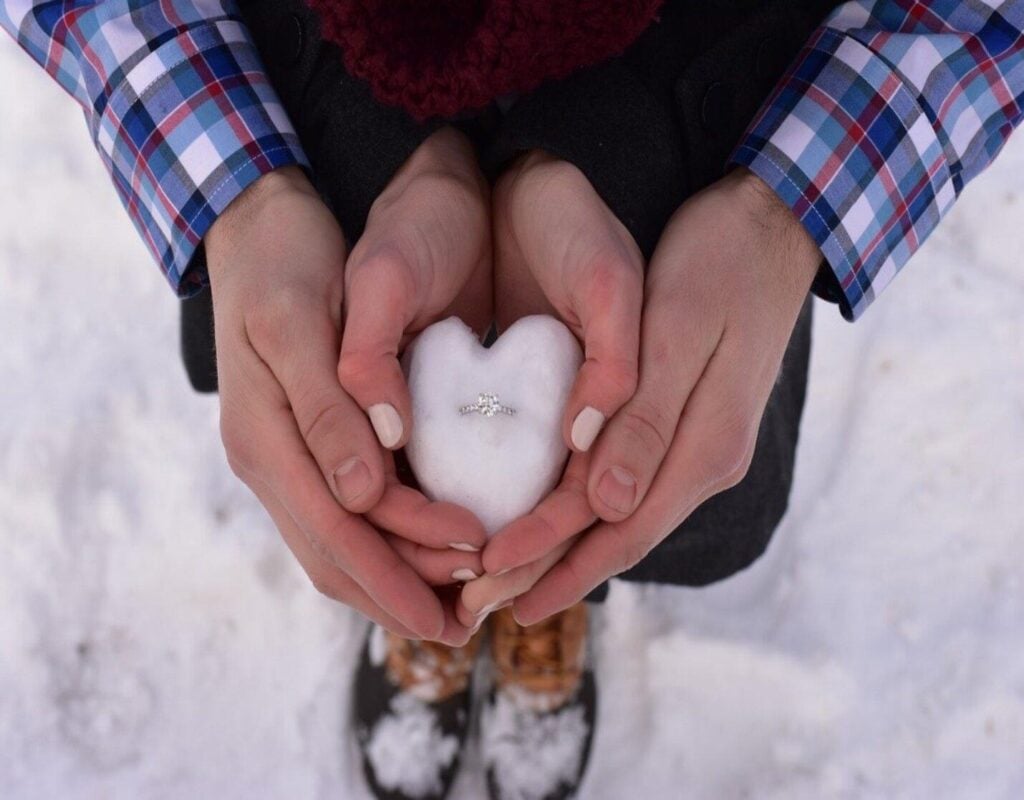
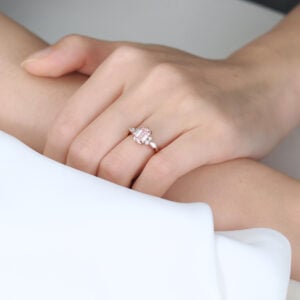
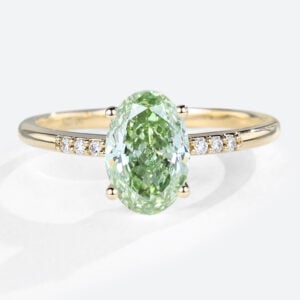
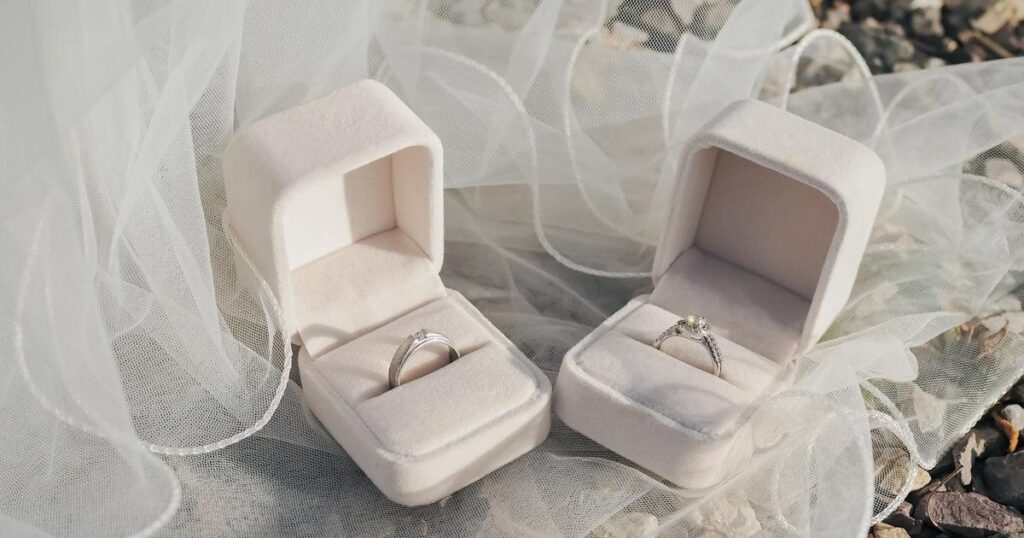
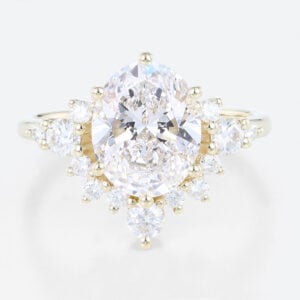
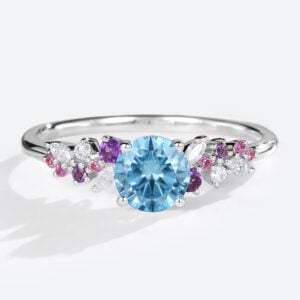
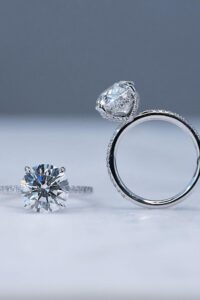
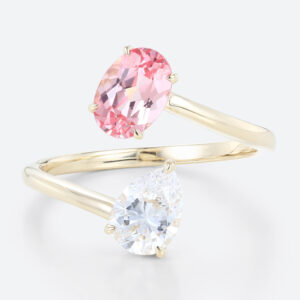
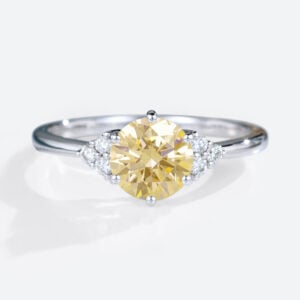
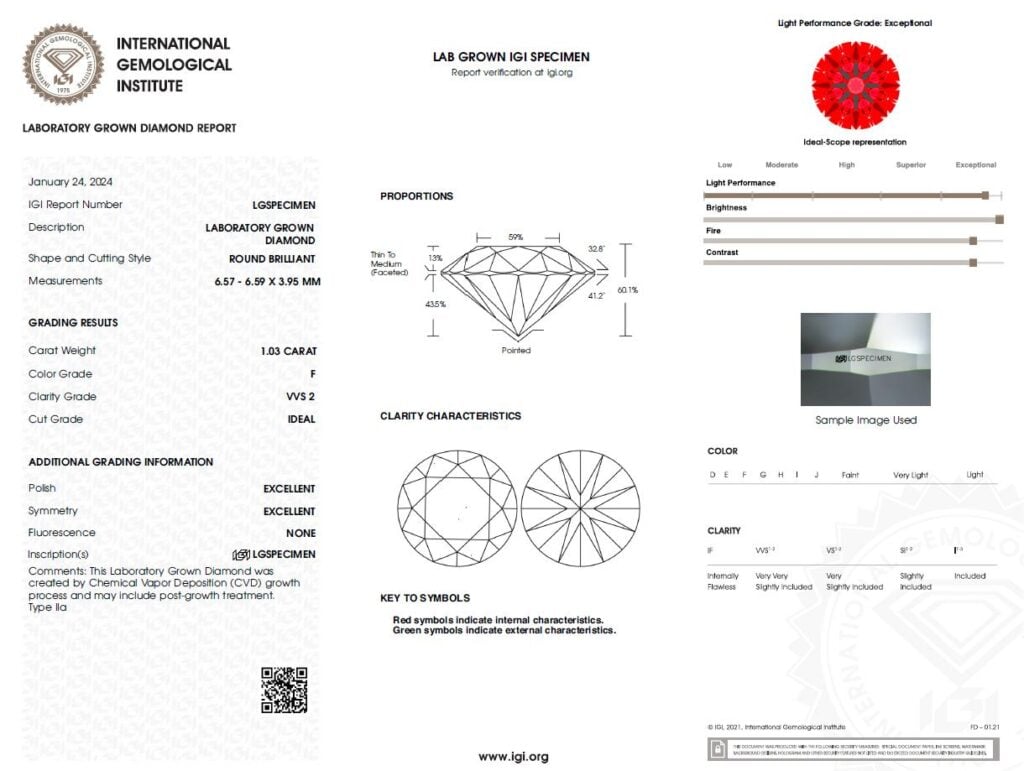
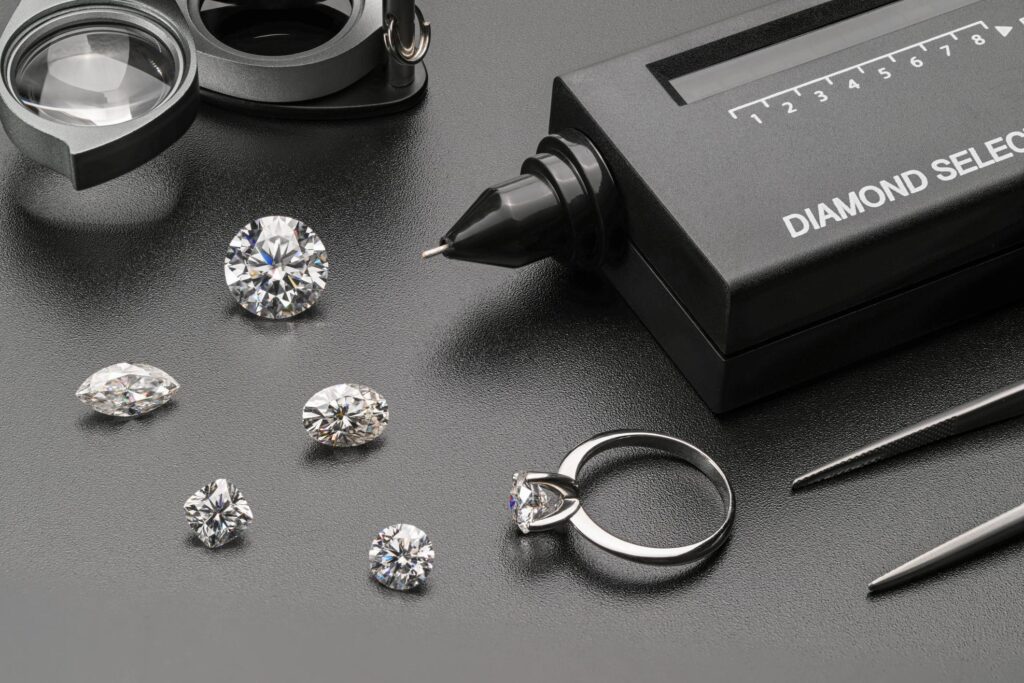
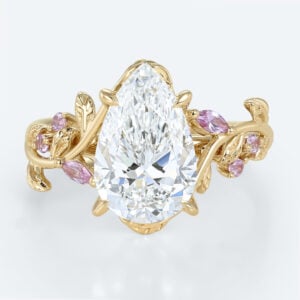
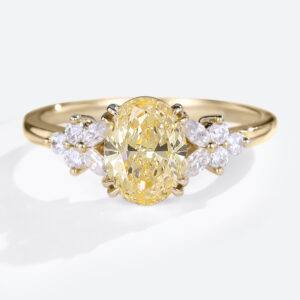
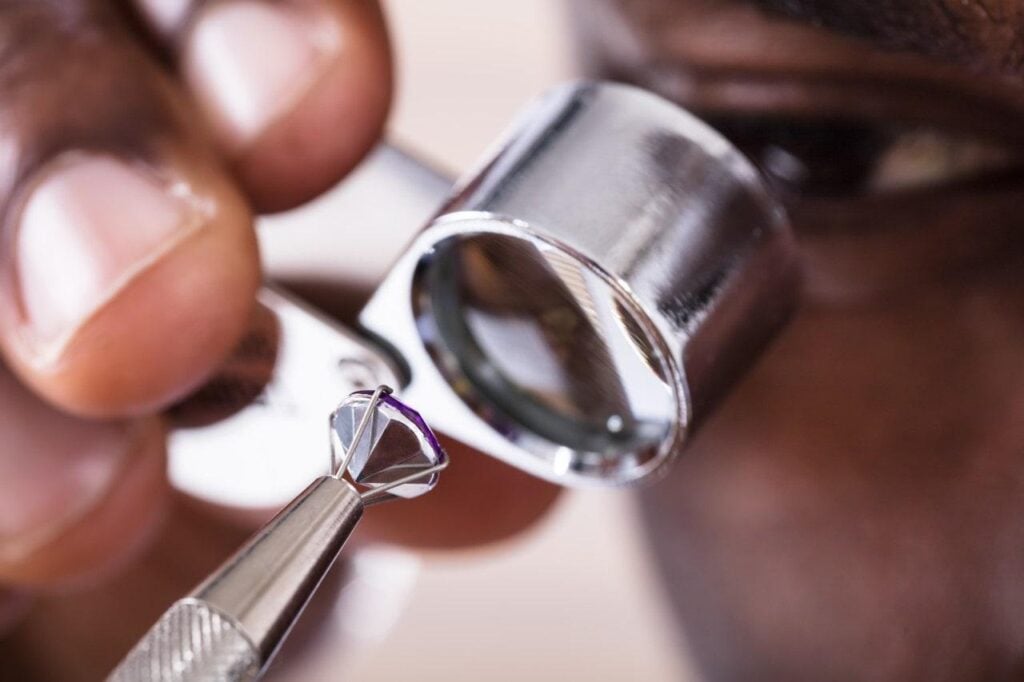
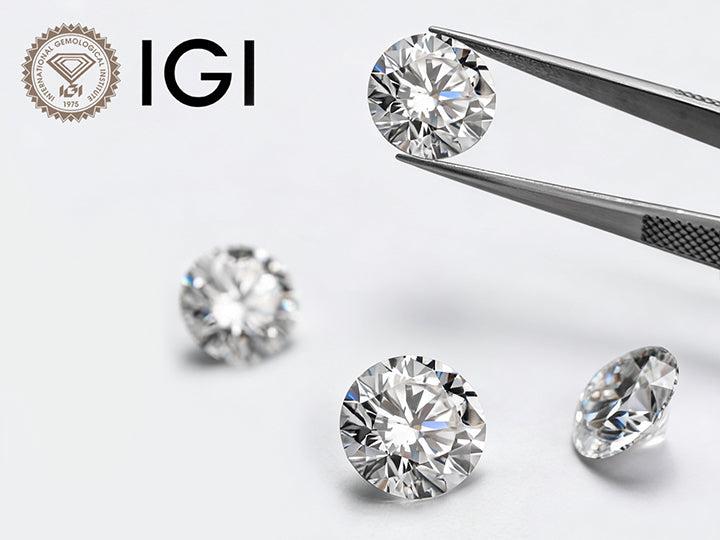
Jewelry Education January 21, 2026 10 Tips for Buying a Diamond Engagement Ring for Valentine’s Day by Lisa Jewelry US 0 comments I. Why Valentine’s Day Is One of the Most Popular Proposal Seasons Valentine’s Day has always been connected to romance, which is why it remains one of the biggest proposal seasons of the year. For many couples, the holiday already carries:emotional meaningromantic atmosphereshared memoriesrelationship milestonesmaking it the perfect time for a diamond engagement. Today, more buyers are choosing lab grown diamonds for Valentine’s Day proposals because they combine:modern luxuryemotional valueflexibilitypractical budgetingwithout sacrificing beauty. Lab diamond engagement rings offer:the same brilliance as natural diamondsthe same sparklethe same durabilitythe same timeless appealwhile allowing couples to prioritize personalization and ring styles that truly match their relationship. II. Tip 1 Choose a Ring Style That Matches Her Personality One of the biggest mistakes buyers make is choosing a ring based only on trends instead of the wearer’s personality. The best engagement ring should feel connected to:her personal stylelifestyleeveryday fashionemotional preferencesbecause this is a piece she may wear every day for decades. That’s why choosing the right ring styles matters just as much as selecting the diamond itself. Minimalist vs Statement Ring Styles Some people love clean and timeless jewelry. Others prefer rings that feel:boldartisticfashion-forwarddramatic A minimalist wearer may prefer:classic solitairesthin bandswhite gold settingsemerald cut diamonds while someone with a stronger fashion personality may gravitate toward:larger stonesunique diamond shapescolored lab diamondsstatement settingsThe key is paying attention to the jewelry she already wears daily. Her current style often reveals exactly what type of engagement ring will feel most natural to her. Why Colored Lab Diamonds Feel More Personal Many modern couples are also moving beyond traditional white diamonds. Colored lab diamonds have become increasingly popular because they feel:uniqueexpressiveemotionally personalwhile still offering the same brilliance as colorless diamonds. Soft pinks, champagne tones, and subtle fancy colors can make a lab grown diamond engagement ring feel:more romanticmore memorablemore connected to personalityespecially for Valentine’s Day proposals. For buyers wanting a ring that feels truly one of a kind, colored lab diamonds often create stronger emotional impact than traditional styles alone. Think About Everyday Wear Before Buying An engagement ring should look beautiful not only during the proposal, but also during everyday life. That’s why it’s important to think about:comfortpracticalitydaily wearlong-term durabilitybefore choosing a setting. That’s why it’s important to think about:comfortpracticalitydaily wearlong-term durabilitybefore choosing a setting. Others may prioritize:visual impactlarger carat sizeintricate detailsdepending on their fashion preferences. The best Valentine’s Day engagement ring is usually the one that balances:beautycomfortpersonalitytimeless appealin a way that feels natural for the person wearing it. III. Tip 2 Understand Diamond Shape Before Buying Diamond shape has a huge impact on how an engagement ring looks and feels. Even when two diamonds have the same carat weight, different shapes can create completely different visual effects. That’s why understanding diamond shape is one of the most important tips for buying a lab diamond engagement ring for Valentine’s Day. The right shape should reflect:personalitystylelifestyleoverall jewelry preferencesinstead of simply following trends. Round Brilliant vs Oval vs Emerald Cut Round brilliant diamonds remain one of the most classic choices because they maximize:sparklebrilliancelight reflectionbetter than almost any other shape. They feel timeless and elegant, especially in:solitaire settingswhite gold ringsplatinum engagement rings Oval diamonds have become increasingly popular because they create:softer eleganceelongated finger appearancemodern romantic stylewhile often appearing larger than round diamonds with the same carat size. Emerald cut diamonds create a completely different aesthetic. Instead of intense sparkle, they focus more on:clean linessophisticated shineunderstated luxurywhich makes them especially popular among buyers who prefer minimalist jewelry styles. Which Diamond Shapes Look Larger Some diamond shapes naturally create more visual size than others. Oval, pear, and marquise diamonds often appear larger because their elongated shape creates:more surface areastronger finger coveragebolder visual impactwithout necessarily increasing price dramatically. This is one reason many buyers choose oval lab diamond engagement rings when working within a specific budget. They can achieve:a larger stone appearancebeautiful sparkleelegant proportionswhile staying within a comfortable spending range. For buyers prioritizing visual impact over maximum carat weight, shape matters just as much as size. Choosing Shapes for Everyday Wear Some diamond shapes are naturally more practical for daily wear than others. Round and oval diamonds tend to work especially well because they balance:sparkledurabilitycomforttimeless beautyMeanwhile, emerald cuts and princess cuts create stronger geometric lines and more statement-focused aesthetics. For active lifestyles, many people prefer:smoother settingslower profile ringssecure solitaire designsthat feel comfortable throughout everyday life. The best engagement ring shape is usually the one that balances:beautypracticalitypersonalitylong-term wearabilityrather than simply following what is currently trending online. IV. Tip 3 Focus on Cut Quality Before Carat Weight Many buyers immediately focus on carat size when shopping for diamond engagement rings. But in reality, cut quality usually matters more than size alone. A well-cut lab diamond can appear:brightermore dazzlingmore expensivethan a larger stone with poor proportions. That’s because cut quality directly affects how the diamond reflects light. Why Sparkle Matters More Than Size The sparkle people love in diamonds comes from how light moves through the stone. A diamond with excellent cut quality creates:stronger brilliancesharper reflectionsbetter shinemore visual lifeeven at smaller carat sizes. That’s why many reputable jewelers recommend prioritizing:cut qualitysymmetryproportionsbefore simply choosing the largest possible diamond. For Valentine’s Day proposals especially, emotional impact usually comes more from:beautysparkleelegancethan from carat weight alone. How Carat Weight Changes Pricing Carat weight significantly affects diamond pricing. Even small increases in carat size can create major price differences. One advantage of lab grown diamonds is that buyers can often choose:larger stonesbetter claritystronger brillianceat the same budget compared to many mined diamonds. This gives buyers more flexibility to find:better balancestronger visual impactmore personalized ring designswithout overspending. The Best Balance Between Beauty and Budget The best engagement rings usually balance:sparklequalitycarat sizepracticalityoverall designinstead of focusing only on one feature. For example:a beautifully cut 1.5 carat oval diamond may look more luxurious than a poorly cut 2 carat stonea clean solitaire setting may showcase brilliance better than an overly busy designhigher clarity may matter more for emerald cuts than round diamondsUnderstanding these small differences helps buyers shop online more confidently while avoiding common mistakes. At the end of the day, the perfect Valentine’s Day proposal ring should feel:timelesspersonalbeautifulemotionally meaningfulnot simply large on paper. V. Tip 4 Set a Realistic Budget Without Sacrificing Beauty One of the biggest advantages of lab grown diamonds is flexibility. Many buyers today want a beautiful engagement ring without feeling pressured into unrealistic spending. That’s why lab grown diamond engagement rings have become such a popular option for Valentine’s Day proposals. They allow couples to prioritize:beautyqualitypersonalizationemotional meaningwhile staying within a comfortable budget. Why Lab Diamonds Offer Better Value Lab diamonds provide:the same brilliancethe same sparklethe same durabilitythe same beauty as natural diamondsbecause they are real diamonds. The only difference is how they are created. Because lab grown diamonds are produced in controlled environments rather than mined from the earth, buyers often gain access to:larger stonesbetter clarityhigher qualitymore design flexibilityat the same price point. That extra flexibility is especially helpful for Valentine’s Day proposals where buyers may also be planning:travelproposal experiencescelebrationsfuture wedding expenses Bigger Stones at the Same Budget Many couples choose lab grown diamonds because they can achieve a larger stone appearance without dramatically increasing cost. For example, buyers may be able to choose:a larger oval diamonda higher carat emerald cuta more dazzling solitairewithin the same budget compared to many mined diamonds. This creates more freedom when choosing:diamond shapering stylesetting detailsoverall proposal visionwithout sacrificing sparkle or elegance. Luxury Without Overspending Modern luxury is becoming less about showing status and more about making intentional choices. Many couples now prefer:smarter spendingsustainable sourcingbetter overall valueemotionally meaningful purchasesrather than overspending simply for tradition. That’s one reason lab grown diamond engagement rings feel especially aligned with modern proposal culture today. VI. Tip 5 Check Certification and Diamond Quality Certification is one of the most important parts of buying a diamond engagement ring online. A grading report helps buyers understand exactly what they are purchasing instead of relying only on photos or descriptions. When shopping for lab grown diamonds, always look for certified stones from reputable jewelers. Why Certification Matters Certified lab grown diamonds are professionally evaluated for:cutclaritycolorcarat weightproportionsThis helps buyers compare stones more accurately and shop with greater confidence. Certification also helps verify:authenticityquality standardsdiamond characteristicswhich is especially important for online engagement ring shopping. Understanding Cut Color and Clarity Not all diamonds look the same even at similar carat sizes. Small differences in:cut qualityclarityproportionscolor gradingcan dramatically affect sparkle and beauty. For example:emerald cuts often reveal clarity more easilyround diamonds maximize brilliancehigher cut grades usually create more sparkleUnderstanding these details helps buyers choose a ring that feels visually stunning rather than simply large. Why IGI-Certified Lab Diamonds Matter Many reputable jewelers use IGI-certified lab grown diamonds because certification creates:transparencyconsistencybuyer confidenceAn IGI grading report gives customers detailed information about the diamond’s specifications and overall quality. For many buyers, certification creates peace of mind during such an important purchase. VII. Tip 6 Think About Everyday Wear and Lifestyle An engagement ring should not only look beautiful during the proposal. It should also feel comfortable enough for everyday life. That’s why lifestyle matters when choosing:ring stylesdiamond shapesetting heightmetal typeespecially for someone who plans to wear the ring daily. Choosing Durable Settings Some settings are naturally more practical for daily wear. Low-profile solitaire settings often feel:securecomfortabletimelesswhile reducing the chance of catching on clothing or everyday objects. Many buyers also prefer:platinumwhite goldsecure prong settingsfor long-term durability. Rings for Active Lifestyles Someone with an active lifestyle may prefer:smoother edgessimpler bandssecure stone placementlower settingsrather than highly intricate or oversized designs. Thinking about comfort early helps buyers avoid choosing a ring that feels difficult to wear long term. Why Simplicity Often Lasts Longer Trends change quickly. But clean and timeless designs usually remain beautiful for decades. That’s why classic solitaires, oval diamonds, emerald cuts, and minimalist settings continue staying popular year after year. For many Valentine’s Day proposals, timeless simplicity creates stronger emotional longevity than trend-focused statement pieces. VIII. Tip 7 Don’t Ignore Ring Metal Choices The metal you choose can completely change the look of an engagement ring. Even the same diamond can feel:warmermore modernmore vintagemore minimalistdepending on the metal color. White Gold vs Yellow Gold vs Rose Gold White gold creates:clean contrastmodern elegancebright sparkle enhancementespecially for oval and round diamonds. Yellow gold feels:timelesswarmvintage inspired while rose gold creates:softer romancefeminine warmthmodern personalityEach metal creates a different emotional mood. Matching Metal to Personal Style The best metal usually reflects the wearer’s everyday jewelry preferences. Someone who already wears:white jewelrysilver tonesminimalist accessoriesmay naturally prefer white gold or platinum. Meanwhile, warmer skin tones often pair beautifully with:yellow goldrose goldespecially alongside colored lab diamonds. Modern Metal Trends for Valentine’s Day Proposals Modern engagement ring trends increasingly favor:mixed metalsminimalist bandstimeless solitaireselegant clean linesinstead of overly complicated designs. That simplicity often photographs beautifully during Valentine’s Day proposals while remaining timeless long after the holiday itself. IX. Tip 8 Think About the Proposal Experience Too The ring matters. But the proposal experience becomes part of the love story too. Many memorable proposals feel meaningful because of:emotional atmospherethoughtful planningpersonal detailsshared memoriesnot simply because of the ring price alone. The Ring Is Part of the Story An engagement ring becomes emotionally more valuable when connected to:meaningful locationsshared traditionsrelationship milestonespersonal memoriesThat emotional context often matters more than extravagant proposal setups. Why Personal Details Matter Simple details can make a proposal feel far more romantic:favorite songsmeaningful restaurantshandwritten noteswinter travel memoriescustom jewelry touchesThese emotional details create a proposal experience that feels deeply personal. Creating Emotional Memories Years later, most couples remember:how the proposal feltthe atmospherethe emotionsthe surprisemore than the exact carat size. That’s why thoughtful planning and emotional connection matter just as much as the ring itself. X. Tip 9 Choose a Jeweler With Good Support and Free Returns Buying engagement jewelry online requires trust. That’s why choosing a reputable jeweler matters just as much as choosing the diamond itself. Why Customer Support Matters Good customer support helps buyers feel more confident during:ring selectionsizing questionscustomization requestsshipping concernsespecially when purchasing such an emotional item online. Return Policies Create Confidence Free returns and clear policies reduce pressure during the shopping process. They allow buyers to feel more comfortable making decisions without unnecessary stress. Shopping Online More Safely When shopping online, look for:certified lab grown diamondsclear product photostransparent pricingdetailed specificationssecure customer policiesThese details help create a safer and more confident buying experience. XI. Tip 10 Buy a Ring That Feels Meaningful Not Just Expensive At the end of the day, the best engagement ring is not necessarily the most expensive one. It’s the ring that feels:personalemotionally meaningfulconnected to your relationshipauthentic to your story Modern couples increasingly value:intentional luxuryemotional connectionthoughtful designshared valuesover traditional status expectations alone. That’s exactly why lab grown diamond engagement rings continue becoming so popular for Valentine’s Day proposals. They combine:beautybrillianceflexibilitypersonalizationmodern valuesin a way that feels deeply relevant to today’s relationships. XII. Final Thoughts on Buying a Lab Diamond Engagement Ring for Valentine’s Day Buying an engagement ring for Valentine’s Day should feel exciting — not overwhelming. The best rings balance:beautypracticalityemotional meaningtimeless stylewhile reflecting the relationship behind the proposal itself. Whether you choose:a classic solitairean oval lab diamonda colored lab grown engagement ringa minimalist white gold settingthe most important thing is choosing a ring that feels authentic to your love story. Because ultimately, the perfect Valentine’s Day proposal is not about buying the biggest ring. It’s about creating a meaningful moment that lasts forever.