












I. Introduction
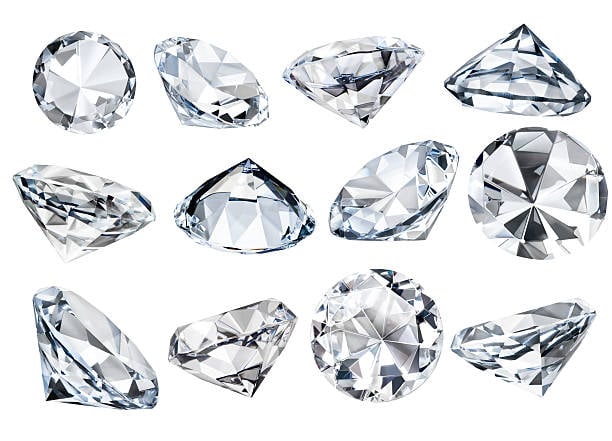
Moissanite has rapidly emerged as a dazzling alternative to traditional diamond, captivating gem enthusiasts with its extraordinary sparkle and ethical appeal. In fact, searches for “moissanite engagement rings” have surged by over 150% in the past two years, signaling a paradigm shift in consumer preference toward lab‑grown gems. Beyond market trends, celebrities such as Emma Watson and Margot Robbie have proudly showcased moissanite pieces on the red carpet, further elevating its cachet among connoisseurs.
Yet, as with any gemstone, not all moissanite is created equal. While color and clarity often dominate the buying conversation, it is the cut—the precise geometry of each facet—that ultimately orchestrates a stone’s visual performance. In this article, we’ll explore why the choice of cut is the single most critical factor in unlocking moissanite’s full brilliance, fire, and scintillation, and how selecting the “best” cut aligns with both aesthetic goals and technical constraints.
II. Understanding Moissanite’s Unique Optical Properties
Before delving into individual cut styles, it’s essential to appreciate what makes moissanite optically distinct from other gemstones.
Exceptional Refractive Index
Moissanite boasts a refractive index (RI) of approximately 2.65–2.69. significantly higher than diamond’s 2.42. This elevated RI means that light entering the stone bends more sharply and is reflected back with greater intensity, resulting in an almost electric brilliance. In practical terms, a well‑cut moissanite can appear even “sparklier” than a diamond of equivalent size and quality.
Pronounced Dispersion (“Fire”)
Dispersion measures how much a gem splits white light into spectral colors. Moissanite’s dispersion of 0.104 outpaces diamond’s 0.044 by more than double, meaning you’ll see more vivid flashes of rainbow hues as the stone moves. However, maximizing this fire depends heavily on facet angles: too steep or too shallow, and you risk white light leakage or excessive color flashes that can appear “gaudy.”
Hardness and Durability
Rated 9.25 on the Mohs scale—just shy of diamond’s perfect 10—moissanite is remarkably resistant to scratches and wear. This hardness affords cutters a degree of flexibility: they can create finer, more intricate facets without as much risk of chipping during the cutting process. Yet, the very strength that allows for elaborate designs also demands exceptional precision; any minute imbalance in facet alignment can compromise the gem’s overall symmetry and light return.
By understanding these optical hallmarks—superior brilliance, dramatic fire, and robust durability—we gain the foundation needed to evaluate why certain cuts elevate moissanite’s performance while others fall short.
III. The Core Impact of Cut on Optical Effects
A moissanite’s radiance is not merely the product of its chemical makeup but the deliberate choreography of light within its facets. Three interrelated optical phenomena define a stone’s visual “wow factor”:
Brilliance (Light Return)
Brilliance refers to the total amount of white light reflected back to the viewer. In a perfectly proportioned cut, each facet acts like a tiny mirror, guiding incoming light through the pavilion (the lower portion of the stone) and out through the crown (the upper portion). If the pavilion depth is too shallow, light escapes through the bottom; too deep, and light gets trapped. Optimal pavilion angles of roughly 40–42° in round and modified brilliant cuts ensure maximum light return, creating that signature “mirror‑like” glow.
Fire (Dispersion of Spectral Colors)
Fire is the rainbow sparkle seen when white light fractures into its spectral components. While moissanite’s high dispersion inherently produces vivid flashes, the cut’s crown angle dictates how effectively these flashes are displayed. A crown angle between 33–35° tends to strike the best balance, showcasing colorful bursts without allowing excessive light leakage that could wash out the effect.
Scintillation (Dynamic Sparkle)
Scintillation describes the interplay of light and dark patterns as the stone or wearer moves. Facet arrangement and symmetry are crucial: a high count of well‑aligned facets produces a lively “starlike” pattern, whereas fewer, oversized facets yield larger patches of light and dark. For moissanite, which can support intricate facet structures, designs with 58–64 facets often deliver the most captivating scintillation, marrying movement with multidimensional sparkle.
Together, these three elements—brilliance, fire, and scintillation—compose the complete optical signature of a moissanite. A cut that excels in one category but neglects the others will feel imbalanced: overly fiery stones can seem “fiery but dull,” whereas those optimized solely for brilliance may lack character. True mastery lies in harmonizing all three through precise proportions and symmetry.
IV. Common Cut Types and Their Ideal Scenarios
While moissanite’s brilliance and fire stem from its intrinsic properties, the cut you choose ultimately frames—and often enhances—those qualities. Below is a polished overview of five popular styles, each tailored to different aesthetic and practical preferences:
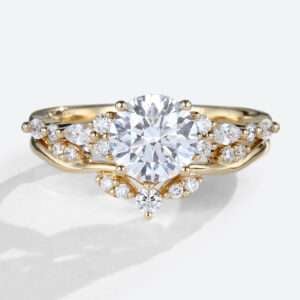
Round Brilliant
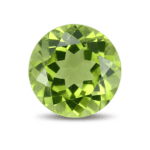
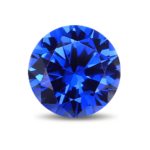
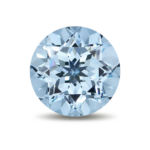
- Visual Signature: A perfectly balanced interplay of light and color, achieved through 58 expertly proportioned facets that maximize both brilliance and fire.
- Why It Works: Universally flattering and endlessly versatile, this cut shines in any setting and under any light. Ideal for those who prize timeless elegance and uncompromising sparkle.
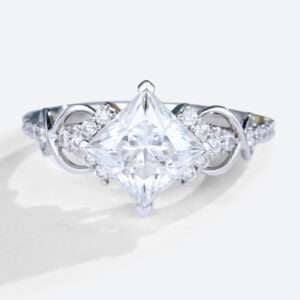
Princess Cut
- Visual Signature: A crisp square silhouette with pointed corners and a deep pavilion, delivering a modern edge and a slightly larger face‑up appearance per carat.
- Why It Works: Its geometric clarity appeals to contemporary minimalists and trendsetters, offering bold lines without sacrificing scintillation.
Emerald Cut
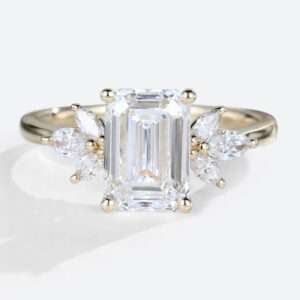
- Visual Signature: Step‑cut facets arranged in broad, parallel tiers that produce dramatic “hall‑of‑mirrors” flashes rather than a blanket of sparkle.
- Why It Works: Perfect for those who value purity and understatement; any inclusions or color nuances become part of the stone’s character, showcased through its clean, architectural lines.
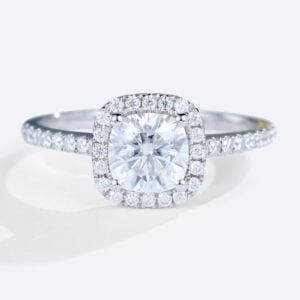
Cushion Cut
- Visual Signature: A soft square or rectangle with rounded corners, available in variations from “crushed‑ice” (multiple tiny facets for intense fire) to “chunky” (larger facets for pronounced flashes).
- Why It Works: Combines romantic charm with vintage flair, striking an elegant balance between brilliance and warmth—ideal for wearers drawn to nostalgic yet luminous designs.
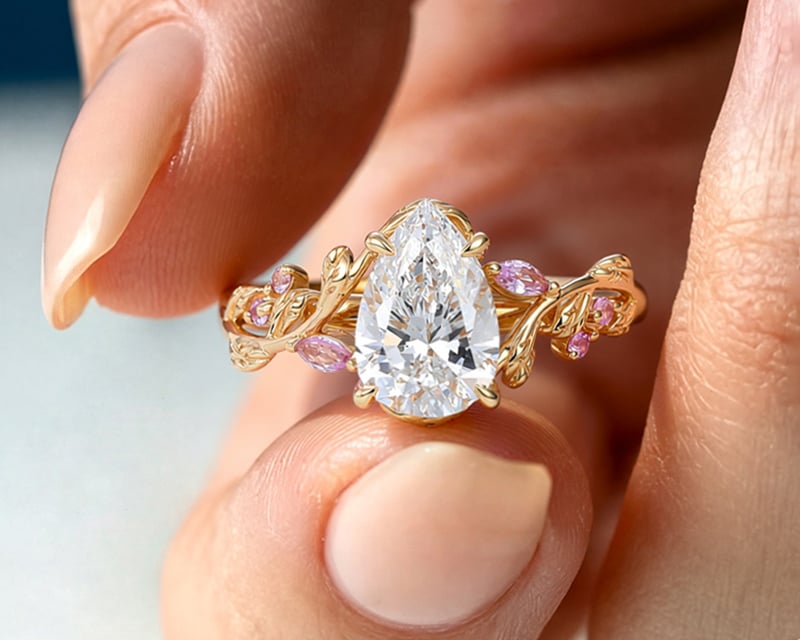
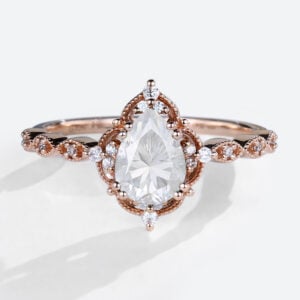
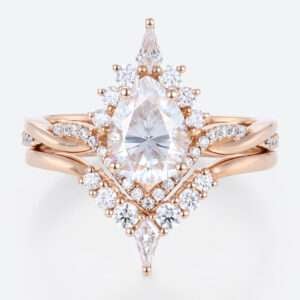
Fancy Shapes (Oval, Radiant, Marquise, Pear, Asscher, etc.)
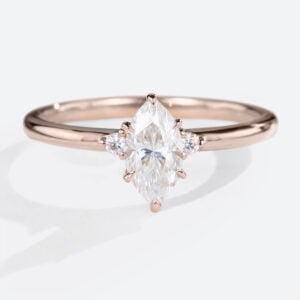
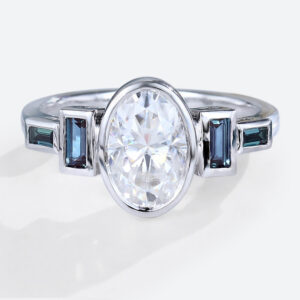
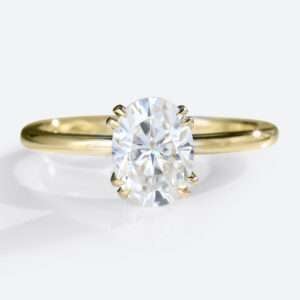
- Visual Signature: Each silhouette brings its own personality—ovals elongate the finger, marquises dramatize length, and radiants blend step‑cut clarity with brilliant cut sparkle.
- Why It Works: For those craving individuality, these cuts offer distinct profiles and unique light performances. The key is choosing dimensions that minimize common pitfalls—like the “bow‑tie” shadow in elongated shapes—and suit your lifestyle (e.g., sturdier settings for pointed tips).
When weighing your options, consider not only the optical trade‑offs but also practical factors: pointed cuts may require protective settings to prevent chipping, while step cuts highlight clarity and can mask minor inclusions.
V. Comparative Analysis: Which Cut Truly Reigns Supreme?
Choosing the “best” cut ultimately hinges on three interwoven criteria: optical performance, visual footprint, and value proposition. Below, we break down how the most popular cuts measure up across these dimensions:
Brilliance vs. Fire Balance
Round Brilliant tops the charts for overall light return, delivering an even, mirror‑like glow that’s hard to rival. However, its fire, while excellent, can feel slightly more restrained compared to the cushion “crushed‑ice” variant, which trades some pure brilliance for flamboyant spectral flashes.
Princess and Radiant cuts offer a compelling middle ground—more dynamic fire than round, with a face‑up presence comparable to cushion, yet without the pronounced light leakage that plagues some fancy shapes.
Apparent Size and Shape Impact
In equal carat weight, emerald and marquise cuts appear larger per millimeter due to their elongated silhouettes, making them budget‑savvy choices for those who prioritize visual heft. Conversely, princess and cushion cuts often look smaller, as their deeper pavilions concentrate weight rather than surface area.
Cost Efficiency and Craft Complexity
Round brilliants command a premium—up to 20–25% more per carat—because of their intensive faceting and material loss during cutting. Fancy shapes like oval or pear can be 10–15% less expensive, yet still showcase robust fire and scintillation when expertly proportioned.
By aligning these metrics with your priorities—whether that’s maximum sparkle, finger‑elongating drama, or budget‑minded size—you can pinpoint a cut that feels truly optimal. For example, if head‑turning fire is paramount and you’re willing to forgo a touch of pure brilliance, a cushion “crushed‑ice” style may be your champion. If timeless versatility and balanced performance sit at the top of your list, the round brilliant remains unrivaled.
VI. Expert Perspective: Metrics That Define “Best”
Beyond surface appeal, professional gemcutters and appraisers evaluate a moissanite’s excellence through rigorous technical benchmarks. Three critical indicators often guide their judgments:
Symmetry and Polish Quality
Even micro‑millimeter deviations in facet alignment can scatter light unpredictably, muting brilliance or creating dark “extinction” zones. Top‑tier cutters adhere to symmetry tolerances within ±0.5%, ensuring that each facet mirror‑polishes to optical perfection.
Facet Count and Distribution
While more facets can amplify sparkle, they also increase cutting complexity and risk of misalignment. Renowned cutters often settle on 60–64 facets for modified brilliants—an optimal sweet spot where each additional plane contributes genuine light performance without compromising structural integrity.
Proportional Harmony
The interplay of crown height, pavilion depth, and table size dictates light behavior. For instance, a table that’s 56–60% of the stone’s diameter paired with a pavilion depth of 42–44% typically hits the ideal balance—maximizing return without over‑leaking white light or inducing excessive color flashes.
When reviewing certificate reports or inspecting stones in person, look for these quantifiable metrics. Certificates from respected laboratories will list exact angles and percentages, allowing you to compare stones objectively rather than relying solely on visual impressions. Ultimately, the “best” cut is one where artistry and science converge—where precise engineering translates into breathtaking radiance and enduring value.
VII. Personalized Selection Guide
Choosing the ideal moissanite cut goes beyond technical specs—it’s about matching the stone to your lifestyle, aesthetic priorities, and budget. Use these guidelines to zero in on the perfect fit:
Consider Your Wear Habits
- Everyday vs. Occasional Wear: If you plan to wear your moissanite daily, opt for cuts with fewer vulnerable points—round brilliant or cushion cuts are inherently durable. Pointed shapes (pear, marquise) look stunning but benefit from protective prong settings.
- Activity Level: For active lifestyles, prioritize cuts with robust girdles and secure mountings. Stepped cuts like the emerald or Asscher can hide minor abrasions, making them practical choices for constant wear.
Define Your Style Narrative
- Classic & Timeless: A round brilliant or emerald cut exudes enduring elegance—perfect for heirloom‑inspired pieces.
- Modern & Edgy: Princess and radiant cuts deliver sleek lines and architectural flair. They pair beautifully with minimalist bands or geometric settings.
- Romantic & Vintage: Cushion cuts and certain fancy shapes (oval, pear) channel antique charm, especially when set in halo or filigree designs.
Balance Face‑Up Size vs. Sparkle
- Maximizing Visual Impact: Elongated cuts (marquise, oval) create the illusion of a larger stone on the finger.
- Optimizing Fire & Brilliance: Cushion “crushed‑ice” and classic rounds prioritize scintillation over sheer surface area. Decide whether you prefer dramatic color flashes or an all‑over mirror‑like glow.
Align with Your Budget
- Premium Investment: Round brilliants often carry the highest per‑carat price but deliver unmatched overall performance.
- Value‑Minded Alternatives: Fancy cuts like oval, radiant, or princess can be 10–20% more affordable per carat, leaving room in your budget for higher color or clarity grades without sacrificing sparkle.
VIII. Conclusion
Selecting the “best” cut for your moissanite is both an art and a science. By understanding how brilliance, fire, and scintillation interplay with facet geometry—and by weighing practical factors like daily wear, style preferences, and budget—you ensure that your chosen gem will captivate for years to come.
At LisaJewelryUS, we are committed to guiding you through every step of this journey. Our expert gemologists meticulously evaluate each moissanite’s angles, proportions, and polish to guarantee optimum light performance. Whether you favor the classic allure of a round brilliant or the distinctive edge of a princess cut, we tailor each design to reflect your unique vision.


