












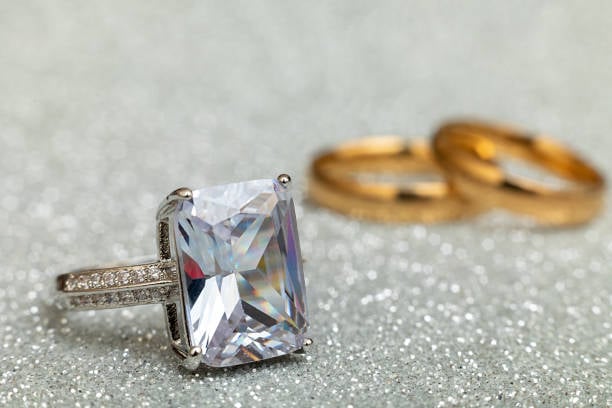
When choosing a diamond or gemstone, the cut is often the single greatest factor in determining both its visual impact and market value. Among the myriad of available diamond cuts, the Emerald Cut and the Radiant Cut stand out as two of the most distinctive and sought-after styles. While both cuts bring out the inherent beauty of the stone, they do so through fundamentally different facet arrangements, light performance, and aesthetic characters. In this article, we’ll explore Emerald Cut vs Radiant Cut side by side—delving into their histories, optical qualities, and practical considerations—so you can make an informed decision when selecting your next fine jewelry piece.
By understanding the nuances between an emerald cut diamond and a radiant cut diamond, you’ll gain insight into which style best complements your personal taste, lifestyle, and budget. Whether you prioritize the understated elegance of step-cut facets or the vibrant sparkle of brilliant-cut facets, this comparison will provide the depth and clarity you need to choose confidently.
I. Cutting Introductions
Emerald Cut
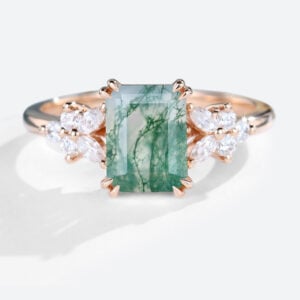
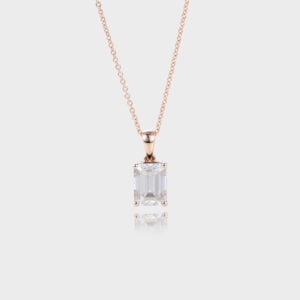
Originally popularized in the 1920s Art Deco era, the emerald cut diamond is characterized by its long, rectangular shape and “step cuts”—parallel, linear facets that create a hall‐of‐mirrors effect. Rather than maximizing fire and scintillation, an emerald cut prioritizes clarity and a broad window into the stone’s interior. The large, open facets accentuate transparency, making the cut especially well‐suited to diamonds and gemstones of exceptional clarity.
Key attributes of the emerald cut:
- Facet Structure: Typically 57–58 facets arranged in concentric rows, producing flashes of light that move in broad, dramatic steps rather than pinpoint sparkles.
- Visual Appeal: A sleek, elegant silhouette that elongates the finger and imparts a timeless, sophisticated look.
- Clarity Emphasis: Because its broad facets offer a clear view into the gemstone, inclusions and color variations are more visible—making high‐clarity and near‐colorless grades particularly desirable for emerald cuts.
- Historical Prestige: Favored by royalty and celebrities for its refined understatement, the emerald cut remains a symbol of classic glamour and architectural precision.
Radiant Cut
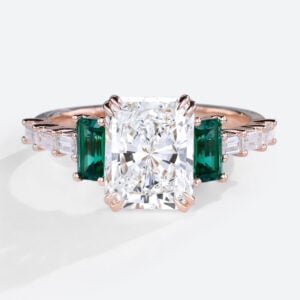
Introduced by master cutter Henry Grossbard in 1977. the radiant cut diamond combines the trimmed corners of an emerald shape with the brilliant‐cut facet configuration more commonly found in round cuts. This hybrid design seeks to blend the elegance of a rectangular or square outline with the superior fire and scintillation of multiple small facets.
Key attributes of the radiant cut:
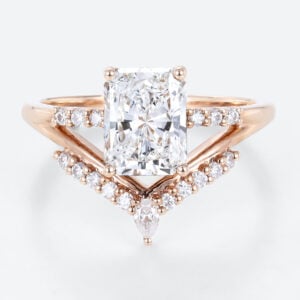
- Facet Structure: Between 62 and 70 facets—significantly more than an emerald cut—arranged in a brilliant‐style pattern that maximizes sparkle from every angle.
- Visual Appeal: A versatile silhouette available in both rectangular and square proportions, offering a lively, contemporary aesthetic that still flatters the finger.
- Light Performance: Exceptional brilliance and dispersion, making inclusions less noticeable and allowing for slightly lower clarity grades without sacrificing visual impact.
- Modern Popularity: Gaining traction for engagement rings and statement jewelry, radiant cuts suit both traditional prong settings and modern bezel or halo designs.
II. Key Comparison Dimensions
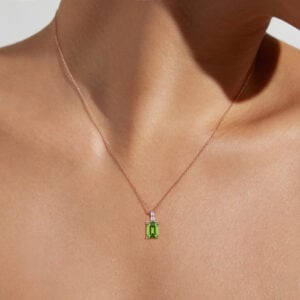
When evaluating Emerald Cut vs Radiant Cut, five core criteria will guide your decision: facet structure and light performance, shape and proportions, setting compatibility, durability and wearability, and budget versus value.
Facet Structure & Light Performance
Emerald Cut Facets
- Step‐Cut Design: The emerald cut diamond features broad, rectangular facets arranged in concentric “steps.” Each of these 57–58 facets produces flashes of light that move horizontally and vertically, creating a mirror‐like hall of light rather than pinpoint sparkle.
- Subtle Brilliance: Because step cuts emphasize depth and clarity over dispersion, an emerald cut offers a sophisticated, understated glow. Under bright light, you’ll notice elongated flashes and crisp reflections rather than the brilliant sparkle typical of round or brilliant cuts.
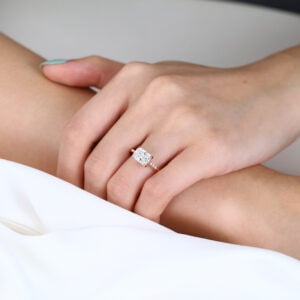
Radiant Cut Facets
- Brilliant‐Cut Hybrid: Radiant cut diamonds incorporate 62–70 small facets arranged in a brilliant‑style pattern. This configuration optimizes fire (the rainbow dispersion) and scintillation (momentary flashes) for a vibrant overall brilliance.
- Maximized Sparkle: A radiant cut diamond catches light from virtually every angle. The dense network of facets ensures that even minor inclusions are hidden by the intense sparkle, making radiant cuts ideal for slightly lower clarity grades without compromising visual impact.
Shape & Proportions
Emerald Cut Shape
- Rectangular Silhouette: Traditional emerald cuts feature a longer rectangular outline with cropped corners. Length‑to‑width ratios commonly range from 1.30:1 (near square) up to 1.50:1 for a more elongated look.
- Finger‑Enhancing Effect: The long, narrow form of an emerald cut diamond visually elongates the wearer’s finger, imparting an elegant, statuesque appearance.
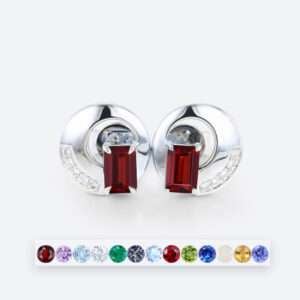
Radiant Cut Shape
- Square or Rectangular Options: Radiant cuts offer versatility in shape—square proportions (1:1) for a contemporary vibe, or rectangular ratios (up to 1.40:1) for a more classic feel.
- Bold Outline with Soft Corners: Unlike the severe corners of an emerald cut, radiant cuts feature trimmed corners that soften the silhouette, blending the architectural feel of an emerald cut with the softer geometry of a cushion cut.
Setting Compatibility
Emerald Cut Settings
- Prong & Bezel Styles: Emerald cut diamonds pair beautifully with four‑ or six‑prong settings that secure the long corners, or sleek bezel settings that protect vulnerable edges.
- Vintage & Minimalist Settings: The clean lines of the emerald cut shine in Art Deco–inspired settings or minimalist, low‑profile bands that allow the cut’s hall‐of‐mirrors effect to take center stage.
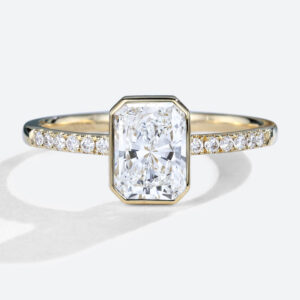
Radiant Cut Settings
- Halo & Pavé Accents: Radiant cuts are especially popular in halo settings, where the extra sparkle from surrounding stones amplifies the radiant cut diamond’s brilliance. Pavé bands further enhance the fire and light performance.
- Modern & Custom Designs: The versatile silhouette of a radiant cut diamond adapts well to tension, channel, and split‐shank settings, making it a favorite for contemporary and bespoke jewelry designs.
Durability & Everyday Wear
Emerald Cut Durability
- Vulnerable Corners: The sharp, elongated corners of an emerald cut diamond can be prone to chipping if not properly protected. Bezel or six‑prong settings are recommended to shield these areas.
- Cleaning & Maintenance: The broad facets of an emerald cut show smudges and minor scratches more readily, so regular professional cleaning is advised to maintain its signature clarity.
Radiant Cut Durability
- Protected Corners: Radiant cuts have trimmed, shorter corners that inherently reduce the risk of chipping, making them more durable for daily wear.
- Hidden Inclusions: Thanks to the high facet count and brilliance, radiant cut diamonds tend to hide minor surface blemishes, translating to less frequent need for precision cleaning compared to step cuts.
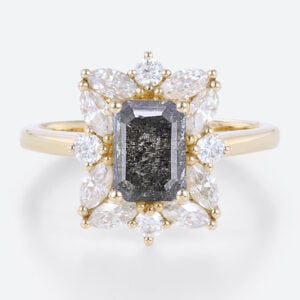
Budget & Value Considerations
Emerald Cut Pricing
- Premium for Clarity: Since inclusions and color are more visible, emerald cut diamonds command higher prices for VS1 clarity or better and G‑color or above. Buyers pay a premium for the “perfect window.”
- Cost per Carat: On average, emerald cuts can be 5–15% less expensive per carat than comparable round brilliant cuts, but still pricier than less popular fancy shapes.
Radiant Cut Pricing
- Value Sparkle Trade‑Off: Radiant cut diamonds often cost 10–20% less per carat than round brilliants because they are less traditional, yet they deliver comparable fire and brilliance.
- Clarity Flexibility: You can select a radiant cut diamond with a slightly lower clarity grade (SI1–SI2) and still enjoy a luminous appearance, stretching your budget further without a noticeable sacrifice in sparkle.
III. Personalized Buying Guide
Choosing between an emerald cut diamond and a radiant cut diamond ultimately comes down to your individual style, hand proportions, and lifestyle needs. Use this personalized buying guide to match the right cut to your unique profile.
Hand Shape & Finger Proportions
- Long, Slender Fingers: If you have elongated fingers, an emerald cut’s rectangular silhouette (common length‑to‑width ratios of 1.30:1 to 1.50:1) will amplify the elegant, finger‑lengthening effect. The step‑cut facets draw the eye along the axis of your finger for a statuesque look.
- Short or Wide Fingers: A square or slightly rectangular radiant cut (ratios from 1:1 to 1.20:1) can create balance, making shorter fingers appear longer without exaggerating width. The trimmed corners of a radiant cut diamond soften the overall shape, offering visual harmony.
Style Preferences
- Classic & Understated: If you gravitate toward minimalism or vintage aesthetics, the clean lines and clarity emphasis of an emerald cut will resonate. Pair with slim, unadorned bands or Art Deco–inspired settings to keep the focus on the gem’s architectural geometry.
- Vibrant & Modern: For those who love bold sparkle and contemporary flair, a radiant cut diamond is ideal. The high facet count and brilliant‑cut pattern deliver maximum fire—perfect for halo settings, pavé bands, or avant‑garde mounts.
Occasion & Wearability
- Everyday Engagement Ring: Durability matters. The trimmed corners of a radiant cut provide extra protection against chipping, and its ability to hide minor inclusions makes it low‑maintenance for daily wear.
- Heirloom or Statement Piece: An emerald cut’s showcase of clarity and color makes it well‑suited for special‑occasion jewelry where occasional cleaning is acceptable. Its timeless elegance ensures it won’t go out of style for generations.
Budget Brackets
- Entry Level (Under $5.000): Seek a smaller radiant cut (around 0.50–0.75 ct) with SI1 clarity and H‑I color—sparkle masks minor inclusions, stretching your budget.
- Mid Tier ($5.000–$15.000): Opt for a 1.0–1.5 ct emerald cut in VS2 clarity and G color. You’ll benefit from the clarity window without breaking the bank, and enjoy the refined hall‑of‑mirrors effect.
- Luxury Tier (Above $15.000): Go big. Choose a 2+ ct emerald cut in VS1 or better, or a radiant cut diamond in D‑F color and VS1 clarity. Accent with platinum or custom halo settings for maximum impact.
Conclusion
When weighing Emerald Cut vs Radiant Cut, remember that neither option is objectively “better.” An emerald cut diamond offers timeless elegance, emphasizing clarity and a sleek, architectural silhouette, while a radiant cut diamond delivers dazzling brilliance, forgiving inclusions with its brilliant‑cut facets and providing a modern twist on the classic rectangle.
Reflect on your hand shape, style preferences, and daily wear needs. If you prize understated glamour and a distinct step‑cut profile, the emerald cut is your match. If you crave maximum sparkle and corner protection for everyday wear, the radiant cut will not disappoint.
Ready to discover your perfect cut? Explore our curated collections at LisaJewelryUS or book a personalized consultation with one of our gem specialists. Whether you choose the refined transparency of an emerald cut or the fiery allure of a radiant cut, we’ll help you find the diamond that tells your story—and shines as brilliantly as you do.


-90x90.jpg "What to Look for in an Engagement Ring Before You Buy")