















-856x470.jpg "What to Look for in an Engagement Ring Before You Buy")
Buying an engagement ring should feel exciting. But once you start researching, it quickly becomes overwhelming. Suddenly you’re comparing diamond shapes, carat weight, white gold vs yellow gold, lab grown diamonds vs natural diamonds, and dozens of different ring styles that all start blending together.
The truth is, there’s no single “perfect engagement ring.” The best ring is the one that fits your partner’s personality, lifestyle, and everyday style — not just what’s trending online.
If you’re currently buying an engagement ring and wondering what actually matters, this guide will walk you through the most important things to look for before making such a meaningful purchase.
I. Start With the Center Stone, Not the Ring Setting
When people begin the engagement ring shopping process, most immediately focus on the band style. Rose gold or white gold? Vintage or modern? Hidden halo or plain metal band?
But experienced jewelers and every good diamond expert will tell you the same thing:
Your center stone is what defines the entire ring.
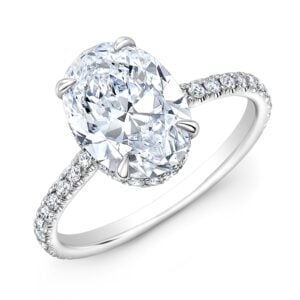
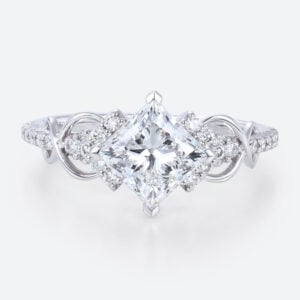
The shape, sparkle, and size of the center stone influence almost every part of the final look. Even simple diamond rings can feel completely different depending on the diamond shape you choose.
The Right Diamond Shape Changes Everything
Some diamond shapes feel timeless and classic, while others look modern and bold. That’s why choosing the right center stone shape matters more than most people expect.
For example:
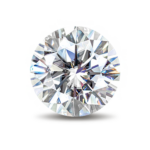
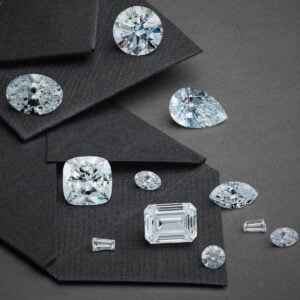
- Round diamonds are classic and incredibly brilliant.
Oval diamonds create a softer, elongated look on the hand.
Emerald cut stones feel clean, elegant, and understated.
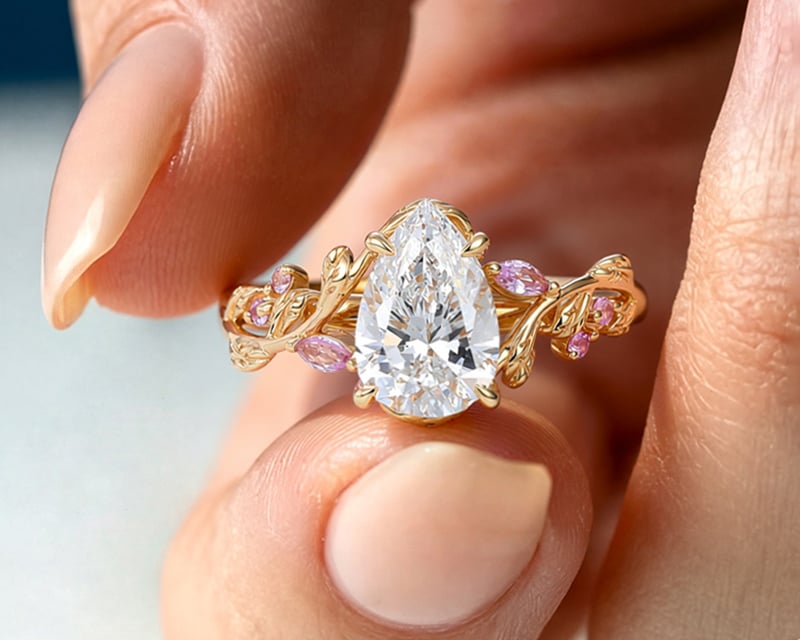
Pear shapes feel more fashion-forward and unique.
Rose cut diamonds offer a vintage-inspired appearance with a softer sparkle.
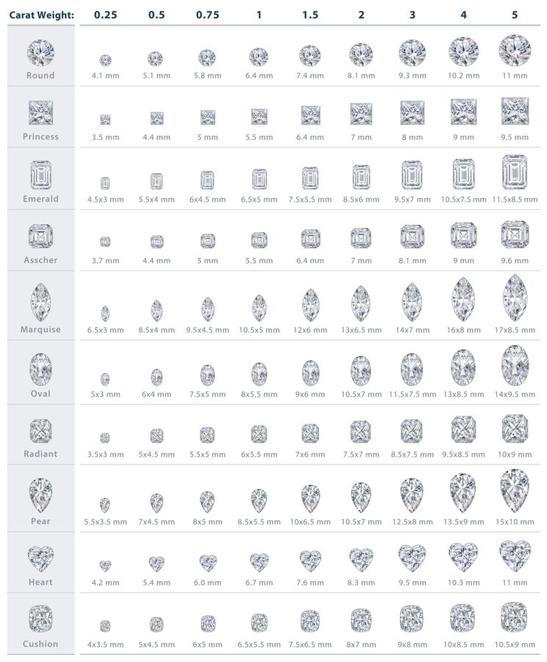
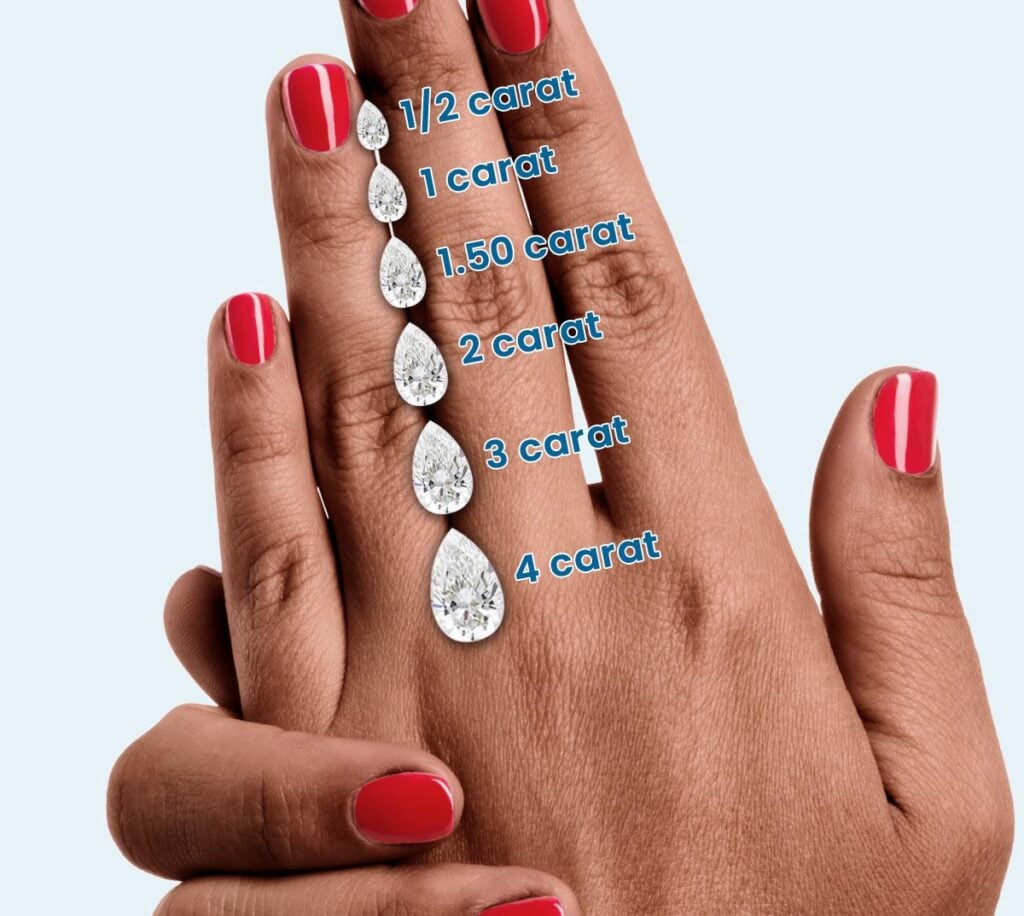
Many people shopping for a diamond engagement ring assume bigger always means better. In reality, proportions and shape often matter more than sheer carat weight.
An oval or emerald cut can appear larger than a round stone of the same size because of how the shape covers the finger visually.
Think About Their Everyday Style
One of the most overlooked parts of buying an engagement ring is considering how the ring fits daily life.
Someone who prefers minimalist fashion may love a simple solitaire with a white gold band. Someone with a more romantic or vintage style may lean toward rose gold rings with intricate details or colored gemstones.
If your partner wears mostly neutral jewelry, white gold rings are usually the safest choice because they pair effortlessly with almost everything. Yellow gold, on the other hand, feels warmer, more traditional, and has become increasingly popular again in modern wedding ring trends.
Before choosing a ring, ask yourself:
Do they wear bold or subtle jewelry?
Do they prefer silver tones or warm gold tones?
Would they want something timeless or trend-driven?
Do they value uniqueness over tradition?
The best engagement ring should feel like an extension of their personality — not just a beautiful piece from a jewelry store display.
II. Don’t Obsess Over Carat Weight
One of the biggest mistakes people make during the ring shopping process is focusing only on carat weight.
Yes, size matters to some extent. But sparkle, proportions, and craftsmanship often matter far more in real life.
A well-cut 1 carat diamond can look significantly more luxurious than a poorly cut larger stone.
That’s because brilliance is what catches attention first.
Bigger Isn’t Always Better
Social media has changed the way many people view engagement rings. Oversized stones dominate Instagram and TikTok, making buyers feel pressure to go larger and larger.
But in reality, the perfect engagement ring is balanced.
An overly large center stone can sometimes feel impractical for everyday wear, especially for someone with an active lifestyle. Comfort, durability, and wearability matter just as much as appearance.
This is why many modern couples are now prioritizing quality over size during engagement ring shopping.
Lab Diamonds Are Changing the Industry
Another reason people are less focused on carat weight today is the rise of lab grown diamonds.
Lab diamond technology has completely changed the diamond industry in recent years. Buyers can now choose larger, higher-quality stones without the extremely high pricing traditionally associated with mined diamonds.
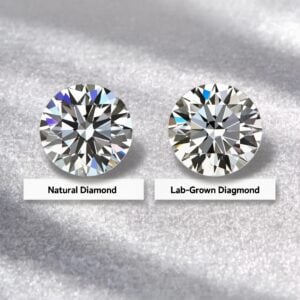
Visually, lab grown diamonds and natural diamonds look nearly identical. Both are real diamonds with the same chemical structure and sparkle.
For many couples, choosing a lab diamond simply allows more flexibility in budget — whether that means upgrading the center stone, selecting a custom ring, or investing in a better wedding band pairing later on.
That’s especially helpful for buyers who want a larger stone while still keeping the ring elegant and wearable.
Focus on Meaning, Not Just Trends
At the end of the day, engagement rings are emotional purchases.
The goal isn’t to impress strangers online. It’s to choose something your partner will genuinely love wearing every day for years.
Whether you choose a classic white gold solitaire, a custom ring with colored gemstones, or a modern lab grown diamond design, the most important thing is finding a ring that feels personal.
Because the perfect engagement ring isn’t necessarily the biggest or most expensive one.
It’s the one that instantly feels right the moment they put it on.
III. Choose a Ring Setting That Fits Real Life
After choosing the diamond center stone, the next step is selecting a setting that works for your partner’s lifestyle.
This is where many engagement rings start to feel very different from each other.
Some settings focus entirely on sparkle. Others prioritize comfort, durability, or a cleaner everyday look. The right direction depends on how the ring will actually be worn day to day.
Prong Setting vs Bezel Setting
A classic prong setting remains the most popular choice for a diamond engagement ring because it allows more light to enter the stone, creating stronger brilliance.
You’ll often hear jewelers mention claw prongs or four-prong and six-prong styles during the ring shopping process. These designs help hold the diamond securely while maximizing sparkle.
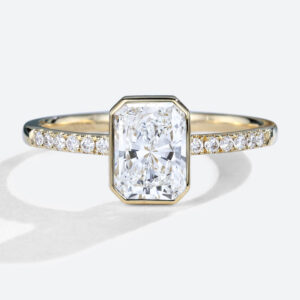
A bezel setting, on the other hand, surrounds the stone with metal for a smoother and more modern appearance. It’s especially practical for someone with an active lifestyle because the diamond is more protected.
Generally speaking:
Prong settings feel more timeless and traditional.
Bezel settings feel cleaner, modern, and lower maintenance.
Neither is better — it simply depends on personal style and daily wear.
The Metal Color Matters More Than You Think
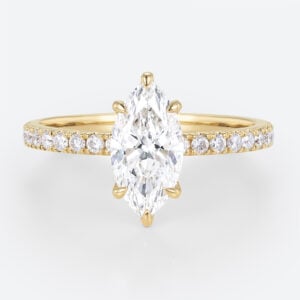
Metal color changes the overall personality of the ring.
White gold remains one of the safest and most versatile choices because it pairs beautifully with most diamonds and wedding bands. Platinum settings offer a similar appearance but feel slightly heavier and more durable.
Yellow gold creates a warmer and more vintage-inspired feel, while rose gold gives engagement rings a softer and more romantic appearance.
Skin tone can also influence which metal looks best:
- Cooler skin tones often suit white gold or platinum.
Warmer skin tones usually pair beautifully with yellow gold or rose gold.
If you’re unsure, looking at the jewelry your future spouse already wears is often the easiest clue.
IV. Don’t Forget About Ring Size and Comfort
Even the perfect stone can feel wrong if the ring itself isn’t comfortable.
One thing many first-time buyers overlook is band thickness. A thicker band can make a large diamond center stone feel more balanced, while thinner bands create a delicate appearance that makes small diamonds appear larger visually.
Comfort also matters during everyday wear.
Someone who works with their hands frequently may prefer a lower-profile setting instead of a very tall stone. A ring that constantly catches on clothing or feels bulky may not be enjoyable long term.
How to Secretly Find Your Partner’s Ring Size
Trying to figure out the wearer’s ring size can feel stressful, especially if the proposal is meant to be a complete surprise.
A few simple options include:
Borrowing one of their existing rings
Asking close friends or family members
Visiting a local jeweler together casually
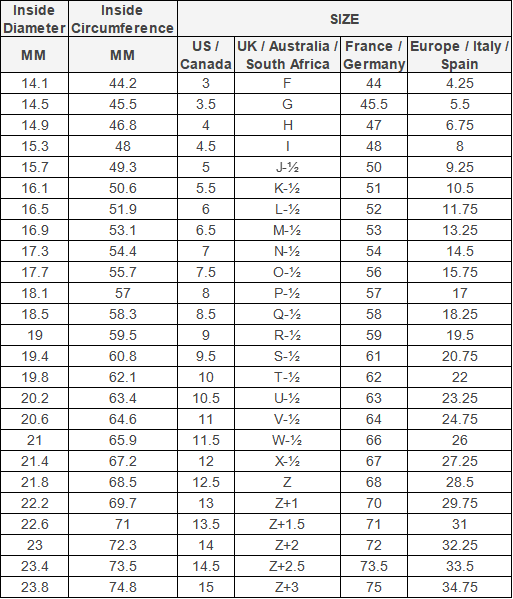
Comparing measurements using printable sizing guides
If you’re between sizes, slightly larger is usually safer because resizing down is often easier.
V. Should You Buy Natural or Lab Grown Diamonds?
This is one of the biggest questions people ask while buying an engagement ring today.
For more than a century, natural diamonds dominated the market. But lab grown diamonds are now becoming one of the fastest-growing categories in the diamond industry.
And honestly, most people cannot tell the difference with the naked eye.
Are Lab Diamonds Real Diamonds?
Yes — lab diamonds are real diamonds.
They have the same physical and chemical properties as mined diamonds. Even professional diamond experts use specialized equipment to identify origin.
That’s why many couples now choose lab grown diamonds when they want:
Larger stone size
Better quality within budget
More flexibility for a custom ring
Better value overall
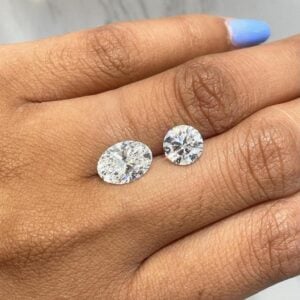
For example, instead of choosing one small diamond, buyers may upgrade to a larger oval, marquise cut, or pear cut stone while staying within the same budget.
Certification Still Matters
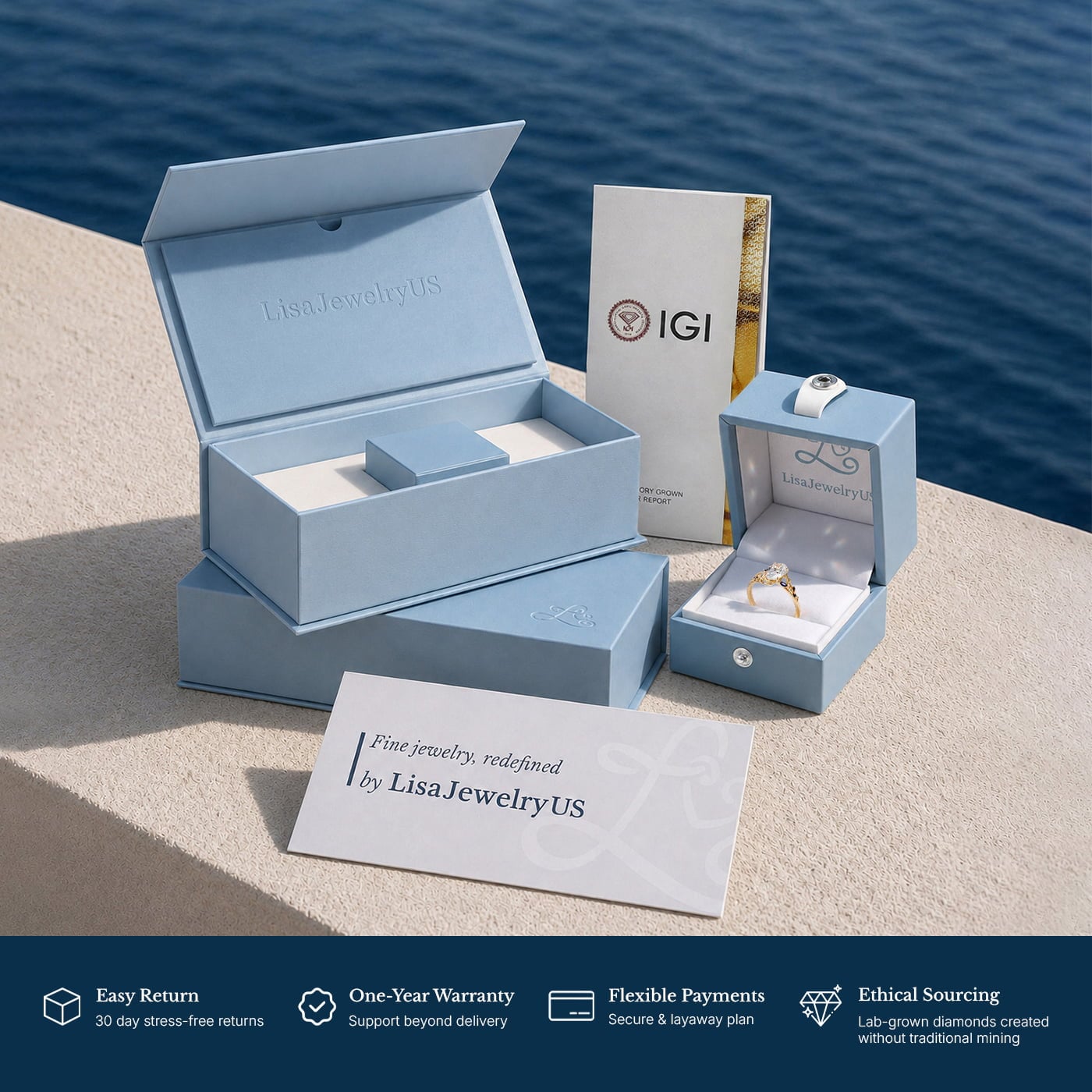
Whether you choose natural diamonds or lab diamonds, certification is important.
A reputable jeweler should provide grading information from organizations like the International Gemological Institute or GIA.
These reports help verify:
Carat weight
Diamond cut
Clarity
Color
Stone measurements
This makes engagement ring shopping feel much safer, especially when purchasing online.
VI. Think About Long-Term Style, Not Short-Term Trends
Trends change quickly.
The engagement ring that dominates social media today may not feel timeless five years from now.
That doesn’t mean you should ignore trends completely. But the best engagement rings usually balance personality with longevity.
Round brilliant cuts remain popular because they work with almost every setting and never really go out of style. Emerald cut and oval rings continue growing because they feel elegant while still modern.
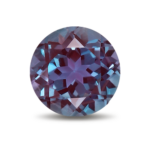
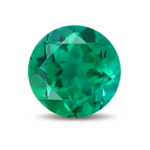
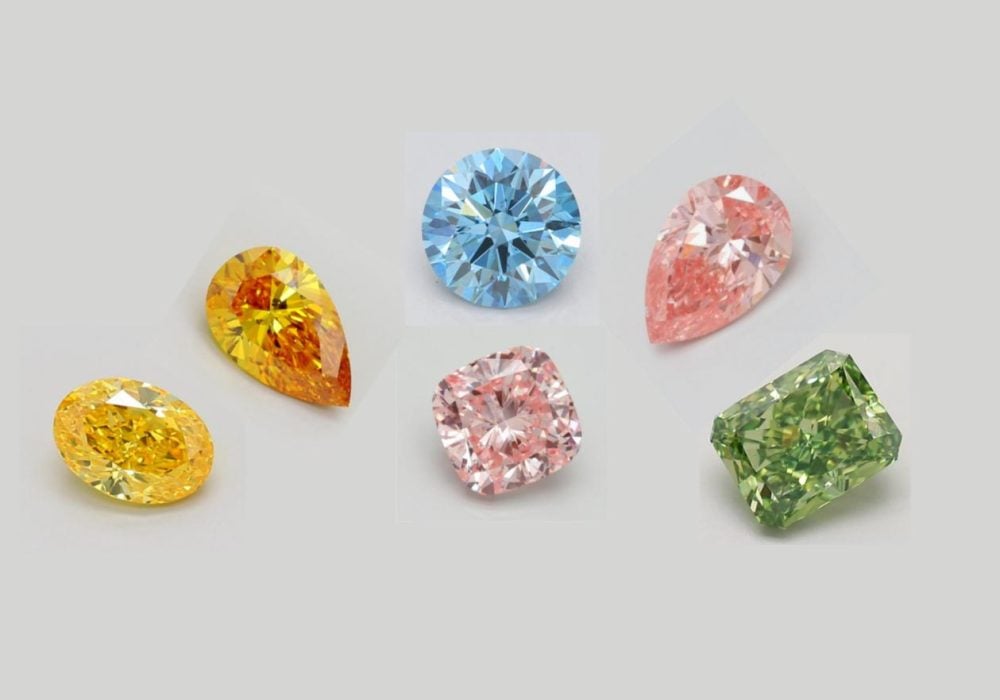
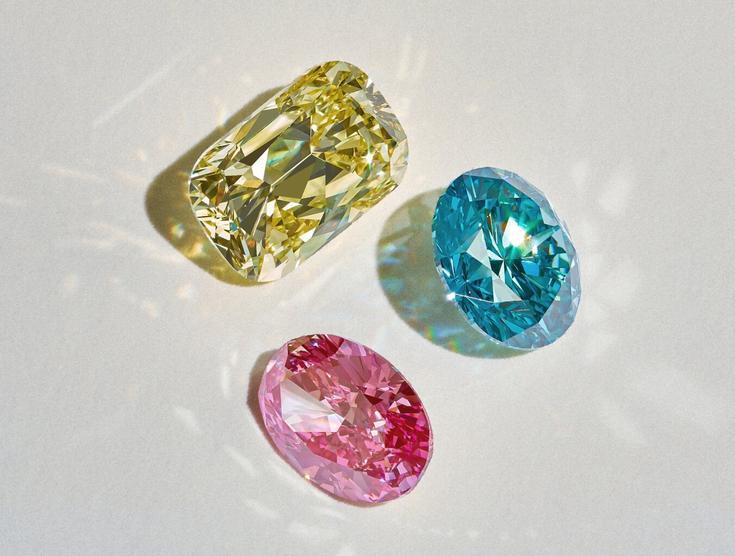
Meanwhile, colored stones and rose cut designs are becoming increasingly popular among couples looking for something more personal.
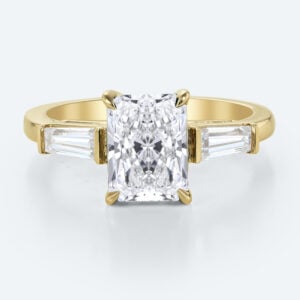
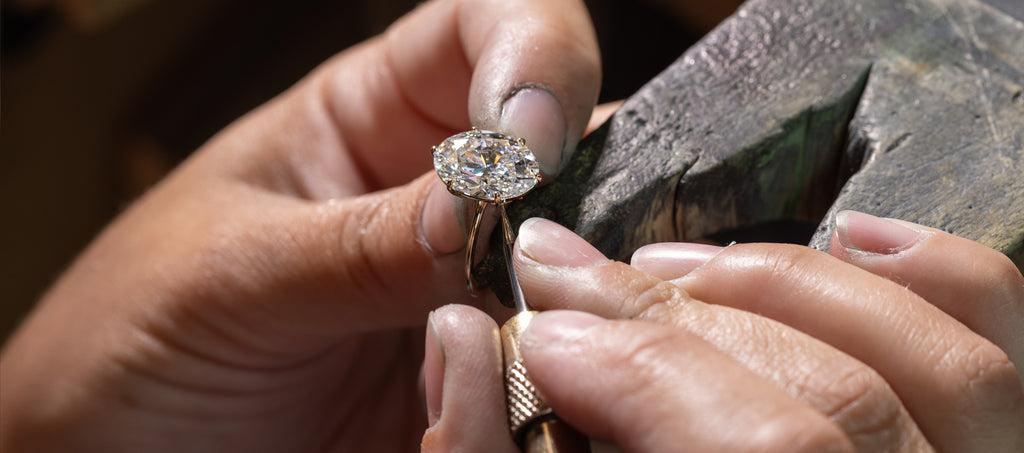
A Custom Ring Can Feel More Meaningful
Many buyers eventually realize they don’t want the exact same ring everyone else has.
That’s why custom engagement rings continue to grow in popularity.
Going the custom route allows you to personalize details like:
Stone shape
Accent stones
Metal color
Band thickness
Hidden engravings
Setting style
Sometimes even small adjustments make a ring feel completely unique.
And contrary to what many people assume, custom rings do not always require a completely different timeline or dramatically higher pricing.
VII. Final Thoughts
Buying an engagement ring can feel overwhelming at first, but it becomes much easier once you focus on what actually matters.
Instead of chasing the rare carat size trends or comparing every ring on the same page online, focus on finding a piece that matches your partner’s personal style and everyday life.
The perfect engagement ring isn’t about following exact science or impressing strangers.
It’s about choosing something that feels meaningful every time they look at it.
Whether that’s a classic round brilliant in a platinum setting, a marquise cut lab diamond, or a custom rose gold design with colored stones, the best ring is the one that feels personal from the very beginning.