


























I. Introduction
Over the past decade, lab diamond rings have become one of the most talked-about developments in the diamond industry. As technology has advanced, more couples shopping for engagement rings are discovering that lab grown diamonds offer an alternative to traditional natural diamonds without sacrificing beauty or durability.
Unlike earth mined diamonds, which form deep within the Earth over billions of years, lab grown diamonds are created in controlled laboratory environments using advanced technology. These diamonds share the same carbon crystal structure as real diamonds, which means they have the same hardness, brilliance, and optical properties as naturally mined diamonds.
Because of this, many experts in the jewelry industry consider laboratory grown diamonds to be genuine diamonds rather than imitations. In fact, modern grading standards evaluate lab created diamonds using the same criteria applied to natural stones, including cut, clarity, color, and carat weight.
However, despite their growing popularity, many buyers still have questions when choosing lab grown diamonds for a diamond engagement ring. Some wonder whether lab grown diamonds are real, while others question their resale value or how they compare with earth mined diamonds.
Understanding the lab diamond rings pros and cons can help buyers make more confident decisions. Like any major jewelry purchase, selecting a diamond involves weighing multiple factors—from price and ethics to rarity and long-term value.
In the following sections, we will explore both the advantages and potential drawbacks of lab grown diamonds, helping you decide whether a lab grown diamond engagement ring is the right choice for you.
II. What Are Lab Diamond Rings?
Before exploring the lab diamond rings pros and cons, it’s important to understand what lab diamonds actually are.
Lab grown diamonds, sometimes referred to as synthetic diamonds or lab created diamonds, are real diamonds produced using advanced technological processes that replicate the conditions under which diamonds naturally form. These diamonds develop the same carbon crystal structure found in natural diamonds, giving them the same strength and brilliance.
In terms of physical and chemical properties, there is almost only difference between lab grown diamonds and earth mined diamonds that can be detected without specialized equipment. Both types of diamonds are made entirely of carbon and display the same hardness, sparkle, and durability.
The main distinction lies in their origin. Natural diamonds—also called naturally mined diamonds or mined stones—are extracted through natural diamond mining, which involves removing diamonds from the earth’s crust. Because these diamonds form over geological time, they are considered a valuable natural resource and are often associated with rarity.
By contrast, laboratory grown diamonds are produced in controlled environments using technologies such as high pressure high temperature or chemical vapor deposition. These processes allow manufacturers to create diamonds more efficiently while maintaining the same physical properties as real diamonds.
This technological advancement has transformed the diamond industry, giving buyers more options when selecting a diamond engagement ring. Many couples today appreciate that lab grown diamonds offer the same beauty as natural stones while often being more affordable.
However, while lab grown diamonds provide several advantages, there are also considerations buyers should understand before making a purchase. That’s why examining the pros and cons of lab diamond rings is an important step when deciding between lab grown diamonds and naturally mined diamonds.

III. Lab Diamond Rings Pros and Cons: The Key Differences Between Lab and Earth Mined Diamonds
When evaluating lab diamond rings pros and cons, one of the most important things to understand is the key differences between lab created diamonds and earth mined diamonds. Although these diamonds come from different origins, they share many similarities that often surprise first-time buyers.
From a scientific perspective, lab grown diamonds and earth mined diamonds are chemically identical. Both types of diamonds have the same chemical properties, the same carbon crystal structure, and nearly identical optical properties. This means they produce the same brilliance and sparkle when light reflects through the stone.
In fact, most people cannot tell the difference between these diamonds with the naked eye. Even experienced jewelers typically rely on specialized tools or a grading report from a recognized gemological institute to determine whether a diamond was formed naturally or grown in a laboratory.
The main difference lies in how the diamonds are created. Earth mined diamonds form naturally beneath the earth’s crust under extreme pressure and heat over billions of years. These diamonds are extracted through natural diamond mining, a process that removes stones from the earth and contributes to the global finite supply of natural diamonds.
By contrast, lab created diamonds are produced using advanced technology in carefully controlled environments. Two of the most common growth methods are HPHT diamonds and chemical vapor deposition, both of which replicate the conditions that allow carbon atoms to crystallize into diamonds.
Because of these technological processes, lab grown diamonds can be produced more efficiently while maintaining the same quality characteristics as their earth mined counterparts.
For buyers considering a diamond engagement ring, understanding these key differences can help clarify why lab diamonds have become a major innovation in the modern diamond industry.

IV. Choosing Lab Grown Diamonds for Engagement Rings: Cost Savings and Ethical Considerations
Another important part of evaluating lab diamond rings pros and cons is understanding the practical benefits they offer when choosing lab grown diamonds for engagement rings.
One of the major advantages of lab diamonds is their lower cost. Because they are created in laboratories rather than mined from the earth, lab grown diamonds often provide significant cost savings compared with earth mined diamonds of the same quality.
For example, a buyer with the same budget may be able to purchase a larger diamond with higher carat weight when choosing a lab created diamond. This makes lab diamonds an attractive option for couples who want a larger center stone or a more elaborate wedding band design while still staying within a comfortable price range.
Another advantage relates to ethical concerns. Some buyers worry about the environmental impact of natural diamond mining or the historical issue of conflict diamonds, sometimes referred to as blood diamonds. Because lab grown diamonds are produced in controlled facilities, they avoid many of the environmental and ethical challenges associated with traditional mining.
In addition, modern laboratory production methods such as HPHT diamonds and chemical vapor deposition allow manufacturers to produce high quality stones with consistent characteristics. These diamonds are graded using the same standards applied to natural diamonds, ensuring they meet expectations for clarity, brilliance, and durability.
However, some buyers still consider factors such as lower resale value or perceived rarity when comparing lab grown diamonds with earth mined diamonds. Since natural diamonds originate from mother earth and exist in a limited geological supply, they are sometimes viewed as having stronger long-term perceived value.
Ultimately, deciding between these options comes down to personal priorities. For many couples, the ability to save money, choose larger diamonds, and address ethical concerns makes lab diamonds an appealing choice for a modern diamond engagement ring.
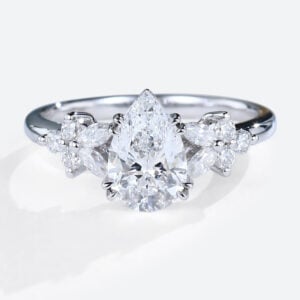
V. Pros of Lab Diamond Rings
Understanding the advantages of lab diamond rings can help buyers see why these stones have become increasingly popular in modern jewelry. One of the most important benefits is that lab grown diamonds provide many of the same qualities as natural diamonds while often being more cost effective.
Because lab diamonds are produced in controlled environments using advanced technology, they can achieve the same optical properties and sparkle as diamonds formed naturally beneath the earth. These diamonds are chemically identical to natural stones, which means they offer the same durability and brilliance.
Another major advantage is lower price. Compared with earth mined diamonds, lab created diamonds can cost significantly less while maintaining similar quality characteristics. This allows buyers to choose a larger carat size or higher cut quality without dramatically increasing their budget.
For example, many couples choosing a diamond engagement ring find that lab grown diamonds allow them to select larger stones with the same carat weight they want while still staying within a comfortable spending range. These cost savings are often one of the biggest reasons people choose lab diamonds.
Lab diamonds also appeal to buyers who care about the environmental impact of traditional mining. Natural diamond mining can involve significant land disruption and energy use. By contrast, diamonds produced in laboratories are created under controlled conditions, which can reduce some of the environmental concerns associated with mining.
Additionally, many consumers value the fact that lab grown diamonds avoid issues historically connected to conflict diamonds and concerns about human rights in mining regions. Because they are created in laboratories rather than extracted from the earth, lab diamonds provide an alternative that many buyers consider more ethically transparent.
Thanks to these advantages, lab grown diamonds have become an increasingly attractive option for couples purchasing engagement rings or other meaningful jewelry pieces.
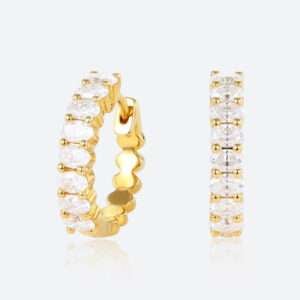
VI. Cons of Lab Diamond Rings
Although there are many advantages, it is also important to understand the potential drawbacks when evaluating lab diamond rings pros and cons.
One commonly discussed factor is lower resale value. Because natural diamonds originate from mother earth and exist in a limited finite supply, they are often viewed as rare natural resources. This perception can influence how diamonds are valued in the resale market.
By contrast, lab grown diamonds can be produced repeatedly using advanced technology, which means their supply is not limited in the same way as earth mined diamonds. As a result, some buyers believe lab diamonds may have lower resale value compared with certain natural stones.
Another consideration is long-term perceived value. In the traditional diamond industry, natural diamonds have historically been associated with rarity and geological history. Since lab diamonds are created in laboratories, some consumers still prefer the symbolism connected with stones formed naturally beneath the earth’s crust.
In addition, while most lab diamonds appear identical to natural stones to the naked eye, the Federal Trade Commission requires that lab diamonds be clearly disclosed as laboratory-grown. This transparency helps ensure consumers can make an informed decision when purchasing a diamond.
It is also worth noting that both natural and lab diamonds are evaluated using the same grading standards. A diamond’s beauty still depends heavily on cut quality, clarity, and carat weight, regardless of how the stone was formed.
Conclusion
When evaluating lab diamond rings pros and cons, it becomes clear that both lab grown and natural diamonds offer unique advantages.
Lab grown diamonds provide exceptional beauty, the same chemical properties as natural stones, and significant cost savings for buyers seeking larger diamonds or higher quality stones within a reasonable budget. Their production in controlled environments also appeals to consumers who are concerned about the environmental and ethical impact of mining.
On the other hand, some buyers still prefer natural diamonds because of their geological origin and long-standing reputation within the diamond industry. Factors such as perceived rarity and resale value may influence that preference.
Ultimately, the best choice depends on personal priorities. Whether someone prefers the innovation of lab grown diamonds or the tradition of earth mined diamonds, the most important factor is selecting a diamond engagement ring that reflects personal style, values, and the meaning behind the commitment it represents.