


























I. Why the Confusion Matters
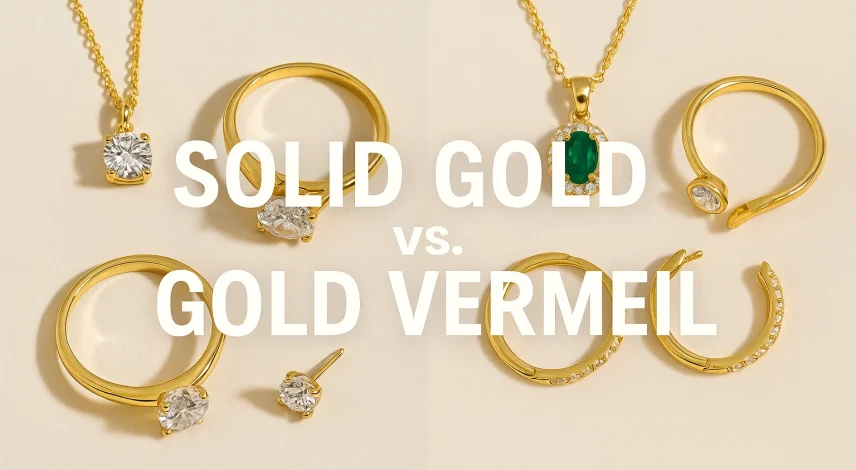
When shopping for fine jewelry, you’ve likely come across terms like solid gold and gold vermeil. While both offer the radiant beauty of gold, they are fundamentally different materials—each with its own qualities, benefits, and care requirements. This distinction often causes confusion among buyers who want to make informed decisions before investing in jewelry pieces.
Understanding the difference between solid gold and gold vermeil is essential not only for ensuring you get the value you expect but also for choosing jewelry that fits your lifestyle, budget, and personal style. Whether you’re searching for an everyday accessory or a timeless heirloom, knowing what lies beneath the surface can help you select pieces that will last and shine.
II. What Is Solid Gold?
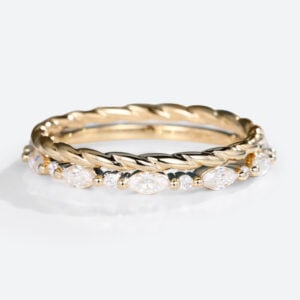
Solid gold refers to jewelry made entirely from gold alloyed with other metals for strength and durability. Pure gold, or 24 karat (24K) gold, is too soft for everyday wear, so it is typically mixed with metals like copper, silver, or palladium to create stronger alloys, resulting in common purities such as 18K (75% gold), 14K (58.5% gold), and 10K (41.7% gold).
Key Characteristics of Solid Gold:
- Durability and Longevity: Solid gold jewelry is highly durable and can last a lifetime, often becoming a treasured heirloom. It resists tarnishing and corrosion, maintaining its appearance through years of wear.
- Intrinsic Value: Because solid gold contains a significant percentage of pure gold, its value is higher and closely tied to the global gold market price. This makes solid gold pieces both beautiful accessories and potential investments.
- Hypoallergenic: Higher-karat solid gold (like 18K or 22K) is less likely to cause allergic reactions compared to plated metals, making it suitable for sensitive skin.
- Variety of Colors: Depending on the alloy metals used, solid gold jewelry can come in classic yellow, white, or rose gold hues.

Considerations:
- Price: Solid gold jewelry tends to be more expensive due to the amount of gold content.
- Softness: Pure gold is soft, so lower karat alloys are preferred for daily-wear items to reduce scratching and bending.
- Weight: Solid gold pieces feel heavier and more substantial compared to plated alternatives.
In summary, solid gold offers unmatched quality, timelessness, and durability. It’s ideal for those seeking jewelry that will maintain its beauty and value for decades to come.
III. What Is Gold Vermeil?
Gold vermeil is a sophisticated form of gold plating that combines the richness of gold with the affordability and versatility of sterling silver. Unlike standard gold-plated jewelry, which often uses a thin layer of gold over base metals like brass or copper, vermeil must meet strict criteria to be labeled as such:
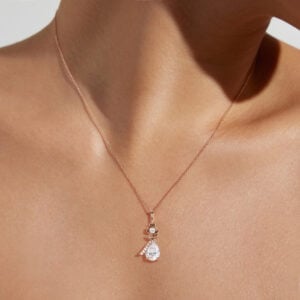
- Base Metal: The underlying metal is always sterling silver (92.5% pure silver), prized for its strength and hypoallergenic properties.
- Gold Layer Thickness: The gold coating is significantly thicker than typical plating—at least 2.5 microns (micrometers) of gold, which is roughly 10 to 50 times thicker than standard gold plating.
- Gold Purity: The outer gold layer is usually 10K, 14K, or 18K gold, lending authentic gold color and feel.
This combination allows vermeil jewelry to achieve a luxurious appearance similar to solid gold but at a fraction of the price. The sterling silver base ensures durability and prevents the piece from easily tarnishing or causing skin irritation, while the thick gold layer offers a radiant finish that resists fading longer than traditional plated jewelry.
Advantages of Gold Vermeil:
- Affordability: Since most of the piece is sterling silver rather than solid gold, vermeil is much more budget-friendly, allowing shoppers to enjoy gold-tone jewelry without the high cost.
- Hypoallergenic: Thanks to the sterling silver core, vermeil is an excellent option for those with sensitive skin or metal allergies.
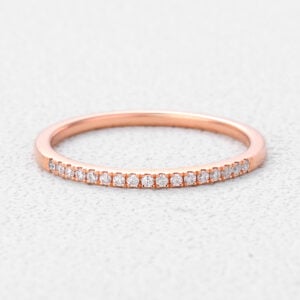
- Visual Appeal: The substantial gold coating provides a rich, warm color that closely mimics solid gold, often indistinguishable to the naked eye.
Limitations:
- Wear Over Time: Despite the thicker gold layer, vermeil is still susceptible to wear and tarnishing with heavy use or exposure to chemicals like perfumes, lotions, and water.
- Care Requirements: To preserve its beauty, vermeil jewelry requires gentle handling, proper storage, and occasional re-plating after several years of regular wear.
Gold vermeil stands as a beautiful middle ground—offering elegance and value for fashion-conscious buyers seeking gold jewelry without the investment of solid gold.
IV. Key Differences Between Solid Gold and Gold Vermeil
Understanding the distinctions between solid gold and gold vermeil is crucial for making informed jewelry purchases. Here are the primary differences:
Material Composition
- Solid Gold: Crafted entirely from gold alloyed with other metals. The karat number indicates gold purity, such as 14K (58.5% gold).
- Gold Vermeil: Sterling silver base coated with a thick layer of real gold.
Durability and Longevity
- Solid Gold: Exceptionally durable; resists tarnishing and can be polished repeatedly without losing metal content. Ideal for lifelong wear and heirloom pieces.
- Gold Vermeil: Durable compared to standard gold plating but will wear over time. The gold layer can thin or fade with exposure to friction, sweat, and chemicals.
Appearance
Both offer a beautiful gold finish. However, solid gold’s color depends on the alloy mix, giving options like yellow, rose, or white gold. Vermeil’s color is dictated solely by the gold plating, which may slightly differ in tone and depth.
Price
Solid gold is significantly more expensive due to the intrinsic value of gold content.
Gold vermeil is a cost-effective alternative offering gold’s appearance at a fraction of the price.
Weight
Solid gold jewelry tends to feel heavier and more substantial.
Vermeil pieces are lighter, given their sterling silver base and gold coating.
Hypoallergenic Properties
Both solid gold (especially higher karats) and vermeil are generally hypoallergenic. However, vermeil’s sterling silver base reduces the risk of allergic reactions compared to base metals used in typical gold-plated jewelry.

Care and Maintenance
Solid gold requires minimal special care and can be worn daily.
Gold vermeil needs more careful maintenance, avoiding exposure to harsh chemicals and rough wear to prolong its finish.
In conclusion, the choice between solid gold and gold vermeil depends on your priorities—whether it’s lasting value, budget, or fashion versatility.
V. How to Decide: Which One Is Right for You?
Choosing between solid gold and gold vermeil jewelry ultimately comes down to your individual needs, budget, and how you plan to wear and care for your pieces. Here are some key factors to consider when making your decision:
Budget Considerations
If you have a flexible budget and are willing to invest in jewelry that holds long-term value, solid gold is the ideal choice. Its intrinsic gold content means it can serve not only as a beautiful adornment but also as a form of wealth preservation. On the other hand, if you want the luxurious look of gold without the hefty price tag, gold vermeil offers an elegant and affordable alternative.
Frequency and Type of Wear
For jewelry that you plan to wear every day—such as wedding bands, engagement rings, or signature pieces—solid gold is generally more durable and better suited for daily use. Its resistance to tarnish and scratches makes it a practical long-term investment.
If you prefer to change styles frequently or enjoy wearing statement pieces for special occasions, gold vermeil is a fantastic option. Its affordability allows you to build a versatile collection without a large upfront cost. Just remember that vermeil pieces require gentle handling to maintain their appearance.
Sensitivity and Skin Type
Both solid gold (especially higher karats) and gold vermeil are typically hypoallergenic. However, if you have sensitive skin, gold vermeil’s sterling silver base may be preferable to cheaper gold-plated jewelry, which often uses base metals that can irritate skin.
Style and Design Preferences
Solid gold allows for a wide range of finishes and alloy colors, including yellow, white, and rose gold, giving you versatility to match your personal style. Vermeil pieces can also come in various gold tones, but since the color is determined by the plating, slight variations in shade or durability may occur.
Long-Term Value and Heirloom Potential
If you’re seeking jewelry with lasting value to pass down as a family heirloom, solid gold is the gold standard (pun intended). Its enduring material quality ensures it remains treasured over generations. While gold vermeil is beautiful and durable for many years, it doesn’t have the same intrinsic value or permanence.
VI. Care Tips for Both Materials
Proper care is essential to maintain the beauty and longevity of both solid gold and gold vermeil jewelry. While solid gold is relatively low-maintenance, gold vermeil requires more attentive handling to preserve its thicker gold layer.
Caring for Solid Gold Jewelry
- Avoid Harsh Chemicals: Although solid gold is resistant to tarnish, exposure to chlorine, bleach, or household cleaning agents can damage the metal or cause discoloration.
- Regular Cleaning: Clean your gold jewelry periodically with a mild soap and warm water solution. Use a soft cloth or a gentle brush to remove dirt and oils.
- Safe Storage: Store pieces separately in soft pouches or lined jewelry boxes to prevent scratches.
- Professional Maintenance: For rings and frequently worn items, consider occasional professional polishing to restore shine and check for any structural issues.
Caring for Gold Vermeil Jewelry
- Keep Away from Water and Chemicals: Gold vermeil’s gold layer can wear away if exposed to water, lotions, perfumes, or cleaning products. Remove vermeil jewelry before swimming, bathing, or applying beauty products.
- Gentle Cleaning: Clean vermeil pieces gently with a soft, dry cloth. Avoid abrasive materials or commercial jewelry cleaners that can strip the gold layer.
- Store Carefully: Like solid gold, store vermeil separately in soft-lined compartments to minimize scratching.
- Re-plating When Needed: Over time, the gold layer may thin. Many jewelers offer re-plating services to refresh vermeil pieces and extend their lifespan.
By following these care tips, you can enjoy the lasting beauty of both solid gold and gold vermeil jewelry, keeping your collection looking radiant for years.
VII. Final Thoughts: Quality vs. Budget
The decision between solid gold and gold vermeil ultimately hinges on balancing quality, budget, and personal preference.
Solid gold stands as the gold standard—literally—offering unmatched durability, intrinsic value, and heirloom-worthy quality. Its substantial weight and enduring luster make it a perfect choice for investment pieces, sentimental jewelry, and daily wear that will last a lifetime.
Gold vermeil, meanwhile, provides an accessible gateway to gold’s radiant appeal. It enables fashion lovers and budget-conscious shoppers to enjoy luxurious-looking jewelry without the steep price tag. While it requires more care and may not hold the same lasting value, vermeil offers flexibility and style versatility for a wide range of occasions.
No matter which you choose, prioritizing craftsmanship and reputable brands ensures that your jewelry not only looks stunning but stands the test of time. At LisaJewelryUS, we pride ourselves on offering beautifully crafted solid gold and gold vermeil pieces designed to meet diverse tastes and lifestyles.
Ultimately, understanding the distinct qualities of these materials empowers you to make choices that align with your values—whether it’s lasting investment or stylish adaptability.


