

















I. Why Quality Assessment of Lab Diamonds Matters Before You Buy
Not all lab grown diamonds are equal. Understanding the quality assessment of lab diamonds is the fastest way to avoid overpaying and choose a stone that truly looks beautiful in real life.
While lab diamonds are created in controlled environments using advanced technology, their quality can still vary in terms of clarity, color, cut, and overall light performance. Many stones fall within a relatively narrow range of higher grades, which makes it harder to spot differences without proper knowledge.
This is why diamond grading and diamond certification matter. A reliable diamond report—especially from the Gemological Institute of America—provides a standardized way to compare diamonds and understand their real value.
In short, learning how quality is assessed helps you make smarter, more confident decisions—whether you are comparing natural and lab grown options or choosing the best diamond within your budget.
II. The 4Cs of Lab Diamond Quality Assessment Explained
To properly understand the quality assessment of lab diamonds, you need to start with the globally recognized standard known as the 4Cs: carat weight, clarity, color, and cut. These four factors form the foundation of all diamond grading systems, whether the stone is natural or laboratory grown.
Although the grading process follows the same principles, lab diamonds are often evaluated within a more controlled spectrum. This makes it even more important to understand how each factor influences overall appearance and value.
Carat Weight What It Really Means for Lab Diamonds
Carat weight refers to the diamond’s mass, not its visual size. While larger diamonds are often more desirable, two stones with the same carat weight can appear very different depending on their cut and proportions.
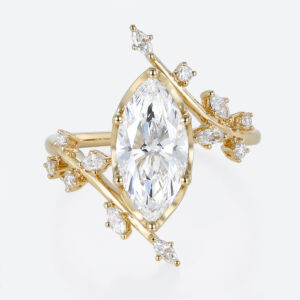
For example, an oval or marquise shape may look larger than a round diamond of the same weight due to its elongated form. This is why focusing only on carat can be misleading when assessing lab diamond grading reports.
Diamond Clarity Understanding Clarity Grades
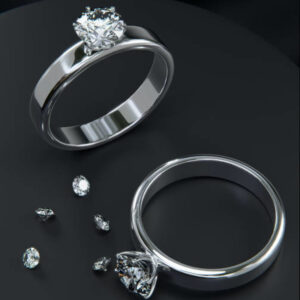
Diamond clarity measures the presence of internal inclusions or surface imperfections on the diamond’s surface. These are categorized into clarity grades, ranging from Flawless to Included.
Lab grown diamonds typically have fewer inclusions than natural stones, but that does not mean clarity should be ignored. Choosing a clarity grade in the VS or SI range often provides the best balance between appearance and value.
Color Grading How Diamond Color Affects Appearance
Color grading evaluates how colorless a diamond appears, using a grading scale from D to Z. The closer a diamond is to D, the more colorless and rare it is.
However, most differences between adjacent grades are subtle. For many buyers, diamonds in the G–H range appear nearly identical to higher grades but offer better value. Slight tones such as light yellow may only be noticeable under specific lighting conditions.
Diamond Cut The Most Important Factor for Light Performance
Among all four factors, cut grade has the greatest impact on a diamond’s light performance—how it reflects and refracts light.
A well-cut diamond will appear brighter, more brilliant, and more lively, regardless of its carat or clarity. Poor cut quality, on the other hand, can make even a large diamond look dull.
This is why experts often recommend prioritizing cut above all else when evaluating lab grown diamonds.
III. Diamond Certification Why a GIA Report Matters
When evaluating the quality assessment of lab diamonds, one of the most important factors to consider is diamond certification. A certified diamond comes with a professional grading report that verifies its characteristics, ensuring transparency and trust in your purchase.
Among all gemological laboratories, the Gemological Institute of America is widely recognized as the world’s leading authority in diamond grading. A GIA report follows strict grading standards, providing consistent and reliable evaluation across all diamonds—whether natural ones or lab grown.
These reports include detailed information such as carat weight, color grading, clarity, and cut quality, along with additional data like laser inscription numbers. Many diamonds are laser inscribed on the girdle, allowing you to match the physical stone to its official diamond report.
While other laboratories such as IGI and AGS are also widely recognized, grading can vary depending on the lab’s internal criteria. This is why understanding the difference between reports—and choosing one that follows strict minimum criteria—is essential when comparing stones.
Another key advantage of certified lab diamonds is traceability. Because they are created in controlled environments using advanced technology and specialized equipment, their origin and characteristics can be documented more clearly than many natural stones.
Ultimately, a grown diamond report is not just paperwork—it is your proof of quality. Without it, even a visually stunning diamond may lack verified value. With it, you can confidently compare options, understand the price difference, and make truly informed decisions.
IV. How Diamond Grading Works for Lab-Grown Diamonds
Although lab grown diamonds are created using advanced technology in controlled environments, their grading process follows the same fundamental principles as natural diamonds.
The goal of grading lab grown diamonds is to evaluate each stone on a consistent grading scale, ensuring that buyers can compare diamonds fairly—regardless of origin. This includes analyzing factors such as diamond’s mass, clarity, color grading, and cut quality, all of which contribute to overall beauty and performance.
One key difference is consistency. Because lab diamonds are produced using intense heat and pressure or chemical vapor deposition, their internal growth patterns and crystal structure tend to be more uniform. As a result, many lab diamonds fall within a narrow range of higher clarity grades compared to natural stones.
However, this does not mean all lab diamonds are equal. Subtle differences in cut quality, proportions, and finishing—such as excellent polish—can significantly affect how a diamond performs under light. Even diamonds that look similar to the naked eye may display noticeable differences in brilliance when examined closely.
In addition, some grading reports include identifiers such as a GIA quality assessment number or inscription details, which further validate the stone’s identity and grading accuracy.
It is also important to understand that different labs may use slightly different nomenclature created within their systems. While most follow widely accepted grading standards, small variations can influence how a diamond is categorized.
In the end, grading is not just about numbers—it is about understanding how multiple factors work together. By learning how lab grown diamonds are graded, you can better evaluate the right stone for your needs, balancing beauty, performance, and lower cost compared to natural alternatives.
V. Color and Clarity How to Balance Beauty and Budget
When it comes to choosing the right lab grown diamond, finding the perfect balance between color and clarity is key to getting both beauty and value.
Many consumers assume that higher grades always mean a better diamond. In reality, differences between adjacent grades are often invisible to the naked eye. For example, a diamond in the G–H color range can appear just as colorless as higher grades once set, especially in yellow or rose gold.
The same applies to clarity. While flawless diamonds are rare, most inclusions in VS or even SI grades are not visible without magnification. This makes them an excellent choice for buyers who want to maximize value without sacrificing appearance.
Instead of chasing the highest possible grades, focus on what actually impacts how the diamond looks in real life. A well-balanced combination of color, clarity, and excellent symmetry will deliver far better results than simply choosing the highest numbers on a grading scale.
Ultimately, the goal is to find the right stone—one that looks stunning, performs beautifully under light, and fits within your budget.

VI. Ethical Concerns Are Lab Diamonds Really Sustainable
One of the main reasons many consumers choose lab grown diamonds is due to growing awareness of ethical concerns surrounding traditional mining.
Unlike natural diamonds, which are formed deep within the earth and require large-scale extraction, lab diamonds are a manufactured product created in controlled environments. This process reduces the environmental disruption associated with mining and allows for more transparency in sourcing.
However, it is important to approach this topic with balance. While lab diamonds generally have a lower environmental footprint and lower production costs, they still require energy and advanced infrastructure to produce.
What makes lab diamonds appealing is not perfection—but progress. They offer an alternative for buyers who value innovation, traceability, and more conscious consumption, without compromising on quality or beauty.
For many modern buyers, this combination of sustainability and accessibility is a major reason why market demand for lab diamonds continues to grow.
VI. How to Read a Diamond Report Like a Pro
A diamond report may seem technical at first, but understanding a few key sections can make a big difference when comparing options.
Start with the basics:
- Carat weight shows the diamond’s mass
- Color and clarity indicate visual purity
- Cut quality reflects how well the diamond handles light
Next, look for additional details such as symmetry, polish, and fluorescence. High-quality diamonds often feature excellent symmetry and finishing, which contribute to overall brilliance.
Also check for identifiers like a laser inscription, which links the physical diamond to its official grading report. This ensures authenticity and traceability.
If the diamond comes with a GIA report, you can trust that it has been evaluated using strict and widely accepted grading standards. Reports from other laboratories may still be valid, but it is important to understand how they compare.
Once you know what to look for, reading a report becomes a powerful tool—not a barrier.

VII. Quick Checklist for Assessing Lab Diamond Quality
Before making a final decision, use this quick checklist to evaluate any lab grown diamond:
Choose a certified diamond with a reliable grading report such as GIA
Prioritize cut quality for better light performance
Select color and clarity grades that look clean to the naked eye
Check symmetry, polish, and overall finishing
Compare diamonds on the same grading scale
Consider both beauty and budget before deciding
This simple framework can help you filter options quickly and confidently.
VIII. Final Thoughts Choosing Quality Over Size
At the end of the day, the best diamond is not always the biggest—it is the one that offers the right balance of beauty, performance, and value.
By understanding the quality assessment of lab diamonds, you gain the ability to look beyond surface-level features and evaluate what truly matters. From diamond grading and certification to color and clarity, every detail plays a role in how a diamond looks and feels.
As more consumers shift toward lab grown diamonds, the focus is no longer just on price—it is on making smarter, more informed choices.
Take your time, compare carefully, and choose a diamond that reflects both your style and your values. That is what makes it truly meaningful.