























I. When Legend Meets Laboratory
Emeralds have long captivated jewelry lovers with their vibrant green hues and storied pasts, earning a place among the world’s most treasured gemstones. From Cleopatra’s famed collection to modern red‑carpet icons, these verdant gems symbolize renewal, prosperity, and timeless elegance. Yet today’s buyers face a new choice: will you select a natural emerald—a marvel of geological happenstance, crafted over millions of years beneath the earth’s surface—or embrace a lab‑grown emerald, perfected through cutting‑edge science in a matter of weeks?
Understanding the distinction between these two origins is more than just a matter of semantics. It shapes everything from the gem’s appearance, value, and environmental footprint to the story your jewelry tells. Whether you prize the authentic “fingerprint” inclusions of a natural stone or the breathtaking clarity and ethical appeal of a lab‑grown version, informed decisions ensure you invest in the emerald that aligns with your values, style, and budget.
II. Gem Origins Revealed: Nature’s Miracle or Technological Masterpiece?
The Geological Saga of Natural Emeralds
Natural emeralds are born over millions of years in the earth’s tumultuous interior. Under tremendous heat and pressure, beryllium‑rich fluids infiltrate fissures in host rocks—often black shale or mica schist—where they gradually crystallize into the rich green beryl we call emerald. Iconic mining districts such as Colombia’s Muzo and Zambia’s Kagem have produced stones whose unique inclusion patterns—tiny fractures, mineral “gardens,” and cloud‑like veils—serve as unmistakable hallmarks of nature’s hand. These so‑called “jardin” inclusions not only authenticate a gem’s origin but lend each stone an individual character, as singular as a fingerprint.
The Science Behind Lab‑Grown Emeralds
In contrast, lab‑grown emeralds are created in carefully controlled environments that reproduce the exact chemical and physical conditions of the earth’s interior—only condensed into weeks rather than millennia. High‑pressure, high‑temperature (HPHT) systems or hydrothermal methods introduce nutrients like beryllium, aluminum, and silica into a growth chamber, where crystals form layer by layer on a seed plate. The result is a gem whose refractive properties, hardness (7.5–8 on the Mohs scale), and chemical composition are virtually indistinguishable from its natural counterpart. Yet, because technicians can modulate growth parameters, lab‑grown stones often exhibit fewer inclusions and more uniform color, offering extraordinary clarity at a fraction of the price.
III. A Duel of Beauty and Character: Appearance, Inclusions & Uniqueness
When you hold a natural emerald to the light, you’re witnessing a miniature universe carved by geological forces. The hallmark of a natural stone is its inclusions—tiny crystals, fissures, and liquid films that gemologists fondly call “jardin,” or garden. Far from being imperfections, these internal landscapes lend each emerald a one‑of‑a‑kind personality. No two jardins are alike: some resemble delicate fern fronds dancing in deep green pools, while others sparkle like morning dew on moss. Collectors prize these features as nature’s signature, proof that the gem is a singular artifact of Earth’s deep history.
Lab‑grown emeralds, by contrast, present a near‑flawless canvas. Through precise control of temperature, pressure, and chemical feedstock, scientists can minimize inclusions to the point where the naked eye sees pristine clarity. This technological mastery even allows customization of hue—tweaking variables to achieve a crisp mint green or intense forest tone on demand. While some purists argue that this uniform perfection lacks the soul of a jardin‑studded natural stone, many jewelry enthusiasts appreciate the vivid color consistency and the ability to match multiple stones precisely, especially in intricate multi‑gem designs.
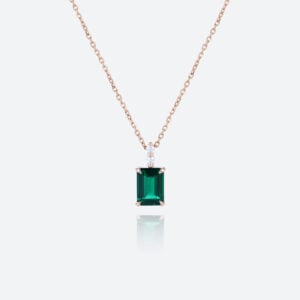
Ultimately, the choice comes down to what moves you: the living story etched inside a natural emerald’s crystalline depths, or the clean, bold statement of a laboratory‑grown gem. Both options offer extraordinary beauty; the former delights those who see grandeur in nature’s quirks, the latter appeals to lovers of modern minimalism and flawless symmetry.
Lorem ipsum dolor sit amet, consectetur adipiscing elit. Ut elit tellus, luctus nec ullamcorper mattis, pulvinar dapibus leo.
IV. The Price–Value Paradox: Investment vs. Emotional Choice
Emeralds have long been synonymous with luxury—and natural emeralds command a premium price for good reason. Their rarity is rooted in the scarcity of the precise geological conditions required to form high‑quality stones. Top‑tier natural emeralds from storied locales like Colombia’s Muzo or Zambia’s Kagem can fetch thousands of dollars per carat, with investment potential that often outpaces other colored gemstones. Buyers not only acquire a wearable treasure but also a tangible asset with historical appreciation trends.
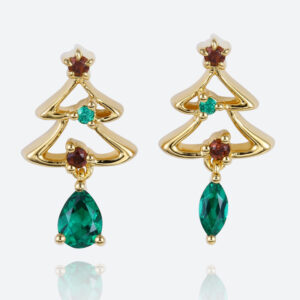
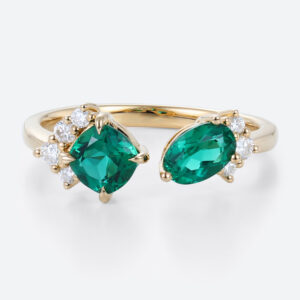
In contrast, lab‑grown emeralds deliver remarkable value. Because they bypass the unpredictable supply and labor costs of mining, these gems can cost 30–70% less than their natural counterparts. For style‑savvy consumers, this affordability means the freedom to experiment with larger carat weights, bold cocktail rings, or statement necklaces—all without sacrificing the rich green brilliance that defines emeralds. Moreover, growing consumer interest in sustainable fashion has elevated lab gems as an eco‑friendly choice, free from the environmental and social concerns sometimes associated with mining.
When weighing emotional fulfillment against financial considerations, ask yourself: Do you seek the storied provenance and scarcity value that may appreciate over decades? Or do you prioritize ethical sourcing, budget flexibility, and the ability to curate a versatile, trend‑driven collection? Both paths offer personal rewards—whether it’s the pride in owning a rare natural masterpiece or the satisfaction of making an eco‑conscious, cost‑effective choice that still dazzles on the wrist or neckline.
V. Environmental and Ethical Considerations: Choosing Emeralds That Respect the Planet
The Environmental Impact of Emerald Mining
Natural emerald mining, while yielding some of the world’s most prized gemstones, can come with significant environmental and social costs. Large-scale mining operations often disturb delicate ecosystems, leading to soil erosion, deforestation, and water contamination from chemical runoff. In certain mining regions, local communities face displacement or poor labor conditions, raising ethical concerns. As awareness grows, consumers increasingly question the sustainability of mined gems and seek transparency about sourcing practices.
How Lab-Grown Emeralds Reduce Carbon Footprint and Ensure Transparency
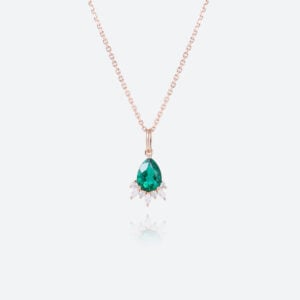
Lab-grown emeralds offer a compelling alternative with a markedly lower environmental footprint. Produced in controlled laboratory settings, these gems avoid the land disruption and resource-intensive processes characteristic of traditional mining. The energy consumption for growing gemstones is steadily decreasing thanks to technological advances and renewable energy integration. Moreover, lab-grown emeralds benefit from a transparent supply chain, enabling consumers to trace the origin of their gems and verify ethical standards—a factor increasingly valued in today’s conscientious marketplace.
Jewelry Consumers Expressing Responsibility Through Purchases
Modern buyers are using their purchasing power to advocate for ethical and sustainable practices. Choosing lab-grown emeralds signals a commitment to environmental stewardship and social responsibility, aligning personal values with fashion choices. Leading jewelers now emphasize eco-friendly certifications and ethical sourcing policies, catering to this demand. By opting for lab-grown stones or verified responsibly mined emeralds, consumers contribute to a more sustainable jewelry industry that honors both beauty and the planet.

VI. Your Personality, Your Choice: Finding the Emerald That Best Matches You
Tailored Recommendations for Different Emerald Buyers
- The Collector: Values rarity and historical significance. Likely to prefer high-quality natural emeralds from renowned mines with distinctive inclusions that tell a story. Sees emeralds as investment-grade assets and heirlooms.
- The Fashion Enthusiast: Loves bold, versatile pieces and follows trends. Often chooses lab-grown emeralds for their vivid color, affordability, and ability to acquire larger or multiple stones. Enjoys experimenting with statement jewelry.
- The Environmental Advocate: Prioritizes sustainability and ethical sourcing. Prefers lab-grown emeralds to minimize ecological impact and support transparent supply chains. Seeks brands with clear environmental commitments.
- The Investor: Focuses on long-term value retention. Invests in certified natural emeralds with provenance. May balance portfolio with select lab-grown pieces for personal enjoyment.
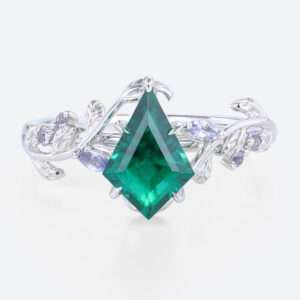
Matching Emeralds to Wear Occasions
- Engagement Rings and Wedding Jewelry: Natural emeralds are favored for their enduring value and symbolic rarity, often paired with certifications to assure authenticity.
- Everyday Jewelry: Lab-grown emeralds offer durability and affordability, perfect for stylish daily wear without worry about expense or damage.
- Collectible or Heirloom Pieces: Natural emeralds’ unique inclusions and provenance make them treasured family heirlooms that carry emotional and financial legacy.
- Seasonal or Trend-Driven Accessories: Lab-grown emeralds provide an accessible way to stay on-trend and refresh your collection regularly.
VII. Caring for Your Emerald Jewelry: Tips for Longevity and Sparkle
How to Care for Natural Emeralds
- Avoid Harsh Chemicals: Exposure to household cleaners, perfumes, and cosmetics can damage the stone or the oil treatments often applied to enhance clarity.
- Gentle Cleaning: Clean with a soft cloth and warm, soapy water. Avoid ultrasonic cleaners or steamers, which may worsen fissures.
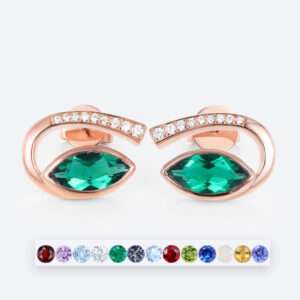
- Protect from Impact: Emeralds can chip or crack if struck hard. Remove jewelry during physical activities or chores.
- Regular Inspection: Have your jeweler check settings and the stone’s integrity periodically to ensure longevity.
Caring for Lab-Grown Emeralds
Lab-grown emeralds possess similar hardness but typically have fewer inclusions, making them slightly more durable:
- Safe Cleaning: Like natural stones, clean gently with mild soap and water.
- Avoid Abrasives: Use soft cloths and avoid harsh cleaners to maintain the gold or silver settings.
- Store Separately: To prevent scratches, store emerald jewelry separately in soft pouches or lined boxes.
- Re-polishing: Periodic professional polishing can keep the metal setting bright and the stone radiant.
By following these care practices, both natural and lab-grown emerald jewelry can maintain their exquisite green sparkle and last a lifetime.
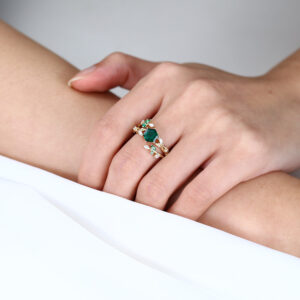
VII. Final Thoughts: Choosing Between Lab-Grown and Natural Emeralds
Selecting between a natural emerald and a lab-grown emerald ultimately comes down to what matters most to you—whether it’s the legacy and rarity of a natural gem or the clarity, affordability, and sustainability of a lab-grown stone.
Natural emeralds offer a timeless connection to the earth’s history, prized for their unique inclusions and long-term investment value. In contrast, lab-grown emeralds provide accessible luxury with impressive clarity, ethical appeal, and a smaller environmental footprint.
Whatever your choice, investing in high-quality craftsmanship and reputable jewelers ensures your emerald will be a cherished piece for years to come. Understanding the distinctions between lab-grown and natural emeralds empowers you to find a gem that reflects your values, style, and story—making your jewelry purchase not just a transaction, but a meaningful celebration of beauty.


