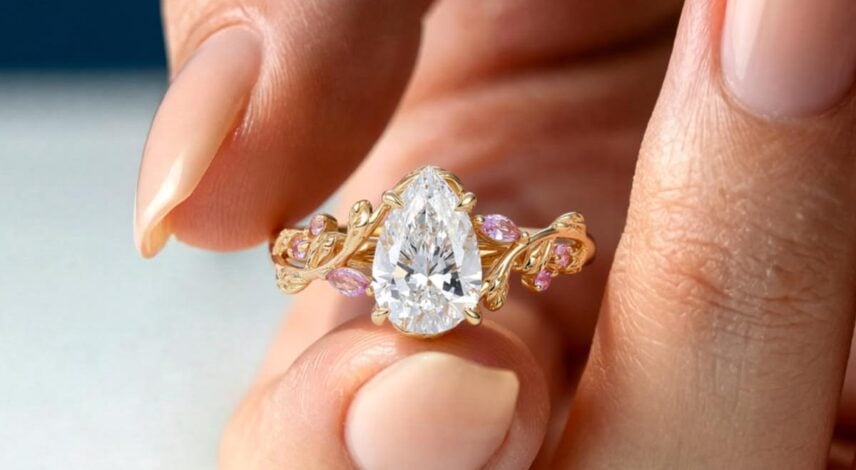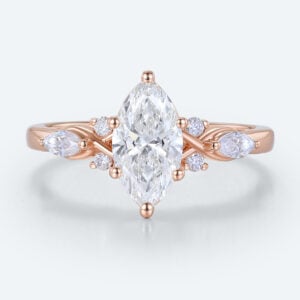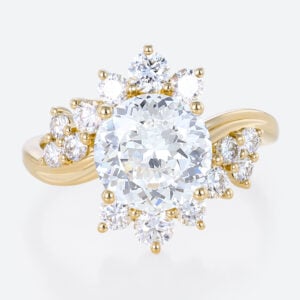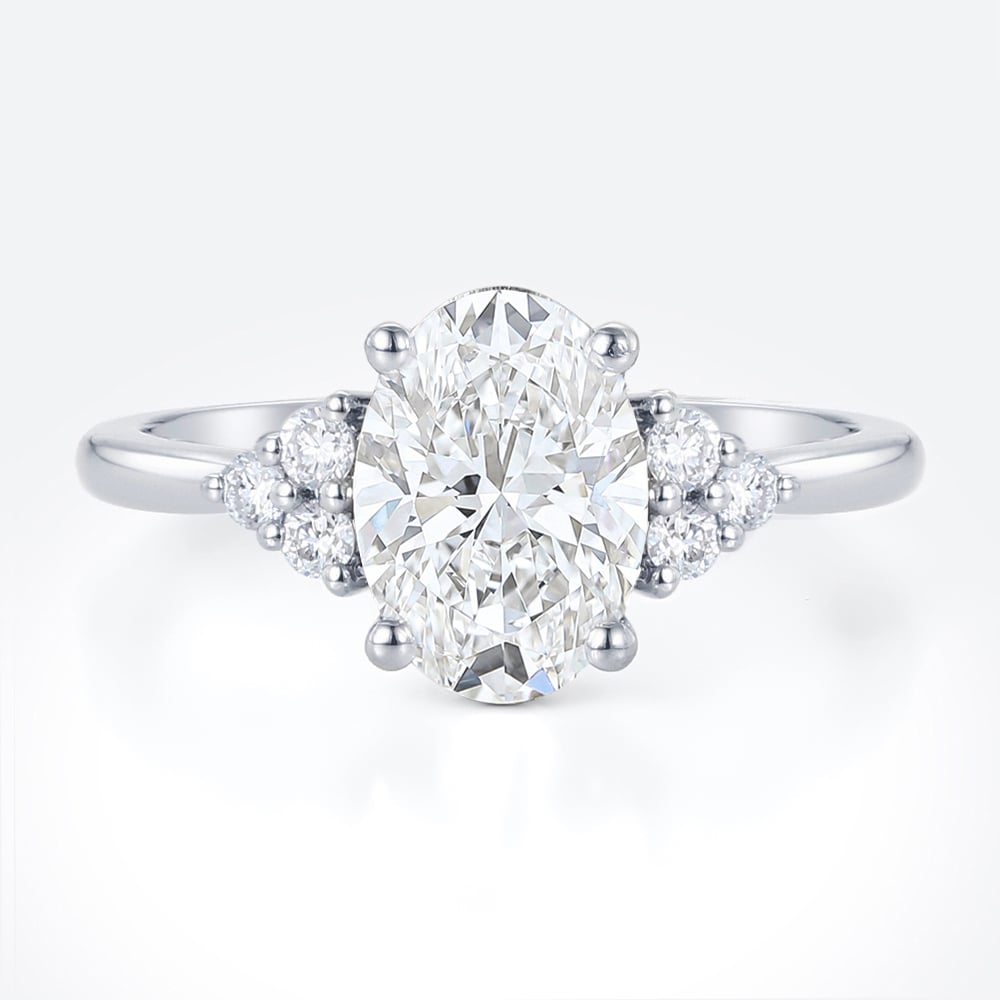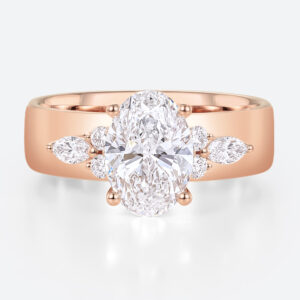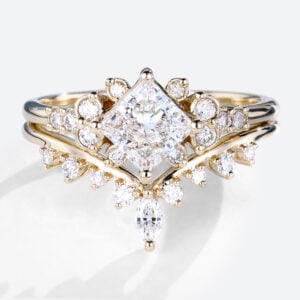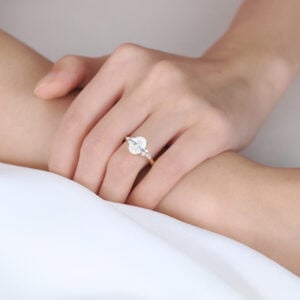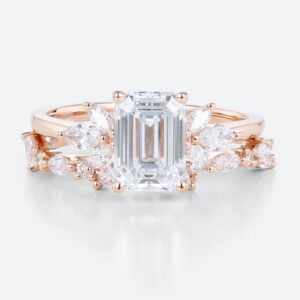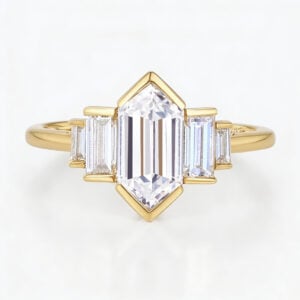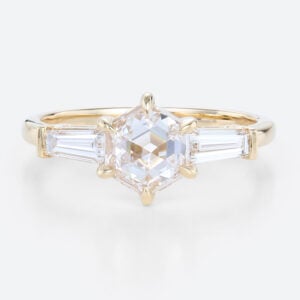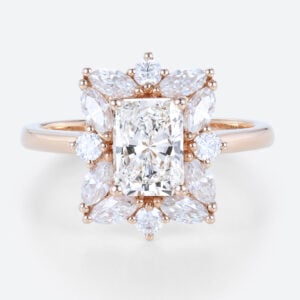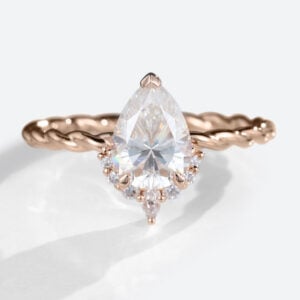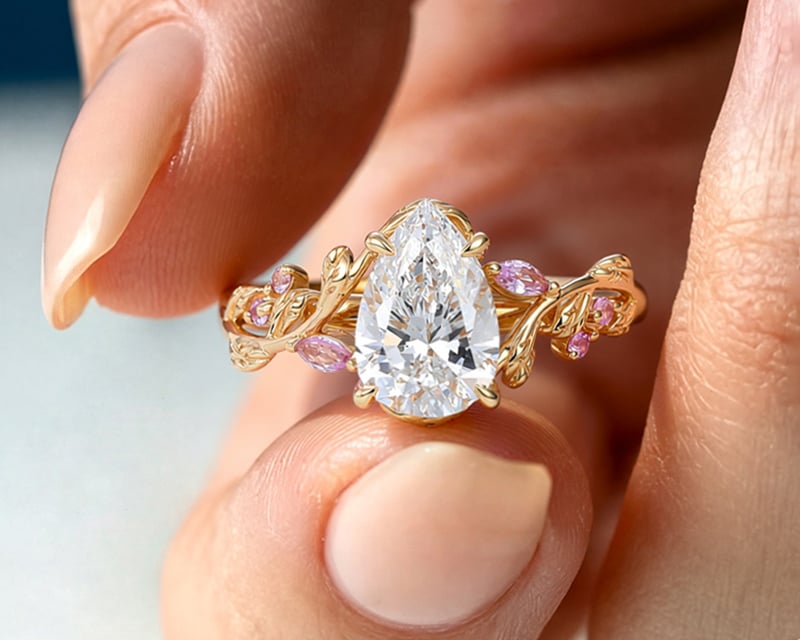



Buying an engagement ring is one of the most meaningful purchases you’ll make—but it’s also one of the most confusing, especially when it comes to price.
So how much should you actually spend on a lab diamond engagement ring?
The short answer is: it depends. Not just on your budget, but on what you value most—size, sparkle, design, or overall appearance.
Unlike natural diamonds, lab grown diamonds offer far more flexibility in pricing. This means you’re not locked into traditional expectations or outdated rules. Instead, you can choose a ring that fits both your financial comfort and your personal style.
In this guide, we’ll break down the real lab diamond ring price ranges, explain what affects cost, and help you decide how much is actually worth spending.
I. Lab Diamond Ring Price Guide What Most Buyers Actually Spend
When researching the lab diamond ring price, one of the first things you’ll notice is how wide the range can be.
In general, most buyers spend anywhere between $1000 and $5000+ depending on size, quality, and design. The key difference compared to traditional diamonds is that lab-grown options allow you to achieve a much larger and more refined look at the same price point.
Average Lab Diamond Ring Price by Budget
Understanding what you can get at different price levels makes it easier to set realistic expectations.
- Under $1000
Entry-level options with smaller stones or simpler settings. Still a good choice for minimal styles or everyday wear.
- $1000 to $2000
One of the most popular ranges. You can expect a well-balanced ring with decent carat weight, good clarity, and a clean overall look.
- $2000 to $3000
This range offers more flexibility—larger stones, better color grades, and more refined designs that start to feel closer to luxury.
- $3000 and above
At this level, you can achieve a premium look with higher-quality diamonds, more intricate settings, and stronger overall presence.
What’s important to understand is that price does not always directly reflect how “expensive” a ring looks. A well-chosen diamond in the $2000 range can often appear more impressive than a poorly selected one at a higher price.
How Lab Diamond Prices Compare to Natural Diamonds
One of the biggest reasons buyers choose lab grown diamonds is the difference in price compared to mined diamonds.
For example:
- A natural diamond engagement ring can easily cost 2 to 3 times more for similar specifications
- A lab diamond ring allows you to invest more in visible features like size and sparkle rather than origin
Despite this price difference, both options share the same physical properties, including hardness, durability, and brilliance.
To the naked eye, there is virtually no difference in appearance.
This is why many modern buyers are shifting their focus from tradition to value—choosing diamonds that look better rather than simply cost more.
II. How Much Should You Spend on a Lab Diamond Ring
Once you understand the general lab diamond ring price range, the next question becomes more personal:
How much should you actually spend?
The answer isn’t about following a fixed rule—it’s about making a decision that fits your priorities.
Is There a Rule for Engagement Ring Budget
You may have heard of the “three months’ salary” rule. While it’s often mentioned, it’s largely outdated.
Today, most buyers take a more flexible approach.
Instead of following a strict formula, they consider:
- Their overall financial comfort
- Their lifestyle and future plans
- The emotional value of the purchase
A lab diamond engagement ring makes this even easier, since you can achieve a premium look without stretching your budget.
What Matters More Than Price
When it comes to how a ring looks, price is not the most important factor.
What truly matters is how the diamond performs visually.
For example:
- A well-cut diamond will appear brighter and more lively
- The right shape can make a diamond look larger
- A thoughtful setting enhances the overall presentation
These elements have a far greater impact on perception than the total cost.
This is why two rings at very different price points can look surprisingly similar in real life.
How to Set a Smart Budget Based on Your Priorities
A better way to approach your budget is to decide what matters most to you.
For example:
- If size is your priority
Focus on maximizing carat weight with a slightly lower clarity or color grade
- If sparkle and quality matter most
Invest more in cut quality and balanced specifications
- If design is your focus
Allocate more budget to the ring setting and overall style
By aligning your spending with your priorities, you can create a ring that feels more intentional—and ultimately more satisfying.
III. What Affects Lab Diamond Ring Price
Understanding what drives the cost of a lab diamond ring helps you make more informed decisions and avoid unnecessary expenses.
Carat Weight and Size
Carat weight is one of the most noticeable factors influencing price.
However, size alone does not guarantee a better-looking ring. The way a diamond is cut and shaped plays an equally important role.
Cut Quality and Sparkle
The cut is often considered the most important factor in a diamond’s appearance.
A well-cut diamond:
- Reflects light more effectively
- Produces stronger sparkle
- Appears brighter in different lighting conditions
Even a smaller diamond can look more impressive than a larger one if the cut quality is superior.
Clarity and Color Grades
Clarity and color grades also influence price, but their impact on appearance is often misunderstood.
For most buyers:
- Diamonds with VS clarity appear clean to the naked eye
- F–G color grades provide a bright, near colorless look
Choosing higher grades may increase cost without significantly improving what you can actually see.
Ring Setting and Metal Type
The ring setting and metal choice can also affect the final price.
More intricate designs require additional craftsmanship, which increases cost.
Common options include:
- White gold – modern and reflective
- Yellow gold – warm and classic
- Platinum – durable but more expensive
A well-chosen setting can enhance the appearance of the diamond, making the entire ring feel more refined.
IV. What You Can Get at Different Price Points
Understanding how far your budget can go is one of the most helpful ways to make a confident decision.
Here’s what you can typically expect at different lab diamond ring price levels:
Under $1000 What to Expect
At this level, you’ll mostly find:
- Smaller diamonds with lower carat weight
- Simpler ring settings
- Minimalist designs
While options are more limited, this range can still work well for those who prefer a subtle and understated look.
$1000 to $2000 Best Value Range
This is one of the most popular price ranges for lab diamond engagement rings.
Within this budget, you can usually get:
- Balanced carat weight and clarity
- Clean, visually appealing diamonds
- A variety of classic styles
For many buyers, this range offers the best combination of affordability and visual impact.
$2000 to $3000 Bigger and Better Quality
With a slightly higher budget, your options expand significantly.
You can expect:
- Larger diamonds with stronger presence
- Improved color grades and clarity
- More detailed and refined designs
This is often where rings start to look noticeably more premium.
$3000 Plus Premium Look and Size
At this level, you’re moving into a more luxury-inspired category.
Typical features include:
- Higher-quality diamonds with excellent sparkle
- More intricate or custom ring settings
- A stronger overall presence and visual impact
For buyers who want a standout ring without entering natural diamond pricing, this range offers excellent value.
V. How to Get the Best Value When Buying a Lab Diamond Ring
No matter your budget, getting the best result comes down to how you allocate it.
Focus on Cut Over Carat Weight
While size is important, cut quality has a greater impact on how a diamond looks.
A well-cut diamond will appear brighter and more lively, even if it is slightly smaller.
Choose Shapes That Look Bigger
Certain shapes naturally enhance visual size.
Options like:
- Oval
- Pear
- Marquise
can make a diamond appear larger without increasing cost.
Avoid Overpaying for Invisible Features
It’s easy to spend more on specifications that don’t make a visible difference.
For example:
- Extremely high clarity levels
- Top color grades beyond what the eye can detect
Focusing on practical ranges allows you to maximize both appearance and value.
VI. Where to Buy Lab Diamond Rings at the Right Price
Choosing the right retailer is just as important as choosing the right diamond.
When shopping for a lab diamond ring, look for:
- Transparent certification and grading
- Clear pricing and product details
- A wide selection of styles and settings
At LisaJewelryUS, we focus on offering lab diamond engagement rings that balance quality, design, and affordability.
Each piece is carefully selected to highlight the diamond’s brilliance while ensuring it fits within a realistic budget. Whether you’re looking for a simple design or something more distinctive, the goal is always the same—helping you get the best possible value for what you spend.
VII. Final Thoughts: Spend Smart Not Just More
When it comes to buying an engagement ring, spending more doesn’t always mean getting more.
The real goal is to find a ring that looks beautiful, feels meaningful, and fits comfortably within your budget.
With lab grown diamonds, you have the flexibility to make smarter choices—prioritizing what truly matters instead of following outdated rules.
In the end, the best lab diamond ring price is not the highest one—it’s the one that delivers the most value for you.
FAQs About Lab Diamond Ring Price
Most lab diamond rings range between $1000 and $5000+, depending on size, quality, and design.
Yes. Lab diamonds offer the same appearance and durability as natural diamonds, often at a significantly lower price.
Yes. With careful selection, it’s possible to find a well-balanced and visually appealing ring within this budget.
Lab diamonds are more cost-efficient to produce because they do not require mining or complex supply chains. This allows buyers to focus more on visible quality and design.