

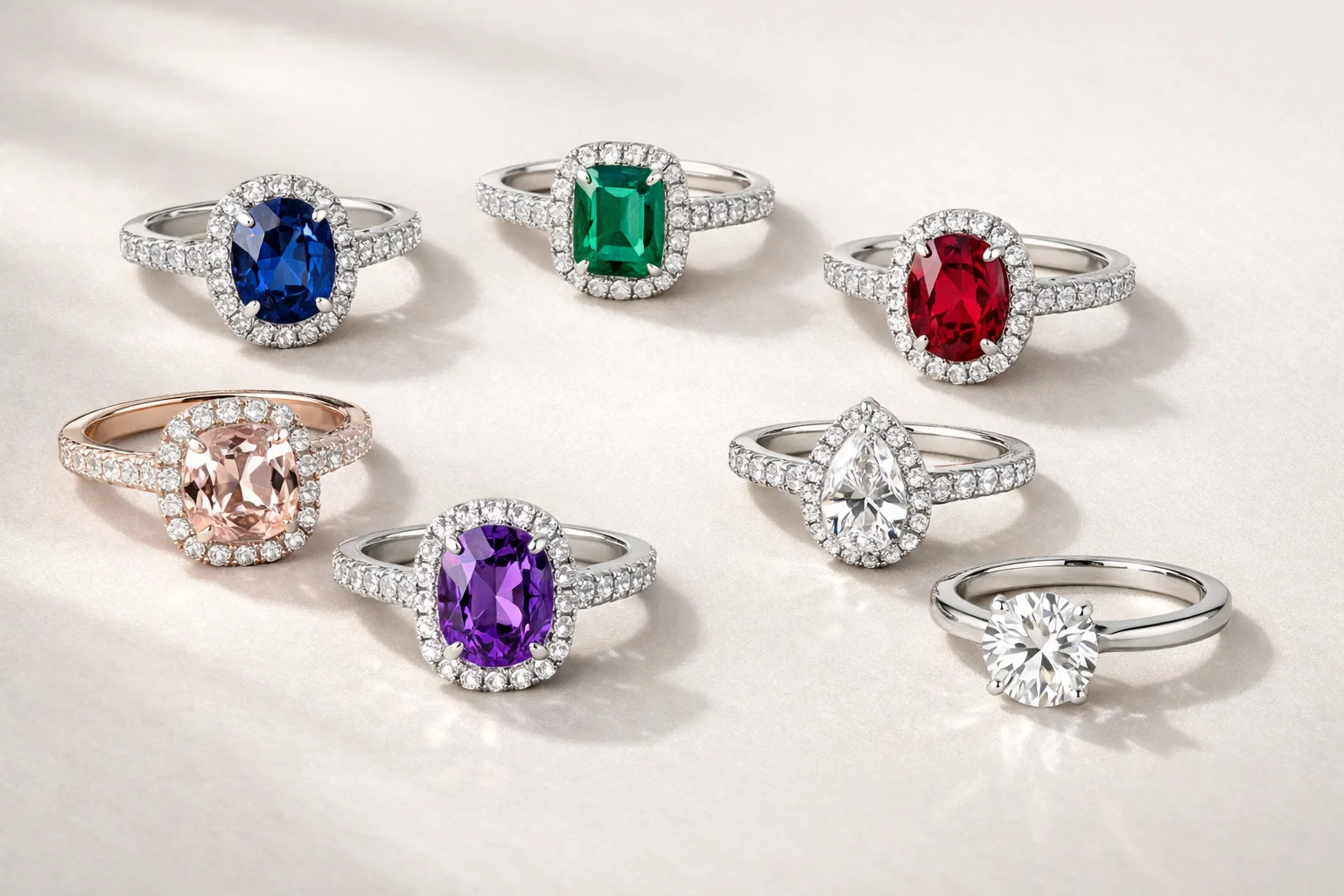
Choosing an engagement ring is one of the most meaningful moments in a couple’s journey. While traditional diamonds have long been the classic choice, many modern couples are exploring colored gemstones and other unique alternatives that better reflect their personality and style.
Today, gemstone engagement rings are more popular than ever. Instead of selecting only diamond rings, many people are choosing vibrant colored stones that offer individuality while still maintaining timeless elegance. From deep blue sapphires to soft light pink gems, these stones bring distinctive beauty to an engagement ring.
In many modern designs, a striking colored center stone is paired with surrounding diamonds or smaller accent stones, creating a balance between tradition and creativity. Some couples still prefer natural diamonds, while others are drawn to lab grown gemstones or other natural stones that offer unique colors and symbolism.
With so many gemstones for engagement rings available today, it’s easier than ever to find the perfect gemstone that reflects both personal style and lasting commitment.
In this guide, we’ll explore 9 gemstones perfect for engagement rings, highlighting their beauty, durability, and why they remain some of the best gemstones for modern engagement ring designs.
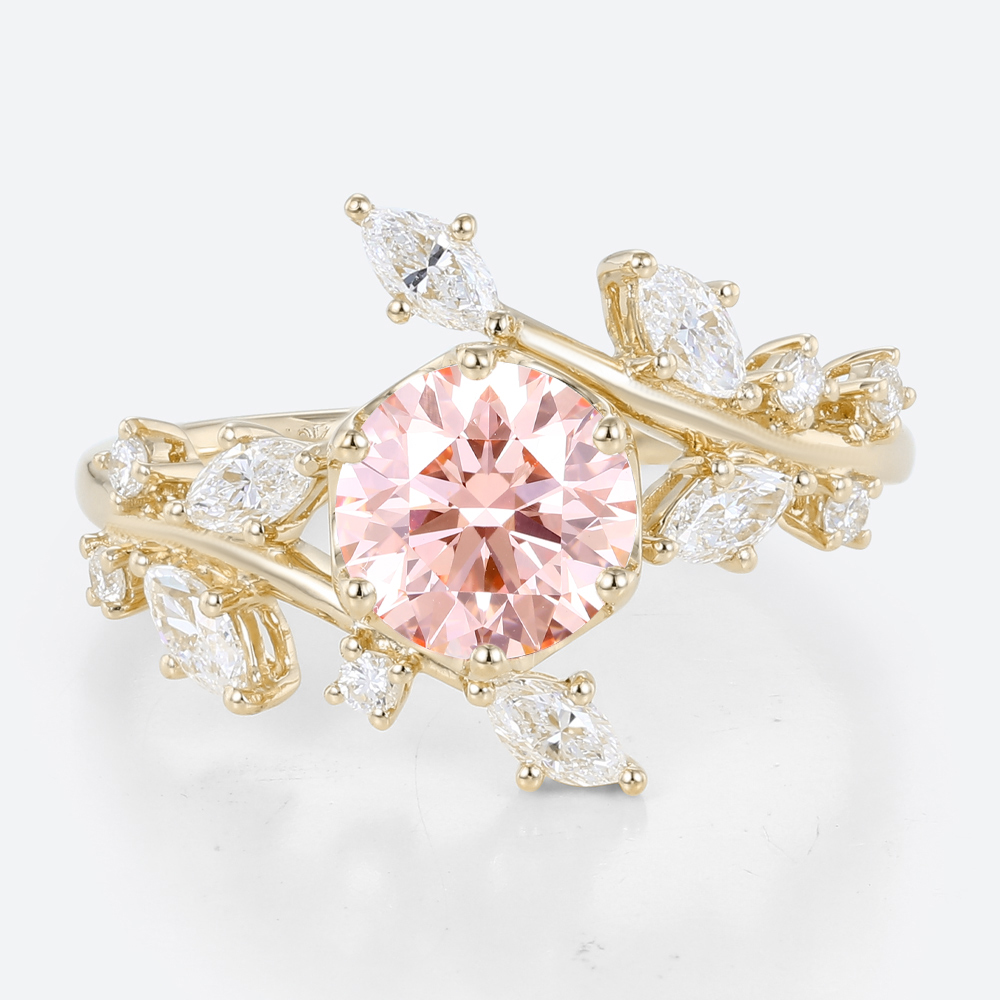
I. What Makes a Gemstone Perfect for an Engagement Ring
Not every gemstone is ideal for an engagement ring. Because these rings are worn frequently, the stone must balance beauty, durability, and practicality.
One key factor is hardness. The Mohs hardness scale measures how resistant a gemstone is to scratching. Diamonds sit at the top of the Mohs scale, which explains why they have traditionally been the most common engagement ring stones. Other durable options, such as sapphires and rubies, also rank high and can easily withstand everyday wear.
Some softer stones can still work beautifully when placed in a protective setting, especially if the ring is worn mainly for occasional wear rather than daily wear.
Color is another important factor. Many couples choose colored gems because they offer unique tones and personality. From deep blues and rich greens to soft light pink shades, colored stones provide a distinctive alternative to traditional diamond rings.
Ultimately, the perfect gemstone for an engagement is one that combines durability, beauty, and personal style, making the ring meaningful for a lifetime.
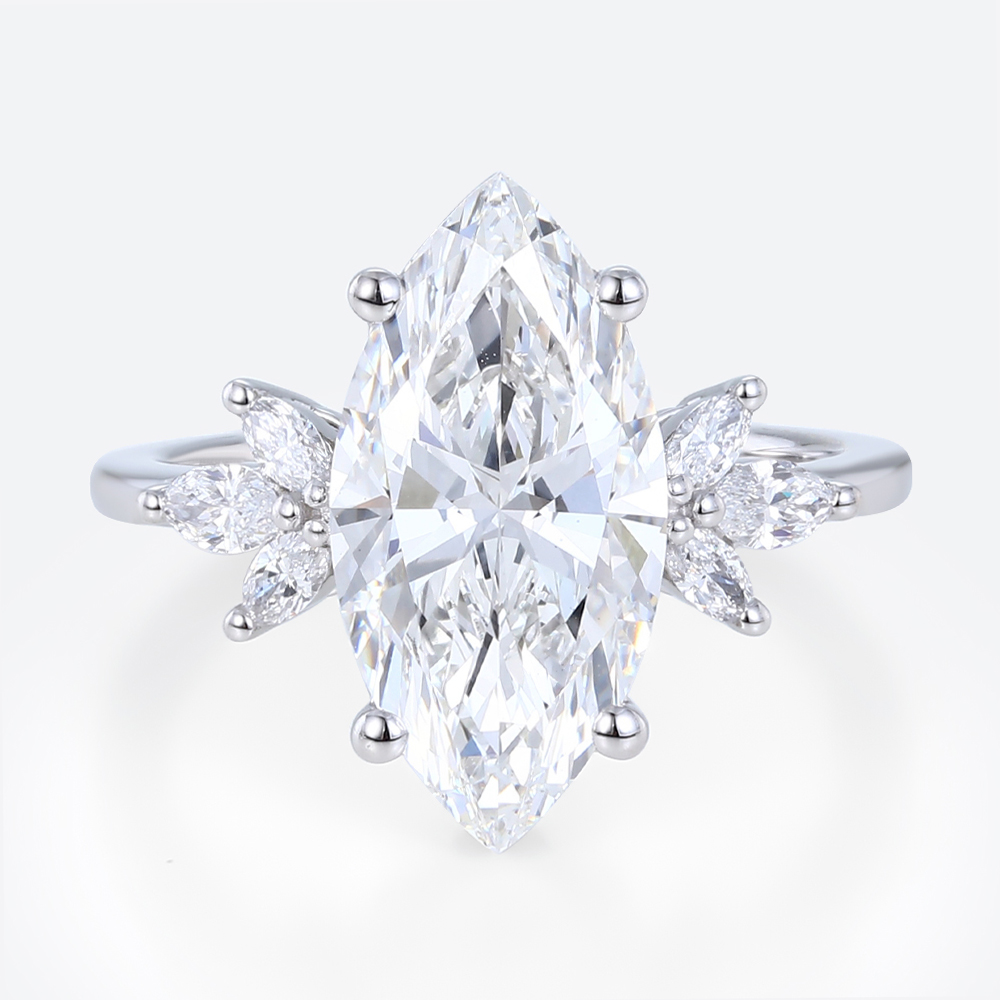
II. Diamond The Classic Engagement Ring Gemstone
When people think about an engagement ring, diamonds are still the most recognized option. Diamonds rank highest on the Mohs hardness scale, giving them unmatched hardness and making them ideal for rings that will be worn daily.
Because of their durability, diamonds have long been used in traditional settings, often paired with a gold band or surrounded by smaller diamonds for extra brilliance. Their unmatched hardness means they can easily withstand everyday life while maintaining their sparkle.
Modern couples now have more options than ever. Alongside natural diamonds, many also choose lab grown diamonds, which offer the same physical properties and beauty with different gemstones cost and sustainability considerations. Whether colorless or among the growing range of colored diamonds, diamonds remain one of the best stones for engagement rings.
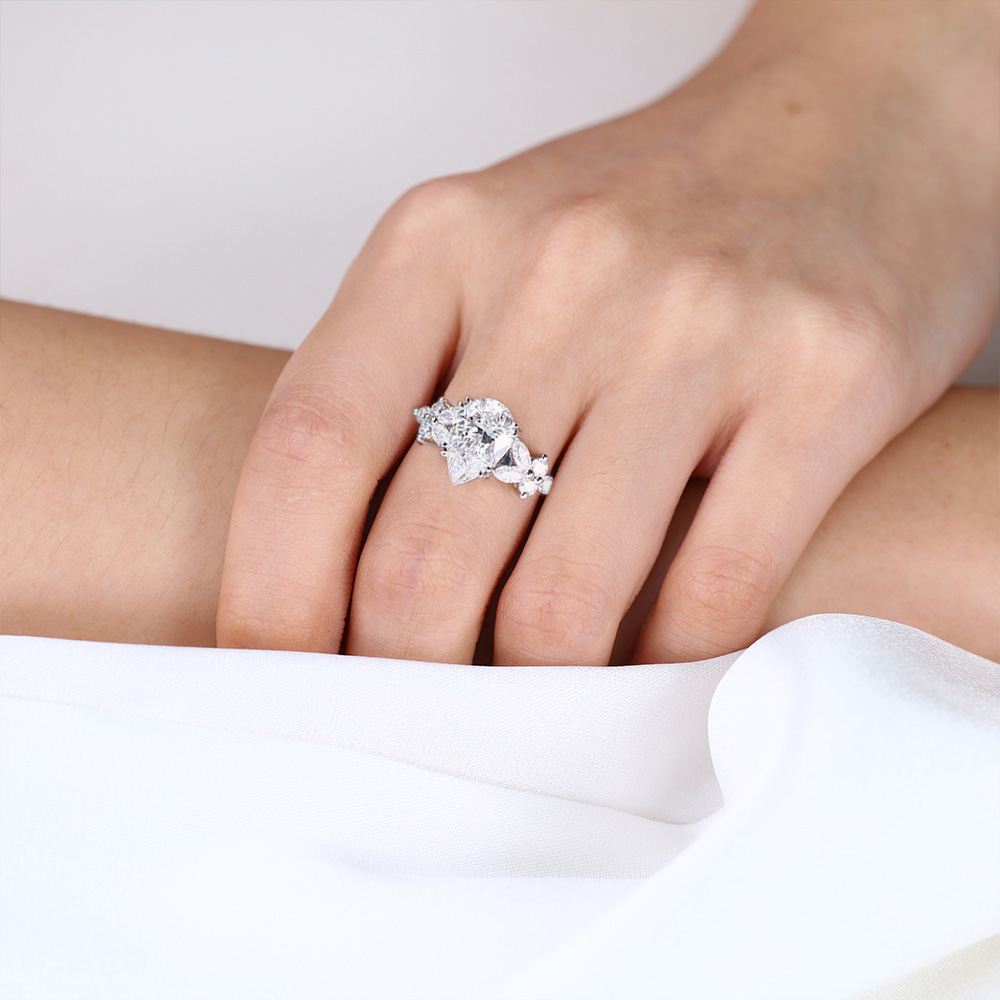
III. Moissanite A Brilliant Alternative to Diamond Rings
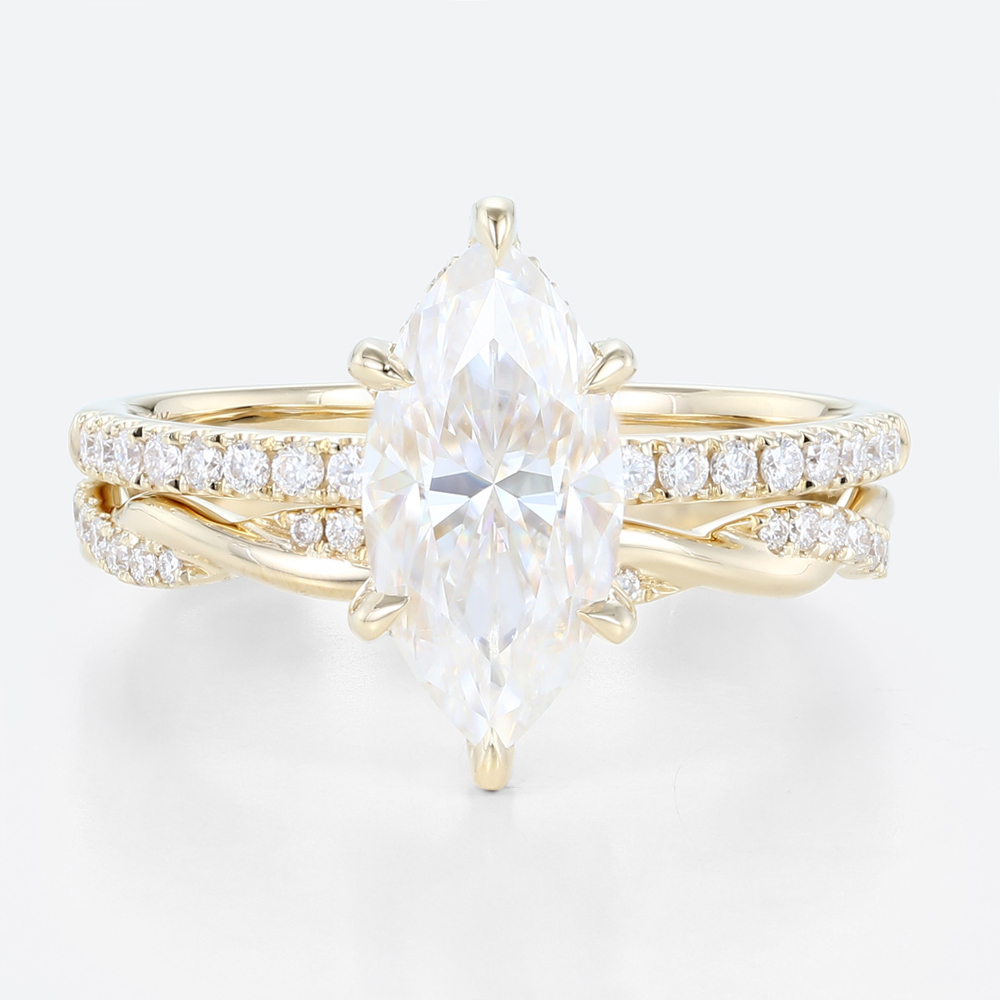
Moissanite has quickly become one of the most popular engagement ring gemstones for couples seeking brilliance similar to diamonds. While technically not a diamond, moissanite displays remarkable fire and sparkle under both direct sunlight and incandescent light.
This gemstone is also known for being highly durable, ranking close to diamonds on the Mohs scale, which makes it suitable for rings that are worn daily. Many modern designs feature moissanite as a colored center stone or paired with smaller diamonds in elegant prong settings.
Another reason for its popularity is its accessibility. Compared with some natural diamonds, moissanite often offers more flexible price points, allowing couples to choose larger stones or distinctive styles without compromising beauty.
IV. Sapphire One of the Best Gemstones for Engagement Rings
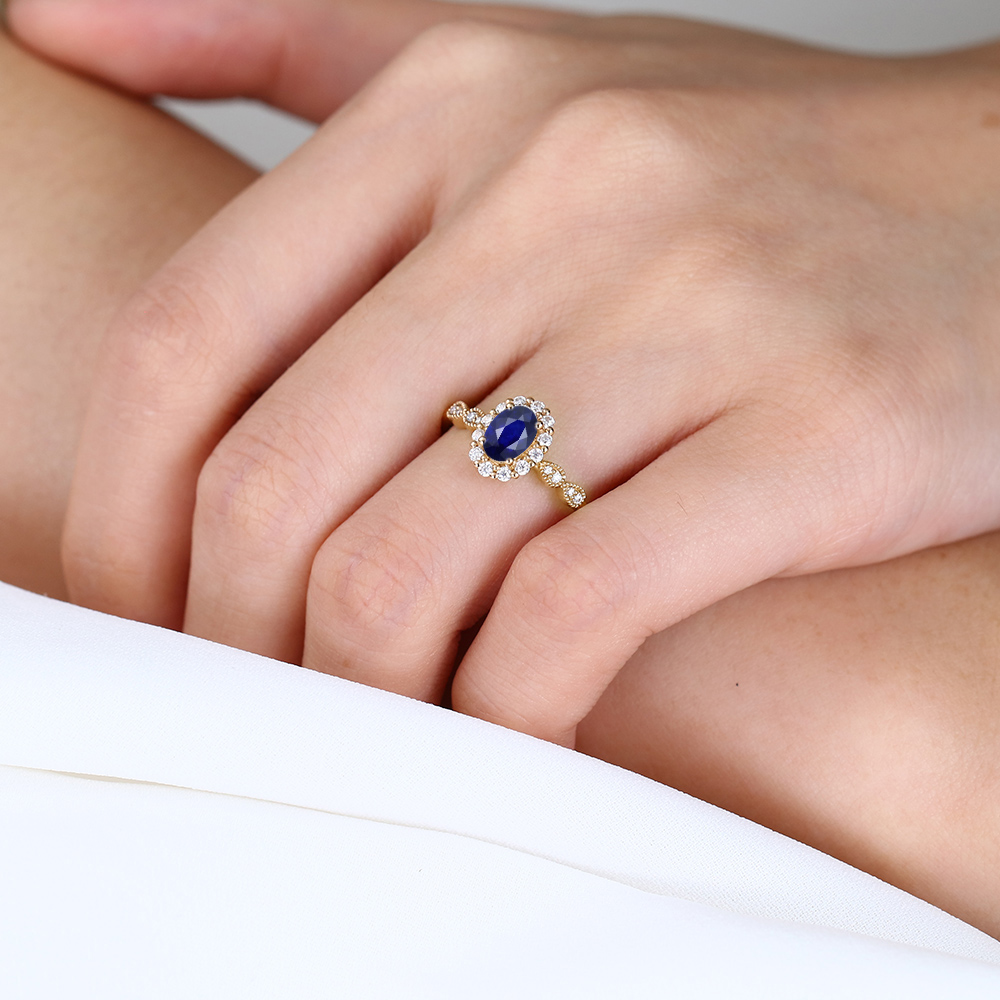
Among colored gemstones, sapphire has long been one of the most trusted choices for engagement rings. Known for its durability and rich hues, sapphire ranks high on the Mohs hardness scale, making it a reliable stone for everyday wear.
While deep blue is the most famous sapphire color, modern designs feature many gemstone colors, including soft pink, yellow, and even rare Montana sapphires. These variations allow couples to find a gemstone that complements different skin tones and personal preferences.
Sapphires also have a long history in traditional settings, often set in white gold or yellow gold bands. Their durability and elegant color make them one of the best gemstones for a meaningful and lasting engagement ring.
V. Emerald A Unique Colored Stone for Engagement Rings
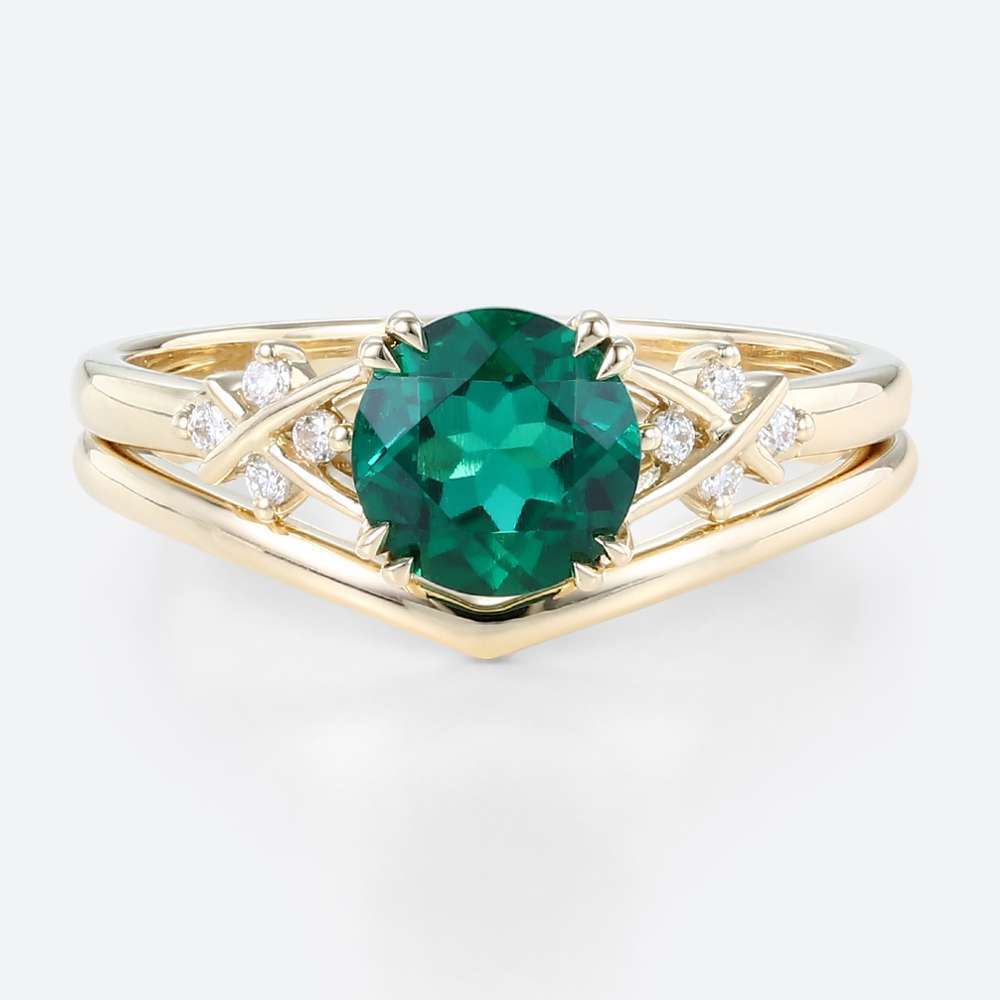
Emerald is one of the most recognizable colored stones used in gemstone engagement rings. Known for its vibrant green tone and rich color, emerald offers a distinctive alternative to traditional diamond rings.
Unlike diamonds, emeralds often contain visible natural inclusions, sometimes called “jardin.” Rather than being flaws, these inclusions add character and make each stone unique. This individuality is part of the emotional depth many couples seek when choosing a gemstone for an engagement.
Although emerald is slightly softer than diamonds on the Mohs hardness scale, it can still work well for rings when placed in secure bezel settings or other protective settings, helping the gemstone withstand daily wear.
VI. Ruby A Deep Red Gemstone for Engagement Rings
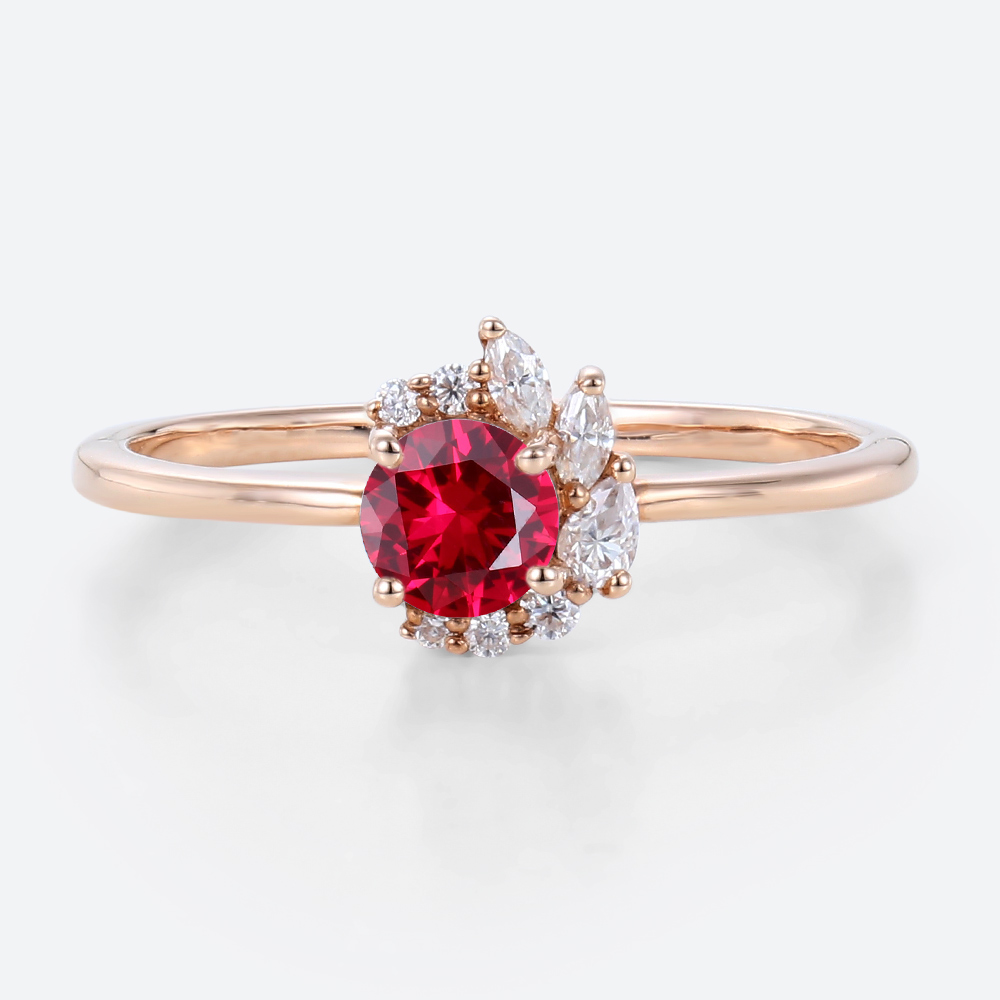
Ruby has long been considered one of the best gemstones for engagement rings because of its exceptional durability and striking deep red hue. As a member of the corundum family, ruby ranks high on the Mohs hardness scale, making it a highly durable gemstone suitable for rings that are worn daily.
The intense red color of rubies symbolizes love and passion, giving ruby engagement rings a strong sense of emotional depth. Many modern designs highlight this gemstone as a bold colored center stone, often paired with surrounding diamonds for additional brilliance.
Rubies are also admired for their rich hues, which can appear especially vibrant under different lighting conditions, from soft indoor light to bright direct sunlight.
VII. Alexandrite A Rare Color Changing Engagement Ring Gem
Among all gemstones for engagement rings, alexandrite is one of the most fascinating. This rare gem is famous for its dramatic color change, appearing greenish in daylight and shifting to reddish tones under incandescent light.
Because of this unique effect, alexandrite is often considered one of the most distinctive colored gemstones available. Its rarity and unusual color shift give it strong emotional depth, making it meaningful for couples who want a truly special gemstone engagement ring.
Alexandrite also ranks relatively high on the Mohs hardness scale, meaning it can be suitable for rings that are worn daily, especially when paired with protective prong settings.
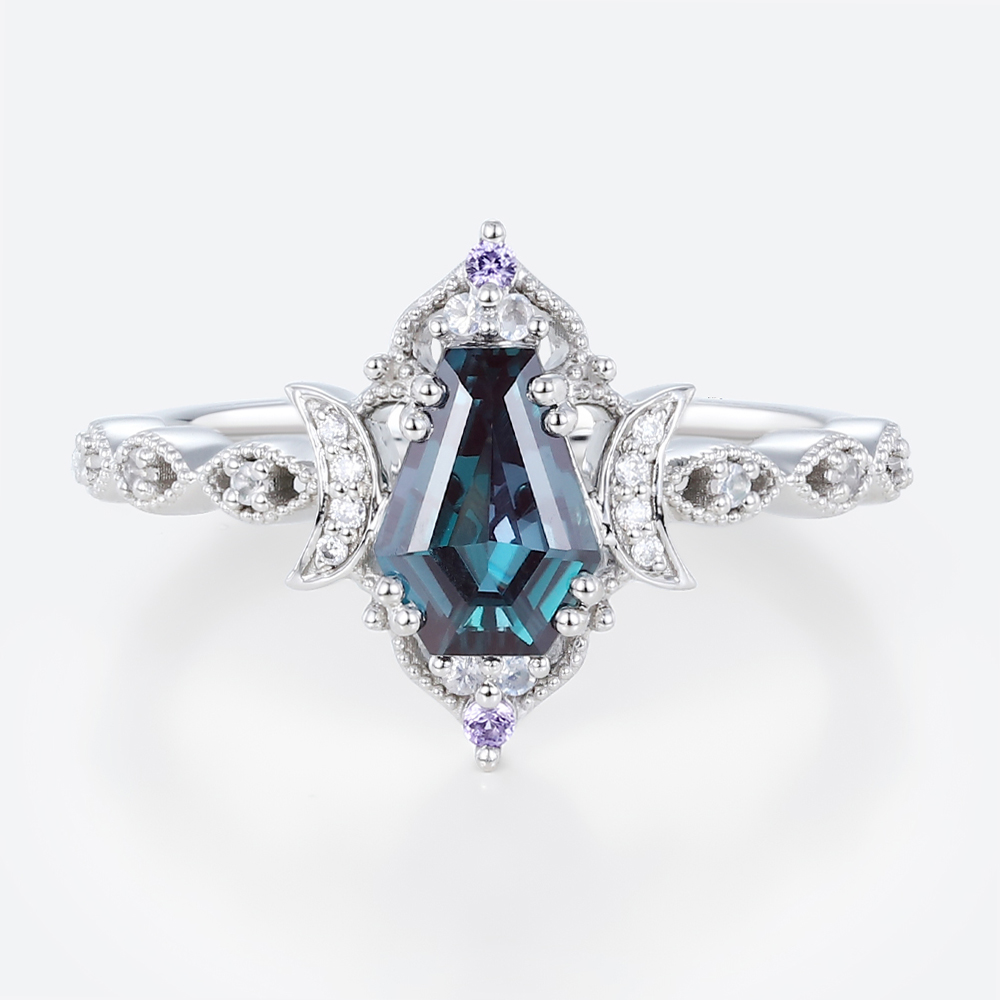
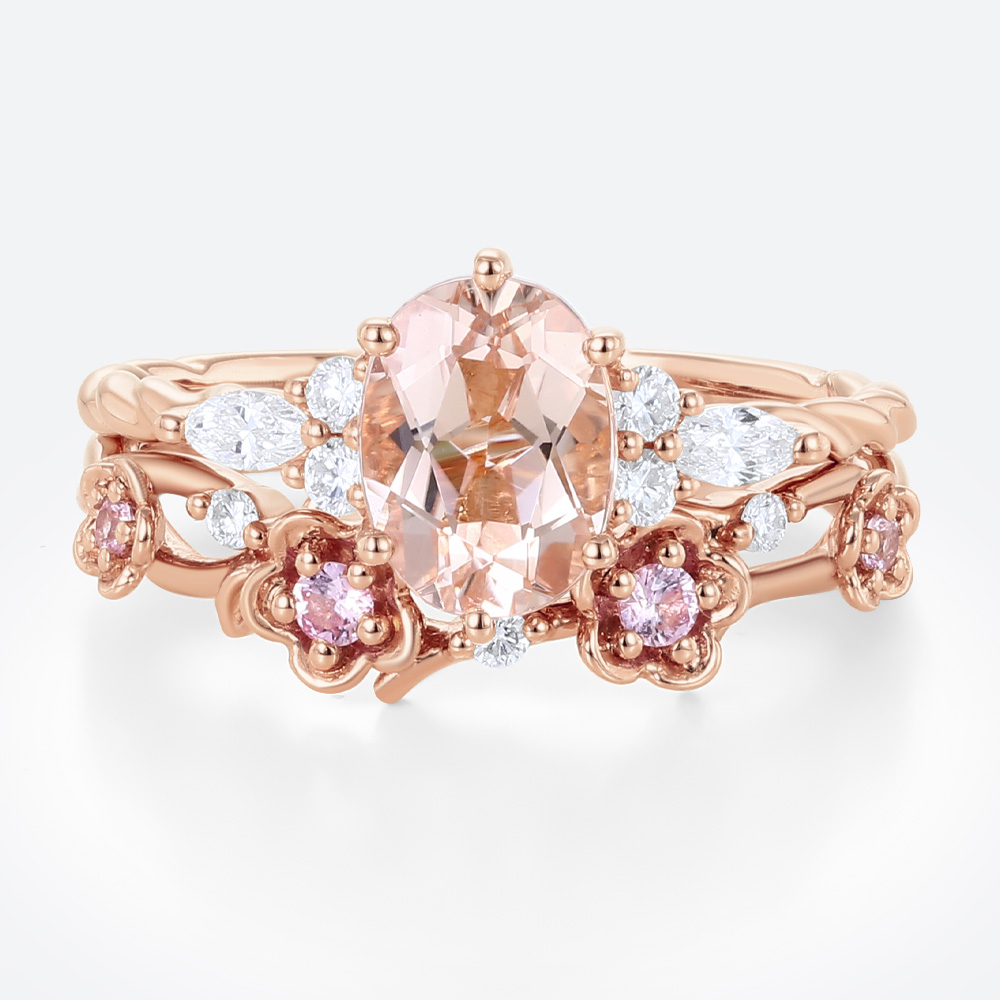
VIII. Morganite A Soft Pink Gemstone for Romantic Engagement Rings
Morganite has become one of the most popular colored gems for modern engagement rings. Known for its delicate soft pink tones and elegant glow, this gemstone pairs beautifully with rose gold settings.
Although morganite is slightly softer than diamonds, it can still be used in engagement rings when placed in protective settings such as bezel settings or secure prongs. These settings help the stone remain safe during daily wear.
Morganite’s gentle color works especially well with different skin tones, making it a flattering choice for many ring styles. Its subtle beauty and romantic appearance make it one of the best gemstones for couples seeking something distinctive yet timeless.
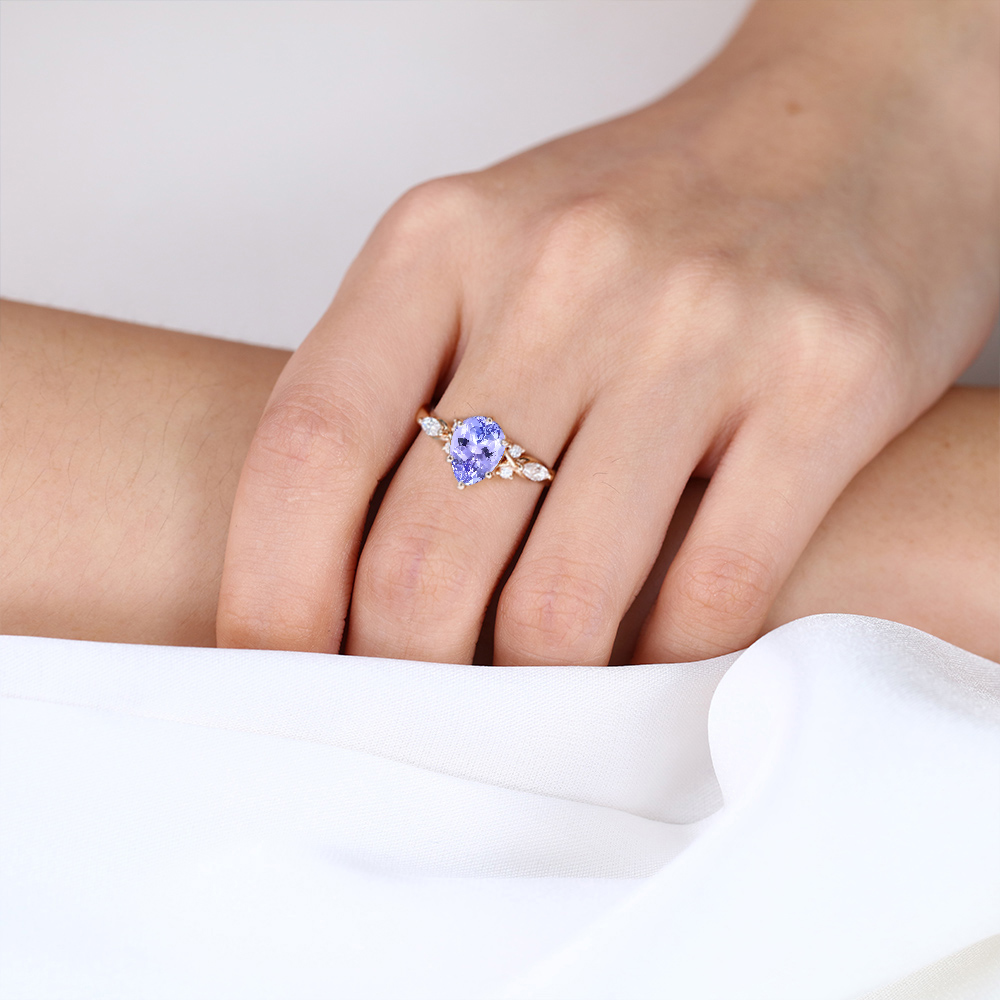
IX. Tanzanite A Unique Colored Gemstone for Engagement Rings
Tanzanite is admired for its striking blue violet tones and extraordinary gemstone colors. First discovered in Tanzania, this gemstone quickly became one of the most recognizable colored stones in modern jewelry.
Although tanzanite is considered one of the softer stones, it can still be worn in an engagement ring when designed carefully. A protective setting or surrounding diamonds can help shield the gemstone from everyday impact.
Because of its vibrant color and rarity, tanzanite often becomes the centerpiece of a ring, creating a bold alternative to traditional diamonds while still maintaining elegant gemstone engagement ring design.
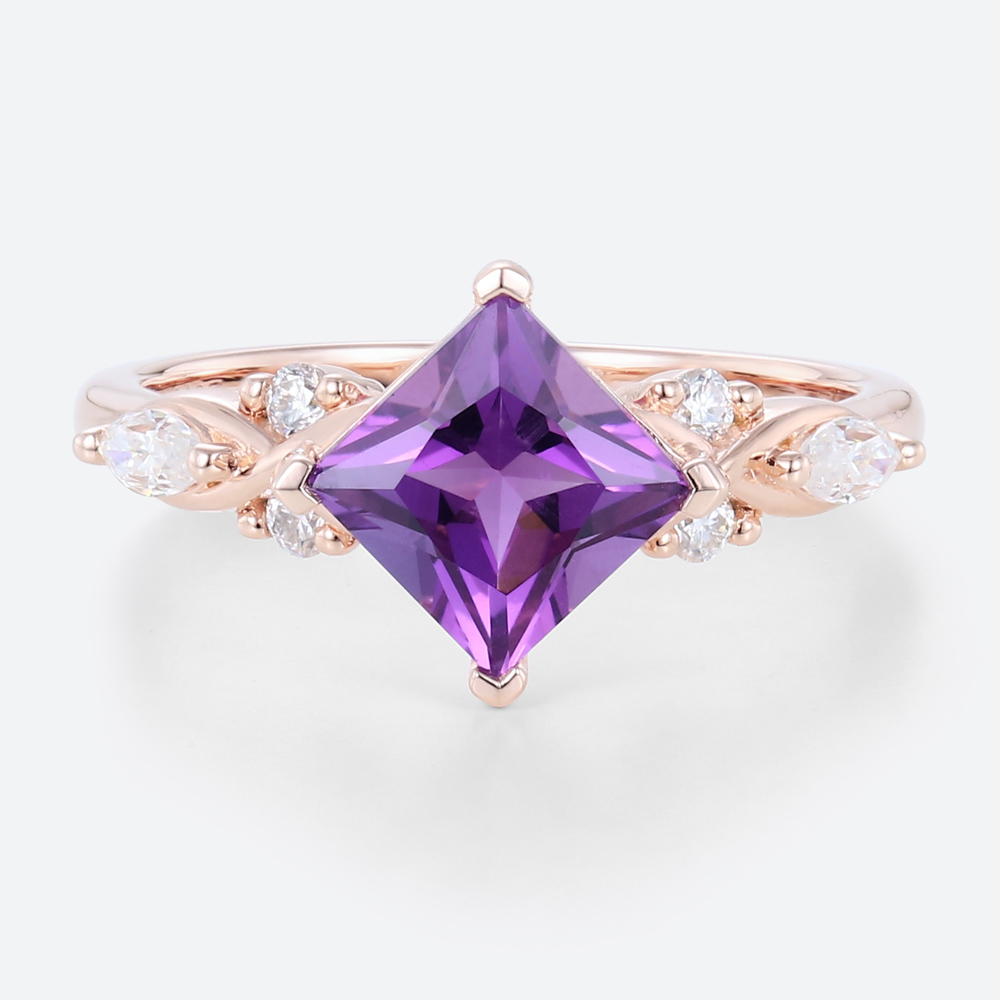
X. Amethyst A Classic Purple Gemstone for Engagement Rings
Amethyst is one of the most recognizable colored gemstones, loved for its rich purple tones and timeless appeal. This gemstone has been used in jewelry for centuries and continues to be a popular option for gemstone engagement rings.
Although amethyst ranks lower on the Mohs hardness scale compared with harder stones like diamonds and sapphires, it can still be worn occasionally in engagement rings when protected by thoughtful traditional settings.
Its vibrant purple rich color and affordability make it appealing for couples looking for beautiful gemstones with distinctive personality and accessible gemstones cost.
XI. How to Choose the Right Gemstone Engagement Ring
Selecting the right gemstone ultimately depends on lifestyle, design preference, and meaning. Some couples prefer the brilliance of diamonds, while others are drawn to the individuality of colored gemstones.
Factors such as durability, carat weight, and personal style can influence the final choice. Whether selecting a bold ruby, a soft pink morganite, or a classic diamond, the most important step is finding the perfect gemstone that reflects your relationship.
With so many beautiful gemstones for engagement rings available today, couples can easily discover a ring that combines lasting beauty, symbolism, and individuality.