













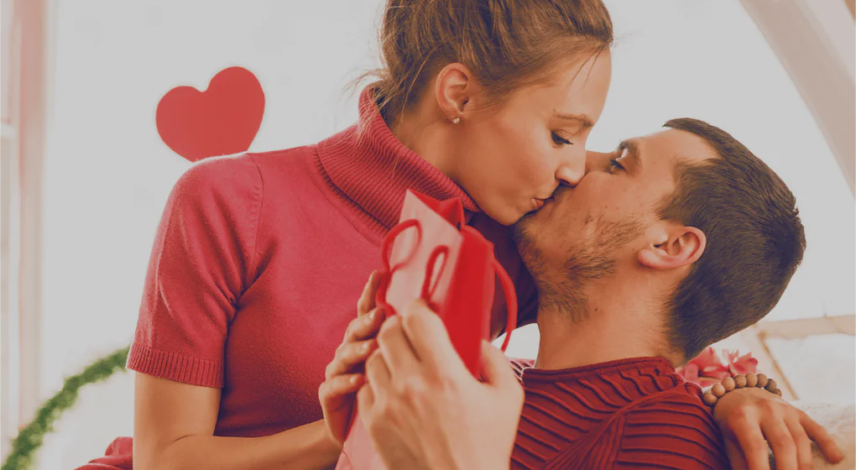
I. Valentine’s Jewelry Should Match the Relationship—Not the Holiday
The most meaningful Valentine’s jewelry isn’t defined by trends, price tags, or even the holiday itself. What truly matters is whether the piece fits the stage of the relationship you’re in.
This is why valentine jewelry by relationship stage has become such an important consideration for modern couples. Jewelry carries emotional weight—sometimes more than words—and when that weight doesn’t align with where a relationship naturally stands, even the most beautiful gift can feel uncomfortable or confusing.
A necklace given early on should feel light, thoughtful, and easy to receive. A piece chosen after years together can hold more depth, symbolism, and permanence. The difference isn’t about spending more—it’s about understanding when a certain kind of jewelry makes sense.
Valentine’s Day doesn’t move a relationship forward on its own. Jewelry shouldn’t either. The best Valentine’s jewelry simply meets the relationship exactly where it is.
II. Why Relationship Stage Matters More Than Budget When Choosing Valentine’s Jewelry
Many people approach Valentine’s Day jewelry with the wrong question:
“How much should I spend?”
A better—and far more meaningful—question is:
“What kind of message does this jewelry send at this point in our relationship?”
Different relationship stages come with different emotional expectations. In early dating, subtlety and restraint feel reassuring. In long-term relationships, familiarity and shared history allow for deeper symbolism. When jewelry doesn’t match those expectations, it can unintentionally create pressure, mixed signals, or awkwardness.
This is why jewelry gifts by relationship stage tend to feel more thoughtful than gifts chosen purely by category or price. A simple, well-chosen piece that respects emotional timing often resonates more than something elaborate that arrives too soon—or too late.
Understanding how Valentine’s jewelry choices evolve over time isn’t about following rigid rules. It’s about recognizing that relationships grow in layers, and the role jewelry plays grows with them. When those layers align, the gift feels natural—never forced, never performative.
III. Early Dating: Keeping Valentine’s Jewelry Light, Thoughtful, and Low-Pressure
In the early stages of dating, Valentine’s Day can feel exciting—but also uncertain. This is where many people overthink jewelry gifts, worrying that a wrong choice might say too much, too soon.
When it comes to valentine jewelry by relationship stage, early dating is all about balance. The goal isn’t to impress or define the relationship. It’s simply to show interest and care without creating emotional weight.
The Emotional Goal at This Stage
At this point, jewelry should feel like a gentle gesture, not a declaration. It’s a way of saying “I enjoy where this is going” rather than “I expect something specific from us.”
That’s why subtlety matters more than symbolism here.
Jewelry That Works Best in Early Dating
- Minimalist necklaces that can be worn daily
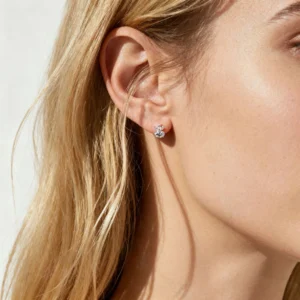
- Small stud earrings that don’t demand attention
- Simple bracelets with clean lines
These pieces feel thoughtful without being intense. They fit naturally into everyday life and don’t require interpretation.
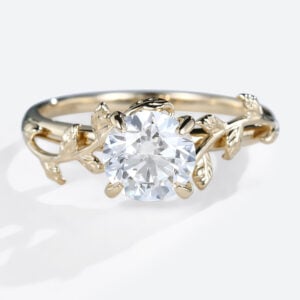
What usually doesn’t work at this stage? Rings. Even when beautifully designed, rings often carry assumptions that feel premature early on. Choosing jewelry that avoids that pressure shows emotional awareness—a quality many people value far more than extravagance.
IV. Growing Relationships: When Thoughtfulness Matters More Than Symbolism
As a relationship becomes more stable, Valentine’s Day jewelry takes on a different role. There’s more familiarity, more comfort, and often a deeper emotional connection—but still no need for heavy symbolism.
This is the stage where valentine jewelry by relationship stage becomes especially nuanced.
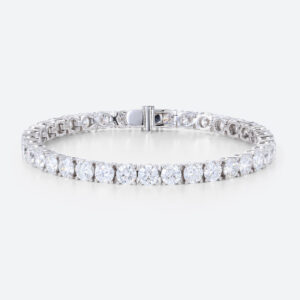
The Emotional Shift in Growing Relationships
Here, the goal is no longer to keep things light at all costs. Instead, it’s about showing attentiveness—remembering preferences, noticing habits, and choosing something that feels intentionally suited to the person you’re with.
Jewelry at this stage often works best when it feels:
- Personal, but not overwhelming
- Meaningful, but not defining
- Wearable, rather than purely decorative
Jewelry That Feels Right as the Relationship Deepens
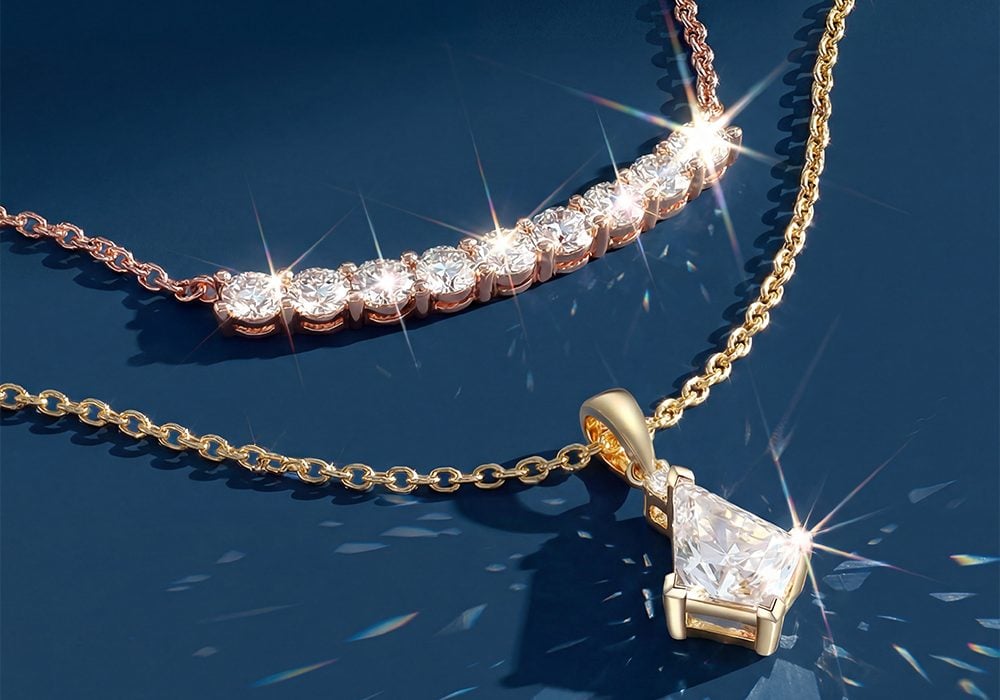
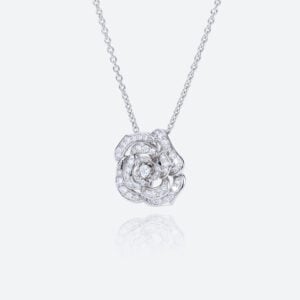
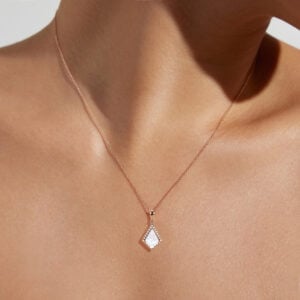
Delicate diamond necklaces, earrings with subtle gemstone accents, or thoughtfully designed everyday pieces tend to resonate most. They reflect care and effort without suggesting a milestone the relationship hasn’t reached yet.
This is also where lab-grown diamonds often make sense. They allow for refined design and everyday sparkle without turning the gift into a statement meant for the outside world. The jewelry feels chosen—not because it’s expected, but because it fits.
In growing relationships, Valentine’s jewelry works best when it blends into shared routines. When she reaches for it naturally, without thinking, that’s when the gift has truly landed.
V. Long-Term Love: When Jewelry Becomes Continuity, Not a Statement
In long-term relationships, Valentine’s Day jewelry is no longer about signaling interest or navigating uncertainty. Instead, it reflects something quieter and deeper: continuity.
At this stage, valentine jewelry by relationship stage shifts away from caution and toward comfort. The relationship doesn’t need defining—it already exists. Jewelry becomes a way to acknowledge shared time, mutual understanding, and the life you’ve built together.
The Emotional Goal in Long-Term Relationships
Here, the emotional goal isn’t to impress. It’s to affirm.
Jewelry chosen for long-term love often says, “I know you” rather than “Look what I bought.” It reflects familiarity with her style, her routines, and what she actually enjoys wearing.
This is why overly dramatic or trendy pieces can sometimes feel out of place. Long-term relationships tend to favor jewelry that integrates seamlessly into daily life—pieces that feel reassuring rather than performative.
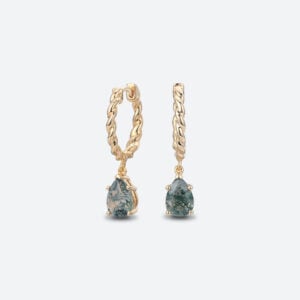
Jewelry That Makes Sense Over Time
At this stage, Valentine’s jewelry often includes:mcorper mattis, pulvinar dapibus leo.
- Upgraded everyday pieces she already loves
- Diamond necklaces or bracelets designed for frequent wear
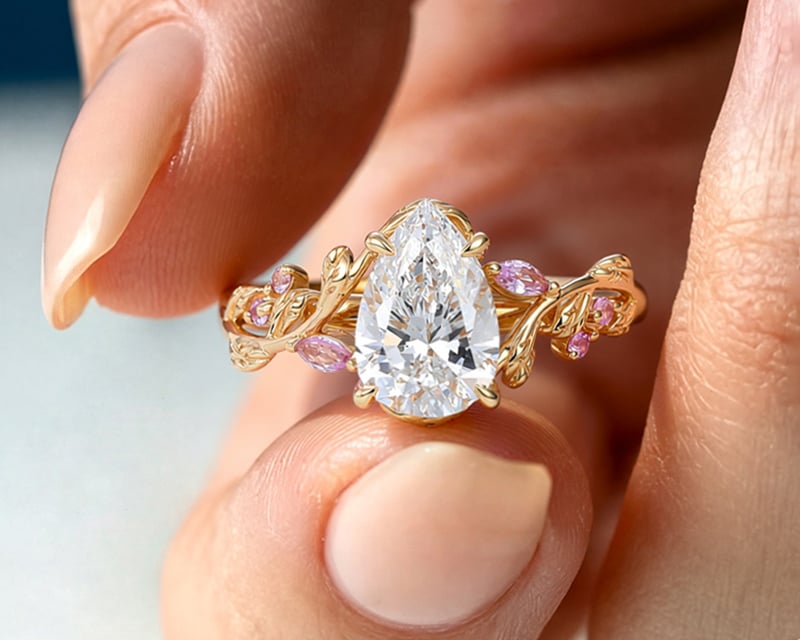
- Rings chosen for style and comfort, not symbolism
Jewelry becomes part of the relationship’s rhythm. When she wears it regularly—not because it’s special, but because it feels right—that’s when it carries the most meaning.
VI. Commitment and Milestones: When Jewelry Reflects Shared History
As relationships move toward deeper commitment—whether that’s engagement, marriage, or another shared milestone—Valentine’s jewelry takes on a new dimension.
Here, valentine jewelry by relationship stage intersects with memory and intention. Jewelry no longer represents just the present moment, but the journey you’ve taken together.
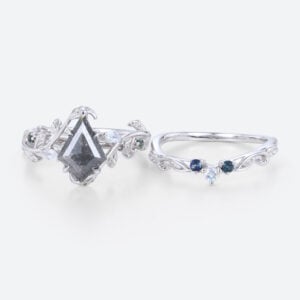
The Emotional Shift at This Stage
At this point, jewelry naturally becomes more symbolic. However, symbolism doesn’t have to mean excess.
Many couples now prefer designs that reflect shared values rather than traditional expectations. Thoughtful design choices—clean lines, meaningful stones, or ethical sourcing—often matter more than size or spectacle.
Choosing Jewelry That Honors the Relationship’s Story
Jewelry tied to milestones works best when it reflects how the relationship actually feels. That might mean:
- A piece that marks an anniversary without repeating engagement symbolism
- Jewelry chosen together, rather than as a surprise
- Designs that feel aligned with both partners’ tastes and values
Rather than using jewelry to announce commitment, couples increasingly use it to acknowledge it.
VII. Common Valentine’s Jewelry Mistakes Across Relationship Stages
Even with the best intentions, Valentine’s jewelry can sometimes miss the mark—not because the piece isn’t beautiful, but because it doesn’t match the relationship stage.
Understanding valentine jewelry by relationship stage also means knowing what to avoid.
Giving Too Much, Too Soon
One of the most common mistakes in early dating is choosing jewelry that carries more meaning than the relationship is ready for. Rings, overly expensive pieces, or highly symbolic designs can unintentionally create pressure where none was intended.
When jewelry feels like a question the relationship hasn’t answered yet, it can make the moment uncomfortable rather than romantic.
Playing It Too Safe in Long-Term Relationships
On the other end of the spectrum, long-term partners sometimes underplay Valentine’s Day out of habit. Extremely generic gifts or last-minute choices can feel disconnected—not because they lack value, but because they lack intention.
In established relationships, jewelry doesn’t need to escalate—but it should still feel considered.
Letting Price Replace Emotional Awareness
Across all stages, price is often used as a shortcut for meaning. In reality, a well-aligned piece almost always resonates more than a more expensive but emotionally mismatched one.
Jewelry succeeds as a Valentine’s gift when it reflects understanding, not escalation.
VIII. Final Thoughts: Let Valentine’s Jewelry Grow With the Relationship
Valentine’s Day doesn’t define a relationship—but it does reflect how well you understand it.
The most meaningful valentine jewelry by relationship stage choices aren’t about following rules or trends. They’re about recognizing where you are together and choosing something that feels appropriate, thoughtful, and emotionally honest.
In early dating, jewelry should feel light and inviting.
In growing relationships, it should feel attentive and personal.
In long-term love, it should feel familiar and affirming.
And in moments of commitment, it should reflect shared history rather than outside expectations.
Jewelry doesn’t need to push a relationship forward—or hold it back.
When chosen with awareness, it simply meets the relationship where it already is.
The right Valentine’s jewelry doesn’t rush love.
It grows with it.