

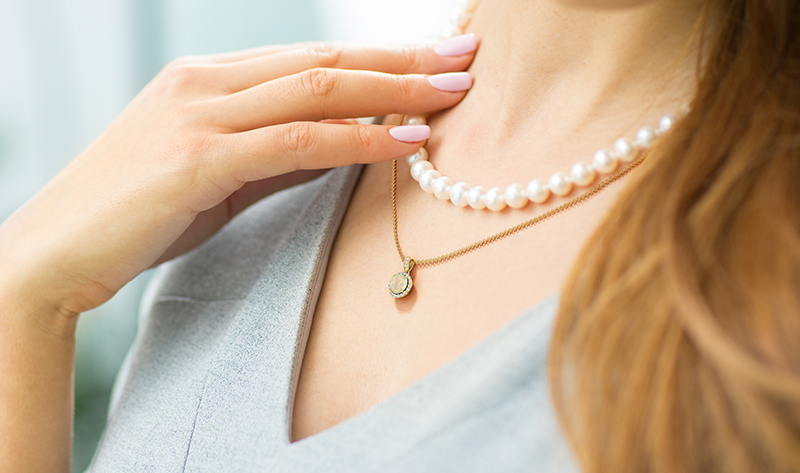
I. Jewelry That Ages Beautifully Is Jewelry You Actually Live In
Here’s the truth many people discover only years later:
the jewelry that matters most isn’t the most perfect when it’s new—it’s the pieces that quietly become part of your everyday life.
Jewelry for real life doesn’t ask you to change how you live. It doesn’t need special occasions, careful handling, or constant reminders to “be careful.” Instead, it adapts. It moves with you through busy mornings, long days, small routines, and moments you never planned to mark—but remember anyway.
Pieces that age beautifully aren’t defined by flawless surfaces or frozen shine. They’re defined by longevity, comfort, and relevance. They still feel right as your life shifts, your style matures, and your priorities evolve. Over time, they stop feeling like something you own and start feeling like something that belongs with you.
That’s what jewelry for real life truly means—not jewelry that stays untouched, but jewelry that stays with you.
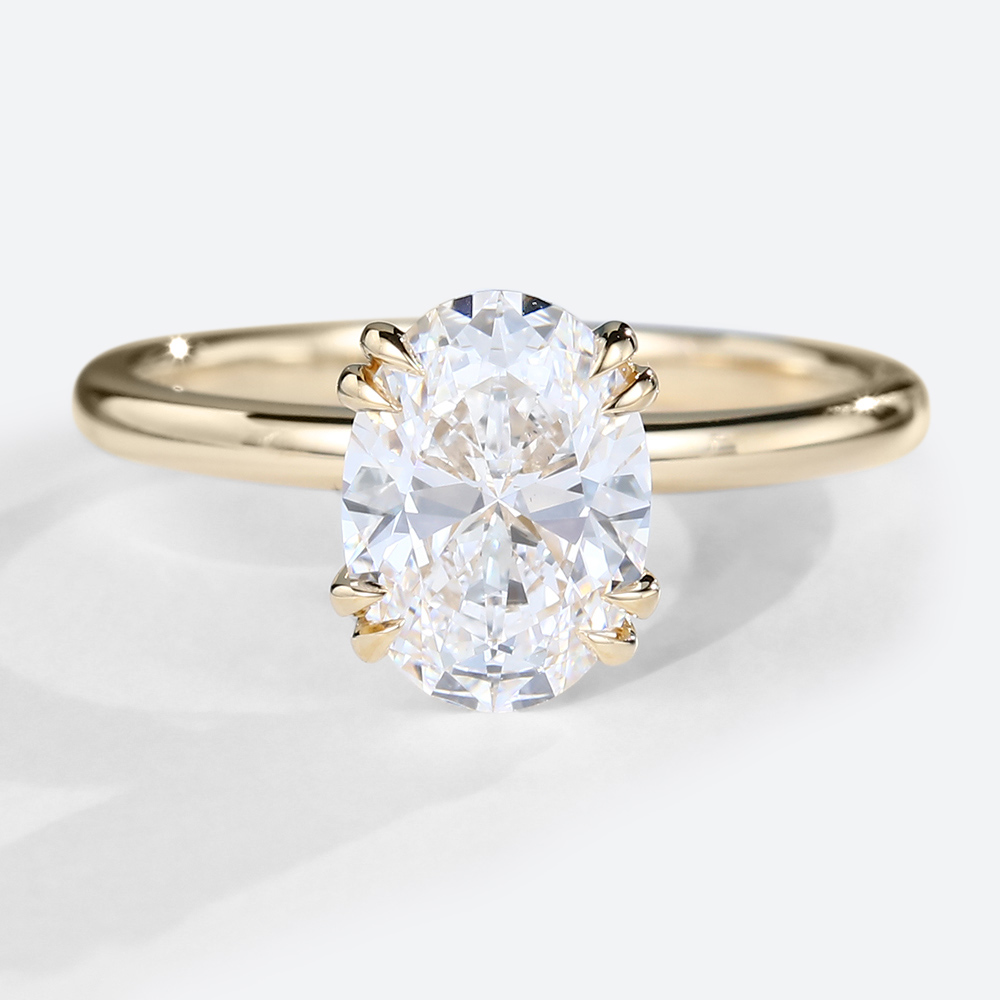
II. What “Jewelry for Real Life” Really Means
When people talk about jewelry, the focus often stays on how it looks at the moment of purchase. But jewelry for real life is defined by how it behaves long after that moment has passed.
Real life includes daily wear, changing routines, aging hands, and evolving expectations. It includes workdays and weekends, travel and repetition, celebration and exhaustion. Jewelry designed for real life takes all of that into account.
These pieces aren’t overly delicate, trend-dependent, or tied to a single version of who you are. They’re wearable, adaptable, and forgiving. They don’t demand perfection from you, and they don’t punish you for using them the way jewelry is meant to be used.
For many people, this realization explains a quiet frustration they’ve felt for years—why certain pieces stayed in boxes while others were worn until they felt inseparable. It wasn’t about taste or value. It was about whether the jewelry was designed for a moment, or designed for a life.
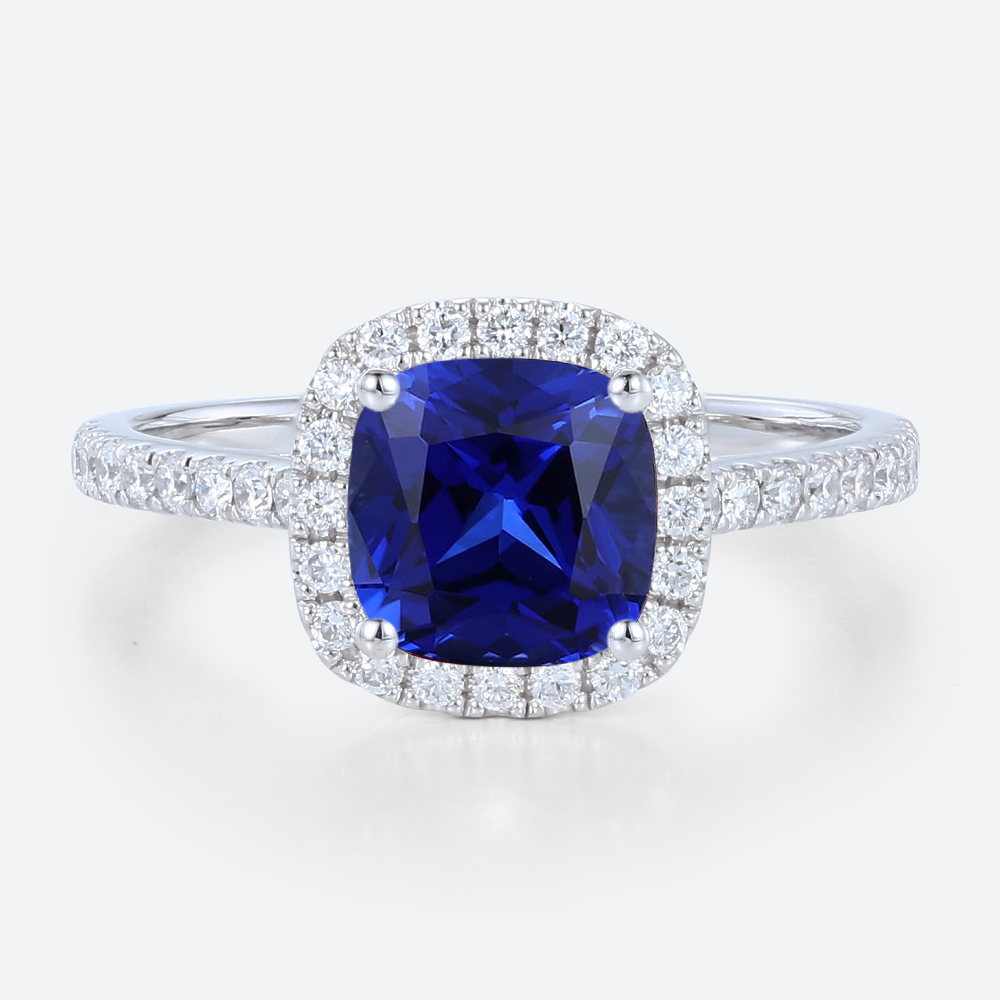
III. How Life Actually Changes—and What That Means for Your Jewelry
One reason so much jewelry fails to age well is simple: life doesn’t stay the same, but many designs assume it will.
Hands change over time. Fingers subtly shift in size and shape with age, temperature, and daily use. Skin becomes more sensitive. What once felt lightweight can start to feel sharp or restrictive. A ring that required no thought in your twenties may suddenly feel intrusive in your thirties—not because anything is “wrong,” but because your body has changed.
Daily routines evolve too. You may type more, travel more, move more, or simply care less about removing jewelry every time you wash your hands. Pieces designed for real life anticipate this. They’re built to tolerate repetition, minor impacts, and constant wear without demanding constant attention.
This is why jewelry that ages beautifully often feels unremarkable at first. It doesn’t insist on being noticed. Instead, it earns its place by fitting naturally into the rhythm of your day—no adjustments required.
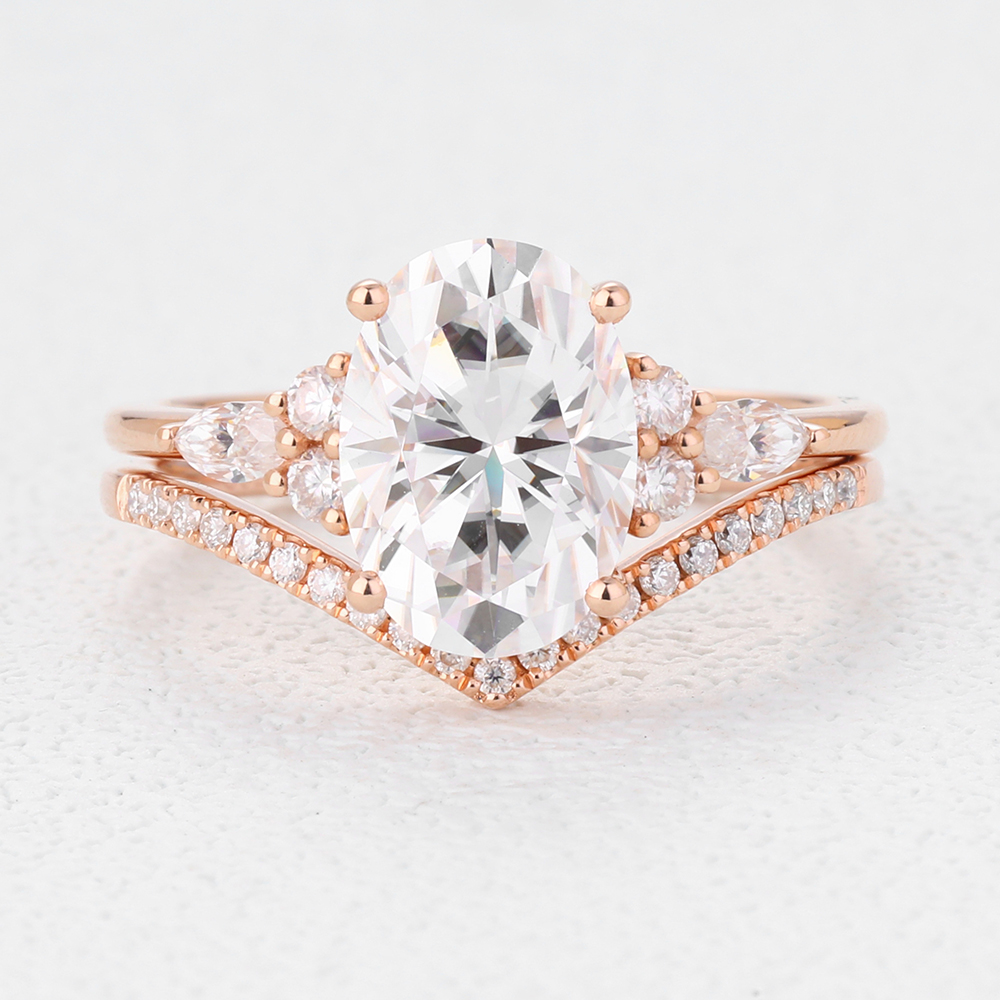
IV. Practical Design Choices That Age Well Over Time
So what actually makes jewelry wearable year after year? Not abstract ideas, but specific, practical design decisions.
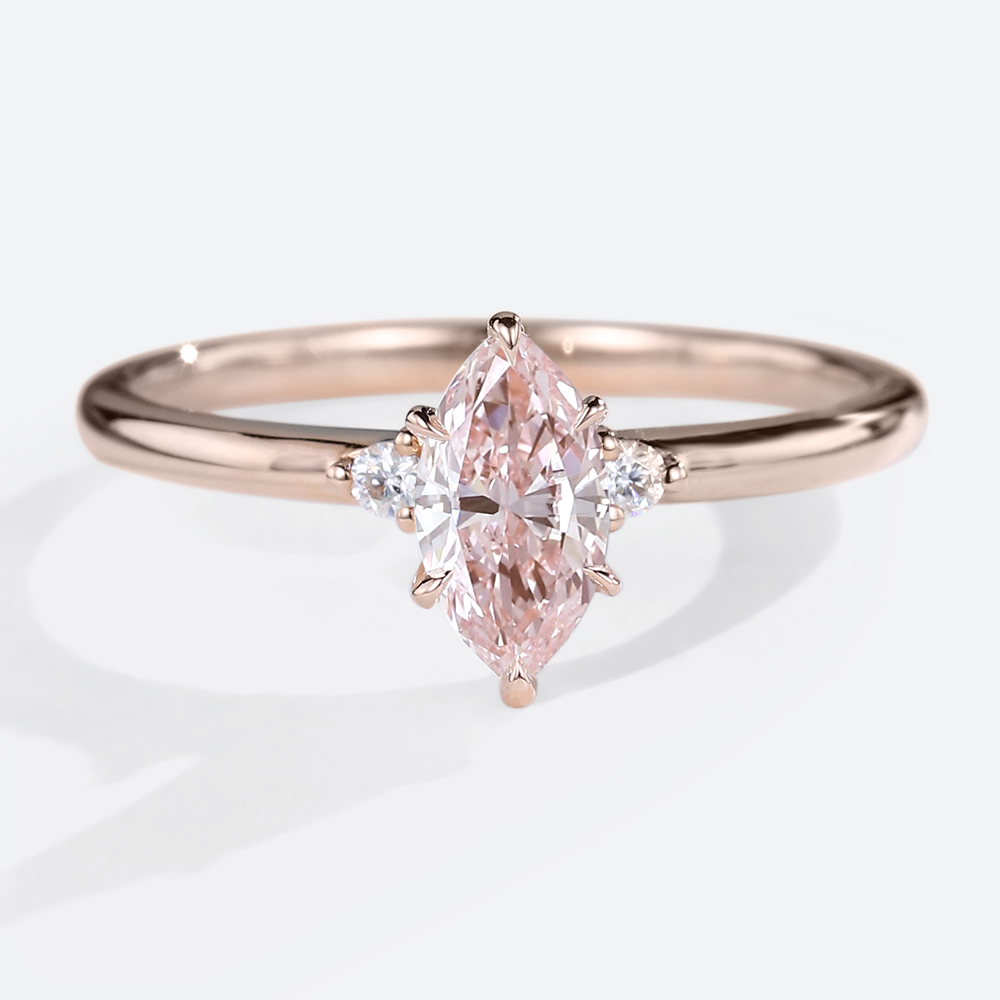
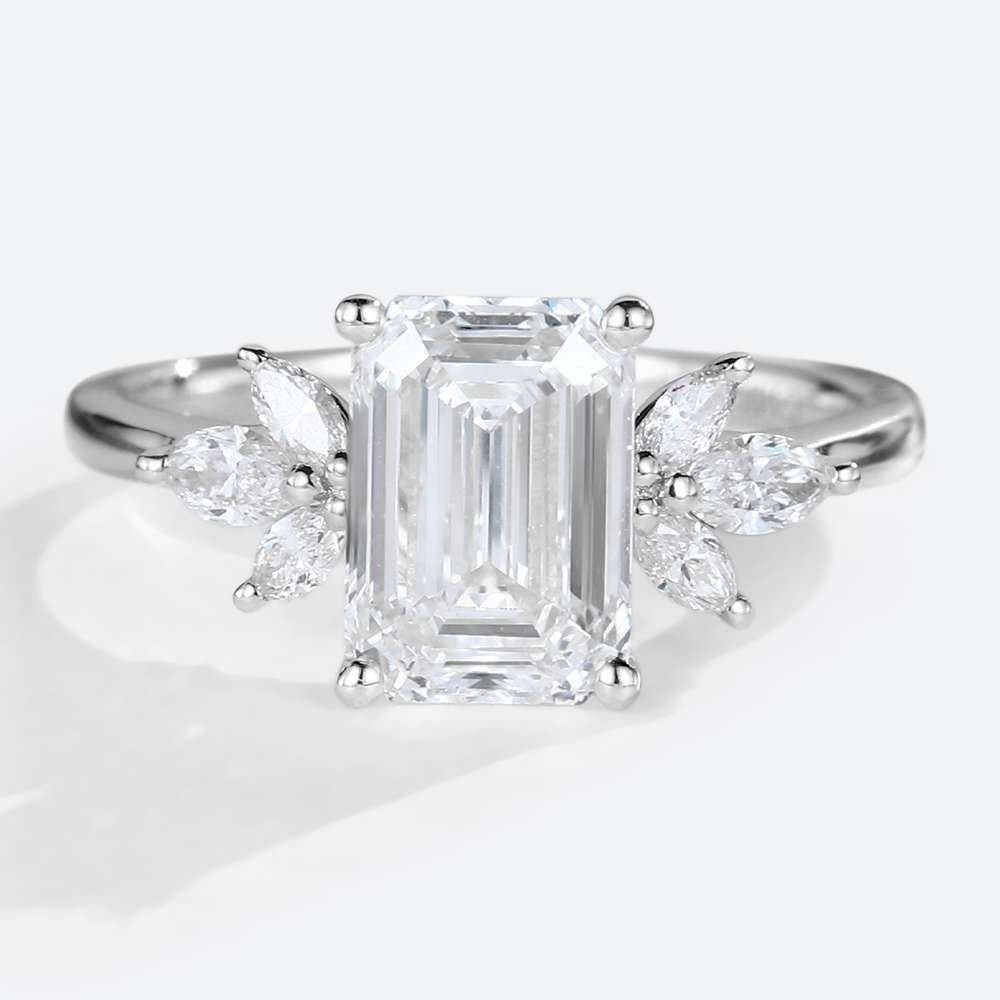
Low-profile settings sit closer to the skin, reducing the chances of snagging on clothing or getting knocked during everyday movement. Secure but subtle prongs protect stones without creating sharp edges that catch or irritate. Bands with thoughtful thickness feel more stable as fingers swell or shrink throughout the day, rather than amplifying discomfort.
Proportions matter more than decoration. Jewelry designed to age well prioritizes balance—between visual lightness and structural strength, between presence and comfort. These pieces don’t rely on exaggerated trends or extreme silhouettes. Instead, they use restraint to remain relevant even as styles change.
You can often tell when a piece was designed for real life by how little you have to think about it. If you forget you’re wearing it—until you notice it’s still there, still comfortable, still right—that’s not an accident. That’s design doing its job.
V. Why Emotional Wear Matters as Much as Physical Wear
Jewelry doesn’t just age physically—it ages emotionally. And this is something most people only realize after years of ownership.
Pieces designed for real life are worn during ordinary moments: commuting, working, traveling, resting. Over time, they become associated with routines rather than occasions. That’s precisely why they gain meaning instead of losing it. They’re present when nothing special is happening—and later, when you look back, that presence becomes the memory.
By contrast, jewelry that feels too precious or demanding often carries emotional distance. You hesitate to wear it. You save it for the “right” moment. Eventually, it stops feeling like part of your life and starts feeling like an obligation you’re meant to preserve.
Jewelry that ages beautifully doesn’t rely on preservation. It allows wear. It accepts small marks, softened edges, and familiarity. These aren’t signs of decline—they’re signs that the piece has been lived with, not just owned.
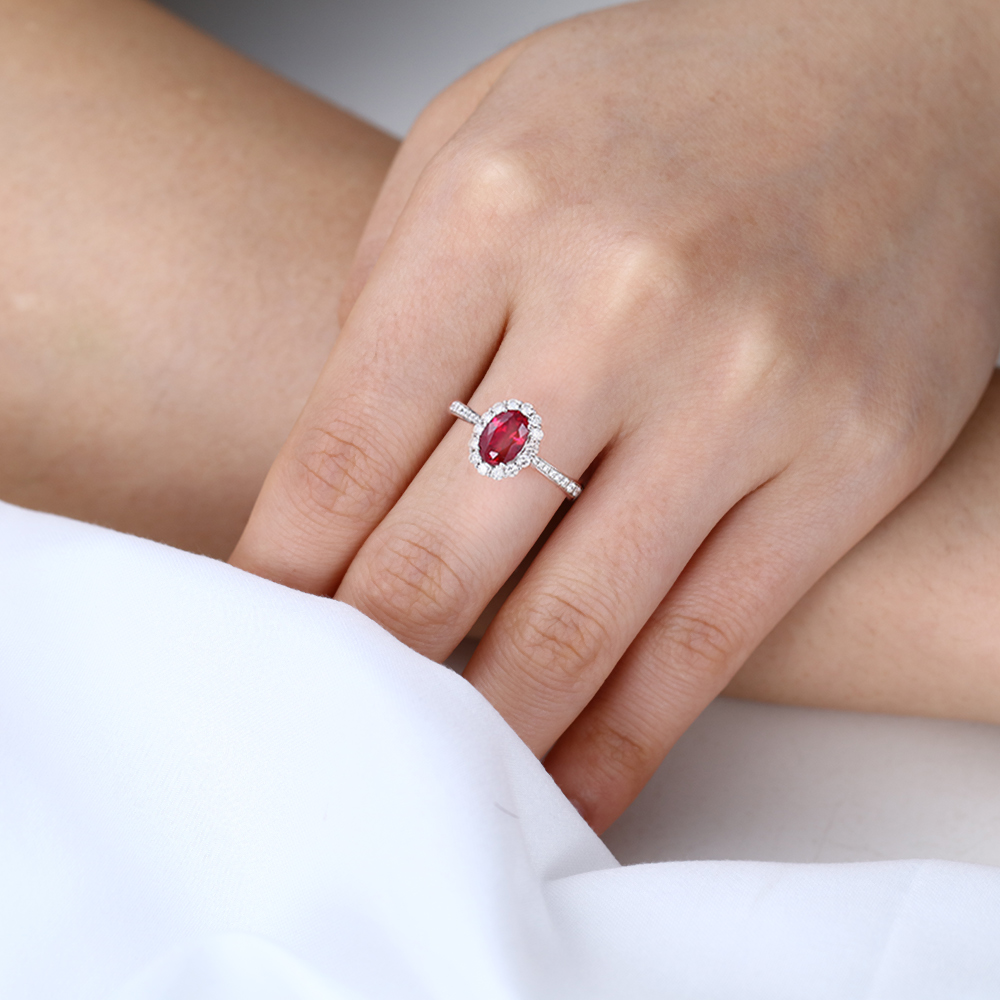
If a piece makes you feel more yourself rather than more careful, that’s emotional wear working in your favor.
VI. Why Trend-Driven Jewelry Often Ages the Fastest
Trends are not the enemy—but they are fragile.
Trend-driven jewelry is usually designed around visual impact rather than long-term interaction. It depends on novelty, exaggeration, or a very specific cultural moment. When that moment passes, the piece can start to feel disconnected—not just stylistically, but emotionally.
This doesn’t mean trend-focused pieces are poorly made. It means they’re often optimized for immediate recognition rather than long-term relevance. As styles shift, the wearer changes faster than the jewelry can adapt.
Jewelry for real life, on the other hand, is quieter by design. It avoids extremes that lock it into a single era. Instead of asking, “Does this look current?” it asks, “Will this still feel right when my life looks different?”
That difference in intent is why some pieces feel dated after a few years, while others simply feel familiar—and familiarity, in jewelry, is often a form of beauty.
VII. Materials and Craftsmanship: Why Quality Is Felt Over Time, Not Seen at First
When jewelry is new, almost everything looks good. Shine is easy to impress with. What’s harder to fake is how a piece feels after years of wear.
Materials age differently. Metals soften slightly with use, edges smooth out, and weight distribution becomes more noticeable. Well-crafted jewelry anticipates this. It’s built to remain comfortable as surfaces wear naturally, not to fall apart the moment perfection fades.
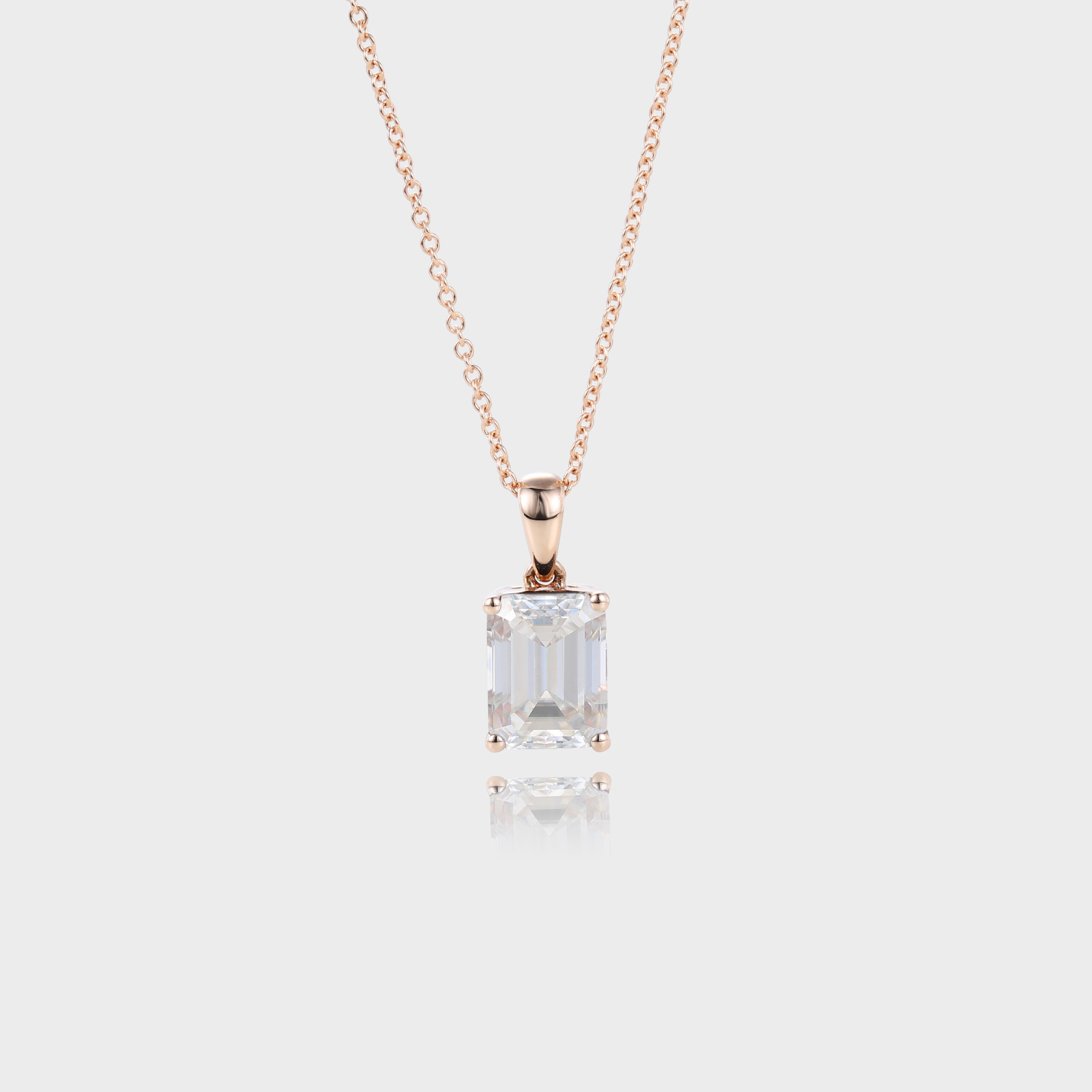
Good craftsmanship also shows up in subtle ways over time. Stones stay secure. Bands keep their shape. Settings don’t loosen prematurely. These qualities aren’t always obvious on day one, but they become unmistakable after months and years of daily use.
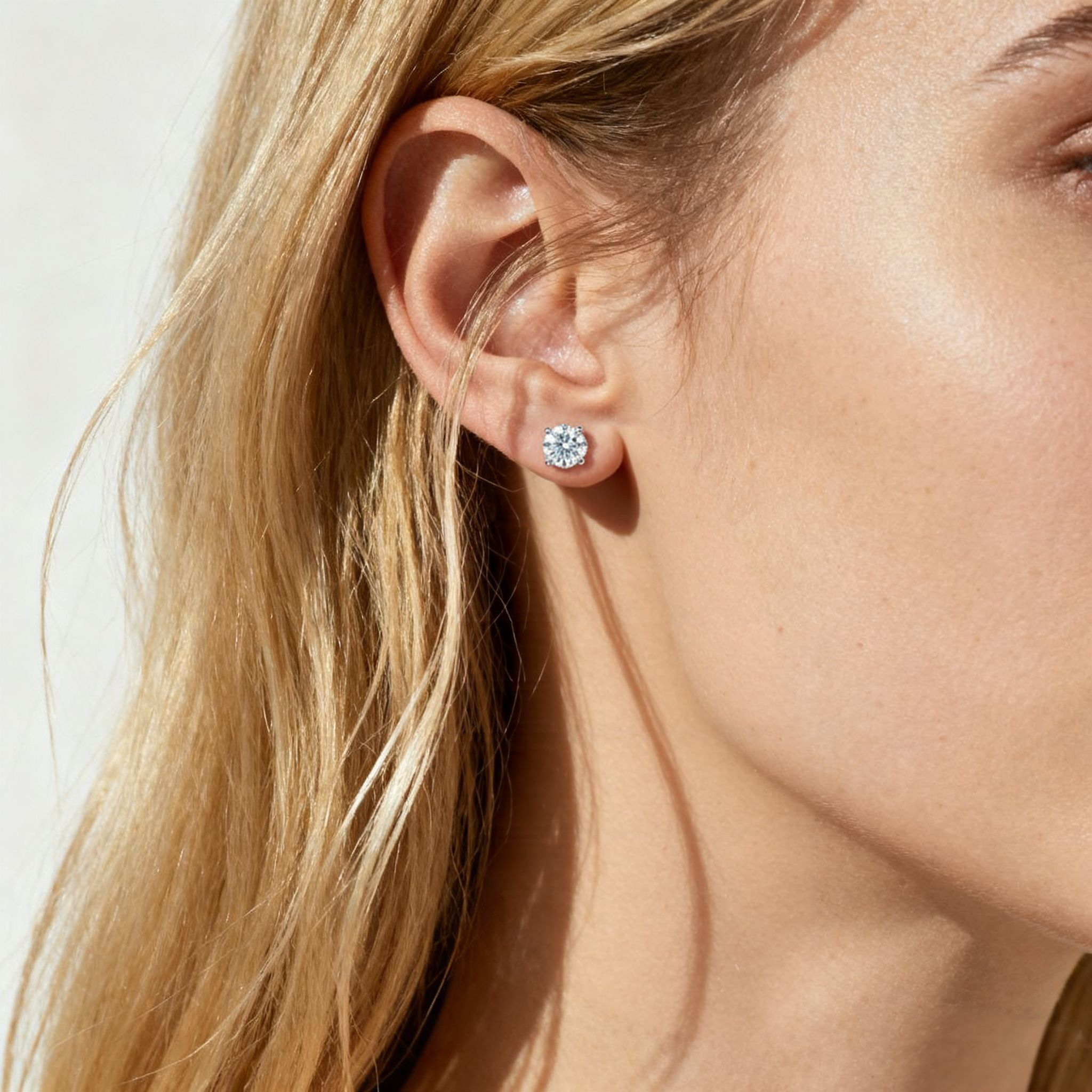
This is why jewelry for real life often feels understated at first. Its value isn’t concentrated in instant impact—it’s revealed gradually, through reliability and consistency.
VIII. Jewelry That Grows With You, Not Away From You
One of the quiet frustrations people experience with jewelry is realizing that a piece no longer fits who they are—even if it still technically fits their hand.
Style evolves. Comfort expectations change. What once felt expressive may later feel intrusive. Jewelry that ages beautifully accounts for this by leaving room for change. It doesn’t lock the wearer into a single version of themselves.
Pieces designed for real life tend to adapt rather than resist. They remain wearable as tastes mature, routines shift, and priorities reorder. Instead of competing with who you’ve become, they move alongside you.
This adaptability is not accidental. It comes from design choices that favor balance over excess and longevity over novelty.
IX. Final Thoughts — Jewelry for Real Life Is Jewelry That Lets You Live
Jewelry isn’t meant to pause your life. It’s meant to accompany it.
The pieces that age most beautifully are rarely the ones you worried about most at the beginning. They’re the ones you trusted enough to wear freely—without constant checking, without saving them for later, without adjusting yourself around them.
Jewelry for real life doesn’t demand perfection from you. It doesn’t require preservation or performance. It allows use, change, and time to leave its mark.
And in doing so, it becomes something far more valuable than a flawless object:
a piece that feels increasingly right, precisely because it has been lived in.