

I. Why Rings Feel Tighter in Winter
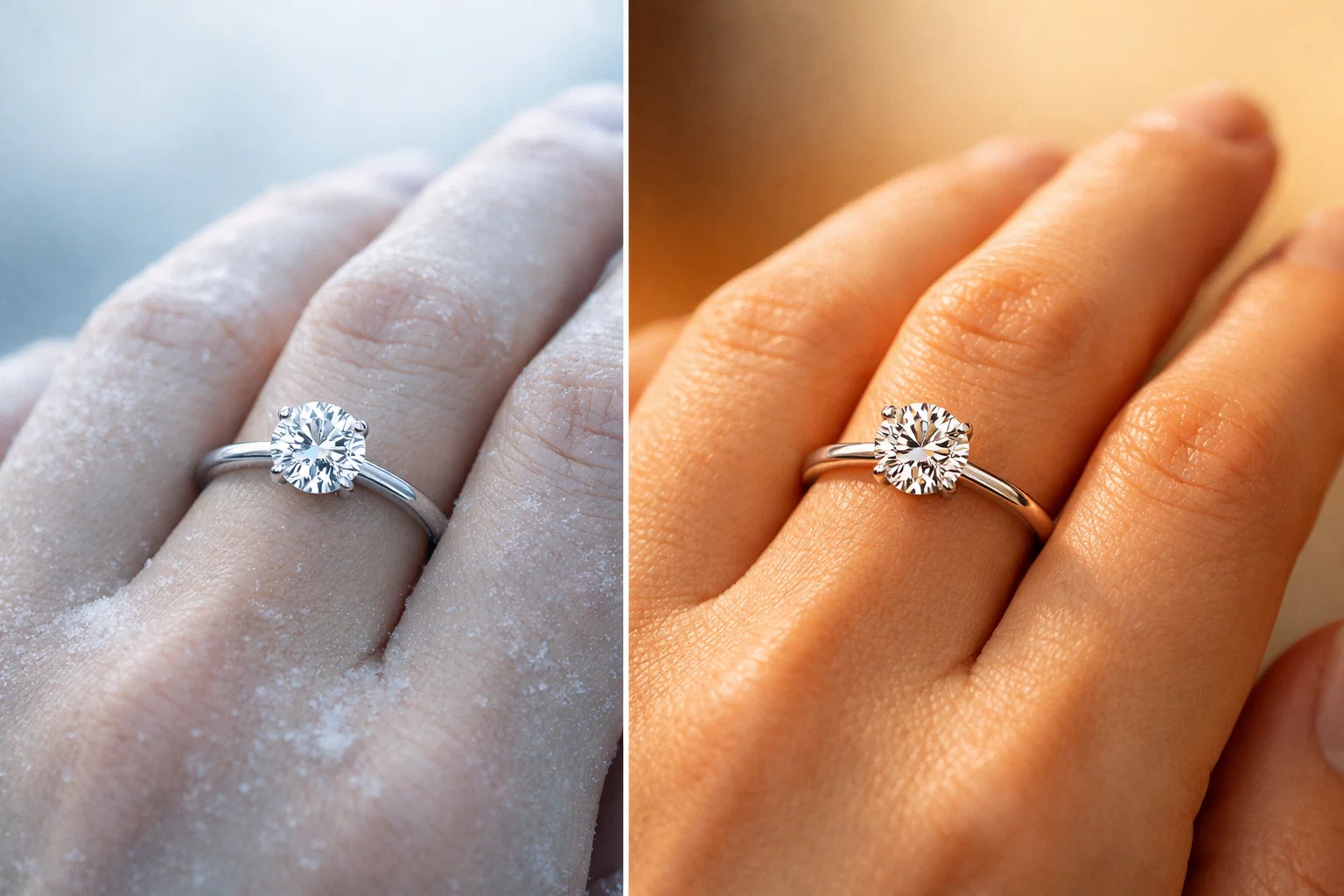
Most rings feel tighter in winter not because the ring size is wrong, but because cold weather and indoor heating cause temporary changes in blood circulation and finger volume.
During winter, your body constantly shifts between cold outdoor air and warm indoor environments. These temperature swings affect how blood flows to your hands, how much fluid your fingers retain, and how soft or firm the surrounding tissue feels. The result is a ring that may feel perfectly fine at one moment—and noticeably tight the next.
This seasonal tightness is extremely common and, in most cases, not a sizing problem at all. However, many people assume their ring suddenly “no longer fits” and rush to resize it, only to regret that decision when warmer weather returns.
This article explains the real physiological reasons behind winter ring tightness, how to tell the difference between temporary swelling and a true sizing issue, and what you should do before making any permanent changes—especially for engagement rings worn daily.
II. How Cold Weather Actually Changes Your Fingers
To understand why rings feel tighter in winter, it helps to look at how your body responds to temperature changes—particularly your blood vessels and soft tissue.
Cold Temperatures Reduce Blood Flow to the Fingers
When you’re exposed to cold weather, your body prioritizes keeping vital organs warm. Blood vessels in the hands constrict, reducing circulation to the fingers. This can make fingers feel slightly smaller, stiffer, or less flexible outdoors.
At this stage, a ring may actually feel looser or easier to remove.
Indoor Heating Causes Rebound Swelling
The opposite happens once you move indoors. Warm air from heating systems causes blood vessels to expand again, increasing circulation to the fingers. This sudden shift can lead to mild, temporary swelling—even if you don’t visibly notice it.
That rebound swelling is often what makes a ring feel tight, snug, or uncomfortable indoors during winter.
Why This Happens Repeatedly Throughout the Day
In winter, these temperature transitions happen multiple times a day:
- cold mornings
- heated offices or homes
- brief outdoor exposure
- warm indoor evenings
Each transition causes subtle changes in finger size. That’s why a ring may feel fine in the morning, tight in the afternoon, and comfortable again later at night. This fluctuation is normal physiology, not a sign that your ring size has permanently changed.
III. Common Myths About Winter Ring Tightness
When people search “why does my ring feel tight in winter”, they often run into misleading advice. Let’s clear up the most common myths—because misunderstanding winter ring tightness leads to unnecessary resizing.
Myth 1: “If My Ring Feels Tight, My Ring Size Has Changed”
In reality, temporary winter finger swelling is far more common than permanent size changes.
A true ring size change usually happens gradually and is linked to factors such as long-term weight change, hormonal shifts, or medical conditions—not seasonal temperature changes.
If your ring feels tight in winter but fits comfortably in other seasons, the size is likely still correct.
Myth 2: “A Tight Ring Automatically Means It’s Too Small”
This is one of the most common misinterpretations.
A ring can feel tight even when the size is technically accurate because:
- fingers swell slightly in warm indoor environments
- skin elasticity decreases in cold, dry weather
- circulation fluctuates throughout the day
This creates a situation where the ring feels tight, but the size is correct—especially indoors during winter.
Myth 3: “Winter Is the Best Time to Resize a Ring”
Winter is actually the worst time to make permanent sizing decisions.
Because finger size fluctuates more dramatically in cold months, resizing during winter often leads to rings becoming loose or spinning once temperatures rise again.
Professional jewelers typically recommend waiting until spring or early fall, when finger size is more stable, before adjusting ring size.
IV. When Ring Tightness Is NOT a Sizing Problem
In most cases, winter ring tightness is temporary. The following signs strongly suggest that resizing is not necessary.
1. The Ring Fits Comfortably at Other Times of Day
If your ring feels tight in the afternoon but comfortable in the morning or late evening, this points to daily circulation changes, not a size issue.
This pattern is a classic sign of winter-related swelling rather than an incorrect ring size.
2. The Ring Fit Well in Warmer Seasons
If your ring fit normally during summer or fall and only began feeling tight during colder months, the issue is almost always seasonal.
A correctly sized ring does not suddenly become too small without a clear, long-term change in finger size.
3. Tightness Changes Between Indoor and Outdoor Environments
Many people notice that their ring feels tighter indoors under heating and looser outside in cold air.
This indoor–outdoor contrast is a strong indicator that temperature—not sizing—is the cause.
4. There Is Pressure, but No Pain or Discoloration
Mild pressure or snugness is common in winter.
However, if there is no numbness, pain, color change, or prolonged swelling, the tightness is typically harmless and temporary.
5. The Ring Can Still Be Removed Safely
If the ring can be removed with gentle movement when your hands are cool, resizing is usually unnecessary.
Difficulty only during warm indoor conditions is a hallmark of winter ring tightness, not a sizing error.
V. When Ring Tightness May Indicate a Real Problem
While most cases of winter ring tightness are temporary, there are situations where tightness should not be ignored. Think of these as medical-style “warning signs” rather than automatic conclusions.
1. Swelling Does Not Subside in Cooler Conditions
If your fingers remain swollen even when your hands are cool, relaxed, and not exposed to indoor heating, the issue may not be seasonal.
Persistent swelling can be related to:
- circulation issues
- fluid retention
- inflammation
- underlying health conditions
In this case, resizing the ring is still not the first step—addressing the cause of swelling comes first.
2. Pain, Numbness, or Tingling Occurs
A ring that simply feels snug is different from one that causes discomfort.
If you notice:
- numbness
- tingling
- throbbing
- loss of sensation
this suggests restricted blood flow, not just winter finger swelling. Rings should never cause pain, regardless of season.
3. Skin Color Changes Around the Ring
Redness that fades quickly is common in winter.
However, persistent discoloration, such as deep redness, purple tones, or whitening of the finger, can indicate excessive pressure.
This is a situation where the ring should be removed and evaluated.
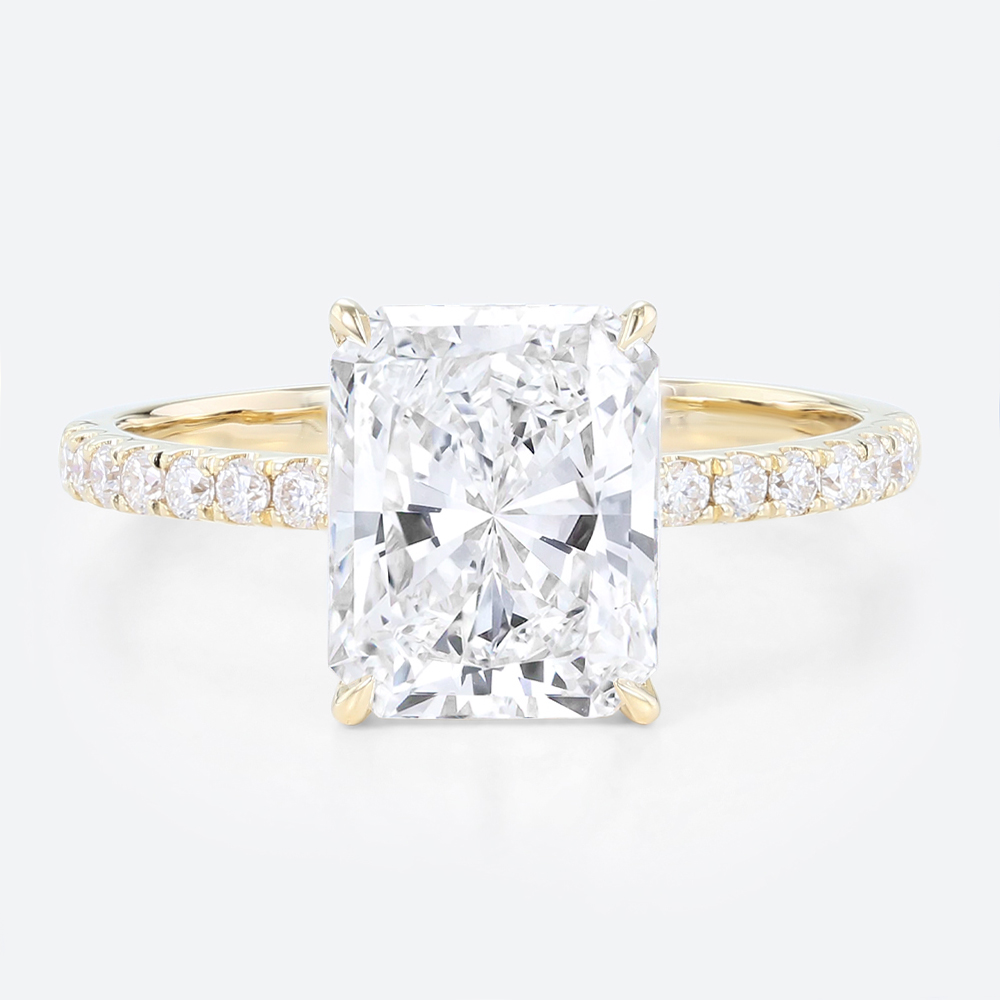
4. The Ring Cannot Be Removed Even When Hands Are Cool
If your ring feels tight in winter but can still be removed when your hands are cool, it is usually not a sizing problem.
If the ring cannot be removed at all, even after cooling the hands, elevation, or lubrication, that is no longer a seasonal issue and requires immediate attention.
5. Tightness Appears Suddenly Without Seasonal Change
If your ring suddenly feels tight without any change in weather, routine, or environment, this may indicate:
- weight changes
- hormonal changes
- medical factors
Winter alone should not cause abrupt, constant tightness without fluctuation.
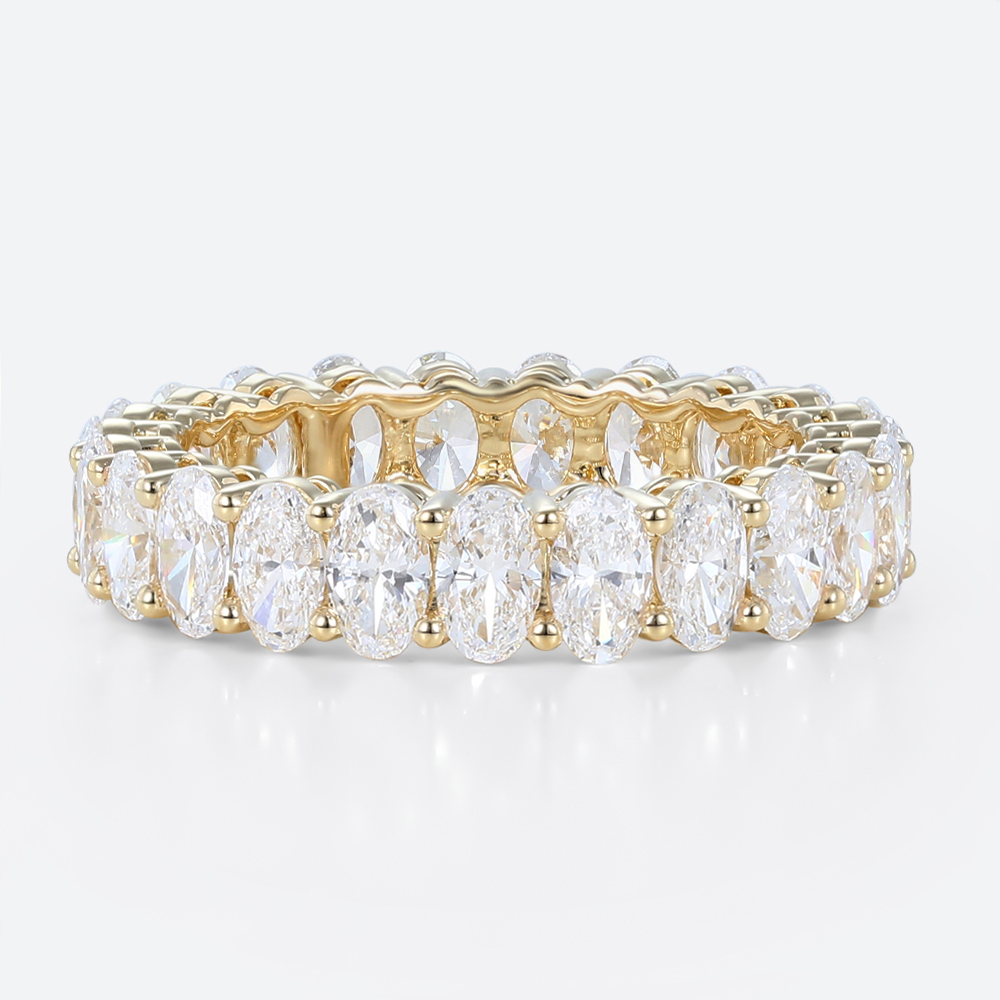
VI. Engagement Rings: The Most Commonly Misdiagnosed Winter Ring Issue
Engagement rings are disproportionately affected by winter ring tightness—not because they are poorly sized, but because of how they are worn and perceived.
1. Emotional Awareness After Engagement
After receiving an engagement ring, people naturally become more aware of how it feels.
Small sensations—pressure, warmth, snugness—are noticed more than before.
This heightened awareness often leads to the assumption that something is “wrong,” when in fact the body is simply responding to winter conditions.
2. Engagement Rings Are Worn Constantly
Unlike fashion rings, engagement rings are often worn:
- all day
- indoors and outdoors
- during sleep
- during handwashing
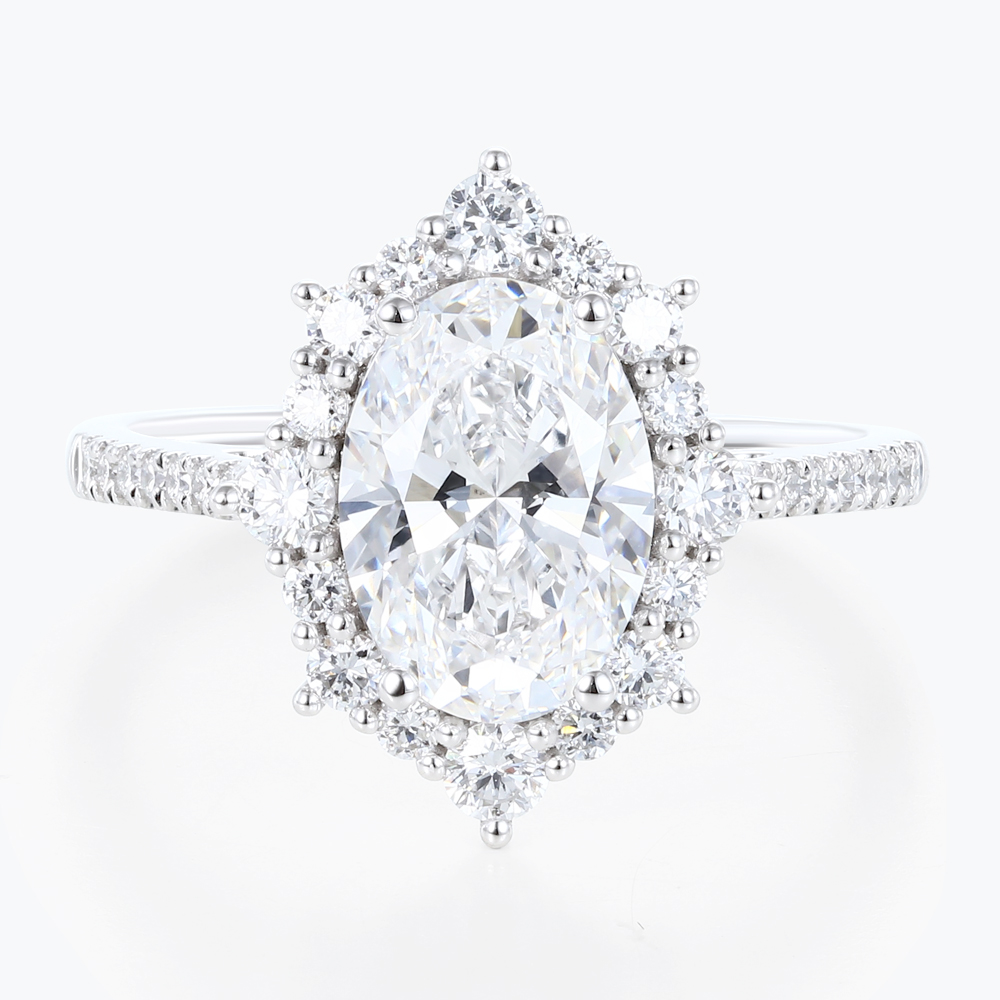
This constant wear makes winter-related swelling more noticeable, especially in heated indoor environments.
3. Thin Bands Feel Tighter During Winter Swelling
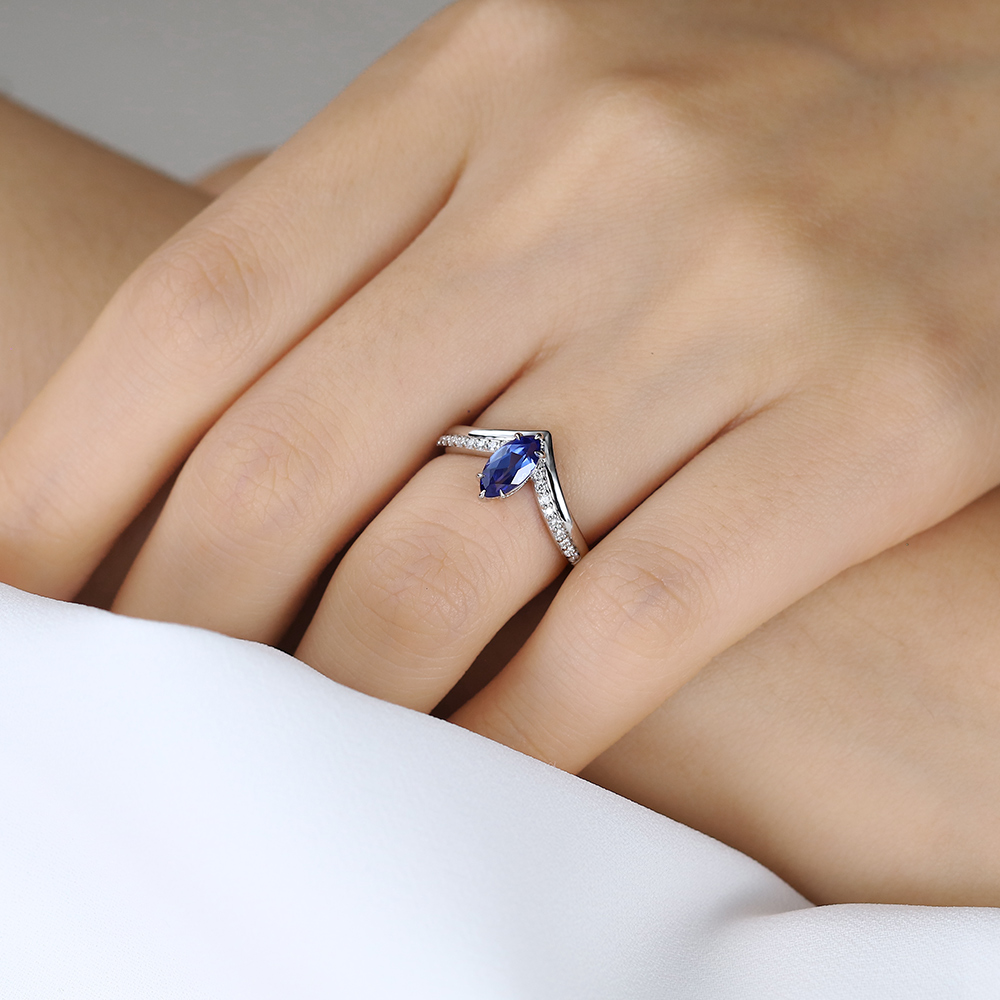
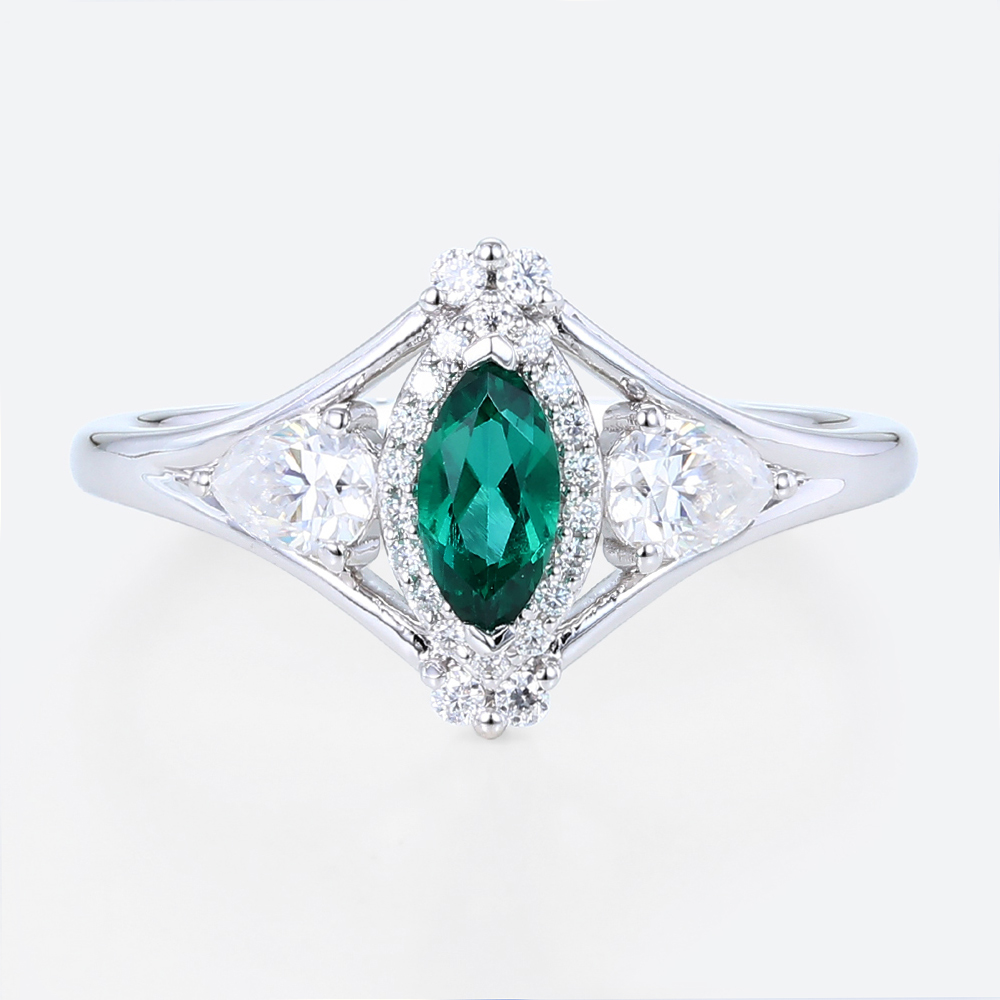
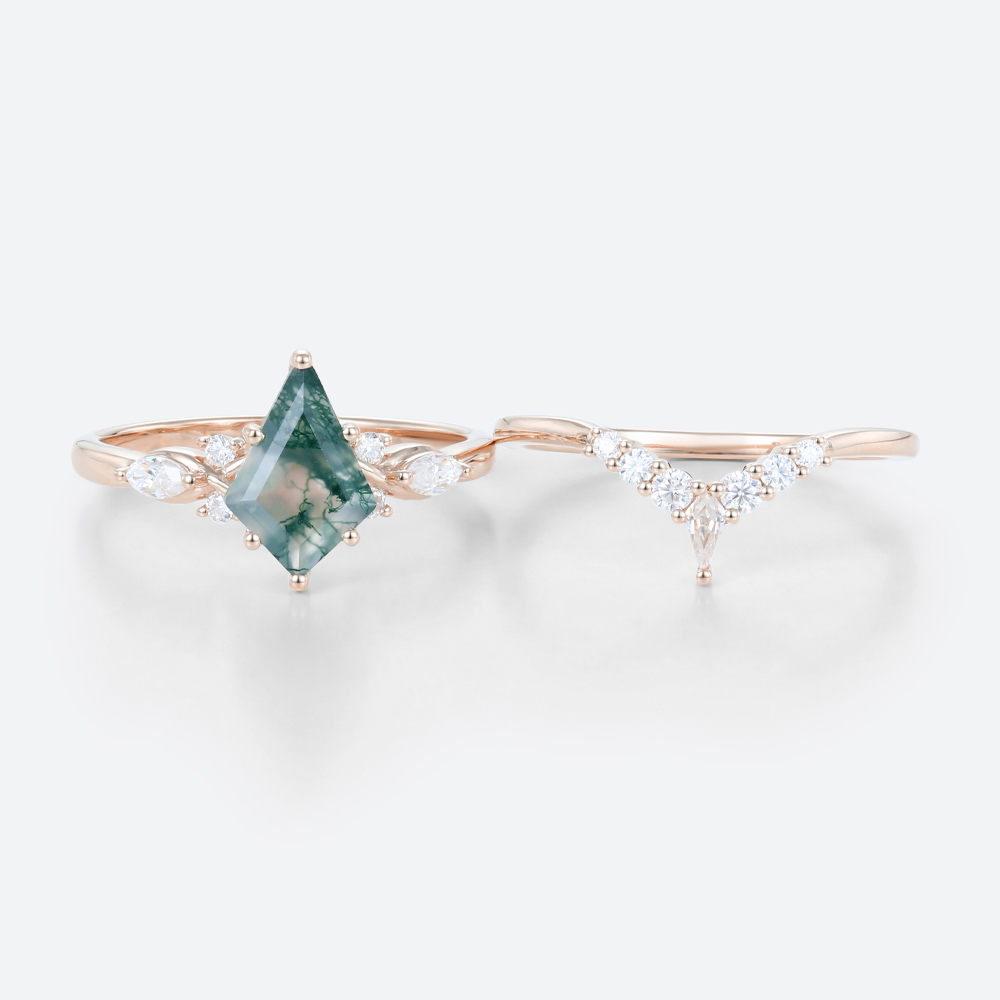
Many engagement rings feature thinner bands or delicate settings.
While visually elegant, thinner bands create a stronger sensation of tightness when fingers swell—even if the ring size is correct.
This leads many wearers to believe their engagement ring no longer fits, when in reality the fit has not changed.
4. Seasonal Fit Changes Are Often Misread as Permanent Problems
Because engagement rings carry emotional weight, wearers are more likely to interpret winter discomfort as a serious issue.
In reality, winter ring tightness is one of the most common misdiagnoses in engagement jewelry, and resizing during this period often creates long-term fit problems later.
VII. What to Do Instead of Resizing Your Ring Immediately
If your ring feels tighter in winter, resizing should be the last step—not the first. In most cases, observation and small adjustments are safer and more effective.
1. Observe the Pattern for 2–4 Weeks
Track when tightness occurs:
- morning vs afternoon vs evening
- indoors vs outdoors
- after exercise, showers, or long periods in heated rooms
If the tightness fluctuates, it strongly suggests winter finger swelling, not a sizing issue.
2. Cool Your Hands Before Removing the Ring
When a ring feels tight indoors:
- rinse hands with cool (not icy) water for 10–20 seconds
- elevate the hand briefly above heart level
- gently rotate the ring off
Avoid twisting or forcing the ring, which can stress the metal and setting.
3. Avoid Frequent On-and-Off Wear
Repeated removal during winter increases the risk of:
- bending thin bands
- loosening prongs
- accidental drops
If the ring is safe and comfortable, it’s often better to leave it on and manage swelling instead.
4. Delay Resizing Until a Stable Season
If resizing is eventually needed, jewelers typically recommend waiting until:
- late spring or early fall
Finger size is more stable during these seasons, reducing the risk of over- or under-sizing.
VIII. Winter Ring-Wearing Best Practices
These habits help minimize winter ring tightness and protect your jewelry long-term.
1. Remove Rings Before Applying Hand Cream or Lotion
Lotions increase friction and make rings harder to remove when fingers swell.
2. Avoid Sleeping with Rings in Heated Rooms
Hands often swell overnight in warm, dry environments, increasing morning tightness.
3. Stay Hydrated
Dehydration can worsen fluid retention and swelling.
Proper hydration helps stabilize finger size.
4. Be Mindful of Indoor Heat Exposure
- Direct heat from vents or heaters can intensify swelling.
- Small changes—like moving away from heat sources—can make a noticeable difference.
5. Schedule a Professional Check After Winter
If your ring feels borderline tight all season, have it evaluated after winter ends.
This ensures any adjustment reflects your true, stable finger size.

Final Takeaway — Winter Ring Tightness Is Usually Temporary, Not a Size Problem
In most cases, rings feel tighter in winter because your body is responding to temperature changes—not because your ring size is wrong. Cold weather, indoor heating, and circulation shifts cause temporary finger swelling that comes and goes throughout the day.
Resizing too quickly during winter often creates new problems once warmer weather returns. The smarter approach is to observe patterns, manage swelling, and wait for a stable season before making permanent changes.
Understanding the difference between temporary winter ring tightness and a true sizing issue protects both your comfort and your jewelry. Brands known for everyday-friendly designs, such as LisaJewelryUS, often advise seasonal observation first—because long-term fit matters more than short-term discomfort.