



































 Moss Agate
 Moissanite
 Salt & Pepper Diamond
 Opal
Opal
 Moonstone
 Ruby
Ruby Morganite
 Black Rutilated Quartz
 Black Onyx
 Sapphire
 Green Blue Sapphire
 Green Sapphire
  White Sapphire
  Pink Sapphire
  Amethyst
  Aquamarine
  Blue Topaz
  Blue Sandstone
 Tanzanite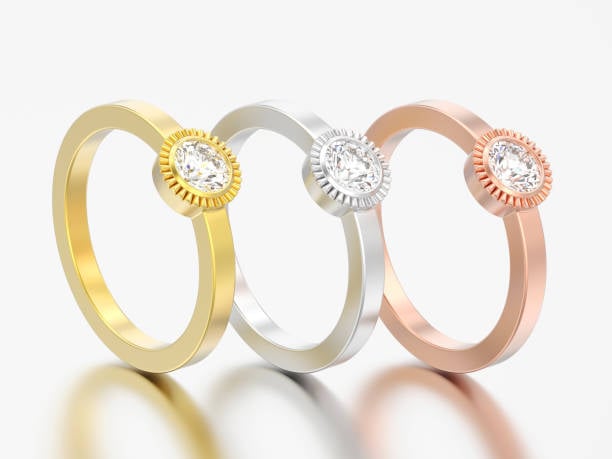
I. Introduction
When choosing an engagement ring, security is often just as important as style. After all, your ring is not only a symbol of commitment but also a treasured heirloom you’ll wear every day. Among the many setting styles available, the bezel set engagement ring has earned a reputation for offering unparalleled protection to its center stone. By encasing the gem’s girdle in metal, a bezel setting minimizes the risk of chips, loosening, or loss—making it an excellent choice for active lifestyles and daily wear.
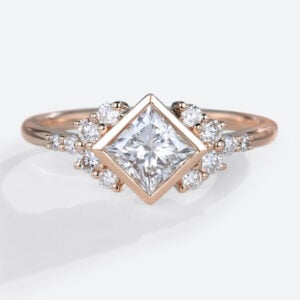
Whether you’re hiking, cooking, or simply going about your routine, a bezel’s smooth profile hugs the finger and resists snagging. Moreover, for those who love the crisp lines of a princess cut diamond, bezel set engagement rings princess cut designs marry contemporary aesthetics with rock-solid security. In this article, we’ll explore what makes a bezel setting unique, discuss its variations, and explain why it stands out among other popular mounting styles.
Definition and Structure
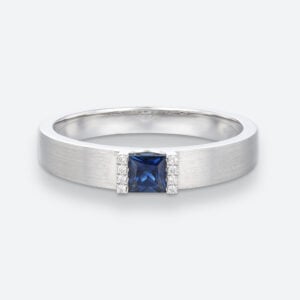
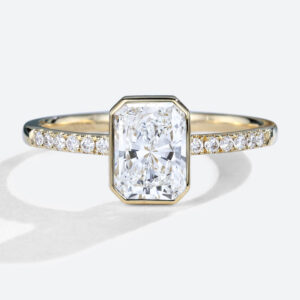
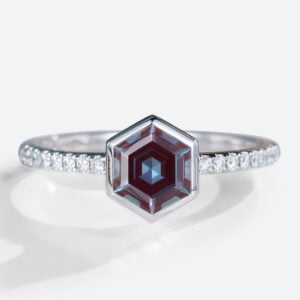
A bezel setting is characterized by a thin band of metal—known as the bezel—that wraps around the perimeter of the gemstone, holding it firmly in place. Unlike prong settings, which use small claws to grip the stone at discrete points, a bezel setting forms a continuous rim that supports the gem’s entire circumference. This full embrace not only shields the edges of the stone from impact but also creates a sleek, modern look that subtly emphasizes the gem’s shape.
Full Bezel vs. Partial Bezel
There are two primary styles of bezel settings:
- Full Bezel (Full-Bezel): The metal completely encircles the gemstone, offering maximum protection. This style is ideal for those seeking a robust, low-profile ring that stands up to rigorous daily wear.
- Partial Bezel (Half-Bezel): The metal covers only a portion of the stone’s edge—typically the top and sides—while leaving the pavilion more exposed. A half-bezel setting balances protection with light performance, allowing more brilliance to shine through without sacrificing much security.
By understanding these variations, you can better assess how a bezel set engagement ring will perform under the demands of everyday life, especially when paired with angular cuts like the princess cut that benefit from reinforced corners.
III. Key Factors in Ring Security
When evaluating how secure any engagement ring will be, three main elements come into play: the setting design, the material quality, and the wear-and-care practices. Understanding these factors helps explain why a bezel set engagement ring often outperforms other styles in durability.
Setting Design and Gemstone Retention
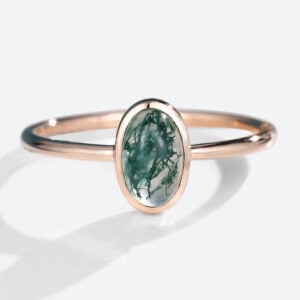
The continuous rim of metal in a bezel setting grips the gemstone’s girdle around its entire circumference, creating uniform pressure that minimizes movement. This full-contact design reduces the risk of the stone loosening over time—a common concern in prong settings. In fact, jewelers often recommend a bezel set engagement ring for those seeking maximum peace of mind, since there are no exposed claws to bend or break during everyday activities.
Material Quality and Craftsmanship
A secure ring depends on both the metal alloy’s hardness and the setter’s precision. Platinum and 18K gold alloys resist deformation, ensuring the bezel remains tight against the stone. High-quality craftsmanship—with exact bezel thickness matching the gemstone’s profile—prevents gaps that could invite dirt or compromise security. When shopping for a bezel set engagement ring, look for detailed images or in-person inspections confirming the bezel sits flush and evenly around the gem.
Daily Wear and Maintenance
Even the sturdiest setting benefits from proper care. Regularly inspect your ring for signs of wear, such as slight bezel lifting or scratches on the metal lip. Cleaning with a soft brush and mild solution helps preserve both sparkle and security by removing debris that can wedge under the bezel. For ultimate confidence, schedule a professional check-up annually. These simple habits ensure your bezel set engagement ring remains as secure as the day you said “yes.”
IV. Bezel Set vs. Other Engagement Ring Settings
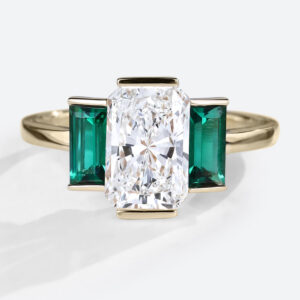
Comparing mounting styles highlights the unique advantages of a bezel set engagement ring in safeguarding precious stones. Below is an overview of how bezel settings stack up against popular alternatives.
Prong Setting
- Security: Prong settings use small claws to grip a gemstone at discrete points—typically four or six. While this opens up more light and maximizes brilliance, each prong is a potential weak spot if bent or worn. A bezel set engagement ring eliminates this risk by replacing individual prongs with a continuous metal wall.
- Maintenance: Over time, prongs may require tightening or repair; bezels, by contrast, rarely need adjustment once properly set.
Channel Setting
- Security: Channel settings lock smaller side stones between two metal walls but still rely on prongs or beads for the center gem in many bridal styles. A full-bezel center delivers uninterrupted protection, making a bezel set engagement ring superior when you want a fully enclosed center stone.
- Visual Impact: Channels create a smooth line of sparkle, but bezels emphasize the solitaire by giving the center stone a distinct frame.
Tension Setting
- Security: Tension mounts clamp the gemstone between two metal ends, creating a floating illusion. Although tension settings are engineered to hold stones tightly, they depend on metal spring strength and can be vulnerable to extreme shocks or temperature changes. In contrast, the all-around embrace of a bezel set engagement ring offers mechanical security that remains constant under varied conditions.
- Aesthetics: Tension settings are modern and airy, but bezels deliver a timeless, unbroken profile that studios and wearers trust for longevity.
By weighing these comparisons, it becomes clear that a bezel-mounted design excels in physical protection, making the bezel set engagement ring an ideal choice for those prioritizing ring security without sacrificing style.
V. Advantages of a Bezel Set Engagement Ring
A bezel set engagement ring offers several compelling benefits that extend far beyond mere aesthetics. By fully—or partially—encasing the gemstone in metal, this setting delivers:
- Superior Protection: The continuous metal lip guards the stone’s girdle and corners against chipping, scraping, or loosening. This makes a bezel particularly well suited to daily wear and active lifestyles.
- Low Profile and Snag Resistance: With no exposed claws, a bezel setting hugs the finger closely, reducing the chance of catching on clothing, gloves, or gear. This streamlined silhouette not only enhances comfort but also preserves the ring’s integrity over time.
- Versatility Across Cuts: While round brilliants benefit from the smooth lines of a bezel, angular shapes like princess cuts shine when given a sturdy frame. In fact, you’ll often see bezel set engagement rings princess cut designs that combine the cut’s crisp geometry with maximum corner reinforcement.
- Modern, Clean Aesthetic: The bezel’s uninterrupted metal edge provides a sleek, contemporary look. Whether polished to a mirror finish or given a subtle texture, the bezel complements both minimalist solitaires and intricate halo or side-stone arrangements.
For those prioritizing both style and substance, the bezel set engagement ring stands out as a choice that blends durability with design flexibility.
V. Potential Drawbacks to Consider
- Reduced Light Entry: Full bezels can block some side light, slightly muting a diamond’s maximum brilliance compared to open prong mounts. If sparkle is your top priority, a half-bezel or thinner bezel profile can help restore extra fire.
- Perceived Gem Size: The metal rim can visually “shrink” the apparent size of the stone. To counteract this effect, many couples choose a bezel that follows the gemstone’s shape exactly, minimizing the metal border’s width.
- Limitations on Fancy Cuts: While round, oval, and princess cuts pair beautifully with bezels, extremely elongated or asymmetrical stones (e.g., marquise or pear) require highly customized bezel work to avoid uneven metal thickness. Always consult with a master setter when working with unique shapes.
By weighing these considerations alongside your lifestyle needs, you can determine whether a bezel’s protective benefits outweigh its minor impact on brilliance and perceived size.
VII. Caring for Your Bezel Set Engagement Ring
Even the most secure setting thrives with attentive care. Follow these best practices to keep your bezel looking flawless:
- Routine Cleaning: Soak your ring in warm, soapy water and gently brush the metal rim with a soft-bristled toothbrush to clear away oils and debris that can accumulate beneath the bezel.
- Regular Inspections: Every few months, hold your ring up to a light source and look for any gaps between the bezel and the stone. A slight lift or uneven edge signals it’s time for professional tightening.
- Avoid Harsh Chemicals: Chlorine and bleach can weaken gold alloys and damage certain platinum finishes. Remove your bezel set engagement ring when swimming, cleaning, or using solvents.
- Professional Maintenance: Schedule an annual check with a reputable jeweler. They can polish scratches, re-seat the bezel if needed, and verify that the metal thickness remains adequate for ongoing protection.
With these simple steps, your bezel set engagement ring will maintain its secure embrace and enduring sparkle for generations.
Conclusion
When security is paramount—whether you lead an active lifestyle, love crisp princess cuts, or simply cherish peace of mind—a bezel set engagement ring delivers unmatched protection without sacrificing elegance. From the robust defense of a full bezel to the balanced brilliance of a half-bezel, this setting adapts to a wide range of cuts and personal preferences.
Ready to explore our curated selection? Visit LisaJewelryUS to discover how our master artisans combine expert craftsmanship with your choice of premium metals and gemstones. With a bezel-set design, you’ll wear your love story boldly and securely—today, tomorrow, and for all the years to come.


