I. A Defining Shift in the Lab Grown Diamond Market
Not long ago, lab grown diamonds were often described as an alternative option — innovative, more affordable, but still secondary to natural diamonds. That perception has shifted significantly.
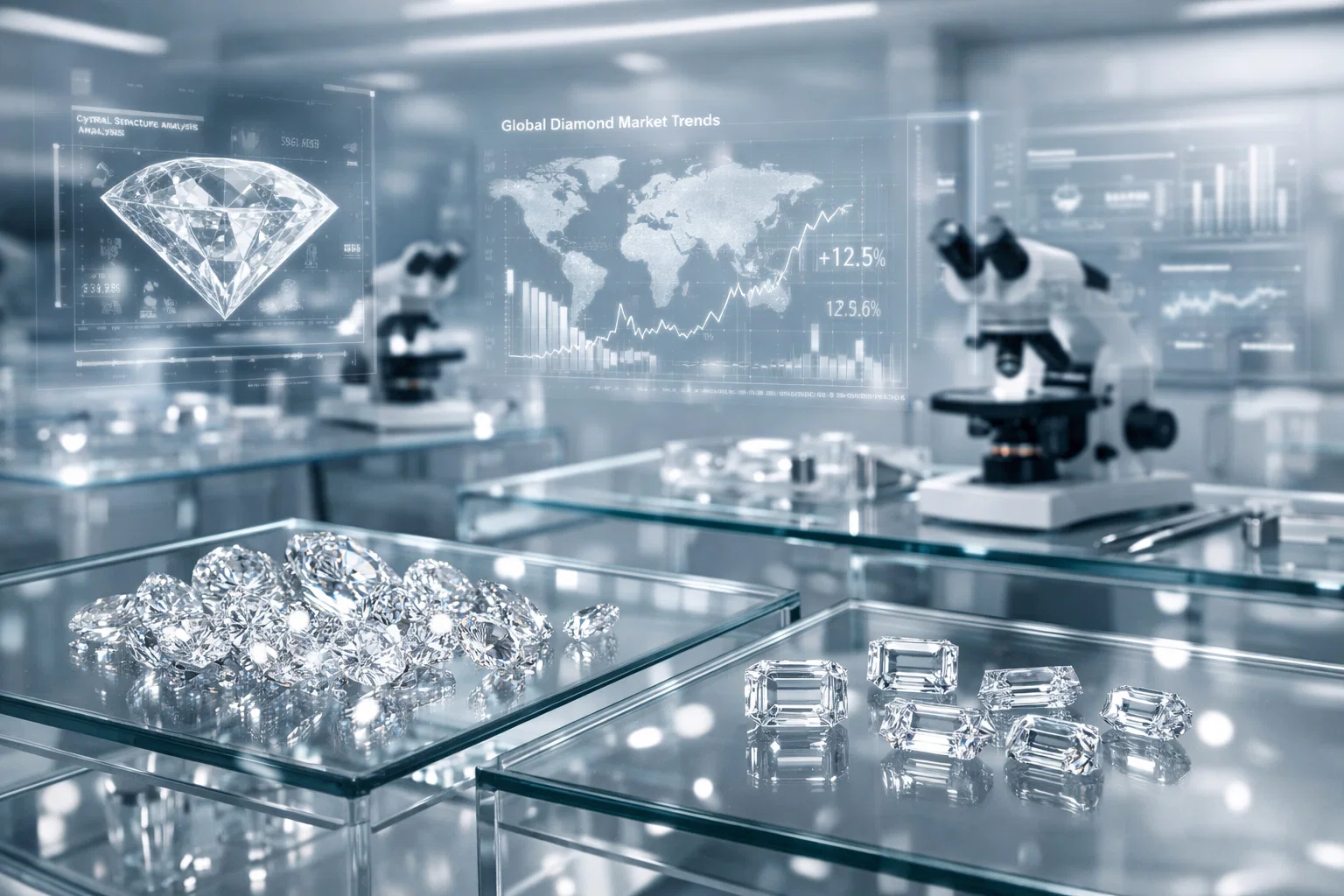
Today, lab diamond market trends are influencing the entire jewelry industry. From diamond prices to manufacturing method improvements, laboratory grown diamonds are no longer operating at the margins of the global market. They are becoming central to it.
Across North America and increasingly throughout Asia Pacific and Europe, consumer demand for lab diamonds continues rising. What began as a niche segment has evolved into a structured and competitive lab grown diamond market with expanding production, standardized quality laboratory grown diamonds, and broader retail adoption.
Several driving factors explain this momentum:
Advances in diamond technology and scalable diamond production
Greater transparency across the lab grown diamonds industry
Increased participation from established jewelry brands
Consumer interest in affordability and traceability
Importantly, the discussion today is no longer framed strictly as lab grown versus mined diamonds. Instead, the focus has shifted toward access, design flexibility, and how manufactured diamonds fit into modern purchasing priorities.
Understanding current lab diamond market trends helps clarify how the global jewelry market is evolving — and why lab diamonds are now considered a structural part of that transformation.
II. The Rapid Growth of the Lab Grown Diamonds Industry
Market Expansion Across the Global Market
One of the most visible lab diamond market trends is steady market expansion.
The lab-grown diamond market has moved beyond early adoption stages and entered mainstream retail channels. In the United States, laboratory-grown diamonds have secured strong positions in engagement rings and everyday diamond jewelry. Meanwhile, Asia Pacific continues to grow as both a production hub and consumer market.
The global lab grown diamonds industry is benefiting from improved manufacturing method consistency and more efficient diamond production processes. As production scales, quality laboratory grown diamonds are becoming more standardized, which strengthens buyer confidence.
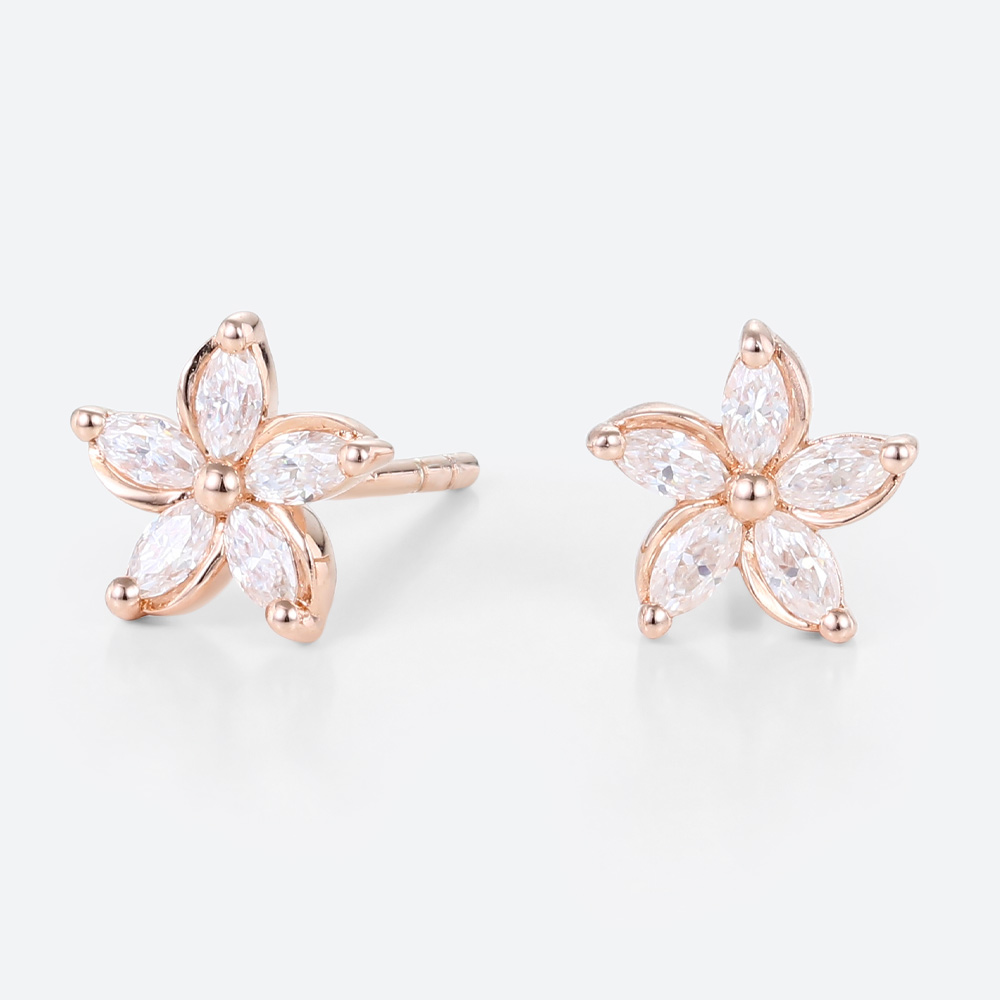
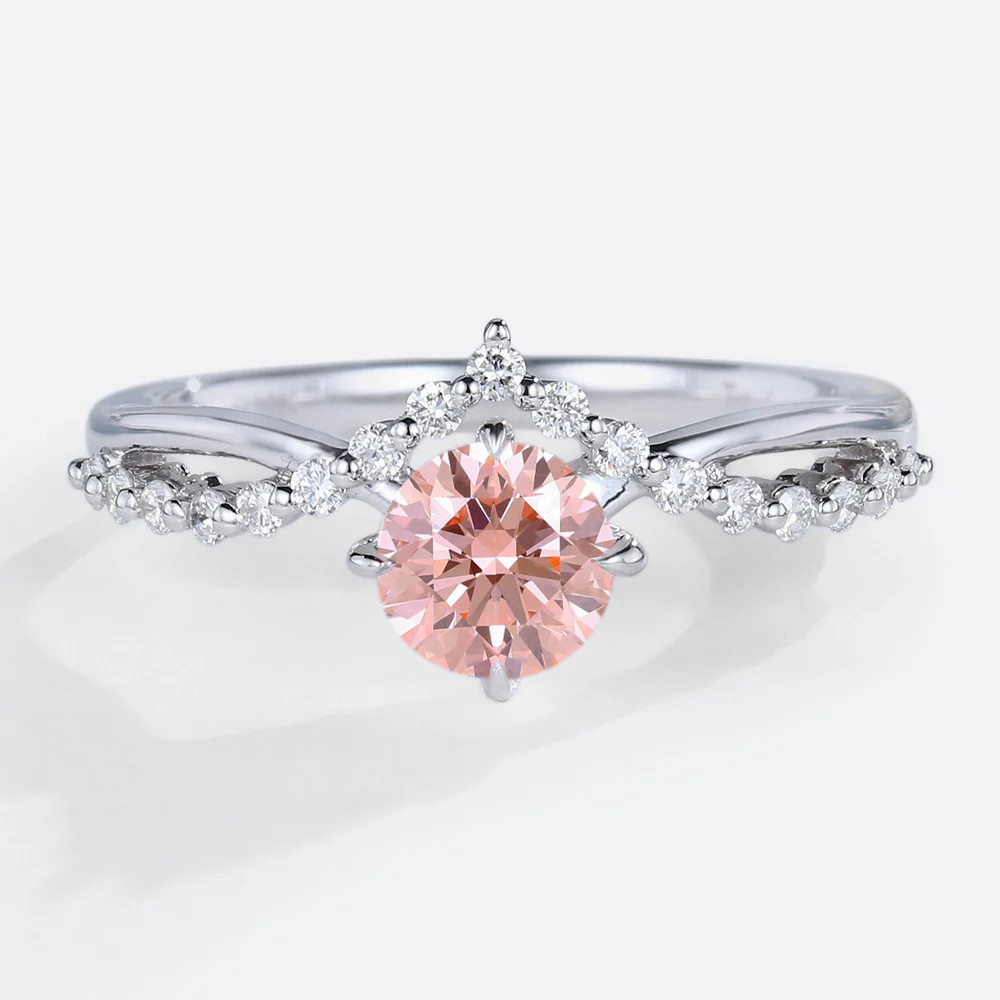
This expansion is not limited to white stones. Colored lab grown diamonds, including lab grown pink diamonds, are increasingly present in the jewelry market, further diversifying product offerings.
Global market expansion reflects a broader acceptance of lab grown stones as legitimate fine jewelry rather than temporary substitutes.
Diamond Prices and Market Adjustment
Another central component of lab diamond market trends involves diamond prices.
Unlike natural diamonds, which rely on mined diamonds supply constraints, laboratory grown diamonds operate within a controlled manufacturing model. As technology advances and production efficiency improves, lab grown diamond prices have gradually adjusted.
This price movement does not signal instability. Instead, it reflects increasing manufacturing efficiency and competition within the lab grown diamond market.
Lower lab diamond prices have influenced consumer behavior in several ways:
Buyers choose larger center stones
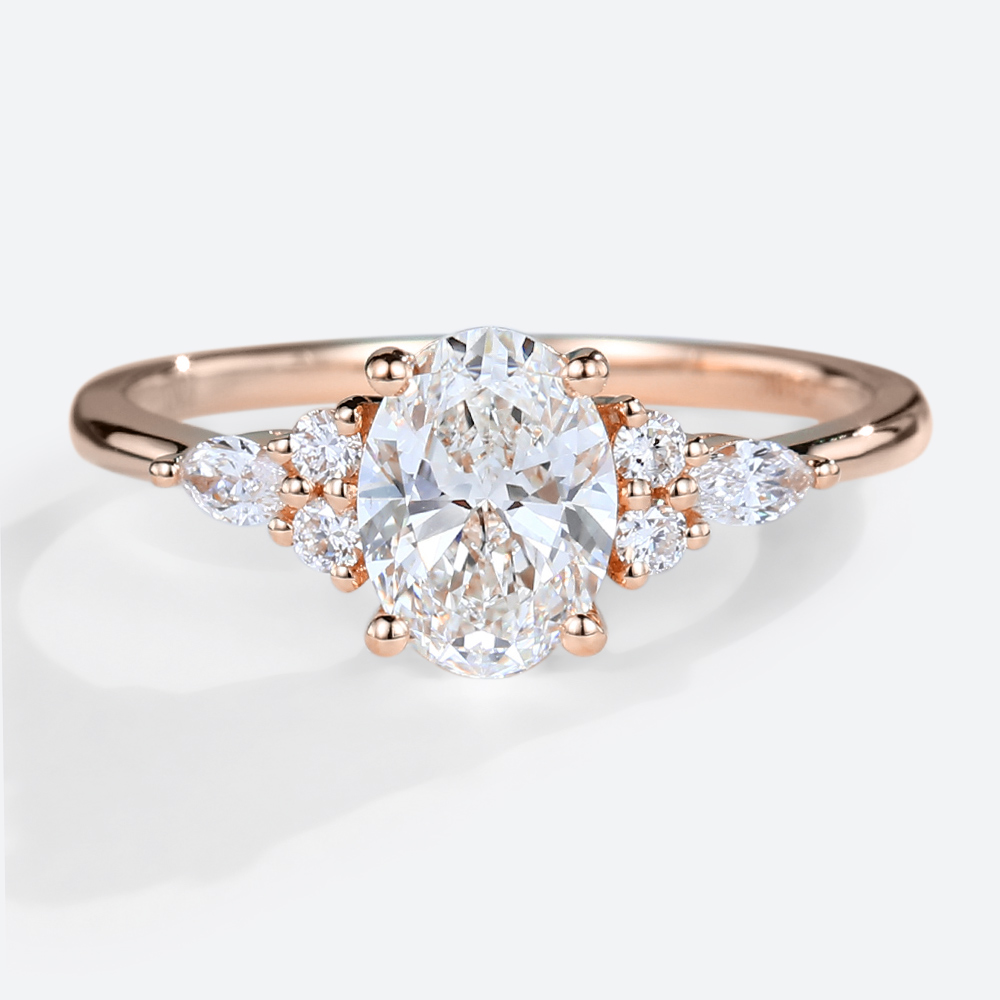
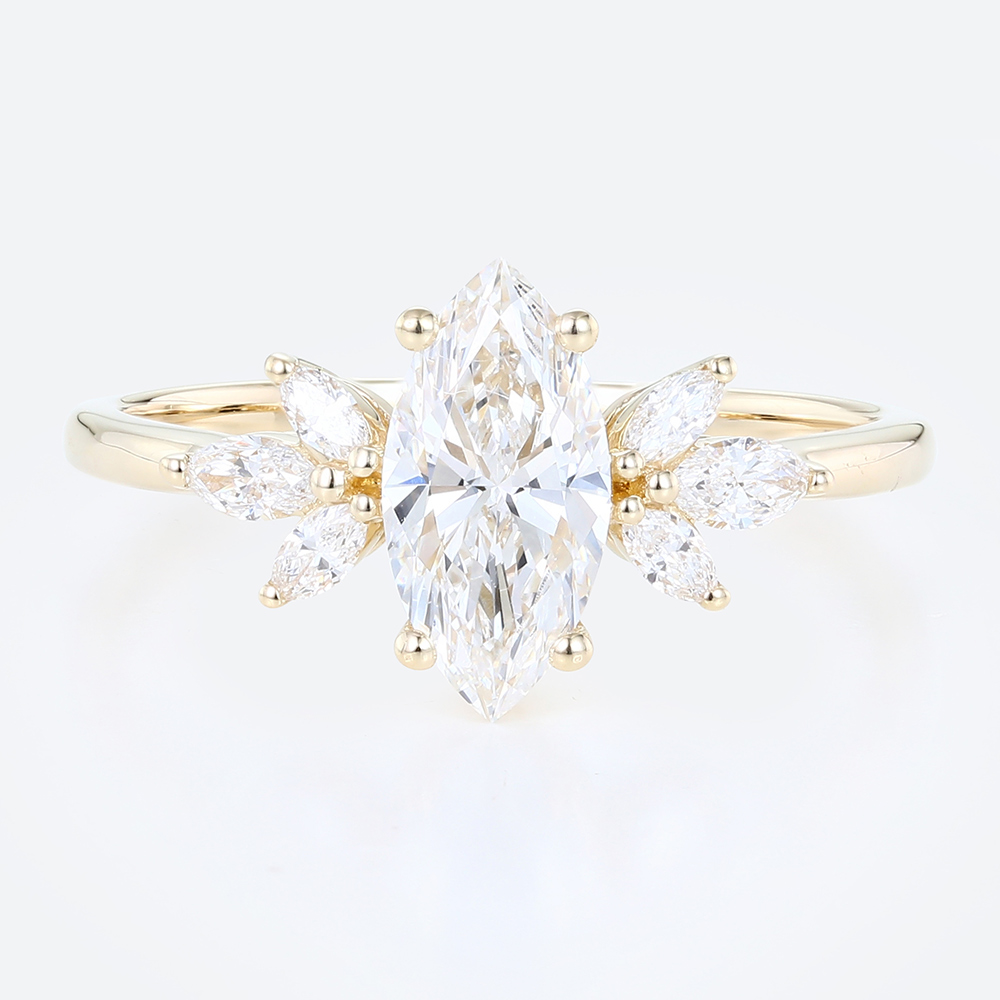
Engagement rings feature more elongated shapes
Custom jewelry demand continues rising
At the same time, natural diamond prices remain influenced by mining output, global market conditions, and supply chain factors.
It is also important to clarify positioning. Lab grown diamonds are generally not marketed as investment assets. Consumers purchasing synthetic diamonds or artificial diamonds typically prioritize design value, affordability, and ethical considerations over resale expectations.
This shift in buyer mindset is one of the most defining lab diamond market trends shaping the modern jewelry industry.
III. Consumer Behavior and Rising Demand
Beyond pricing and production efficiency, one of the strongest lab diamond market trends is the shift in consumer mindset.
Growing awareness around transparency and sourcing has influenced purchasing decisions across the jewelry market. Younger buyers in particular are more research-driven and more likely to compare lab grown diamonds with natural stones before making a decision.
This rising demand is not only about cost savings. It reflects broader changes in values within the fashion world and the luxury fashion segment. Buyers increasingly ask questions about origin, environmental concerns, and manufacturing methods.
Laboratory grown diamonds — sometimes referred to as man made diamonds — are often perceived as offering clearer traceability. While debates around sustainability continue, perception plays a powerful role in shaping market growth.
In markets such as the United States and parts of the Asia Pacific region, growing awareness has helped normalize lab grown stones in engagement rings and everyday jewelry.
What once required explanation now often requires comparison.
IV. Technology and Production: The Role of CVD Diamonds
Another key driver behind lab diamond market trends is innovation in diamond production.
Modern laboratory grown diamonds are typically created using advanced methods such as CVD diamonds technology. This controlled manufacturing process allows producers to refine quality, scale output, and improve consistency.
Several major players have invested heavily in production facilities, including independent diamond foundry operations and material science companies like WD Advanced Materials. These advancements continue to strengthen the global lab grown supply chain.
At the same time, India based diamond manufacturers have become important contributors to the expanding lab grown diamonds industry, especially in polishing and large-scale production.
The result is a more competitive landscape where superior quality laboratory grown diamonds are increasingly accessible across different price levels.
V. Competitive Landscape and Industry Response
As market growth continues, traditional industry players have also adjusted their strategies.
Large mining companies, including De Beers Group, have responded to the expansion of the lab grown diamond market through initiatives such as Lightbox Jewelry Ltd, signaling recognition that laboratory grown diamonds are now part of the broader jewelry industry ecosystem.
Rather than positioning lab grown and natural diamonds as direct replacements, many brands are differentiating them by category — one emphasizing rarity and heritage, the other focusing on accessibility and innovation.
This dual-market structure has become one of the defining lab diamond market trends shaping current competition.
However, rapid expansion also introduces challenges. Quality concerns occasionally arise when new entrants prioritize price over craftsmanship. As production scales, maintaining consistency becomes critical for long-term credibility.
The brands that succeed will likely be those balancing cost efficiency with quality control.
VI. Regional Dynamics and Global Market Expansion
Geographically, the lab grown diamond market is not expanding evenly.
North America remains a key driver of retail demand, particularly in engagement rings. Meanwhile, the Asia Pacific region plays a growing role in both manufacturing and consumption. In some industry analyses, Asia Pacific dominated production growth due to established diamond cutting infrastructure and technological investment.
Global market expansion is expected to continue throughout the forecast period, although the pace of growth may stabilize as the category matures.
The jewelry market overall is adapting to this new balance between mined diamonds and manufactured diamonds. Rather than replacing natural stones entirely, lab grown diamonds are carving out a permanent segment within the broader global market.
VII. Market Outlook and Structural Shifts
Looking ahead, most analysts agree that lab diamond market trends point toward normalization rather than disruption.
Key expectations include:
Continued market growth with moderated price adjustments
Stronger branding differentiation
Improved consumer education to address quality concerns
Greater integration into both the bridal and fashion segment
As transparency improves and technology advances, lab grown diamonds are likely to remain embedded in the jewelry industry structure.
The conversation is no longer centered on whether lab diamonds will remain relevant. Instead, it focuses on how the global market will balance natural stones, mined diamonds, and laboratory grown alternatives.
Conclusion
The evolution of lab diamond market trends reflects broader shifts within the jewelry industry — from sourcing transparency to design accessibility.
Lab grown diamonds have moved beyond novelty status. Advances in CVD diamonds production, expanding global supply chains, and growing awareness among buyers have established them as a permanent category within the global jewelry market.
While natural stones continue to hold emotional and historical significance, man made diamonds offer flexibility that aligns with modern purchasing behavior.
Ultimately, the future of the diamond market will not be defined solely by origin, but by how effectively brands respond to changing consumer expectations, production innovation, and long-term market growth.
The industry is no longer divided into traditional and alternative. It is evolving into a diversified ecosystem where multiple diamond categories coexist — each shaped by distinct lab diamond market trends.