


















I. Why Millennials Are Leaning Into Vintage-Inspired Designs
Across fashion and fine jewelry, Millennials are gravitating toward pieces that feel personal, enduring, and intentionally made. Vintage-inspired designs speak to that mindset: they carry the romance of history without the fragility or sizing constraints of true antiques. Instead of chasing seasonal trends, many shoppers are choosing rings and necklaces they can imagine wearing for decades—and eventually passing on.
Three forces make vintage-inspired jewelry especially compelling:
- A desire for meaning: Decorative details (garland motifs, hand engraving, symbolic shapes) read as storytelling rather than status signalling.
- Craft over logo: Milgrain, filigree, and old-world stone cuts showcase technique—what gemologists and bench jewelers do—rather than overt branding.
- Modern practicality: You get the look of a Georgian, Victorian, Edwardian, or Art Deco piece, but with today’s metallurgy, secure settings, and warranties.
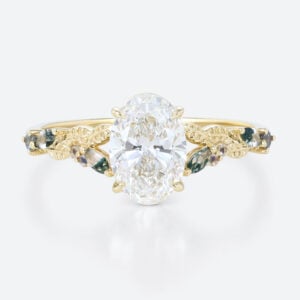
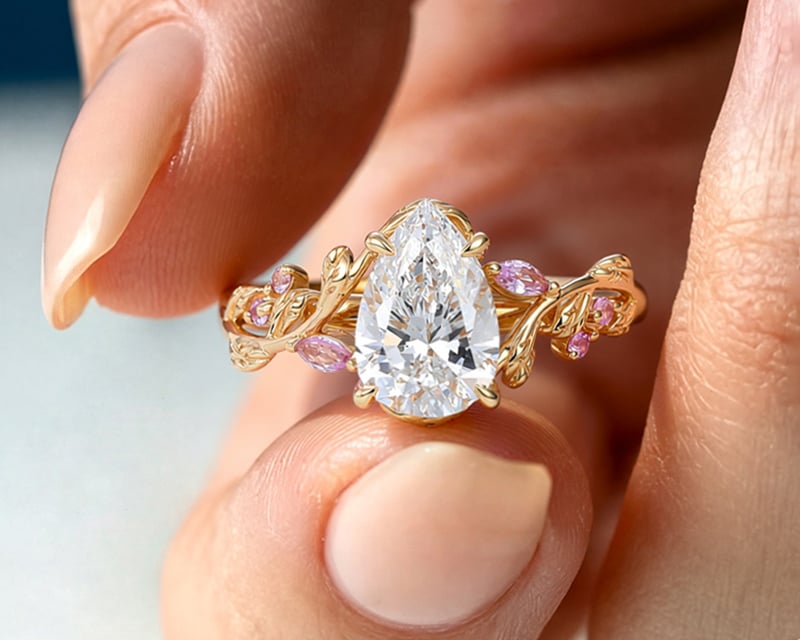
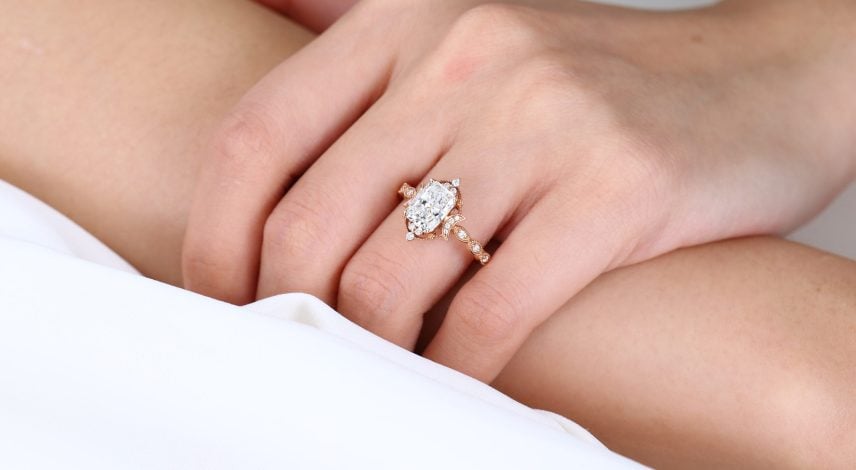
For commitment jewelry, these designs are even more resonant. A vintage-inspired engagement ring doesn’t just sparkle; it communicates taste—perhaps love of Art Deco geometry, or an affinity for ethereal Edwardian lacework—while still being engineered for daily wear. Throughout this guide, we’ll unpack what “vintage-inspired” really means, the hallmarks of different historical styles, and how modern ateliers (such as LisaJewelryUS) reinterpret those cues in durable, wearable ways.
II. What Exactly Is “Vintage-Inspired” Jewelry?
In jewelry trade language, “antique” typically refers to pieces around 100+ years old, while “vintage” is older but not necessarily antique. “Vintage-inspired,” by contrast, is contemporary jewelry designed with period-correct aesthetics—balancing historical motifs with modern craftsmanship, alloys, and setting techniques.
Core Design Codes by Era (and How They’re Reimagined Today)
Victorian (c. 1837–1901):
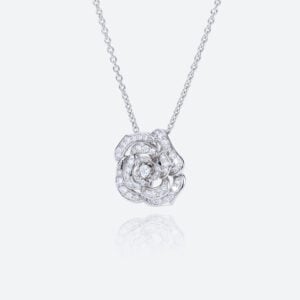
- Motifs: Botanical and romantic symbolism—forget-me-nots, roses, ivy, hearts, bows; serpents for eternal love.
- Details: Cluster halos, gypsy/flush settings, seed pearls, turquoise accents.
- Modern take: Today’s pieces echo the lush ornamentation with refined bead-set halos, petite claw prongs, and sturdier bezels that protect softer accent gems.
Edwardian (c. 1901–1915):
- Motifs: Airy, lace-like metalwork; garlands, ribbons, laurel wreaths; navette and marquise silhouettes.
- Techniques: Platinum or platinum-topped gold, filigree (wirework), milgrain (beaded edges), fine hand engraving.
- Modern take: High-tensile platinum or 18k white gold replicates the delicate look without the brittleness of old alloys. CAD-assisted under-galleries add strength, so light, openwork rings still wear securely.
Art Deco (c. 1920s–1930s):
- Motifs: Geometric symmetry; stepped halos; target rings; sunbursts; chevrons.
- Stones & cuts: Baguettes, carré and French cuts; calibré-cut colored stones; onyx; vivid sapphires and rubies.
- Modern take: Crisp fishtail prongs, channel-set baguettes, and low-profile halos deliver the graphic punch of Deco with improved tolerance control, tighter pavé, and smoother edges for daily comfort.
Lorem ipsum dolor sit amet, consectetur adipiscing elit. Ut elit tellus, luctus nec ullamcorper mattis, pulvinar dapibus leo.
Retro (c. 1940s):
- Motifs: Bold, voluminous forms; ribbons and scrolls; tank and buckle motifs; yellow and rose gold.
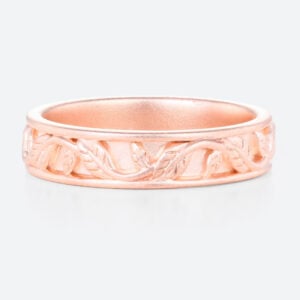
- Modern take: Sculptural signet-style rings and wide bands in warm alloys nod to Retro without the weight (and maintenance) of hollow constructions.
Stone Cuts That Signal a Vintage Look
- Old Mine Cut (OMC): Squarish outline, high crown, small table, open culet—broad, candle-like flashes.
- Old European Cut (OEC): Early round brilliant with a high crown and visible culet; romantic, slower scintillation.
- Rose Cut: Flat base with domed, triangular facets; subtle glow rather than scintillating sparkle.
- Step Cuts: Emerald and Asscher cuts emphasize clarity and elegant “hall-of-mirrors” reflections; quintessential Deco.
- French Cuts & Calibré Accents: Small, square stones with a single cross facet; precise, jewel-box borders in halos and bands.
Modern cutters can reproduce heritage faceting in both natural and lab-grown diamonds as well as colored gemstones, bringing the antique light performance to stones with contemporary consistency and availability.
Techniques That Make It Feel Authentic (Without Being Fragile)
- Milgrain: Beaded edges applied by hand or with beading tools. Quality tells in the uniformity and crispness of the beads.
- Filigree & Piercing: Openwork created by wire or pierced plates. Today, jewelers reinforce stress points and polish the interior edges for comfort.
- Hand Engraving: Bright-cut scrolls and wheat patterns add movement and catch light. Look for clean starts/stops and symmetrical, confident lines.
- Bead-Set or Fishtail Pavé: Small stones set low and tight; modern microscopes and laser welders increase security compared with early 20th-century techniques.
- Bezels & Collets: Metal rims that protect the girdle; contemporary bezels are slimmer with under-gallery access for easier cleaning.
Materials: Period Look, Modern Performance
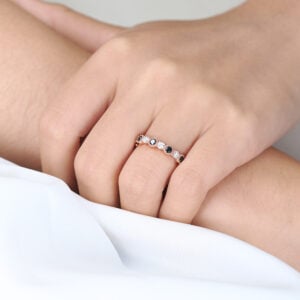
- Metals: Platinum remains the benchmark for fine, lace-like work thanks to its strength and malleability. 18k/14k white, yellow, and rose gold suit different eras; two-tone heads and shanks mirror antique “platinum-top, gold-bottom” contrasts while improving durability.
- Gem Choices: Beyond diamonds, vintage-inspired pieces often feature sapphires, rubies, emeralds, onyx, and seed pearls; modern designers may substitute tougher accent stones or protective settings to make daily wear realistic.
How Vintage-Inspired Differs From Buying Antique
- Sizing & Wearability: True antiques may resist major resizing and can have worn prongs or thin shanks. Vintage-inspired pieces are built to your size with reinforced architecture (think thicker under-galleries and properly supported shoulders).
- Stone Security: Contemporary prongs, channels, and bezels are engineered for today’s active lifestyles; micro-pavé is tightened under magnification to reduce loss.
- Consistency & Warranty: You keep the romance of period style while gaining modern QC, matched stones, and after-sales support.
III. Millennials’ Values Driving Jewelry Choices
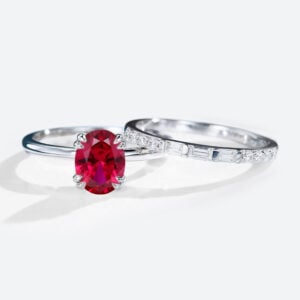
Millennials are reshaping the jewelry market with priorities that go beyond aesthetics. Their purchases reflect ethics, sustainability, and individual expression, making them ideal customers for vintage-inspired jewelry.
- Sustainable Jewelry Practices: Millennials actively seek lab-grown diamonds, recycled gold, and ethically sourced gemstones. This focus aligns with the values of environmental responsibility while preserving the beauty of vintage-inspired engagement rings.
- Emphasis on Personal Storytelling: Unlike previous generations, Millennials favor jewelry that tells a story. Filigree patterns, engraved motifs, and old-cut diamonds add layers of emotional meaning to every piece, creating heirloom-quality designs that can be passed down.
- Unique and Customizable Choices: Mass-produced designs hold less appeal. Vintage-inspired pieces allow for custom engraving, gemstone selection, and hand-finished milgrain detailing, ensuring every piece is unique.
These values explain why Millennials are increasingly gravitating toward vintage engagement rings and necklaces—they combine timeless artistry, ethical sourcing, and the freedom to reflect personal identity.
IV. The Aesthetic Allure of Vintage-Inspired Designs
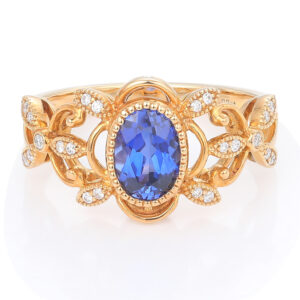
The appeal of vintage-inspired jewelry goes far beyond nostalgia. Its charm lies in craftsmanship, intricate detail, and timeless design principles that resonate strongly with Millennials.
- Intricate Craftsmanship: Techniques like filigree, hand engraving, and milgrain beading provide depth and texture, highlighting the artistry that modern minimalistic designs often lack.
Period-Specific Aesthetics:
- Victorian-inspired: Romantic florals, hearts, and garlands.
- Edwardian-inspired: Lace-like openwork and garland motifs.
- Art Deco-inspired: Bold geometry, step-cut gemstones, and striking contrast of colored stones.
- Gemstone Cuts That Enhance Vintage Appeal: Old Mine Cut, Old European Cut, and rose-cut diamonds create a softer, antique-like brilliance distinct from modern brilliant cuts. Baguette and Asscher cuts add symmetry and elegance reminiscent of historical periods.
- Timeless Visual Storytelling: Every curve, engraving, and stone placement conveys heritage and artistry, making the piece feel personal and unique.
This combination of historical motifs, expert craftsmanship, and distinctive gemstone cuts ensures that vintage-inspired designs are not only visually captivating but also meaningful—qualities that strongly attract Millennial buyers.
V. Sustainability and Ethical Appeal
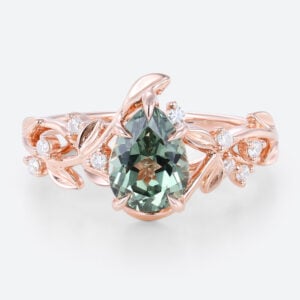
One of the defining reasons Millennials are drawn to vintage-inspired jewelry is its alignment with sustainable and ethical values. Unlike fast-fashion or mass-produced pieces, these designs offer both timeless beauty and responsible sourcing.
- Recycled Metals: Many contemporary jewelers use recycled gold and platinum to recreate antique aesthetics. This approach reduces environmental impact while maintaining the integrity of Victorian, Edwardian, or Art Deco-inspired designs.
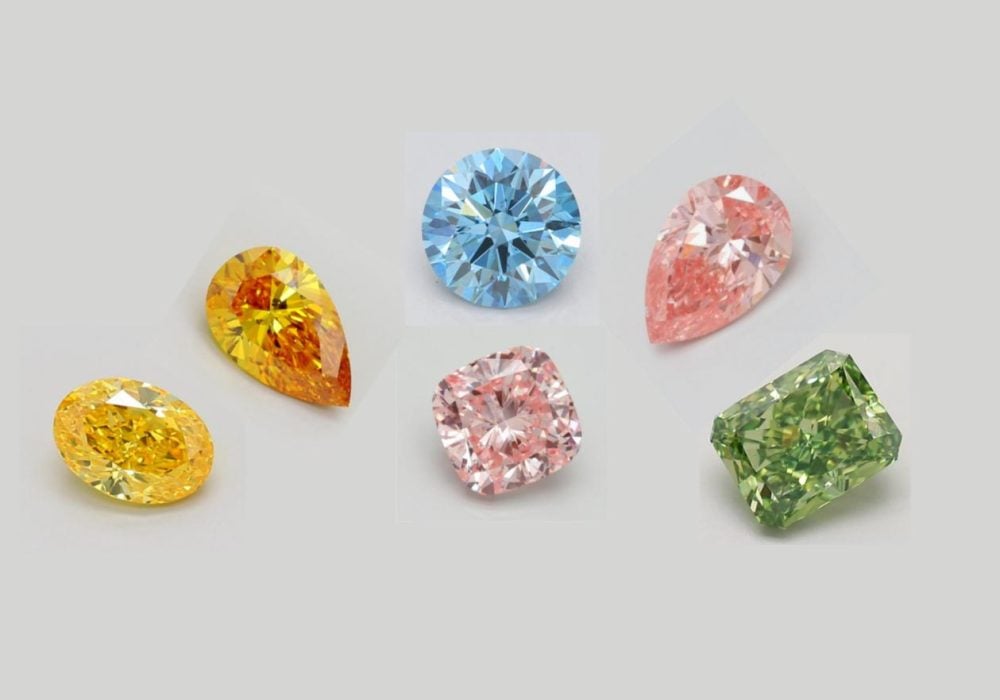
- Lab-Grown Diamonds and Ethically Sourced Gemstones: Old mine cut or rose-cut diamonds can now be sourced sustainably without compromising the vintage look. Colored gemstones, like sapphires or emeralds, are also increasingly certified conflict-free.
- Longevity and Durability: Vintage-inspired designs are crafted with modern techniques—reinforced filigree, secure milgrain, and durable bezels—so they last for generations. This reduces the need to replace jewelry frequently, contributing to eco-conscious consumption.
- By choosing vintage engagement rings or necklaces made from sustainable materials, Millennials are combining classic design with environmental responsibility, turning jewelry into a conscious investment rather than a disposable accessory.
VI. Personalization and Individual Expression
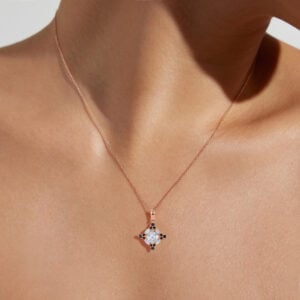
Millennials value jewelry as an extension of their identity, which is why vintage-inspired designs are particularly appealing. Each piece tells a story, and personalization transforms it into a meaningful statement.
- Custom Filigree and Engraving: Hand-engraved patterns or intricate filigree can be tailored to reflect personal milestones, names, or symbols, making a piece truly one-of-a-kind.
- Mixing Historical Styles: Modern jewelers often combine motifs from different eras—like Edwardian lacework with Deco geometric lines—allowing Millennials to express individual taste and creativity.
- Gemstone Selection: Choosing an Old Mine Cut diamond, a colored sapphire, or a vintage-cut emerald adds character and uniqueness. Even small changes in stone placement or halo design can make a significant difference in the piece’s overall personality.
- Unique Heirloom Quality: A vintage-inspired engagement ring or necklace that is personalized ensures no two pieces are identical, giving Millennials a sense of ownership and pride in their jewelry.
By embracing personalization, Millennials not only own jewelry—they create wearable art that embodies their values, taste, and stories. This is why vintage-inspired engagement rings and necklaces are increasingly preferred over standard modern designs.
VII. Emotional and Investment Value
Beyond aesthetics, vintage-inspired jewelry carries both emotional significance and long-term investment value, which resonates strongly with Millennials.
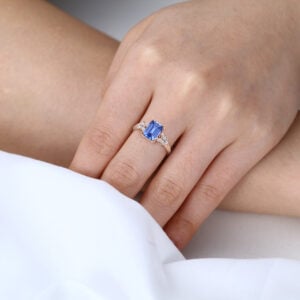
- Emotional Resonance: Historical motifs, intricate filigree, and milgrain detailing create a sense of heritage and romance. Owning a piece that echoes Edwardian elegance or Art Deco geometry allows Millennials to feel connected to a broader story, making the jewelry more meaningful than a standard modern design.
- Heirloom Potential: Many Millennials consider vintage engagement rings or necklaces as future family heirlooms. A well-crafted vintage-inspired piece, with durable metals and secure settings, can be worn for decades and passed down, creating a tangible legacy.
- Financial Consideration: Timeless designs often hold value better than trend-based jewelry. High-quality craftsmanship, old-cut diamonds like Old Mine Cut or Asscher, and durable materials contribute to a piece’s lasting appeal and potential resale value.
VIII. How Contemporary Designers Bring Vintage to Life
Modern jewelers reinterpret vintage aesthetics with technical expertise and innovation, ensuring that vintage-inspired jewelry is both beautiful and wearable for today’s lifestyle.
- Durable Construction: Platinum, reinforced gold alloys, and modern soldering techniques allow intricate filigree and milgrain patterns without compromising longevity.
- Secure Gem Settings: CAD-assisted design ensures pavé, bezel, and claw settings are precise, protecting gemstones while maintaining the delicate vintage look.
- Comfort and Wearability: Designers optimize shank thickness, low-profile halos, and smooth edges to allow daily wear without sacrificing aesthetic appeal.
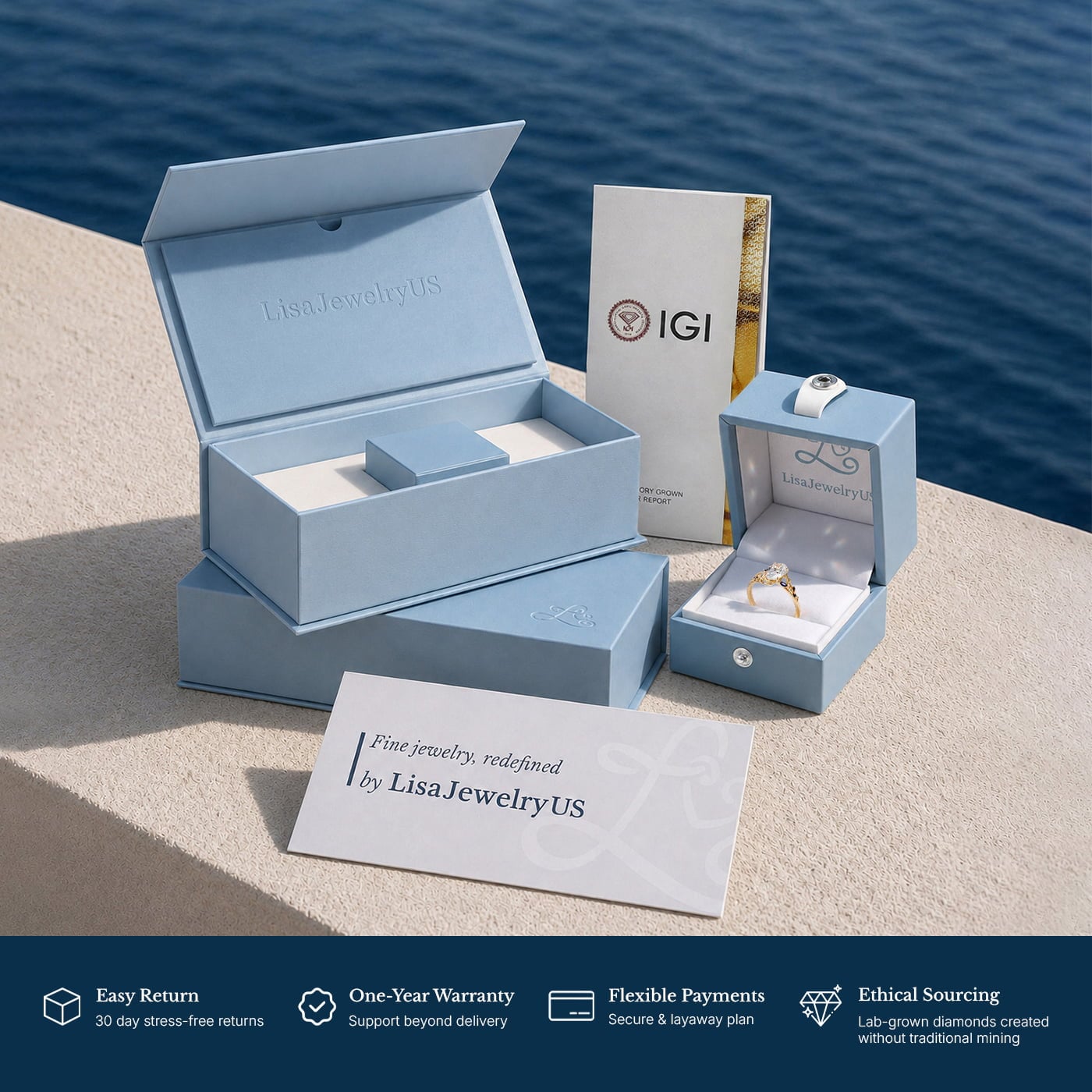
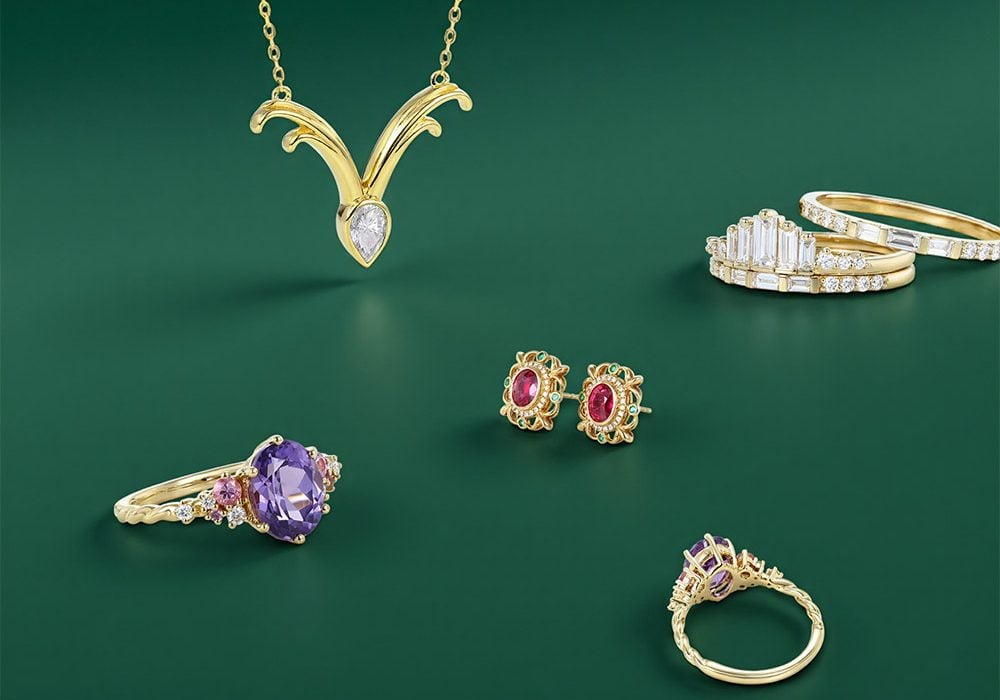
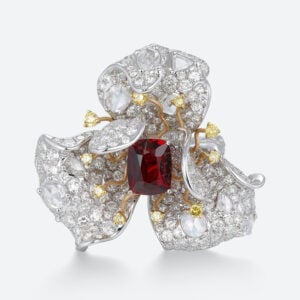
- Brand Examples: Collections from LisaJewelryUS demonstrate how Edwardian lacework, Victorian romantic motifs, and Art Deco geometry can be translated into modern, ethical, and durable pieces. These designs preserve historical elegance while meeting contemporary expectations for wearability and sustainability.