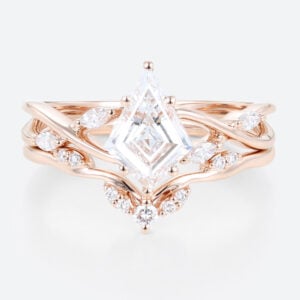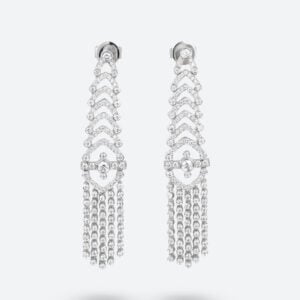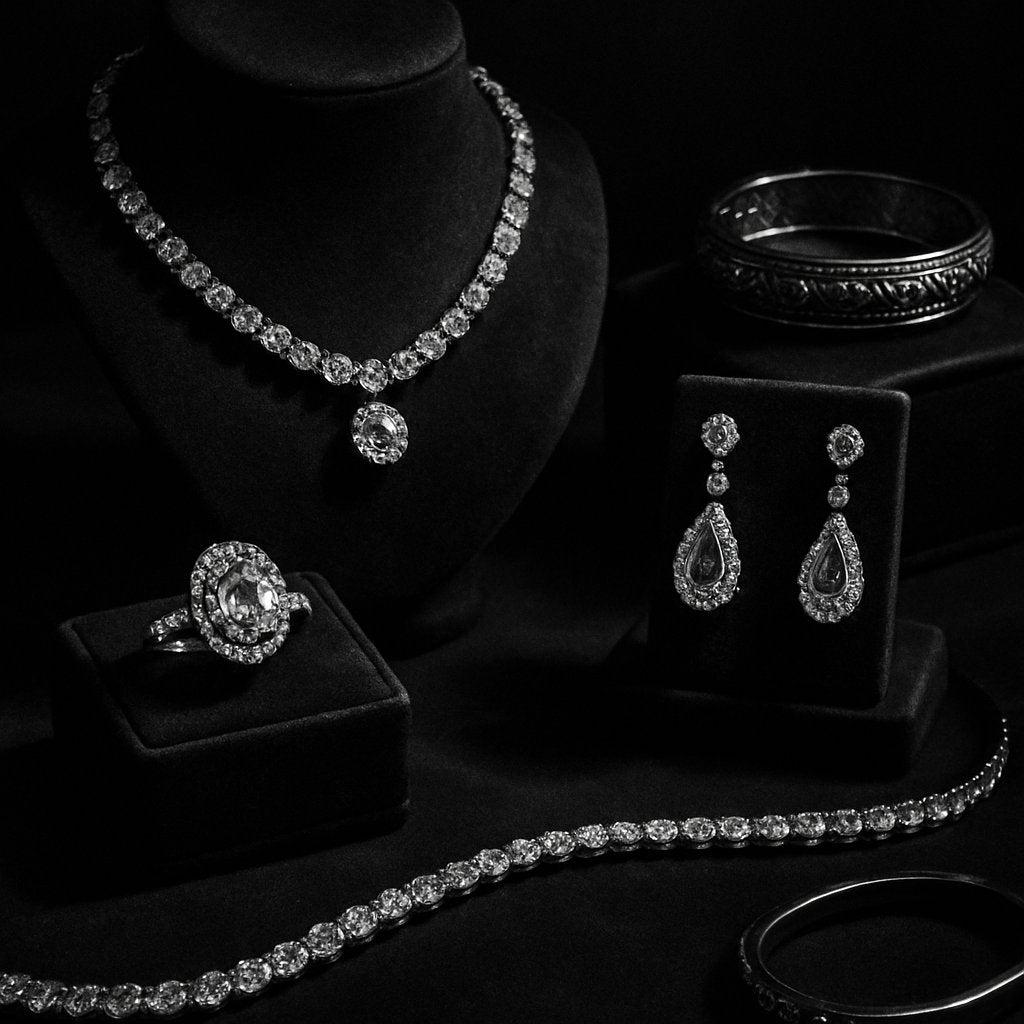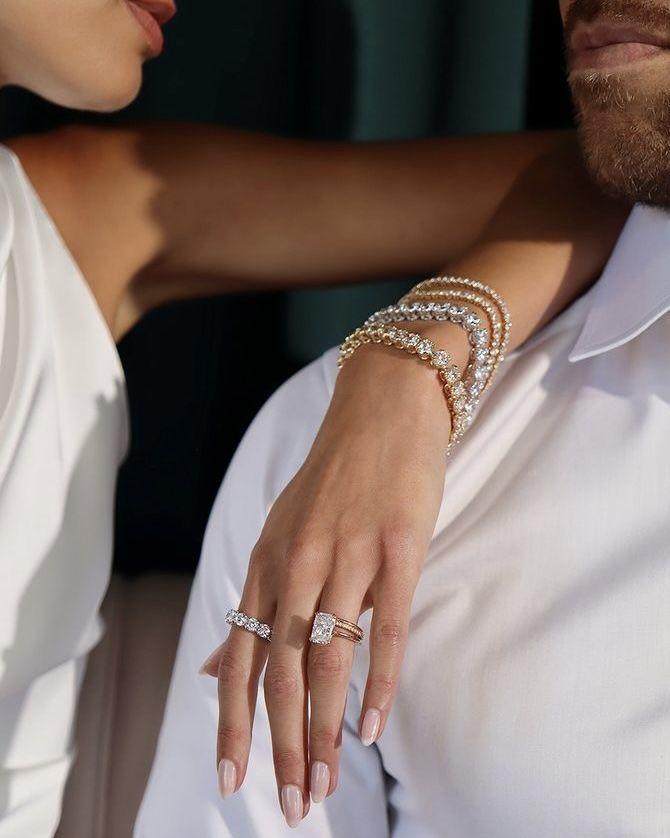









I. Do Lab Diamonds Hold Their Value The Short Answer
One of the most common questions buyers ask today is:
👉 Do lab grown diamonds hold their value over time?
The honest answer is:
usually not in the same way as traditional investment assets
but neither do most diamonds overall
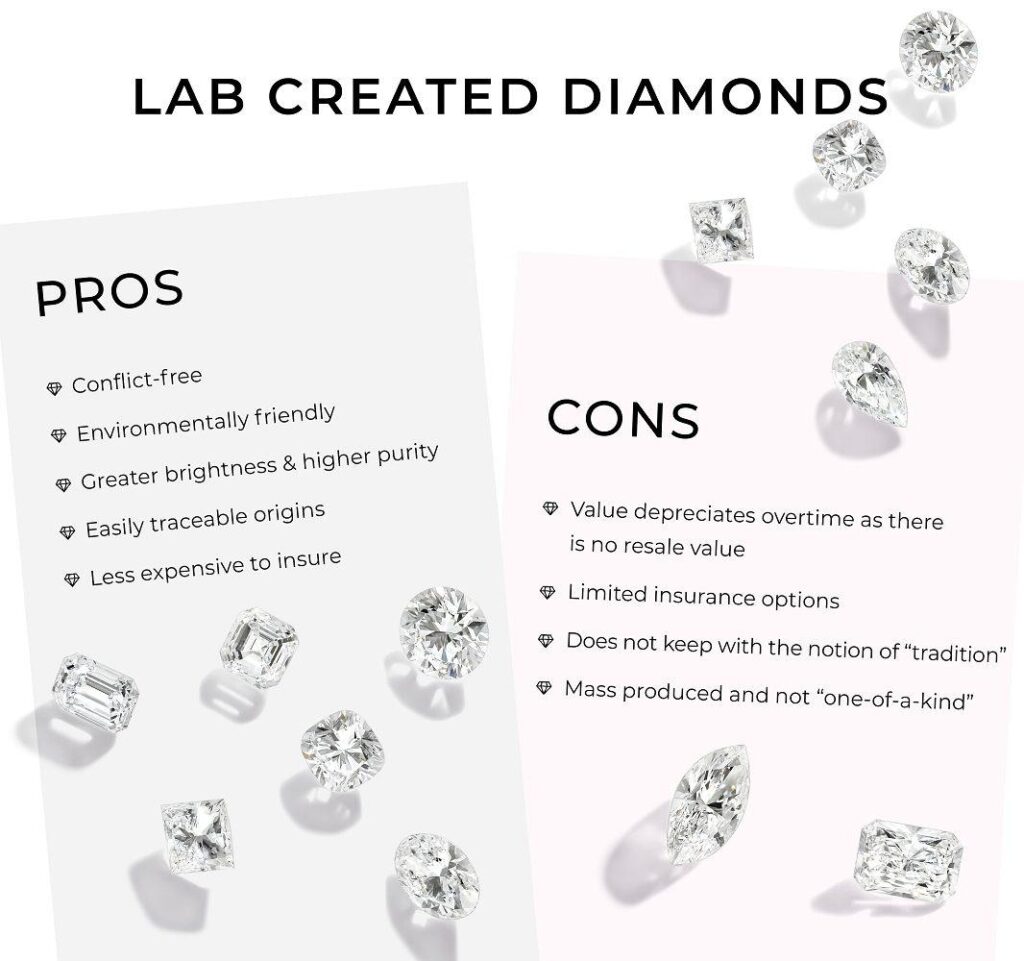
Like many forms of jewelry, both lab diamonds and natural diamonds typically lose part of their resale value after purchase.
However, that doesn’t necessarily mean lab diamonds are a poor choice.
In fact, many buyers today view lab grown diamonds differently from previous generations. Instead of treating diamonds as financial investments, modern consumers often focus on:
beauty
wearability
affordability
emotional significance
And from that perspective, lab diamonds can offer tremendous value.
Why Most Diamond Jewelry Is Not a Financial Investment
There is a common misconception that all diamonds increase in value over time.
In reality, most diamond jewelry—especially standard retail pieces—depreciates after purchase.
This applies to:
mined diamonds
luxury jewelry sold in jewelry stores
Retail pricing includes:
branding
manufacturing
marketing
retailer margins
which means resale prices are usually lower than the original purchase price.
That’s why many experts recommend viewing diamond jewelry primarily as:
a luxury purchase
a sentimental item
a wearable asset
rather than a traditional financial investment.
Why Buyers Still Choose Lab Grown Diamonds
Even though lab grown diamonds lose some resale value, demand continues growing rapidly.
That’s because many buyers prioritize:
larger carat weight
better appearance
affordability
ethical sourcing
over future resale expectations.
For many modern consumers, the appeal is simple:
👉 they can purchase a larger and more visually impressive diamond at a significantly lower price than mined alternatives.
Why Emotional Value Often Matters More Than Resale Value
For purchases like an engagement ring, emotional value usually outweighs financial return.
Most people do not buy engagement rings expecting to resell them later.
Instead, buyers focus on:
symbolism
personal meaning
everyday enjoyment
long-term wearability
And in those areas, lab diamonds continue offering strong value for modern couples.
II. Why Lab Grown Diamonds Are Different From Traditional Diamond Investments
To understand why lab diamonds behave differently in the resale market, it helps to understand how the diamond industry has traditionally worked.
Historically, natural diamonds maintained higher prices because of:
limited supply
mining costs
rarity perception
controlled market distribution
But modern lab grown diamonds changed many of those dynamics.
Why Natural Diamonds Historically Held More Value
Natural diamonds formed underground over billions of years, making them relatively limited natural resources.
Because mining requires:
large-scale operations
labor-intensive extraction
extensive infrastructure
natural diamonds historically carried higher market prices.
In some cases, rare natural stones or rare gems may retain significant value over time, especially:
investment-grade diamonds
collector-quality stones
historically rare colored diamonds
However, not all diamonds hold value equally.
Most standard retail diamonds still depreciate after purchase.
How Lab Grown Technology Changed Diamond Prices
Modern lab diamonds are created using advanced processes such as:
chemical vapor deposition
high-pressure high-temperature growth systems
These technologies allow manufacturers to produce diamonds in controlled environments with increasing efficiency.
As lab grown diamonds continue becoming more widely available, overall diamond prices have adjusted accordingly.
This increased supply is one reason:
lab grown diamonds resale values are lower
secondary market prices fluctuate more
buyers can access larger diamonds at lower costs
compared to mined stones.
Why Lab Diamonds Are Still Real Diamonds
One important point many buyers misunderstand is this:
👉 Lab diamonds are real diamonds.
They are:
chemically identical to natural diamonds
physically identical
optically identical
The only difference is origin.
Unlike simulants like cubic zirconia, lab diamonds possess:
real carbon crystal structures
genuine diamond hardness
authentic brilliance and fire
That’s why many buyers still see strong personal value in lab grown diamond jewelry even if resale performance differs from mined diamonds.
Why Modern Buyers View Value Differently
Today’s consumers often define “value” differently than previous generations.
Instead of focusing only on rarity or resale potential, many buyers prioritize:
affordability
sustainability
ethical sourcing
visual impact
larger carat sizes
For these buyers, getting a beautiful diamond with strong everyday wearability at a better price creates meaningful value—even if the resale market works differently.
IV. Are Lab Grown Diamonds Losing Value Over Time
One reason many buyers hesitate before purchasing lab diamonds is concern about future resale value.
And it’s true:
👉 lab grown diamonds generally experience lower resale prices compared to natural diamonds.
But understanding why this happens is important.
Why Lab Diamond Prices Continue Changing
Unlike natural diamonds, lab diamonds can be produced in controlled laboratory environments using modern technology.
As production methods improve and manufacturing becomes more efficient, the cost of creating lab diamonds continues decreasing.
This increased production affects:
market pricing
resale potential
secondary market demand
As a result, some lab diamonds lose market value faster than traditionally mined stones.
Supply Demand and Modern Diamond Production
The diamond market is heavily influenced by supply and demand.
Natural diamonds remain limited because they require mining operations deep within the earth’s crust.
Lab diamonds, however, can be created more consistently through:
chemical vapor deposition
high pressure growth systems
advanced production technology
This means supply can increase more rapidly over time.
And when supply grows faster than demand, resale prices may decline.
Why Resale Markets Treat Lab Diamonds Differently
The resale market for lab diamonds is still developing.
Many jewelry stores currently offer:
limited resale programs
lower trade-in values
fewer secondary market opportunities
compared to natural diamonds.
Part of this comes from changing market trends and evolving consumer preferences.
Another reason is that buyers can often purchase new lab diamonds at relatively affordable prices, reducing demand for secondhand stones.
Why Limited Resale Doesn’t Mean Low Overall Value
Resale value and personal value are not always the same thing.
Even if lab diamonds do not hold significant resale prices, they still provide:
exceptional beauty
larger stones at lower costs
luxury appearance
strong everyday wearability
For many modern buyers, these benefits outweigh concerns about future resale.
V. What Really Gives Lab Grown Diamonds Their Value
When people ask whether lab diamonds “hold value,” they are often thinking only about monetary value.
But modern jewelry purchases involve much more than investment potential alone.
For many buyers today, the true value of a diamond comes from:
appearance
emotional meaning
affordability
lifestyle fit
And this is where lab diamonds perform extremely well.
Bigger Carat Weight for Better Prices
One of the biggest advantages of lab diamonds is value per carat.
Compared to mined stones, lab diamonds allow buyers to choose:
larger stones
higher quality
better clarity
stronger visual impact
at significantly lower prices.
For many couples shopping for an engagement ring, this creates tremendous practical value.
Instead of compromising on size or appearance, buyers can often afford:
larger center stones
premium settings
higher quality jewelry
while staying within budget.
Why Modern Buyers Care More About Wearability Than Investment Potential
Most people do not purchase diamond jewelry as financial investments.
Instead, they buy diamonds to:
celebrate milestones
express love
wear daily
create lasting memories
That’s why many consumers now prioritize:
beauty
comfort
quality
cost effectiveness
over resale potential alone.
For these buyers, the appeal lies in owning a visually impressive diamond they can actually enjoy every day.
Why Lab Diamonds Still Feel Luxurious
Even though lab diamonds are more affordable, they still deliver the same luxury appearance as natural diamonds.
Lab diamonds are:
physically identical
optically identical
chemically identical
to mined stones.
They offer:
exceptional brilliance
premium sparkle
authentic diamond aesthetics
which is why many buyers continue choosing them despite lower resale performance.
Why Emotional Value Often Outweighs Market Value
An engagement ring is rarely just a financial asset.
Its value often comes from:
emotional connection
symbolism
personal memories
life experiences attached to it
For many couples, the ability to purchase a beautiful diamond without extreme financial pressure matters more than future resale prices.
And that’s one reason lab diamonds continue growing in popularity across modern jewelry markets.
VI. Are Lab Grown Diamonds Worth Buying Even If They Depreciate
For many modern buyers, the answer is still yes.
Even though lab diamonds may not hold resale prices like rare collector stones, they continue offering strong overall value in areas that matter most to everyday consumers.
The appeal of lab diamonds lies in their ability to combine:
beauty
affordability
larger carat sizes
modern luxury
without the extremely high costs often associated with mined diamonds.
Why Millennials and Gen Z Think Differently About Jewelry
Younger buyers often approach luxury purchases differently from previous generations.
Instead of focusing mainly on resale potential, many modern consumers prioritize:
personal enjoyment
emotional meaning
ethical sourcing
financial flexibility
This shift in consumer demand has changed how many people define value in the jewelry market.
For many buyers today, spending less money while getting a larger and more visually impressive diamond feels like a smarter purchase overall.
Emotional Value vs Resale Value
An engagement ring is usually not purchased with the intention to sell it later.
Its true value often comes from:
personal memories
emotional connection
symbolic meaning
daily wear enjoyment
Because of this, many couples focus more on:
beauty
comfort
appearance
affordability
than future resale prices.
For these buyers, lab diamonds continue offering excellent practical value.
Why Lab Diamonds Still Make Sense for Engagement Rings
Lab diamonds remain one of the most cost effective options for modern engagement rings.
They allow buyers to choose:
larger stones
higher clarity grades
premium settings
at a more accessible price.
And because lab diamonds are:
real diamonds
physically identical to natural stones
optically identical
they still provide the luxury appearance many buyers want.
For couples prioritizing beauty and wearability over investment potential, lab diamonds are often an excellent choice.
VII. Lab Grown Diamonds vs Natural Diamonds Value Comparison
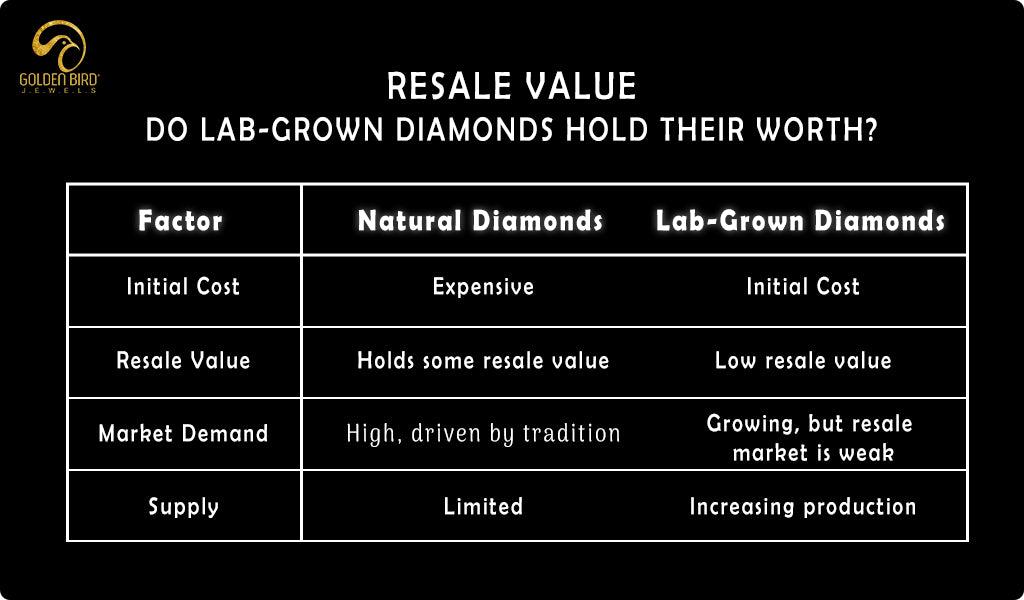
Natural diamonds generally maintain better resale performance than lab diamonds.
However, the difference is often smaller than many people expect.
Most retail diamonds—whether mined or lab grown—lose value after purchase due to:
retail markups
market demand fluctuations
jewelry industry pricing structures
This means not all natural diamonds hold significant value either.
Do Natural Diamonds Actually Hold Value Better
In many cases, yes.
Natural diamonds usually have:
stronger secondary market demand
longer-established resale systems
higher perceived rarity
This can result in better resale value compared to lab diamonds.
However, only certain rare stones truly perform well as long-term investments.
Most standard engagement rings still depreciate after purchase.
Why Most Diamonds Depreciate After Purchase
Many buyers are surprised to learn that diamonds are not guaranteed financial investments.
Once a diamond leaves a jewelry store, resale prices are typically influenced by:
current market demand
wholesale pricing
resale competition
consumer trends
This affects both:
mined diamonds
lab created diamonds
which is why resale value alone should not determine whether a diamond purchase is worthwhile.
Why Lab Diamonds Offer Better Value for Many Buyers
Although natural diamonds may hold slightly higher resale value, lab diamonds often provide:
larger stones for less money
better affordability
greater flexibility in design
stronger overall cost efficiency
For many buyers, this creates more practical value than paying significantly higher prices for a mined alternative.
VIII. Final Thoughts Do Lab Grown Diamonds Hold Their Value
So, do lab grown diamonds hold their value?
The short answer is:
👉 not in the same way as rare investment-grade natural diamonds.
But that does not mean they lack value.
Lab diamonds continue offering:
exceptional beauty
larger carat sizes
affordable luxury
modern ethical appeal
for buyers who care more about everyday enjoyment than resale potential.
For most people, diamonds are not financial investments—they are emotional purchases tied to important moments in life.
And in that context, lab diamonds can deliver tremendous value.
FAQ About Lab Grown Diamond Value
Yes. Like most jewelry, lab diamonds typically depreciate after purchase.
Generally yes, but most natural diamonds also lose resale value over time.
Lab diamonds are better viewed as luxury purchases rather than financial investments.
Because they can be produced more efficiently in controlled laboratory environments.
Yes. Many buyers choose them for affordability, beauty, and larger carat sizes.