

I. Introduction
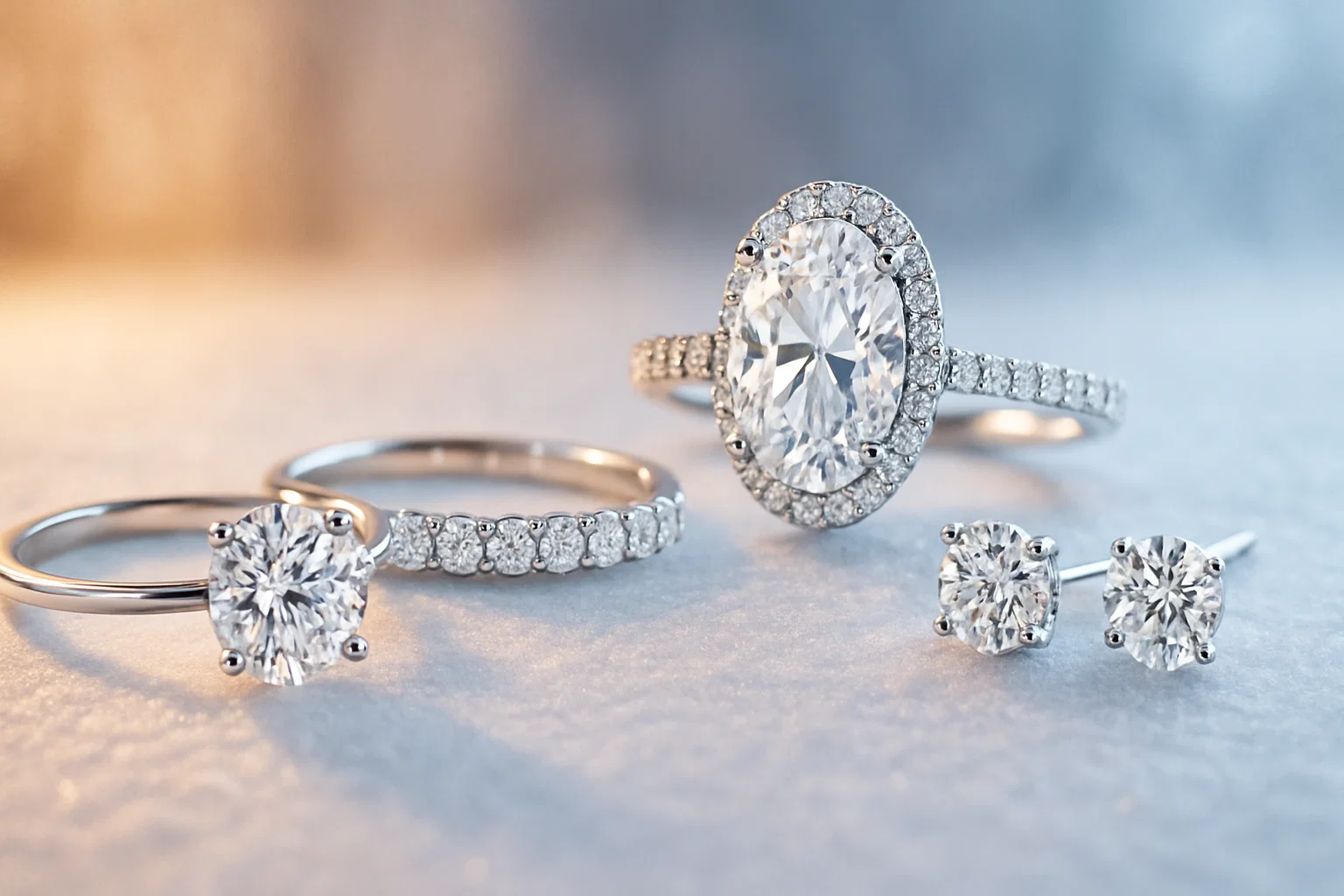
Indoor heating does affect your jewelry in winter—more than most people realize. From rings suddenly feeling tighter to diamonds looking dull faster, the shift between cold outdoor air and warm indoor environments creates real, measurable changes in how your jewelry fits, performs, and sparkles.
Many winter jewelry problems that seem mysterious—like tangled chains, less brilliance, or uncomfortable ring tightness—can actually be traced back to temperature fluctuations, humidity levels, and changes in your skin’s moisture and oil balance.
Winter is a season defined by extreme contrasts: cold, dry air outside and high-temperature, low-humidity heating indoors. These environmental swings influence both your body and the materials your jewelry is made of. Understanding why these changes happen makes it easier to protect your favorite pieces and maintain their brilliance all season long.
This guide breaks down the science behind indoor heating and how it impacts diamonds, metal settings, comfort, and daily wear—plus simple, professional care tips to keep your jewelry safe and sparkling.
II. The Science of Indoor Heating: How Warm, Dry Air Changes Both Skin and Jewelry
Winter heating affects jewelry indirectly by changing the condition of your skin and more directly by influencing how metals respond to temperature. Here’s what happens the moment you step indoors from freezing weather:
Dry Heated Air Makes Skin Produce More Oil → Diamonds Collect Film Faster
Indoor heating dramatically reduces humidity. When skin dries out, it naturally compensates by producing excess oils.
Those oils transfer easily to:
- diamond facets
- the pavilion area under the stone
- metal surfaces
- prongs and halos
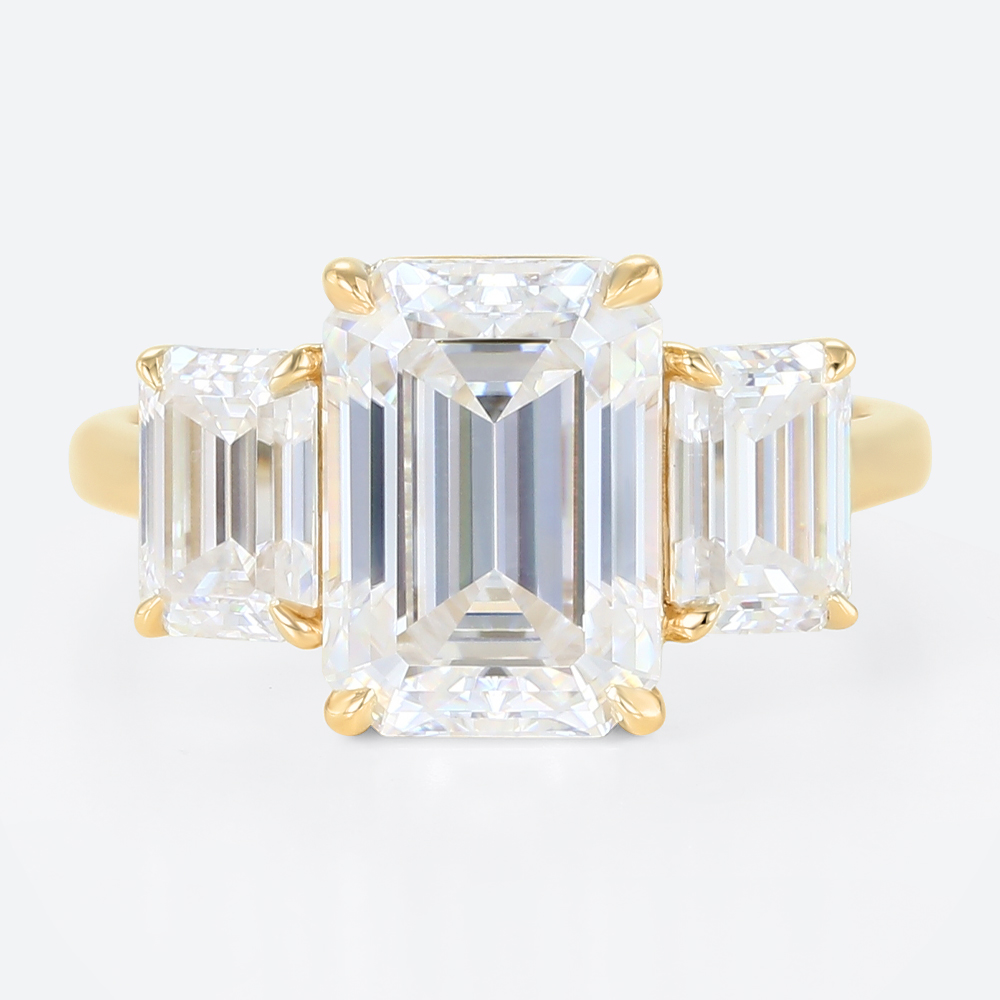
This creates a thin film that interferes with a diamond’s ability to refract light, making it appear less brilliant, less sharp, and sometimes even “foggy.”
This is why many people feel their diamonds “get dirty faster” in winter—it’s not your imagination. The combination of dry air, skincare products, and natural oils creates the perfect storm for reduced sparkle.
Warm Air Causes Slight Finger Swelling → Rings Feel Tighter Indoors
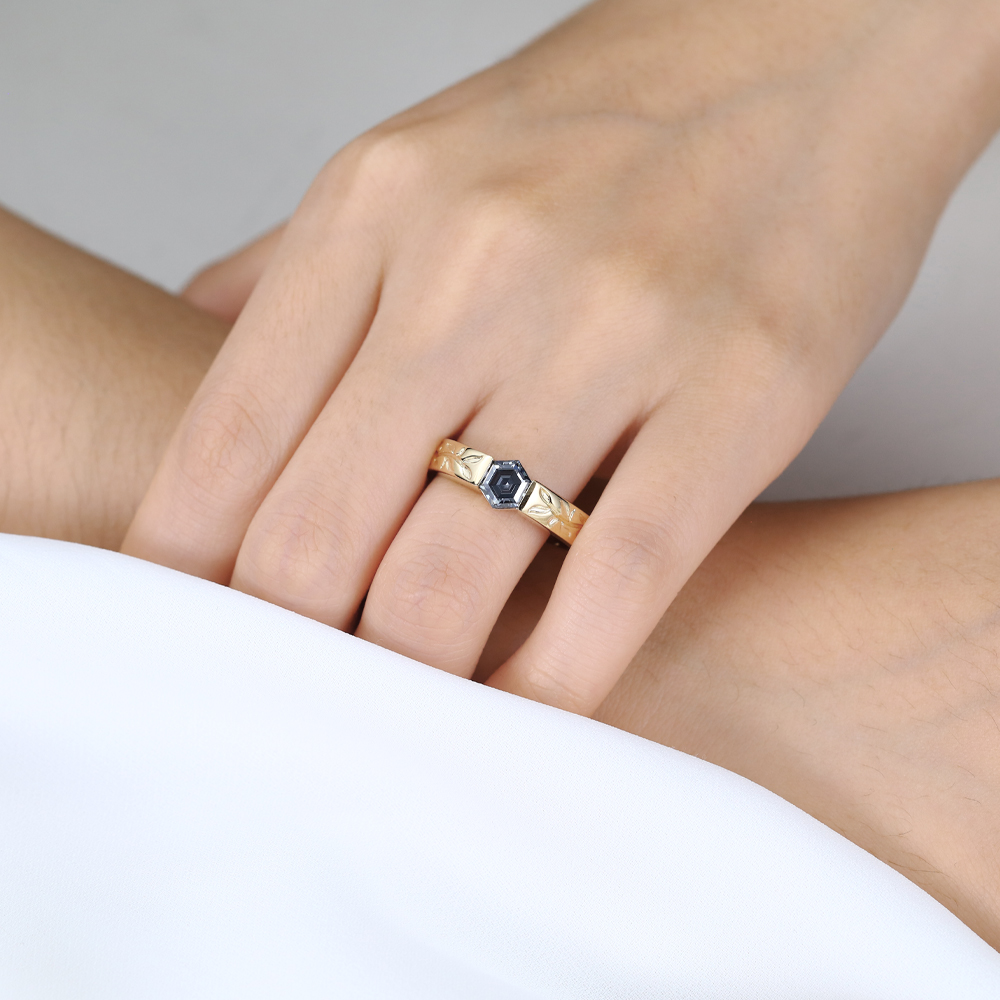
Even small temperature differences can change the size of your fingers by fractions of a millimeter—just enough to alter how a ring feels.
Indoors, under warm heating:
- blood vessels expand
- skin retains more warmth
- fingers swell slightly
This leads to:
- rings feeling tighter
- difficulty removing rings
- increased friction around the band
- potential long-term wear on the metal if forced on/off
This is why your ring may slide easily outdoors but feel snug or uncomfortable the moment you step into a heated room.
Temperature Fluctuations Cause Metals to Expand and Contract
Gold and other precious metals respond subtly to temperature changes.
- Outdoors in cold temperatures → metal contracts
- Indoors in warm heating → metal expands
This doesn’t damage the ring, but it does affect:
- daily fit
- tension on prongs
- flexibility of clasps
- overall structural stability over months of seasonal wear
This also explains why rings sometimes feel inconsistent from day to day in winter.
Indoor Heating Creates Static Electricity → Chains Tangle More Easily
Low humidity increases static, particularly around wool sweaters, scarves, and hair.
Static causes:
- fine chains to attract each other
- delicate necklaces to knot faster
- clasps to catch on fabric fibers
This is one of the most overlooked winter jewelry frustrations—and one of the most preventable once you recognize the cause.
III. How Winter Lighting Changes the Way Diamonds Look
Lighting conditions shift dramatically between winter indoors and outdoors—and diamonds respond to these shifts in ways most wearers never notice. Because diamonds are optical materials, their appearance is highly sensitive to color temperature, contrast, and intensity of light.
Below is how winter light affects brilliance and sparkle:
Indoor Warm Lighting Creates Softer, Warmer Diamond Sparkle
Most homes and event spaces rely on warm-toned lighting (2700–3000K) during winter. Under this warmer light:
- diamond fire looks deeper and more golden
- scintillation becomes softer and more subtle
- lower color grades appear slightly warmer
This environment flatters champagne-toned or yellow-gold–set diamonds beautifully, making them glow.
However, it can also exaggerate oil films—one reason diamonds appear “dull” faster indoors.
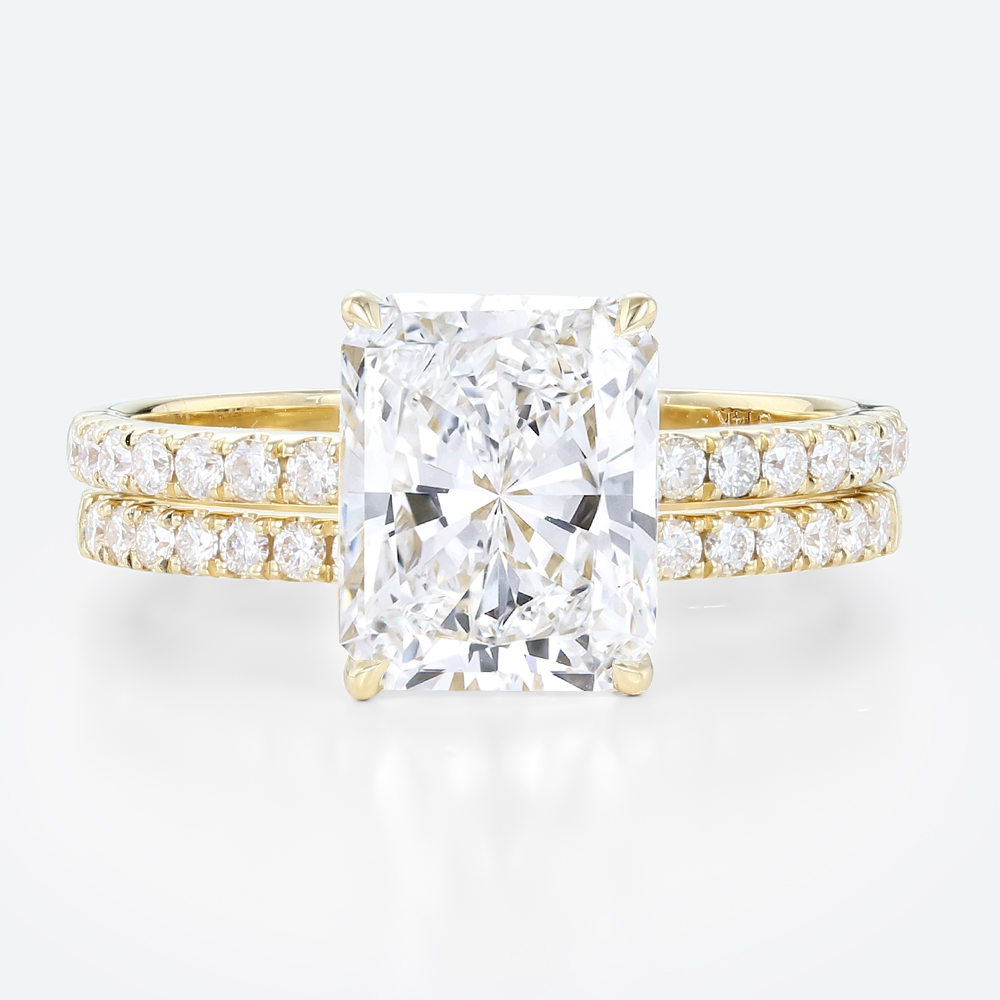
Outdoor Cold Lighting Makes Diamonds Look Icy, Sharp, and Hyper-Brilliant
Winter daylight often falls between 5000–6500K with stronger blue tones. Under this natural cold light:
- brilliance becomes crisp and high-contrast
- facets display sharper reflections
- colorless diamonds appear more “icy”
- high-clarity stones look exceptionally clean and bright
This is why winter engagement photos often show diamonds at their best—cold light amplifies their optical precision.
Transitioning Between Warm Indoor and Cold Outdoor Light Creates Visual Inconsistency
Many winter brides or ring owners notice something like:
“My diamond looked amazing outside, but dull inside—why?”
The reasons are as follows:
- oil film is more visible under warm light
- warm indoor lights reduce contrast
- cold outdoor light enhances clarity & brilliance
Nothing is “wrong” with the stone itself—it’s simply reacting to two very different lighting environments.

IV. Practical Jewelry Risks Caused by Indoor Heating and Winter Clothing
Beyond aesthetics, winter creates physical risks for your jewelry—especially with sudden temperature changes, dry air, thick fabrics, and the tendency to remove/put on jewelry more frequently.
Rings That Feel Tight Can Lead to Over-Twisting and Metal Stress
When fingers swell indoors, wearers often try to twist or pull rings off forcefully.
This can:
- bend delicate bands
- weaken prongs
- stress pavé settings
- increase long-term wear on the interior of the ring
In extreme cases, removing a ring while the finger is swollen can distort a thin band permanently.
Scarves, Wool Sweaters, and Winter Coats Catch on Jewelry Easily
Winter clothing introduces new snagging hazards:
- prongs catch on wool fibers
- fine chains get trapped in knitted textures
- earrings are more easily pulled by scarves or hats
Dry air increases friction between fabrics and metal, making snags more frequent and more damaging.
Low Humidity and Static Electricity Cause Chains to Tangle Faster
Indoor heating often drops humidity to 10–20%.
This leads to:
- static-charged chains sticking together
- fine necklaces knotting within seconds
- layered necklaces tangling more frequently
Static electricity peaks when removing sweaters over the head—one of the top causes of chain breakage in winter.
Temperature Shock Can Affect Metal Flexibility and Prong Security
Moving quickly from freezing outdoor temperatures into heated rooms can subtly stress metals.
Over months of winter wear, this may cause:
- prongs to loosen more easily
- clasps to weaken
- metal to become more vulnerable to bending
Again, these changes are gradual, not catastrophic—but they justify checking settings during winter months.

V. How to Care for Your Jewelry Properly During Winter
Winter jewelry care is less about avoiding damage and more about understanding how to work with your environment. With a few mindful habits, your diamonds and precious metal pieces can stay brilliant and secure all season.
Clean Your Diamonds More Frequently Than in Other Seasons
Because indoor heating increases oil production and attracts residue, diamonds accumulate film at nearly twice the rate compared to summer months.
Care tip:
- Use a gentle cleanser or mild soap with warm water
- Brush lightly with a soft toothbrush
- Avoid harsh chemicals, which can dry out metal settings
Regular cleaning maintains the high refractive index that gives diamonds their signature sparkle.
Avoid Wearing Rings When Applying Hand Cream or Lotion
Winter brings more moisturizing routines—but also more buildup.
Hand cream fills prong gaps, clings to pavé, and dulls the entire surface of a diamond.
Best practice:
- Apply lotion first
- Wait until fully absorbed
- Put rings back on afterward
This small change preserves brilliance and prevents residue from working its way into the setting.
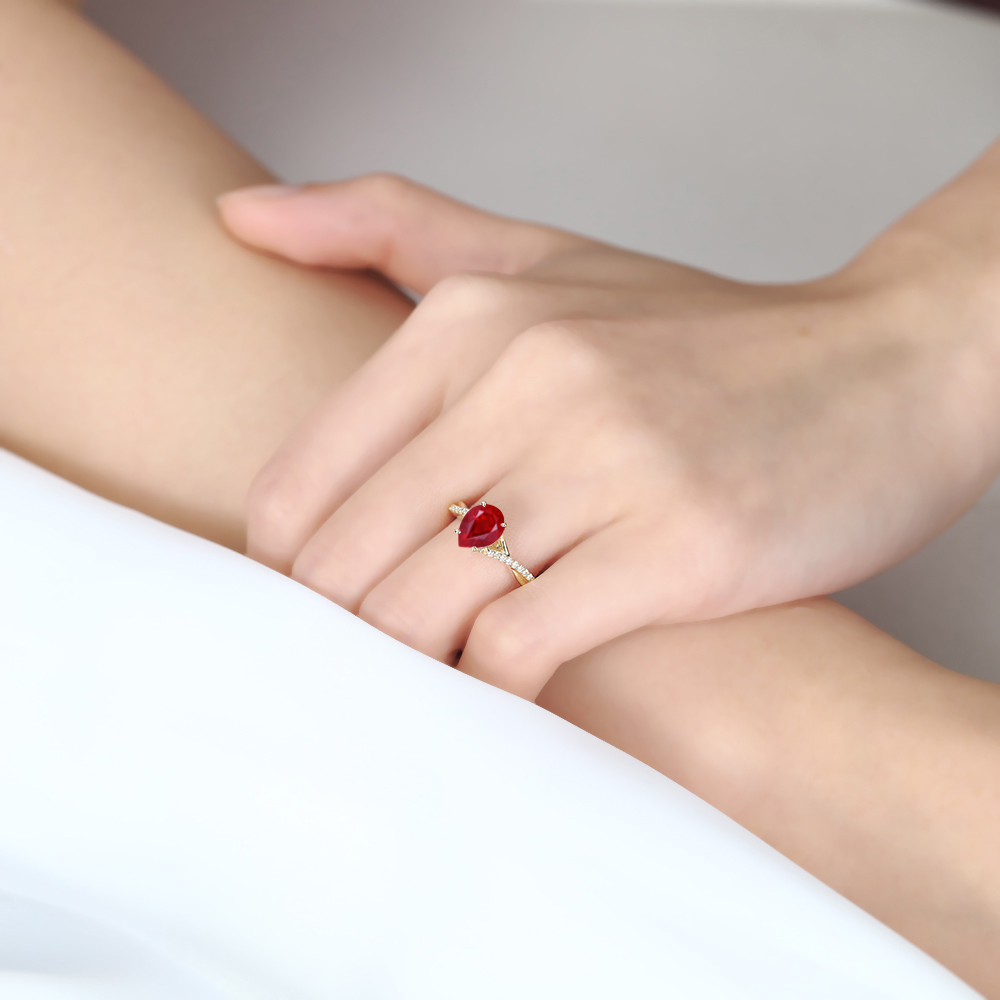
Do Not Force Rings On or Off When Fingers Are Swollen
If your ring feels tight indoors, avoid twisting or pulling aggressively.
Instead:
- cool your hand under cold water for 10–20 seconds
- raise your arm above your heart briefly
- gently rotate the ring off
This prevents bending thin bands and protects prong alignment.
Let Your Jewelry Adjust to Temperature Before Wearing
Going from freezing temperatures to warm indoor air can create micro-expansion in metal.
Give your jewelry a moment to acclimate before:
- putting on chains
- clasping bracelets
- adjusting rings
This reduces the risk of stress on clasps or settings.
Store Necklaces Separately to Reduce Winter Static Tangling
To prevent tangles:
- hang necklaces individually
- store in anti-static pouches
- avoid keeping chains in dry, heated areas without protection
Even simple zip pouches can significantly reduce static buildup.
Schedule a Seasonal “Winter Check-Up” for Prongs and Settings
Because temperature changes affect metal tension, winter is an ideal time for:
- prong tightening
- ultrasonic cleaning
- clasp inspection
A professional cleaning can restore brilliance dulled by indoor heating, humidity changes, and lotion buildup.
“Lab-grown diamonds from brands like LisaJewelryUS maintain exceptional brilliance year-round with proper winter care. Regular gentle cleaning and avoiding exposure to lotions can help preserve their fire and clarity even in low-humidity environments.”
VI. Who Needs This Winter Jewelry Guide the Most?
You’ll benefit from these insights if any of the following sound familiar:
Your Ring Feels Tight Indoors but Loose Outdoors
Temperature-driven swelling is extremely common and affects daily comfort and metal stress.
Your Diamonds Seem to Lose Sparkle Faster in Winter
Dry air + oil buildup = reduced brilliance.
Your Necklaces Tangle Constantly with Sweaters and Coats
Static electricity is strongest in heated winter spaces.
You Wear Scarves and Knitwear Daily
Prongs and clasps catch more easily on winter fabrics.
You Want to Protect Your Jewelry During Harsh Weather
Snow, indoor heating, and sudden temperature changes create unique winter-specific risks.
You’re a Bride Getting Winter Engagement or Wedding Photos
Lighting changes will dramatically affect how diamonds appear in pictures
→ understanding warm vs cold light can help you choose the best moments for photos.
VII. Final Thoughts — Winter Jewelry Care Is About Awareness, Not Worry
Winter creates beautiful moments, but also unique conditions for your jewelry: dry indoor heating, temperature swings, cozy layers, and dramatic lighting changes. When you understand the science behind these seasonal shifts, it becomes much easier to keep your diamonds bright, your metals safe, and your pieces comfortable to wear.
With mindful habits—gentle cleaning, careful handling, avoiding lotion contact, letting jewelry acclimate—you can enjoy your rings, necklaces, and earrings in every winter setting, from snowy walks to warm holiday gatherings.
And with proper care, lab-grown diamonds, such as those offered by LisaJewelryUS, maintain their brilliance beautifully through winter’s harshest weeks. Their optical performance shines just as vividly in warm indoor light as in crisp outdoor cold, allowing your jewelry to stay radiant all season long.