
























I. Beyond the Surface of Precious Metals
When embarking on the journey to select a piece of fine jewelry—whether it is an exquisite diamond engagement ring, a stack of delicate wedding bands, or a statement heirloom piece—the very first decision you face isn’t actually about the stone. It’s about the metal that cradles it.
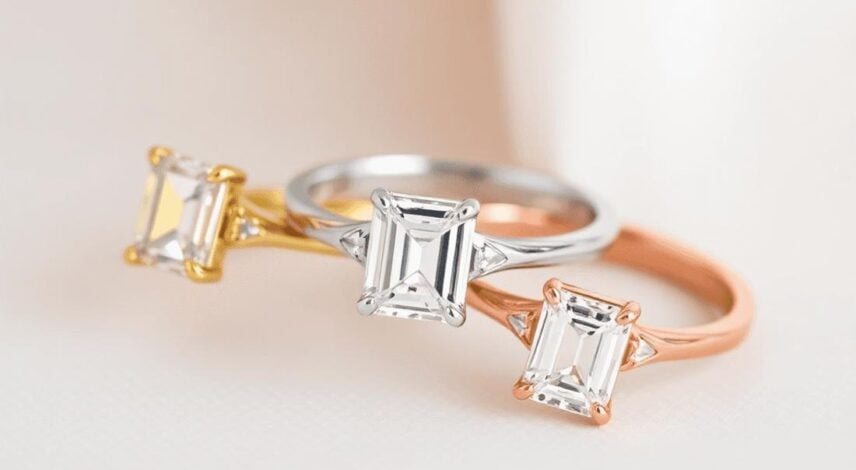
As you browse your options, you are instantly drawn into a stunning visual debate: the cool, contemporary brilliance of white gold; the rich, vintage warmth of traditional yellow gold; and the soft, romantic flush of rose gold. Each hue tells a radically different story and projects an entirely unique aesthetic.
However, beneath that initial splash of color lies a complex world of metallurgy, durability, and lifestyle compatibility. The metal color you choose dictates far more than just the visual vibe of your jewelry; it directly impacts how well the piece resists daily scratches, how it complements your specific skin tone, and the amount of long-term maintenance it will require over the decades.
Choosing the best gold color for jewelry isn’t merely a matter of picking your favorite shade. It requires looking at the physical makeup of these beautiful alloys. In this comprehensive, expert-backed guide, we will pull back the curtain on white gold vs yellow gold vs rose gold, breaking down the hidden science and everyday practicalities of each metal so you can choose the flawless foundation for your jewelry collection.
II. The Alchemy of Gold: Why Pure Gold Isn't Used in Fine Jewelry
Before we can compare the individual color personalities of fine gold jewelry, we must first shatter a common industry myth: there is no such thing as a piece of solid, 100% pure white or rose gold dug straight out of the earth.
In its absolute native state, gold is always metallic yellow. However, 24-karat pure gold is incredibly soft, remarkably malleable, and highly prone to warping, bending, and scratching under the slightest physical pressure. If a master jeweler were to set a stunning lab-grown diamond into a pure 24k gold setting, the daily bumps of a modern lifestyle would quickly cause the prongs to bend open, sending the gemstone tumbling out.
To transform gold into a resilient medium capable of securing precious stones for generations, it must undergo a beautiful process of alchemy. Metallurgists melt down the pure yellow gold and fuse it with precisely measured percentages of stronger “alloying” metals, such as copper, silver, zinc, and palladium.
This metallurgical marriage achieves two vital goals simultaneously:
It dramatically increases the structural hardness, tensile strength, and scratch resistance of the metal.
It shifts the chemical matrix of the material, allowing craftsmen to tint the gold into distinct color profiles like snowy white or warm blush pink.
When you purchase a piece of 14k gold jewelry, it means the metal consists of 58.3% pure yellow gold mixed with 41.7% alloy metals. An 18k gold piece consists of 75% pure yellow gold and 25% alloy metals. By varying the recipe of these added alloy metals, the jewelry industry brings the three classic gold colors to life.
III. The Three Gold Personalities: Deep-Dive and Physical Comparisons
Let’s dissect the physical properties, chemical recipes, and real-world advantages of each gold choice to see how they perform over a lifetime of continuous wear.
Yellow Gold: The Timeless, Hypoallergenic Icon
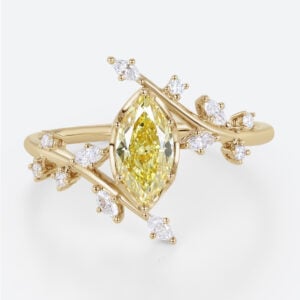
Yellow gold is the purest reflection of tradition. To create that unmistakable, sun-kissed radiance, pure gold is melted down with a balanced blend of silver and copper. By keeping the alloying metals neutral, the gold retains its natural, organic warmth.
The Recipe: Pure Gold + Silver + Zinc + a small amount of Copper.
The Pros: Yellow gold is historically celebrated as the most hypoallergenic of the three options, making it exceptionally safe for individuals with highly sensitive skin. Furthermore, because its color is baked directly into its DNA, it requires virtually no chemical maintenance over time—it will never change color or fade.
The Cons: Because the alloying recipe utilizes softer metals like silver to preserve the true yellow shade, yellow gold is structurally the softest of the three major options. While still perfectly secure for everyday wear, it will collect a fine patina of microscopic scratches slightly faster than its white or pink counterparts.
White Gold: The Sleek, High-Brilliance Champion
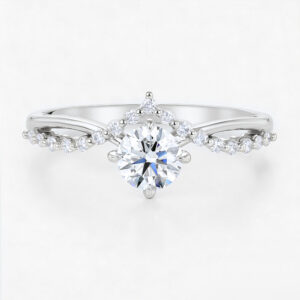
White gold is the modern darling of the bridal world, widely favored because its icy tone acts as a seamless extension of a diamond’s white brilliance. Because the base of the metal is still inherently yellow gold, creating a true white metal requires a two-step process. First, the gold is alloyed with strong white metals like palladium or silver. Second, the finished piece is treated with an outer coating of an ultra-rare precious metal called Rhodium.
The Recipe: Pure Gold + Silver + Zinc + Palladium (coated with an external layer of Rhodium plating).
The Pros: The external rhodium shield gives white gold a blinding, mirror-like reflectivity that perfectly enhances the fire of a colorless diamond without casting any unwanted yellow undertones into the stone’s facets. Furthermore, rhodium is an exceptionally hard metal, providing excellent initial scratch protection.
The Cons: Rhodium plating is not permanent. Through daily friction, hand sanitizers, and natural skin oils, this outer white shield will gradually wear away over a period of 12 to 36 months, subtly revealing the warm, faint yellowish-champagne undertone of the underlying K-gold. To maintain its crisp, icy-white brilliance, white gold requires a quick, periodic trip to your jeweler for a routine rhodium re-plating service.
Rose Gold: The Romantic, Ultra-Durable Contemporary Choice
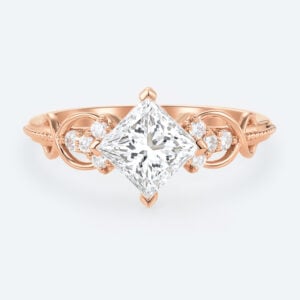
Rose gold (sometimes referred to as pink or red gold) infuses a distinct air of vintage romance and modern luxury into jewelry design. Its captivating, blushing glow is achieved by altering the metal alloy recipe to heavily feature a highly durable, rosy metal: copper.
The Recipe: Pure Gold + a high percentage of Copper + a touch of Silver.
The Pros: Copper is an incredibly rugged, rigid base metal. Because of this high copper content, rose gold is structurally the hardest, most scratch-resistant, and most bend-resistant metal of the three gold options. It doesn’t require any artificial surface plating to maintain its color, meaning its warm blush will never fade, peel, or change over time.
The Cons: While copper provides unparalleled structural durability, it is a known allergen for a small segment of the population. If you have an extreme, diagnosed skin allergy to copper, rose gold may cause minor skin irritation, making yellow gold a safer choice for ultra-sensitive skin.
IV. The Practical Decision Matrix: How to Choose Your Perfect Gold Color
Now that you know the chemical makeup and maintenance requirements of each metal, it’s time to move past the technical data and focus on how these metals interact with your body and lifestyle. Finding your personal best gold color for jewelry comes down to two major lifestyle filters.
Filter 1: The 60-Second Skin Undertone Test
Just like choosing a foundation or a clothing palette, precious metals interact beautifully with your skin’s natural undertones. You can easily determine your match using the quick “wrist vein” test under natural sunlight:
Cool Undertones (Blue or Purple Veins): If your veins look distinctly blue or purple, and silver clothing or white fabric makes your skin pop, White Gold is your natural match. Its icy brilliance creates a crisp, striking contrast that accentuates the porcelain or cool undertones of your skin.
Warm Undertones (Greenish or Olive Veins): If your veins lean green and you look radiant in earth tones, olive, or cream fabrics, Yellow Gold is your ultimate companion. The natural, rich warmth of yellow gold melts beautifully into warm skin tones, radiating an effortless, high-luxury glow.
Neutral Undertones (Blue-Green or Indistinguishable Veins): If you fall right in the middle, congratulations—you have the ultimate stylistic freedom. Rose Gold acts as a universal bridge. Its delicate pink blush complements both cool and warm undertones, making it a foolproof, universally flattering choice for any jewelry enthusiast.
Filter 2: The Maintenance & Lifestyle Reality Check
Be honest about how you plan to wear your jewelry and how much time you want to spend maintaining it over the years:
The Low-Maintenance Daily Wearer: If you want a ring you can wear to the gym, in the shower, and during outdoor adventures without ever thinking about chemical re-plating, choose Rose Gold or Yellow Gold. Their colors are solid all the way through, meaning daily wear only adds a beautiful, historic patina rather than wearing away a surface layer.
The Maximum-Brilliance Diamond Purist: If your ultimate goal is to make a high-color-grade diamond look as white, large, and blindingly brilliant as possible, choose White Gold. It is the absolute industry favorite for classic solitaire engagement rings because the lack of yellow tint prevents any warm color reflections from bouncing up into the diamond’s facets.
V. Architectural Visual Magic: Matching Gold Colors to Complex Settings
The metal color you choose doesn’t just sit beneath the stone—it alters how the entire structure of the ring is perceived. Master jewelry designers utilize different gold tones to elevate specific artistic aesthetics:
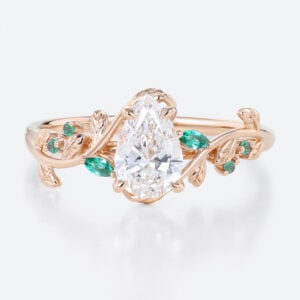
Botanical Filigree and Rose Gold
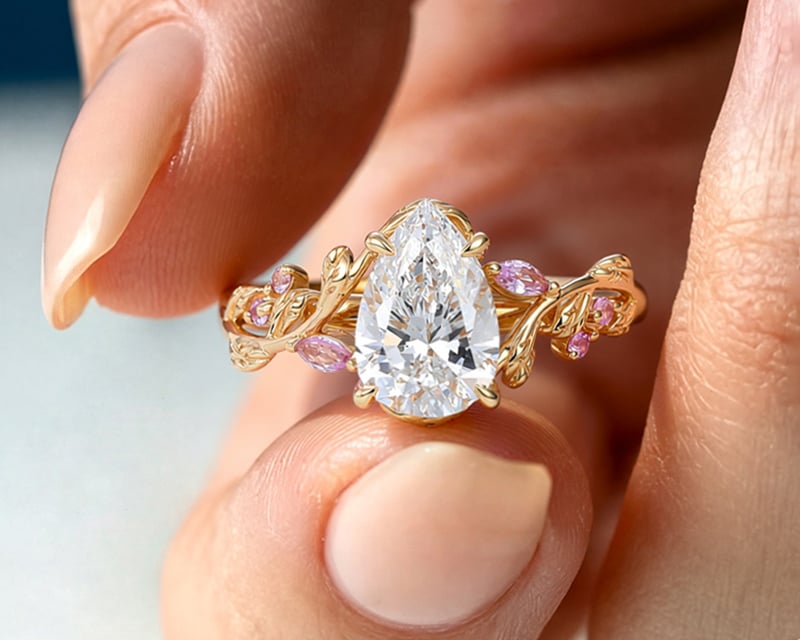
For intricate, nature-inspired jewelry featuring delicate leaves, vines, and organic textures, rose gold is an absolute masterpiece. The soft, blushing undertones of the copper alloy amplify the romantic, antique look of botanical filigree designs. It softens the hard lines of metalwork, transforming a geometric ring structure into a warm, living work of art.
The "Mixed-Metal" Prong Illusion (4-Prong & 6-Prong Settings)
A brilliant insider secret practiced by high-end jewelry benches involves splitting the metal colors between the band (shank) and the head (the prongs holding the diamond).
If a buyer falls completely in love with the vintage aesthetic of a yellow gold or rose gold band, a designer will often construct the actual 4-prong or 6-prong head out of white gold. Why? Because prongs made of yellow or rose gold will naturally reflect warm light into the edges of a colorless diamond, making a perfectly white stone look slightly yellow. By utilizing white gold prongs on a colored band, the diamond stays icy white, while the band retains its warm, classic character.
Conclusion: The Gold that Matches Your Story
Ultimately, there is no single “best” option in the debate of white gold vs yellow gold vs rose gold. The choice is a beautiful intersection of your physical skin undertones, your willingness to perform routine jewelry maintenance, and the design aesthetic of your dreams.
If you crave sleek, contemporary brilliance and don’t mind a quick trip to the jeweler for a routine rhodium dip, white gold will make your diamonds sing. If you want timeless, rich history that is incredibly gentle on sensitive skin, yellow gold remains undefeated. And if you desire maximum scratch-resistant durability wrapped in a soft, vintage romance that flatters every skin tone, rose gold is your winner.
Choose the metal that aligns with your lifestyle and feels like a natural extension of your personal style—because the perfect gold isn’t just valuable on a market scale; it’s the metal that tells your story every single day.