
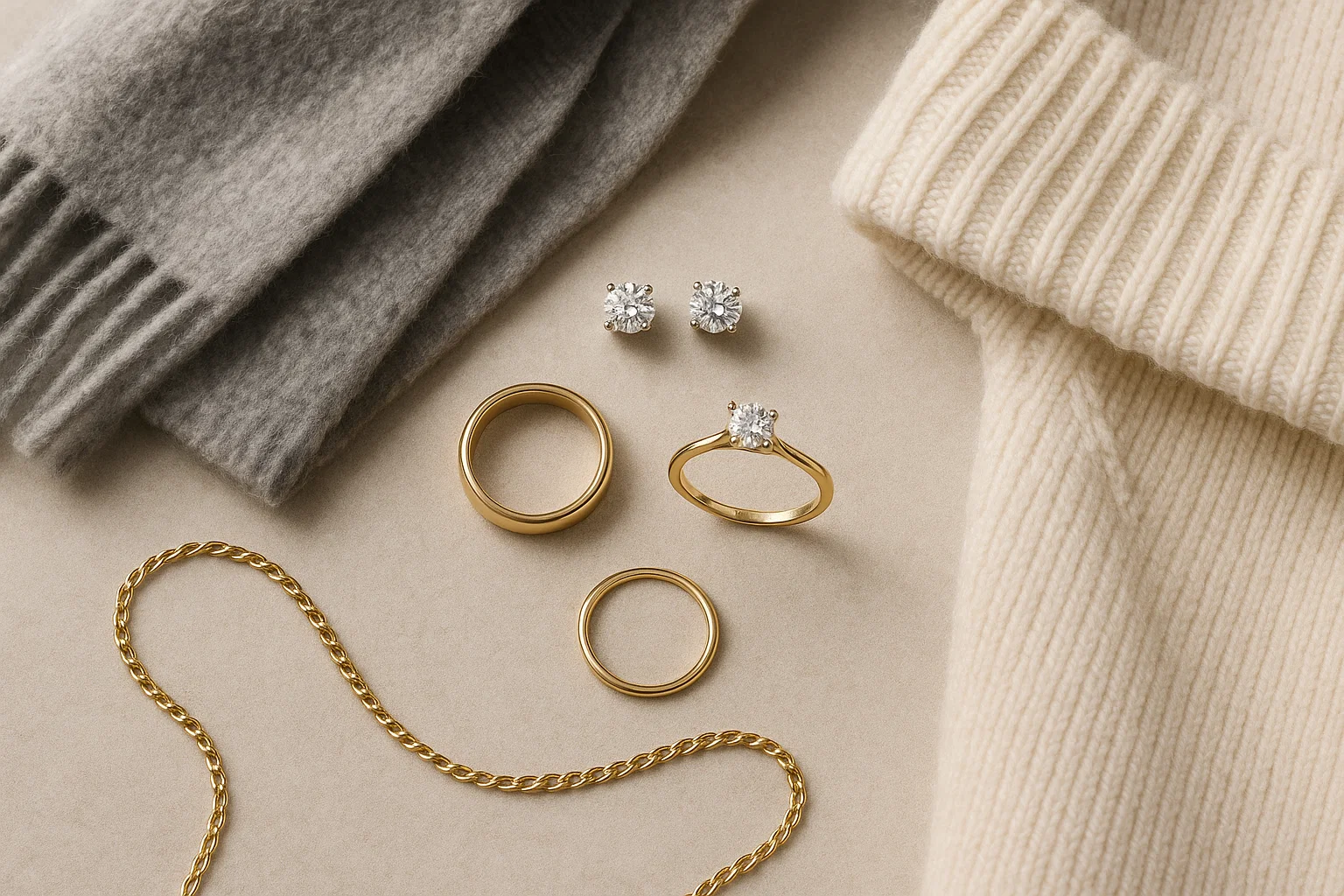
I. The Only Rule That Truly Protects Your Jewelry All Winter
If you want to wear your beloved jewelry safely in winter, remember this:
The key to safe jewelry wearing in winter is to choose smooth, understated styles and wear jewelry after putting on a coat and scarf—never wear it before putting on a coat and scarf.
That simple sequence and design choice will prevent almost every common winter problem: snagged knits, tangled chains, bent prongs, loosened earring backs, and rings scratched by zippers. Winter fabrics are heavy, textured, and constantly moving, which means your jewelry must stay out of their way—not under them, not pressed against them, and not tangled within them.
Next, LisaJewelryUS will tell you why winter is more damaging to jewelry, which pieces are the safest, and how to elegantly style rings, necklaces, and earrings without damaging them.
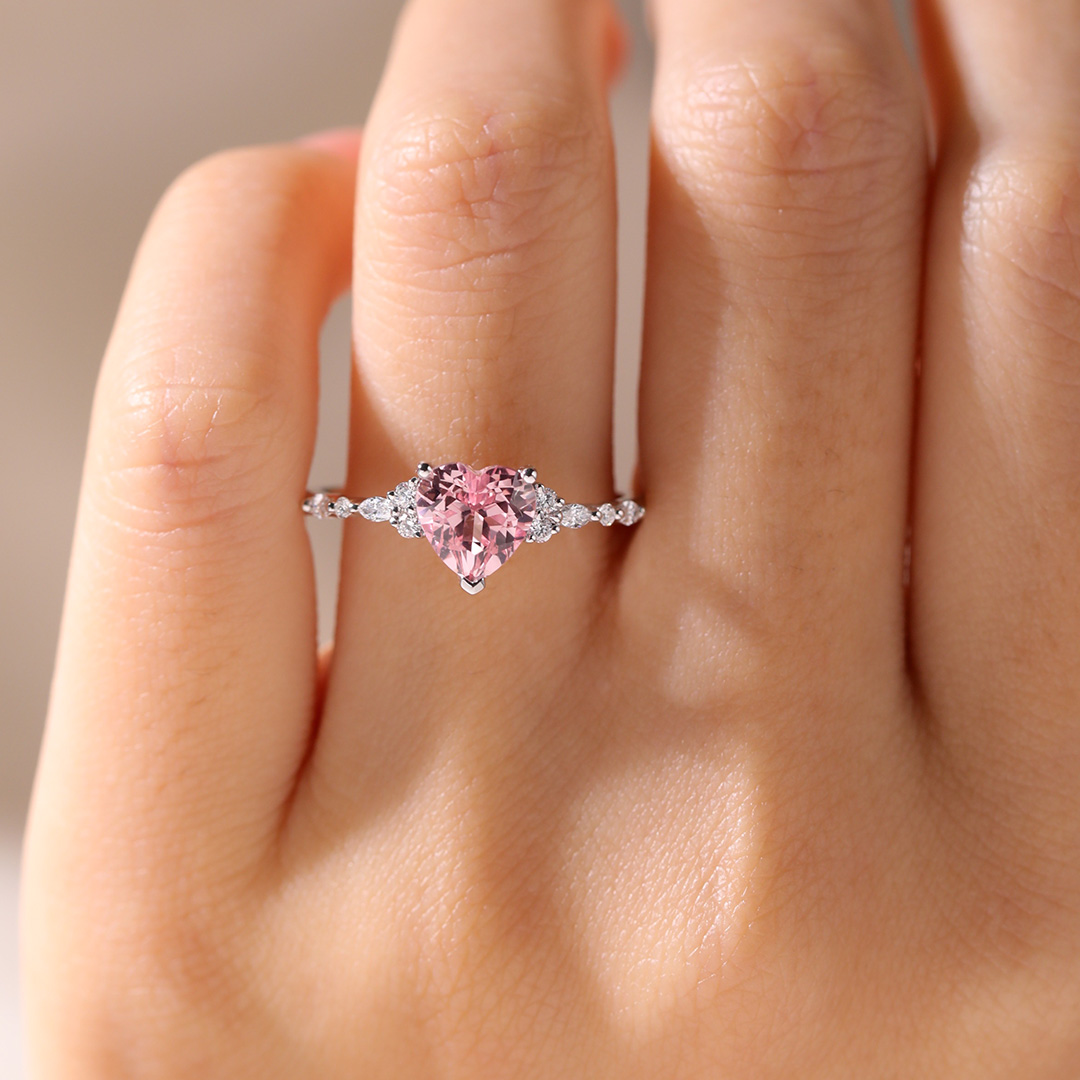
II. Why Winter Clothing Damages Jewelry (And Why It Happens So Easily)
Winter may be cozy and stylish, but it’s also the season with the highest rate of accidental jewelry damage. Thick fabrics, layered collars, and wool textures create an environment where even well-made pieces can get scratched, pulled, or loosened. To style jewelry safely, you first need to understand the three forces that make winter uniquely dangerous for your favorite rings and necklaces.
Textured Fabrics Snag Prongs and Chains Instantly
Wool, cashmere, mohair, cable knits, ribbed sweaters—winter wardrobes are full of textures that catch on jewelry.
These fabrics easily pull on:
- prong-set engagement rings
- delicate chain necklaces
- pendant bails
- hoop earrings near coat collars
This is why many winter accidents begin with a single “catch” that loosens a prong or tears a thread.
Scarves Create Constant Friction and Movement
Scarves shift every time you turn your head, adjust your coat, or step into a breeze.
Because scarves sit close to the neck and chest, they:
- twist necklaces
- flip pendants backward
- knot chains
- rub against earring posts
- tangle long or layered necklaces
Scarves are the number-one winter enemy of fine chains.
Coats Apply Pressure and Impact
Structured winter coats—especially wool trenches, padded jackets, and zippered parkas—can press jewelry against hard surfaces.
This pressure causes:
- bent ring shanks
- scratched gold bands
- loosened prongs
- damaged gemstone edges
- displaced earring backs
Many people damage rings just by sliding their arm through a coat sleeve.
Cold Temperatures Loosen Rings
Cold weather causes fingers to shrink slightly—enough for rings to spin or slide up and down.
This increases the risk of:
- hitting rings against zippers and metal hardware
- losing rings when removing gloves
- micro-cracking stones from repeated impact
This is why “how to wear rings in winter” becomes a high-volume search term every year.
III. How to Wear Rings in Winter Without Snagging or Scratching
Rings are the most vulnerable jewelry category in winter because they interact directly with the fabrics—and the hardware—you touch most often. The key is to style rings in a way that avoids friction, pressure, and sudden movement.
Choose Low-Profile, Smooth Designs
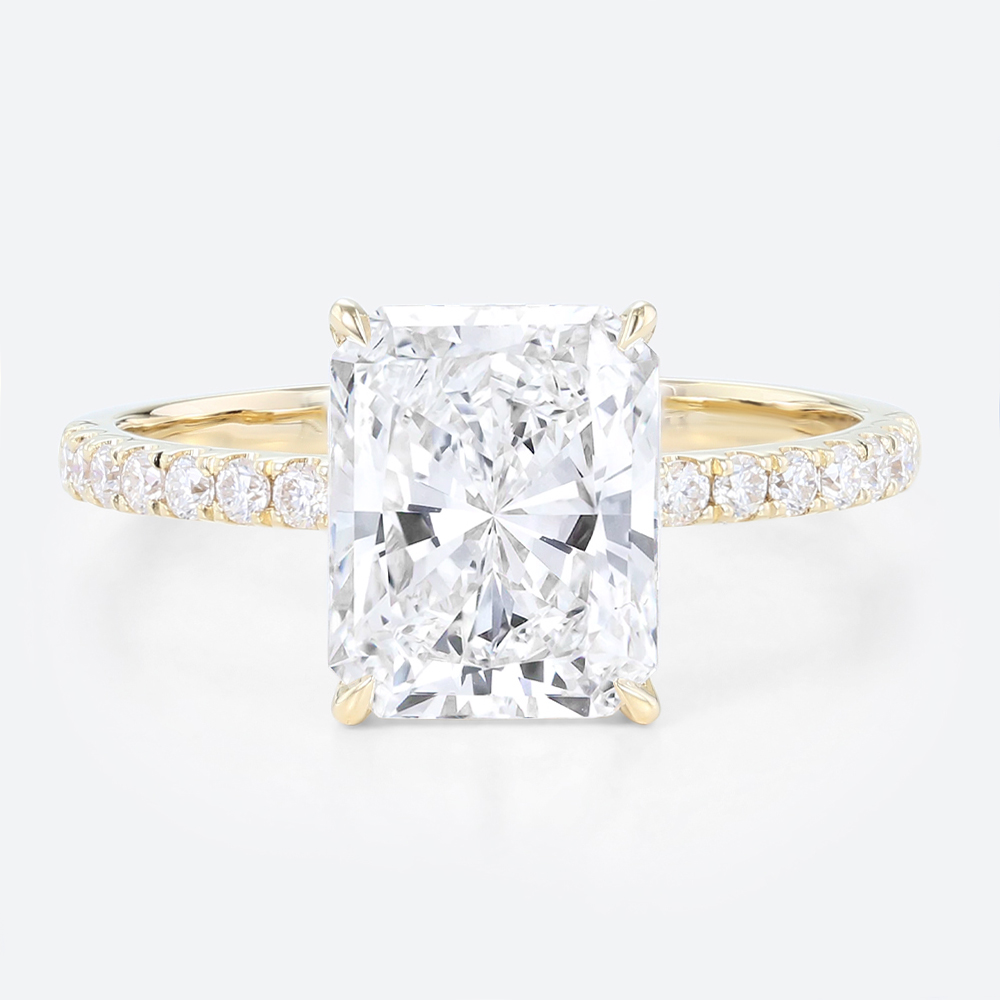
Rings with tall prongs, sharp corners, or high-set gemstones easily catch on knits and gloves.
Winter-safe ring designs include:
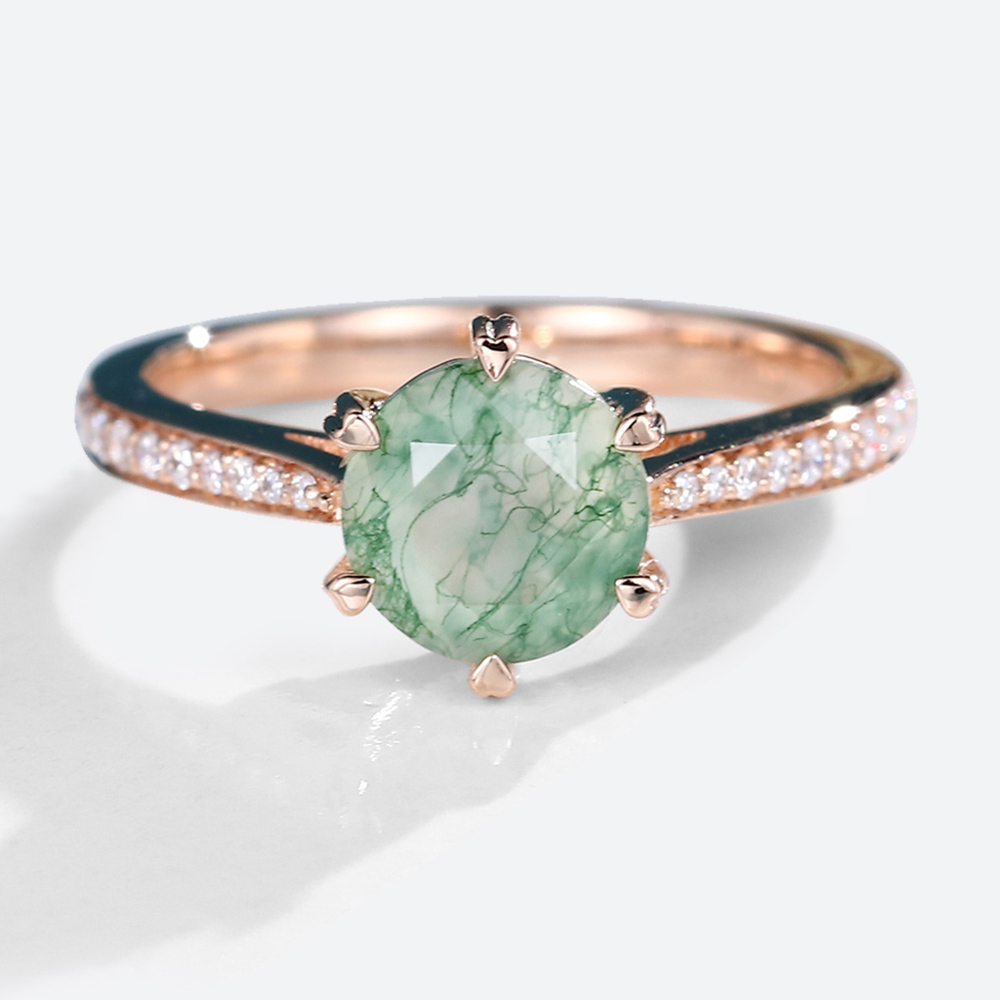
- low-profile engagement rings
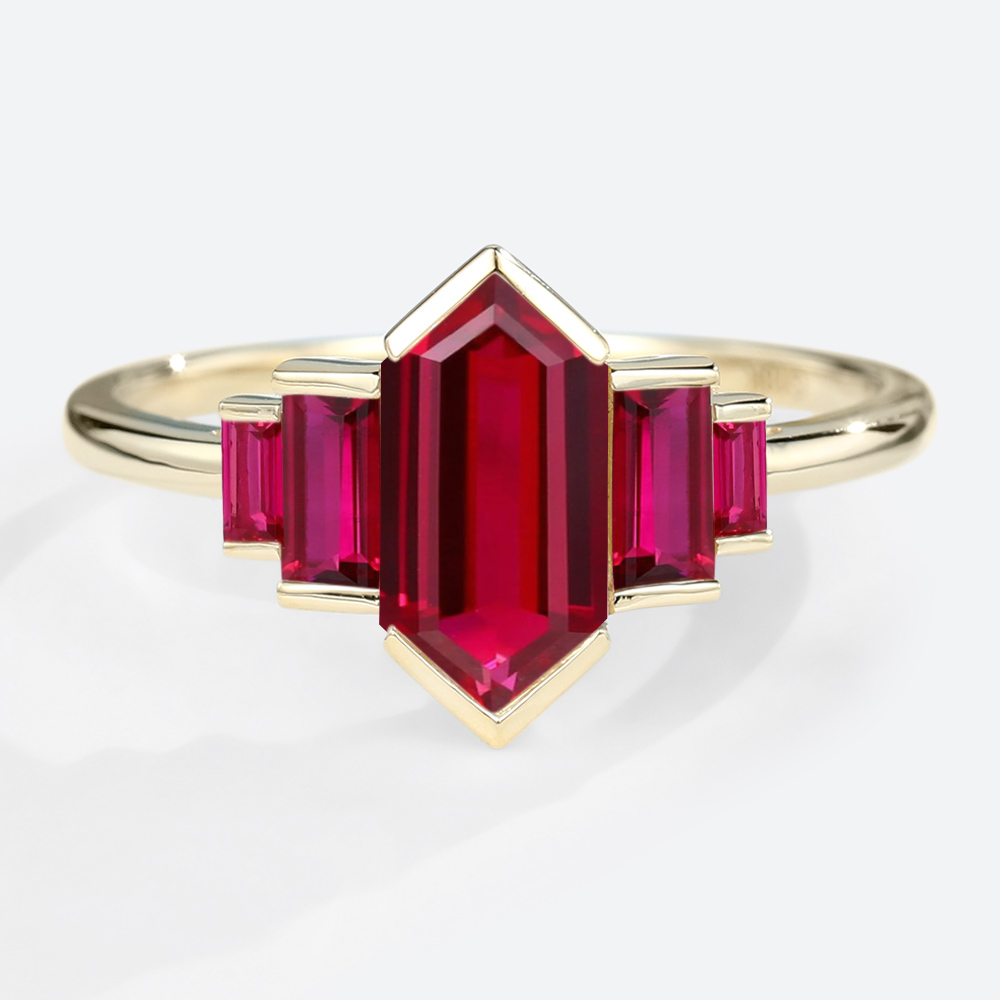
- bezel-set stones
- channel-set bands
- smooth, rounded metal bands
- petite pavé rings with minimal height
These styles glide past sweaters and coat sleeves, dramatically reducing the risk of snags and scratches.
Put On Rings After Coats and Gloves
This single habit prevents 80% of winter ring accidents.
When putting on outerwear:
- slip hands through sleeves first
- zip or button the coat
- put on gloves
- then put on rings
Reversing the order when undressing—rings off first, coat off last—keeps your jewelry away from metal hardware and thick fabrics.
This simple sequencing rule is the foundation of truly effective winter jewelry care.
Watch for Loose Rings on Cold Days
Cold air makes fingers shrink slightly, making rings feel looser than usual.
Warning signs include:
- rings spinning
- rings tapping against coat zippers
- slipping when you remove gloves
- unexpected metal-to-metal contact
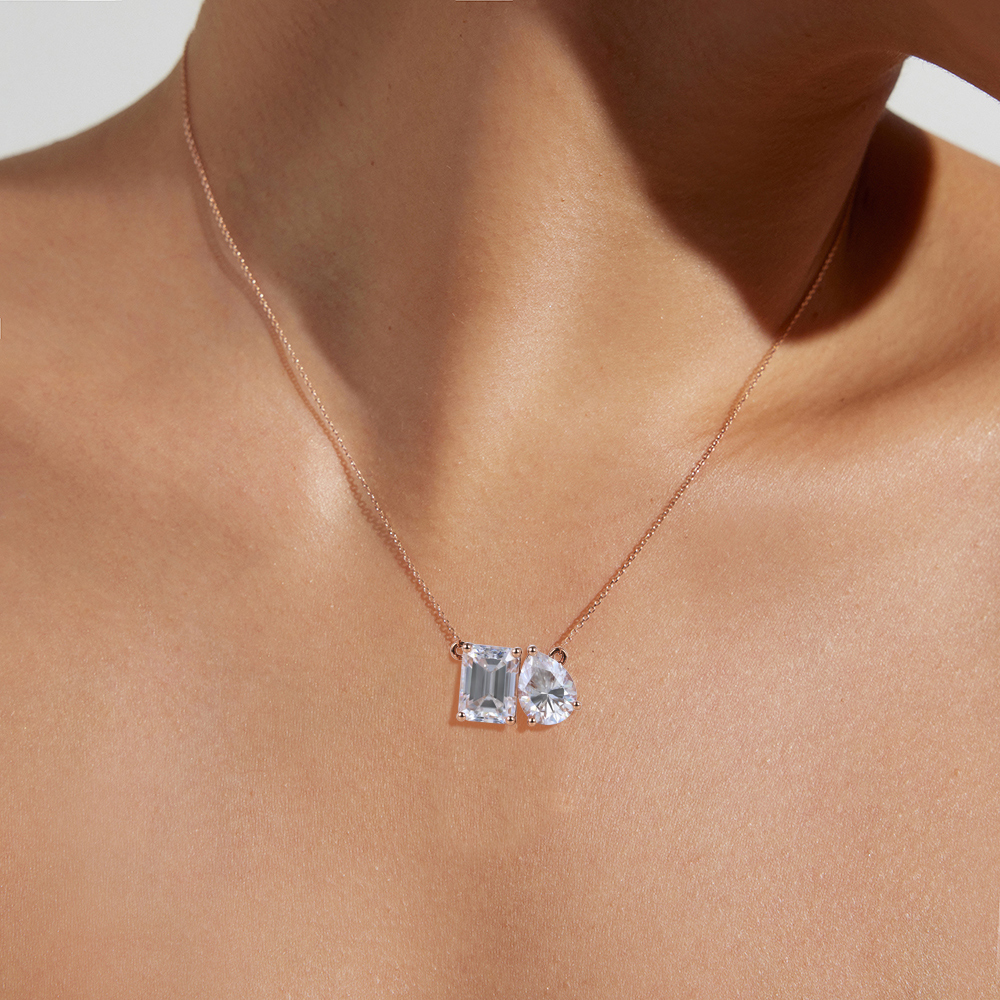
If you experience these, consider:
- wearing snugger bands on cold days
- adding a temporary ring adjuster
- avoiding outdoor wear of heirloom or delicate pieces
A secure fit is essential for how to wear rings in winter safely.
IV. How to Wear Necklaces with Scarves and Collars Without Tangling
Necklaces are the second most vulnerable jewelry category in winter, especially when scarves enter the picture. Scarves shift, tug, and create constant friction—a perfect recipe for tangled chains and flipped pendants.
The solution lies in choosing the right necklace style and the right layering strategy.
Keep Necklaces Above or Below the Fabric—Never Between
Necklace disasters happen when the chain gets trapped between your scarf and coat or between a turtleneck and outerwear layer.
This is where 90% of tangles begin.
To avoid this:
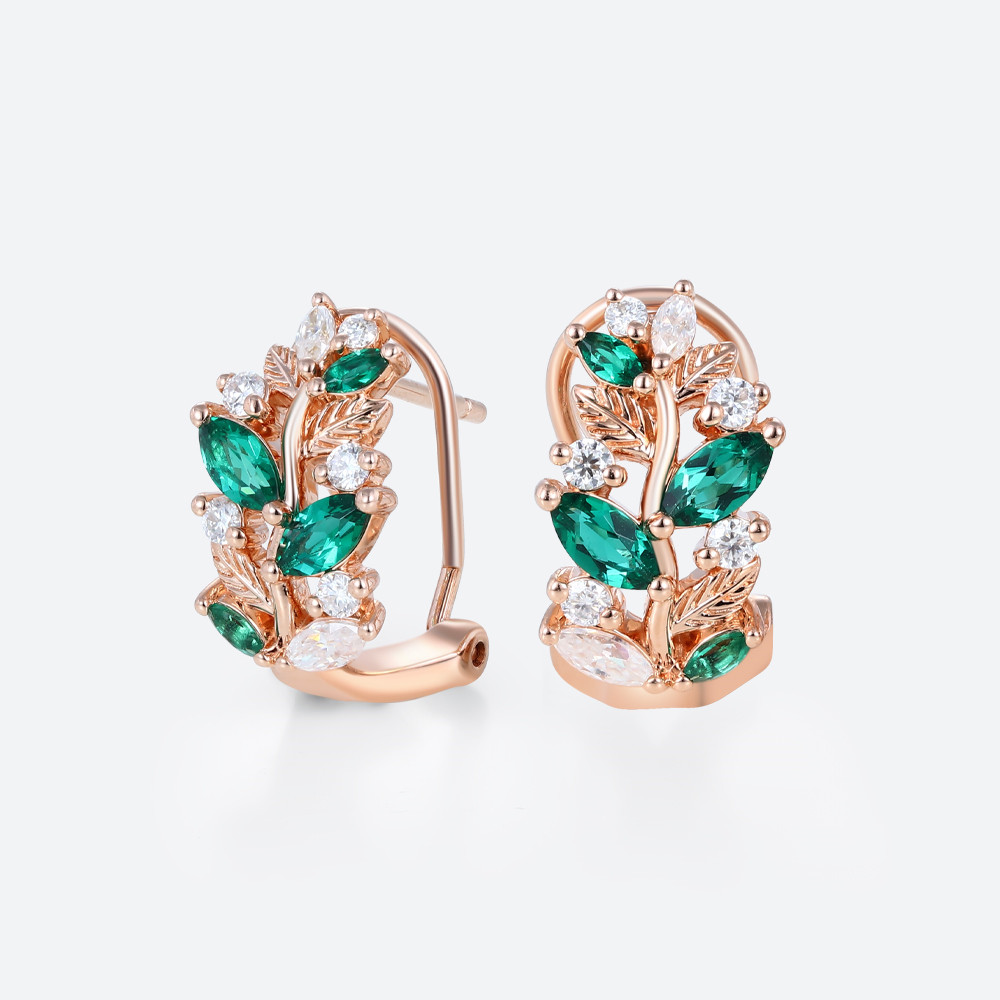
- wear short chains or chokers fully above the neckline
- or keep necklaces fully tucked inside the sweater
- but avoid mid-length chains unless you are not wearing a scarf
Creating a clean separation between the jewelry and fabric is the key to avoiding jewelry damage from scarves.
Choose Winter-Friendly Necklace Styles
Some necklaces simply survive winter better than others.
Best winter options:
- short gold chains (14–16 inches)
- thicker, sturdier links
- pendants with smooth edges
- lockets or medallions
- pearl chokers (surprisingly tangle-resistant)
Avoid:
- fine cable chains
- long pendant necklaces
- multi-layer delicate sets
- open geometric designs that catch fibers
These delicate pieces tend to knot under scarves or pull against coat lapels.
Be Careful with Scarves That Rub Jewelry
Scarves with texture—wool, boucle, mohair—are the most dangerous. They cause:
- chain friction
- pendant flipping
- knotting under the scarf layer
- thread pulling from both the scarf and the jewelry
If you want to wear a necklace and a scarf simultaneously, choose:
- a smooth cashmere scarf
- a silk neck scarf tied loosely
- or no scarf at all (coat-only days)
These reduce friction and protect your necklace from unnecessary wear.
V. How to Wear Earrings with Winter Coats and Scarves
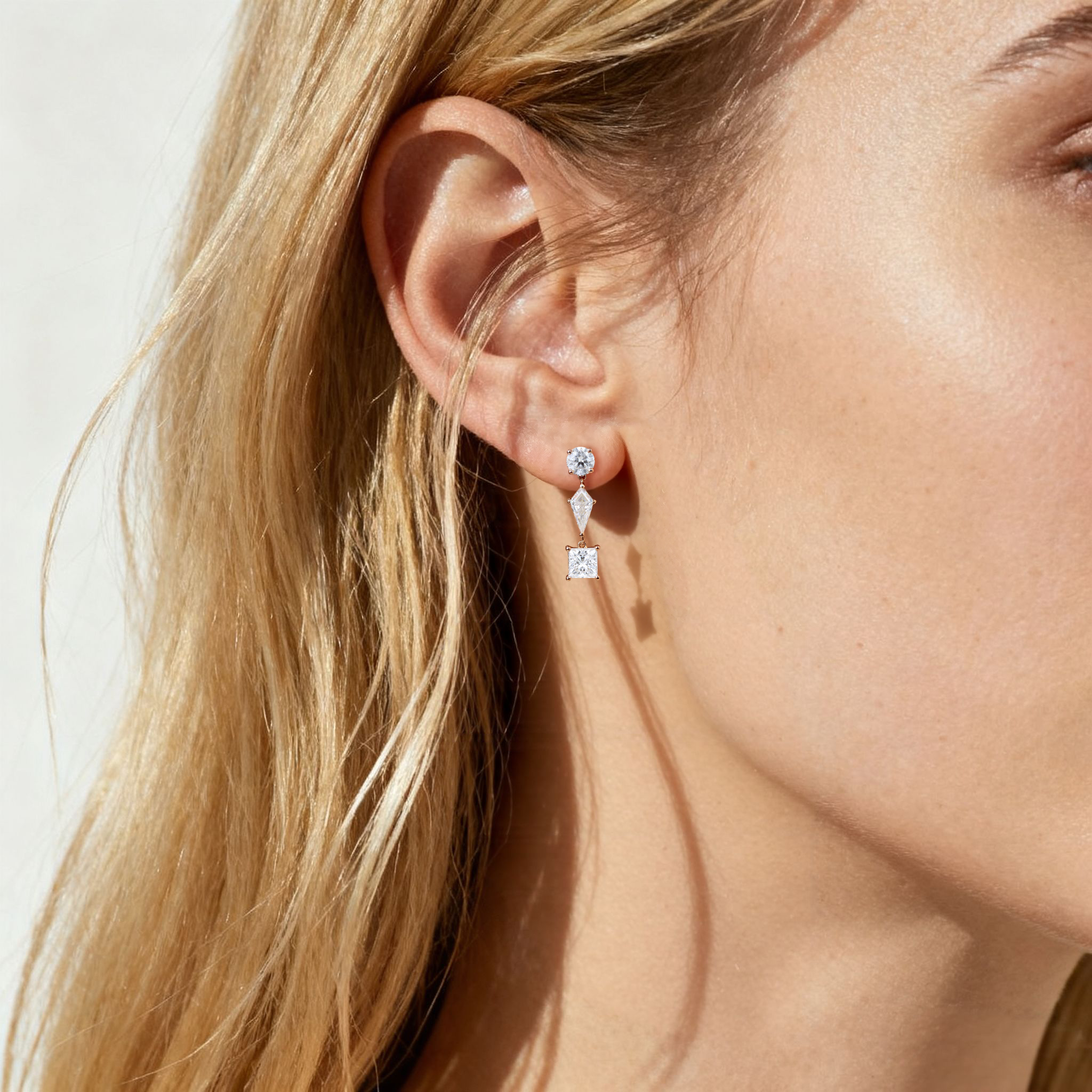
Earrings might seem safer than rings or necklaces, but winter clothing can still pull, twist, or loosen them. Coat collars and scarves sit close to the ears, making secure styles essential.
Choose Studs or Small Hoops for Maximum Safety
The safest winter earrings are:
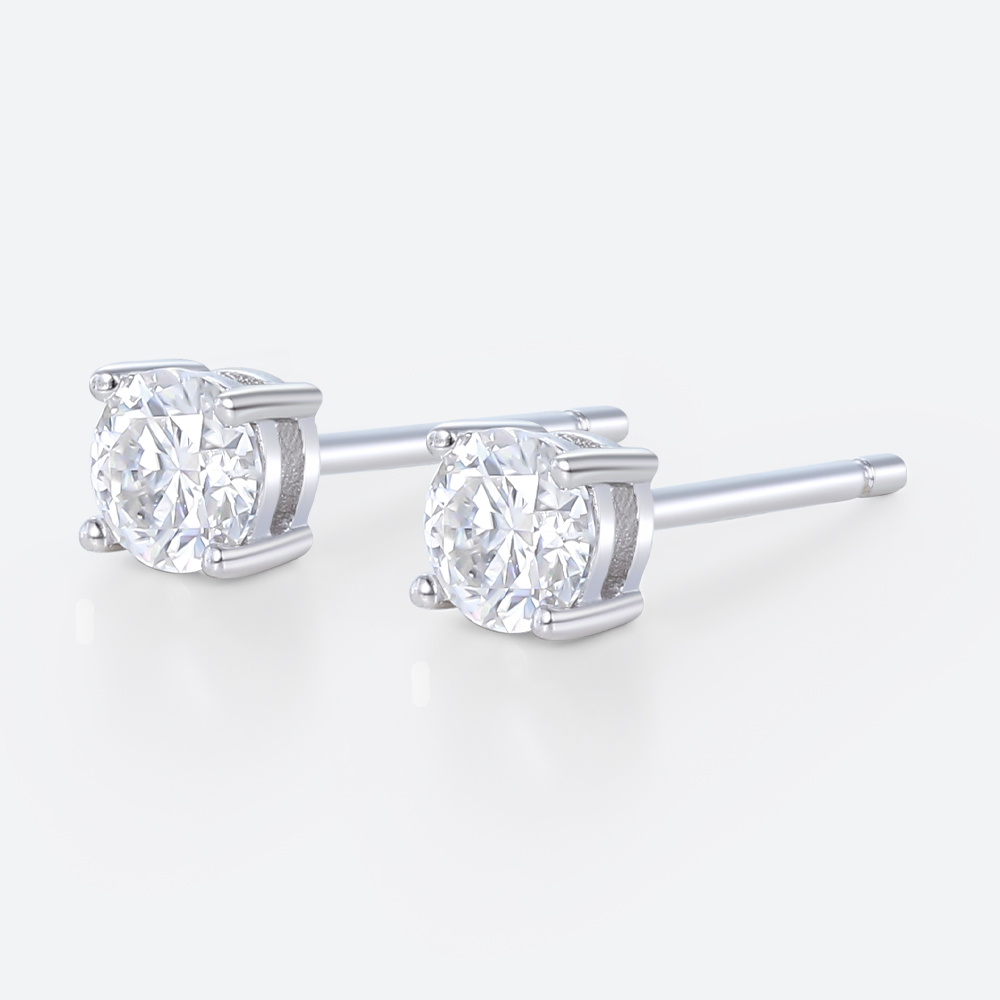
- diamond studs
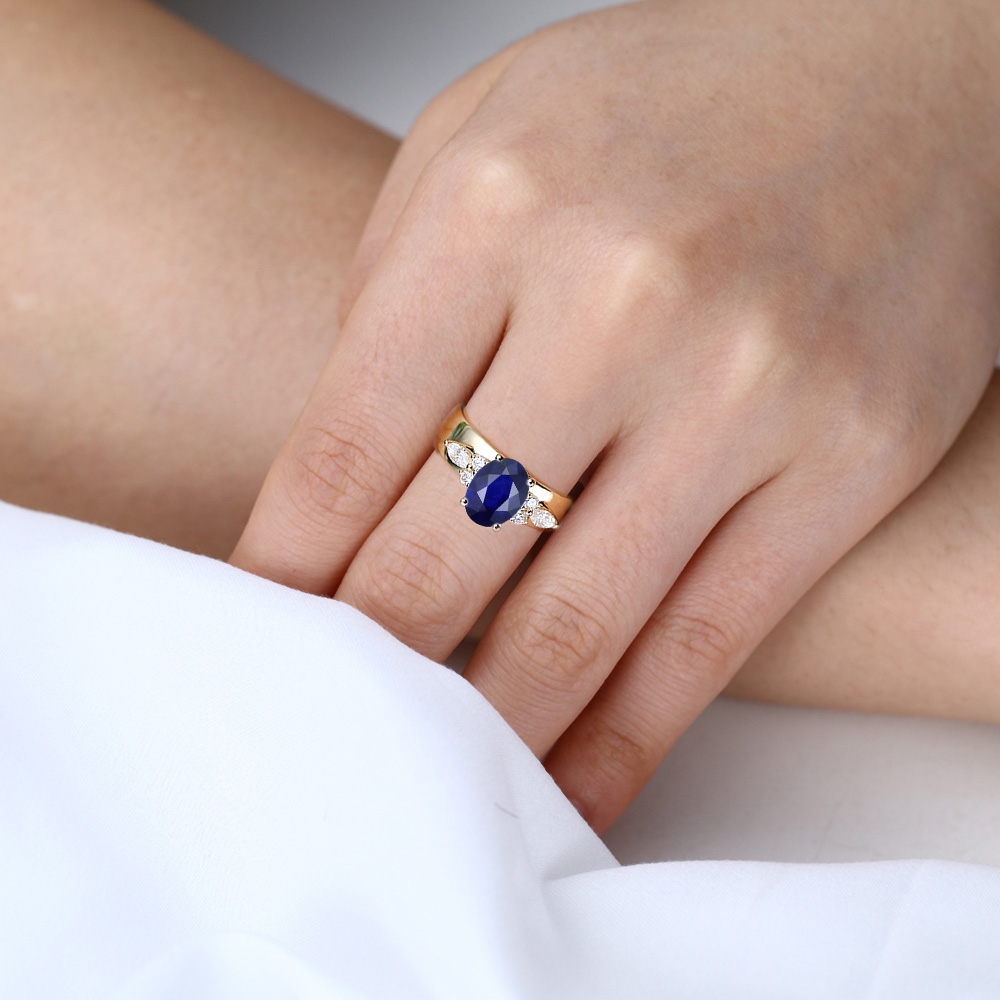
- gemstone studs
- huggies
- small closed hoops
- flat-back earrings
These stay close to the ear and cannot hook on scarves, hats, or coat collars.
They’re comfortable, polished, and winter-friendly.
Be Cautious with Large Hoops and Drop Earrings
The risk isn’t just snagging—it’s movement. When a scarf brushes a large hoop, it can:
- pull the earring
- loosen the back
- tilt the earring forward
- cause discomfort
- even lead to loss
If you want to wear statement earrings, simply skip the scarf that day or opt for a lower, open coat neckline.
Double-Check Earring Backs Before Heading Out
Cold weather + constant friction = loose earring backs.
Winter-safe backing options:
- screw backs
- secure friction backs
- latch-back hoops
- flat backs that don’t catch on fabric
A quick check before leaving the house prevents winter mishaps.
VI. Choosing Winter-Friendly Jewelry Materials and Settings
Not all jewelry designs perform the same way in winter. Some settings are more likely to snag on knits, while others hold up beautifully against thick fabrics. Choosing the right materials and construction can greatly reduce your risk of winter damage.
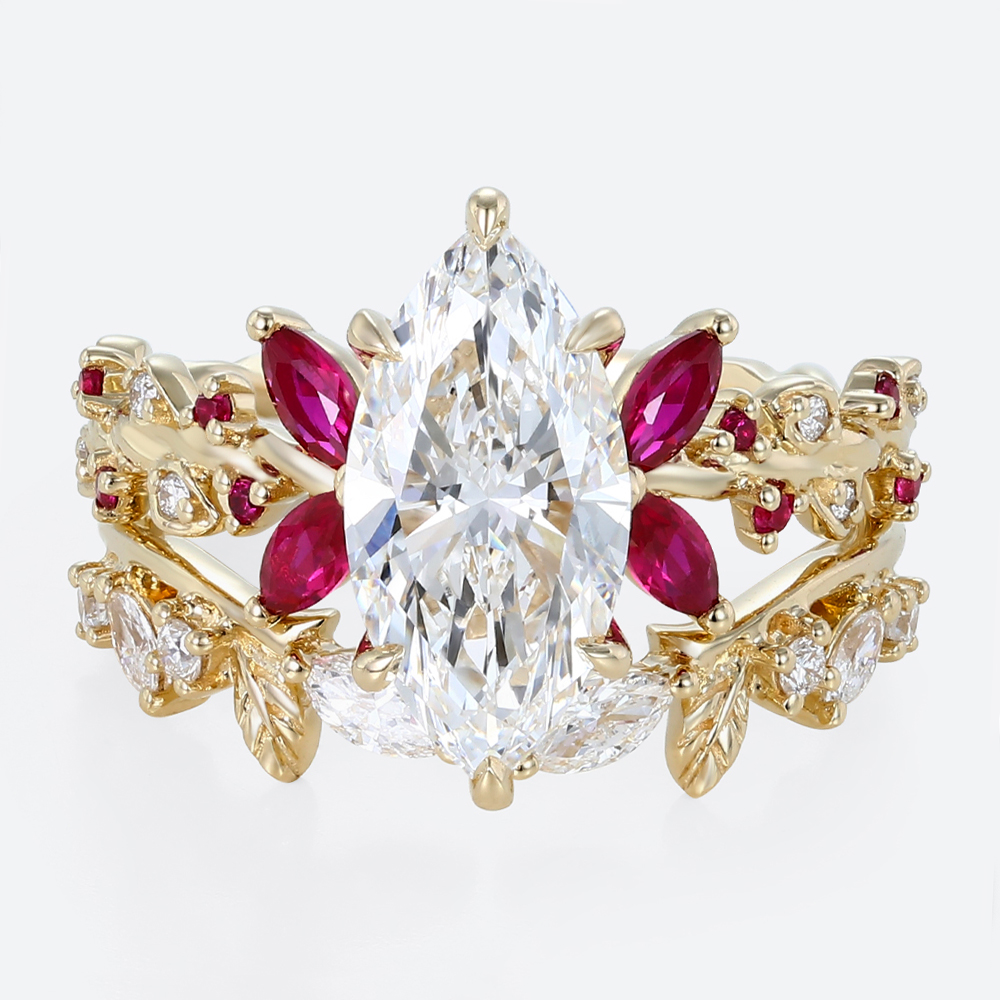
Opt for Low-Profile Settings Over Tall Prongs
Tall prongs are the biggest culprits when it comes to sweater snags.
Safer winter alternatives include:
- bezel-set gemstones
- low-prong solitaire settings
- flush-set stones
- channel-set designs
- smooth solid bands
These choices minimize catching and are far more resilient when sliding your arms through coat sleeves.
Pick Stronger Chains Instead of Delicate Ones
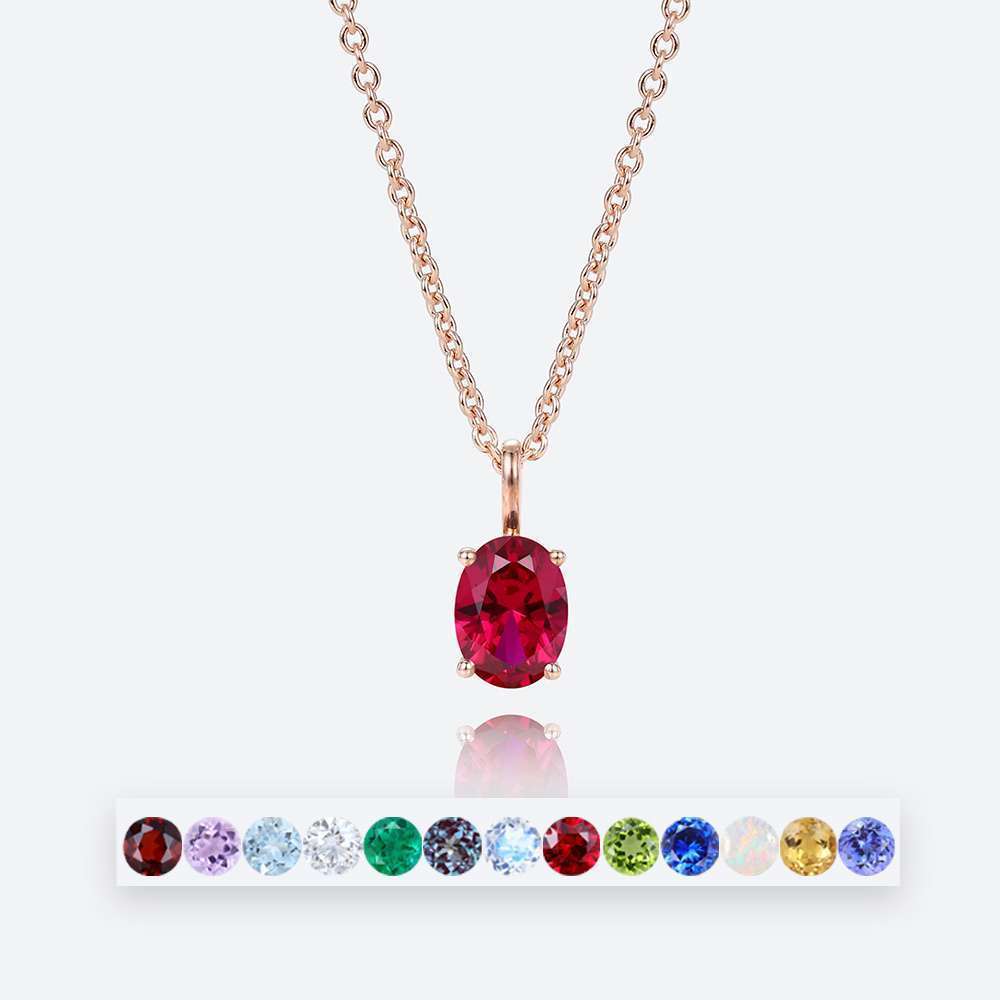
Winter is not the season for ultra-thin or fragile chains.
Best winter options:
- sturdy cable or curb chains
- box chains
- paperclip chains
- snake chains
These resist knotting, lay flatter under scarves, and handle more friction without breaking.
Choose jewelry with:
- rounded edges
- polished finishes
- closed backs on earrings
- non-textured surfaces
Smooth surfaces slide past fabric instead of clinging to it—ideal for preventing winter jewelry damage.
VII. When You Should Not Wear Jewelry in Winter
Even with the best techniques, there are times when removing jewelry is the smartest and safest option. Winter clothing and routines can introduce unexpected risks.
Here are the high-risk moments when you should take jewelry off:
When Putting On or Taking Off Sweaters, Turtlenecks, and Hoodies
Fabric passes directly over your ears, neck, and hands—prime areas for snagging:
- rings catch on sleeves
- earrings get pulled
- necklaces tangle
Always remove jewelry before pulling clothing over your head or hands.

When Wearing Chunky Scarves or High, Structured Coats
Extra-thick scarves, wool wraps, and high collars create too much friction.
In these situations:
- wear earrings only
- skip chains entirely
- stick to minimal, smooth rings
Some outfits simply aren’t jewelry-friendly—and that’s okay.
When Using Hand Cream or Cold-Weather Moisturizers
Winter moisturizers can collect under rings, loosen them, or cause slipping.
Remove rings before moisturizing to avoid buildup and accidental loss.
During Very Cold Outdoor Activities
Extreme cold increases ring looseness and decreases metal durability.
Avoid wearing:
- delicate gemstone rings
- heirloom pieces
- bands with micro-pavé
- easily bent gold rings
Snow, ice, and gloves do not mix well with fine jewelry.
VIII. Final Thoughts — A Safe, Stylish Winter Jewelry Routine
Winter doesn’t mean you have to hide your jewelry—only that you need a smarter, more intentional routine. With the right designs, the right layering strategy, and the right habits, you can enjoy your favorite pieces without worrying about snagging sweaters or damaging delicate chains.
Remember the core principle that guides everything in this article:
Choose smooth, low-profile jewelry, and put it on after your winter layers.
From rings that glide past coat sleeves to necklaces that sit cleanly above knits, winter styling becomes effortless once you understand how jewelry and fabric interact. With mindful choices and simple care habits, your jewelry can stay safe, beautiful, and part of your signature winter look.