






















Valentine’s Day is one of the most popular times of the year to propose. In the weeks leading up to February 14th, engagement ring searches surge, jewelers launch romantic campaigns, and certain styles dominate the spotlight.
But here’s what many people don’t notice: engagement ring trends often begin shifting immediately after Valentine’s Day.
What feels like “the trend” in early February can look very different by early March. Classic solitaires give way to modern minimal styles. Statement halos start losing ground to sleek bezels. Lab diamonds gain more attention. Personalization increases.
So why does this happen every year?
The answer lies in how people buy before Valentine’s Day versus how they buy after it. February purchases are often emotional and time-sensitive. Post-Valentine’s purchases are more intentional and long-term focused. That shift in mindset quietly reshapes engagement ring trends almost overnight.
If you’re researching engagement ring trends or planning a proposal outside the holiday rush, understanding this pattern can help you choose more confidently.
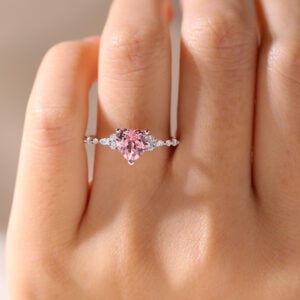
I. Valentine’s Day Is Emotion-Driven Buying
Valentine’s Day proposals carry strong emotional weight. The holiday itself creates a romantic framework, and that affects what buyers choose.
Classic Engagement Ring Trends Peak in February
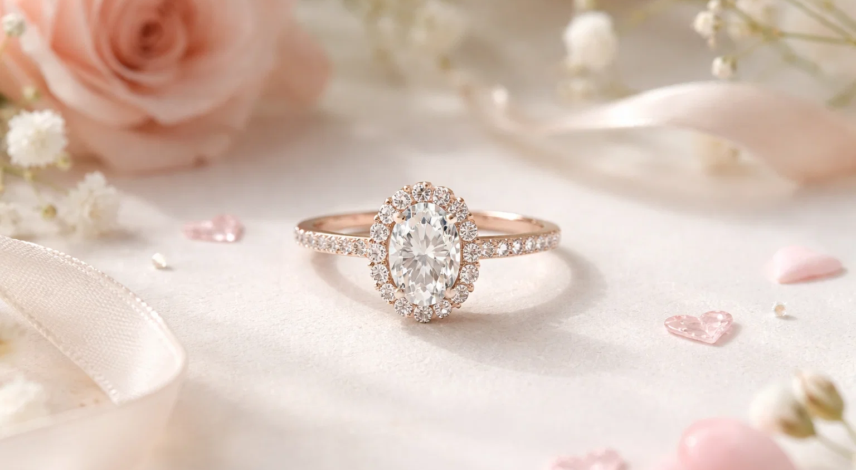
Before Valentine’s Day, buyers tend to favor timeless and widely accepted styles. Round brilliant solitaires, white gold bands, and halo settings dominate search results. These designs feel safe, romantic, and universally admired.
When someone is planning a Valentine’s proposal, there’s often pressure to “get it right.” Choosing a classic engagement ring minimizes risk. It ensures the ring looks impressive in photos and aligns with traditional expectations.
Search behavior reflects this. Terms like “best engagement ring for Valentine’s Day” and “classic diamond engagement ring trends” typically rise in late January. Buyers are looking for reassurance, not experimentation.
As a result, February engagement ring trends are often concentrated around familiar silhouettes and high-sparkle designs.
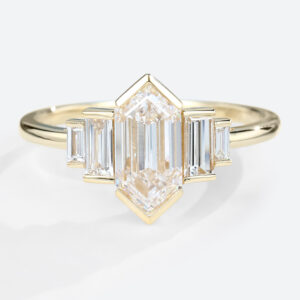
Social Media Amplifies the Holiday Look
Another reason engagement ring trends become temporarily concentrated in February is visibility. Social media feeds fill with proposal announcements. Influencers and celebrities showcase eye-catching rings with large center stones, dramatic halos, and maximum brilliance.
This repetition shapes perception. When similar styles appear repeatedly online, they start to feel like the standard. Buyers may gravitate toward these designs simply because they see them everywhere.
However, this visibility spike is seasonal. Once Valentine’s Day passes and the flood of proposal posts slows, the sense of a “single dominant trend” weakens. Without constant reinforcement, preferences begin to diversify.
II. What Changes Immediately After Valentine’s Day
As soon as February 14th passes, the urgency fades. Buyers are no longer racing against a holiday deadline. That change alone alters engagement ring trends.
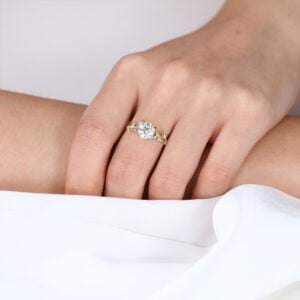
Buyers Become More Practical
Post-Valentine’s shoppers often spend more time researching. Instead of focusing only on appearance, they begin comparing value, durability, and long-term wearability.
Search interest shifts toward:
- lab diamond engagement ring trends
- affordable engagement ring styles
- custom engagement ring ideas
- modern engagement ring designs 2026
Lab-grown diamonds frequently gain traction during this period. Without the pressure of a romantic deadline, buyers evaluate cost efficiency and sustainability more carefully.
This practical mindset broadens the market. Engagement ring trends become less about spectacle and more about balance—between size and comfort, beauty and budget.
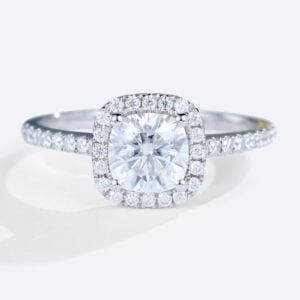
Minimal and Personal Styles Gain Momentum
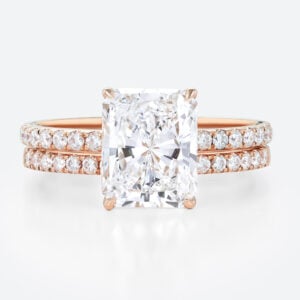
One of the most noticeable post-Valentine’s shifts is the rise of minimalist engagement rings. Sleeker silhouettes, thinner bands, and bezel settings start trending upward. Oval and elongated shapes become more popular because they offer visual presence without excess bulk.
Why? Because people begin imagining how the ring fits into daily life, not just a proposal moment.
Searches for “simple engagement ring trends” and “unique engagement ring styles” often increase in late February and March. Buyers want something that reflects their personality rather than a seasonal marketing narrative.
Post-Valentine’s engagement ring trends lean toward individuality. Instead of one dominant look, multiple aesthetics coexist—modern minimal, vintage-inspired, colored gemstone, lab-grown, or custom.
And that diversity is what makes this period especially interesting.
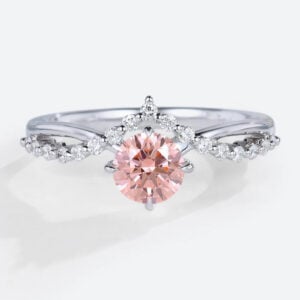
III. Why Engagement Ring Trends Shift Every Year — Not Just This Season
The shift in engagement ring trends after Valentine’s Day isn’t random. It follows a predictable pattern driven by psychology, marketing cycles, and how people make long-term decisions.
Emotional Buying vs. Long-Term Wearing
Valentine’s Day proposals are about the moment. The lighting, the setting, the surprise, the photos — everything is designed to feel magical. In that context, larger stones, dramatic sparkle, and traditional silhouettes make sense. They perform well visually and symbolically.
But an engagement ring isn’t worn for a single evening. It’s worn daily.
After the holiday passes, buyers begin thinking beyond the proposal. They consider comfort, durability, and whether the ring truly matches their personal style. This is when engagement ring trends naturally diversify. Instead of focusing on what photographs best, people focus on what feels right long term.
That shift in mindset quietly changes demand. Designs that may have been overlooked in early February — such as bezel settings, elongated shapes, or minimalist bands — begin gaining traction in late February and March.
In other words, engagement ring trends shift because the buying intention shifts.
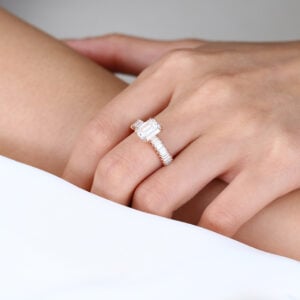
The Industry Responds to Post-Holiday Behavior
Jewelers also adjust their offerings after Valentine’s Day. During the holiday season, marketing emphasizes romance and classic appeal. Afterward, brands often introduce new collections that highlight customization, modern design, and alternative materials.
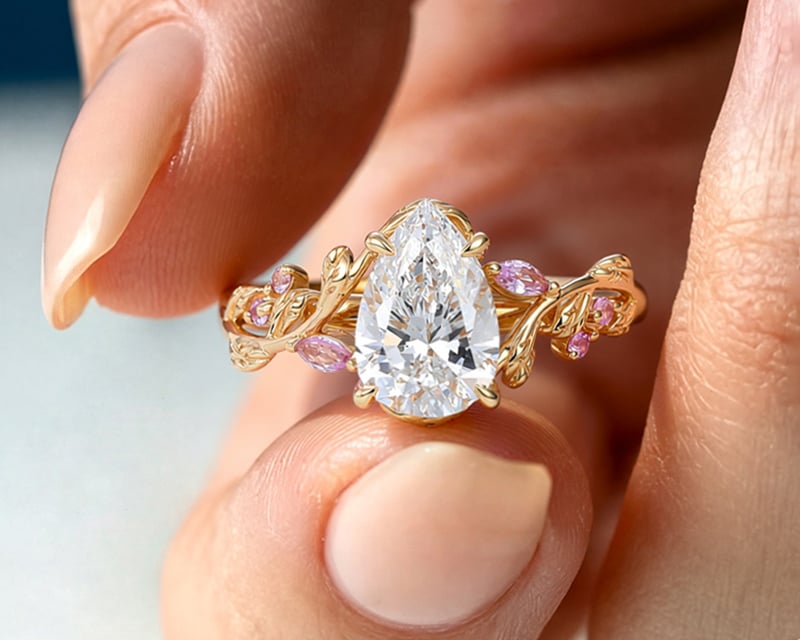
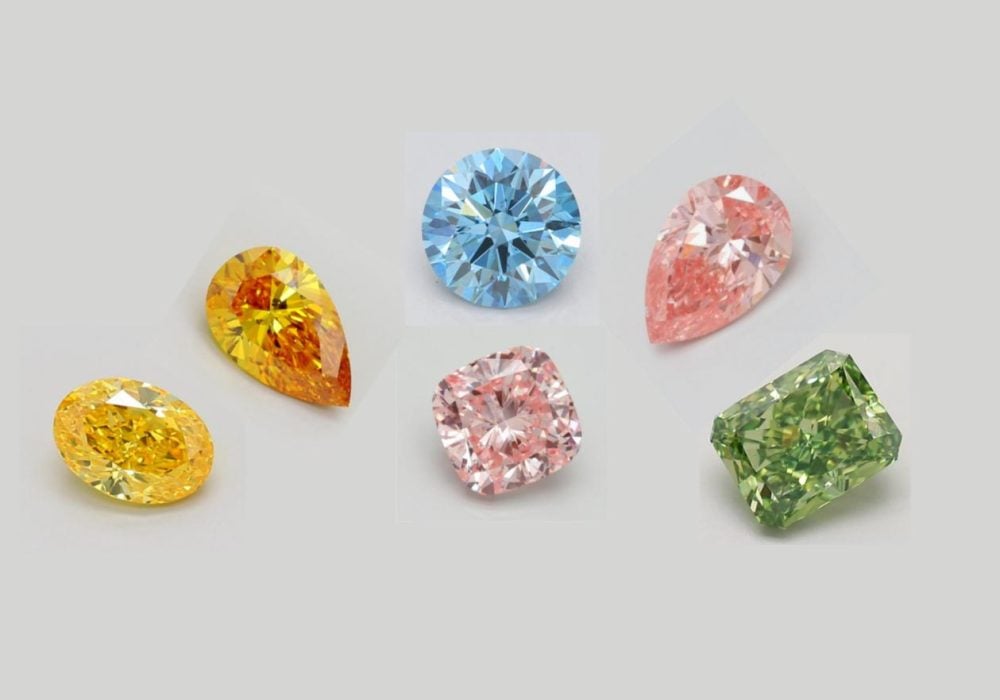
Spring collections frequently lean into fresh aesthetics — mixed metals, unique settings, lab-grown diamonds, and colored stones. As these designs enter the market, they influence engagement ring trends for the rest of the year.
Search interest reflects this change. Terms like “modern engagement ring trends 2026” and “unique engagement ring styles” often gain momentum after Valentine’s Day. Buyers are no longer choosing from a narrow holiday-focused range. They are exploring.
And exploration creates movement in trends.
IV. What This Means for You in 2026
Understanding how engagement ring trends shift can actually help you time your decision more strategically.
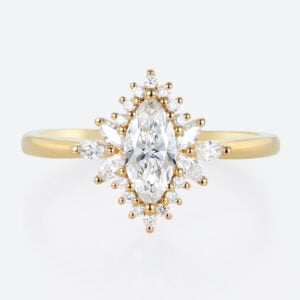
If You’re Proposing on Valentine’s Day
There’s nothing wrong with choosing a classic. In fact, traditional round solitaires and timeless diamond settings remain popular because they work. They photograph beautifully and carry universal symbolism.
If your proposal is tied to Valentine’s Day, prioritizing a style that feels romantic and enduring is a smart move. Just avoid choosing something solely because it appears repeatedly on social media. Trends amplified during February aren’t always indicators of long-term satisfaction.
Ask yourself: will this ring still feel authentic five years from now?
If You’re Buying After Valentine’s Day
The weeks following February 14th can be a surprisingly good time to shop. Engagement ring trends are more fluid. Inventory expands. Buyers are thinking more clearly and less urgently.
This is often when interest in lab-grown diamonds increases, as well as custom and minimalist designs. Without the holiday pressure, you can compare options, evaluate value, and explore styles that genuinely reflect your personality.
If you’re researching engagement ring trends outside the Valentine’s window, you may actually have more freedom to choose something distinctive.
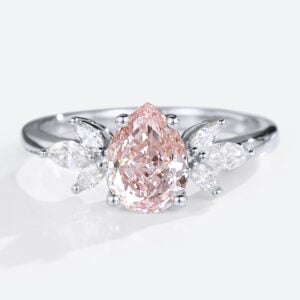
Conclusion: Trends Change, Meaning Stays
Engagement ring trends shift right after Valentine’s Day because people shift. Before the holiday, buying is emotional, fast, and influenced by visibility. Afterward, it becomes reflective, practical, and personal.
The most popular styles in early February are not always the ones that define the rest of the year. Classic designs dominate the romantic rush. Modern, personalized styles gain momentum once the spotlight fades.
If you’re navigating engagement ring trends in 2026. remember this: trends are seasonal, but your ring is permanent. Whether you choose a timeless solitaire or a modern minimalist design, the best decision is the one that fits your life — not just the calendar.
And sometimes, the best time to see what’s truly trending… is right after the world stops looking.
Engagement Ring Trends FAQs:
Why do engagement ring trends change after Valentine’s Day?
Engagement ring trends shift after Valentine’s Day because buyer behavior changes. Pre-holiday purchases are emotion-driven and favor classic styles, while post-holiday buyers prioritize personalization, practicality, and modern designs.
What engagement ring styles are most popular before Valentine’s Day?
Classic round solitaires, halo settings, and traditional white gold bands tend to dominate engagement ring trends before Valentine’s Day due to their timeless and romantic appeal.
What engagement ring trends rise after Valentine’s Day?
After Valentine’s Day, minimalist designs, lab-grown diamonds, custom rings, and elongated diamond shapes often gain popularity as buyers focus more on long-term wear and individuality.
Is it better to buy an engagement ring before or after Valentine’s Day?
It depends on your priorities. Buying before Valentine’s Day aligns with classic romantic styles, while buying after can offer more flexibility, broader style options, and less emotional pressure.
Do engagement ring trends change every year?
Yes. Engagement ring trends shift annually due to social media influence, seasonal marketing, evolving design preferences, and changing buyer values such as sustainability and personalization.