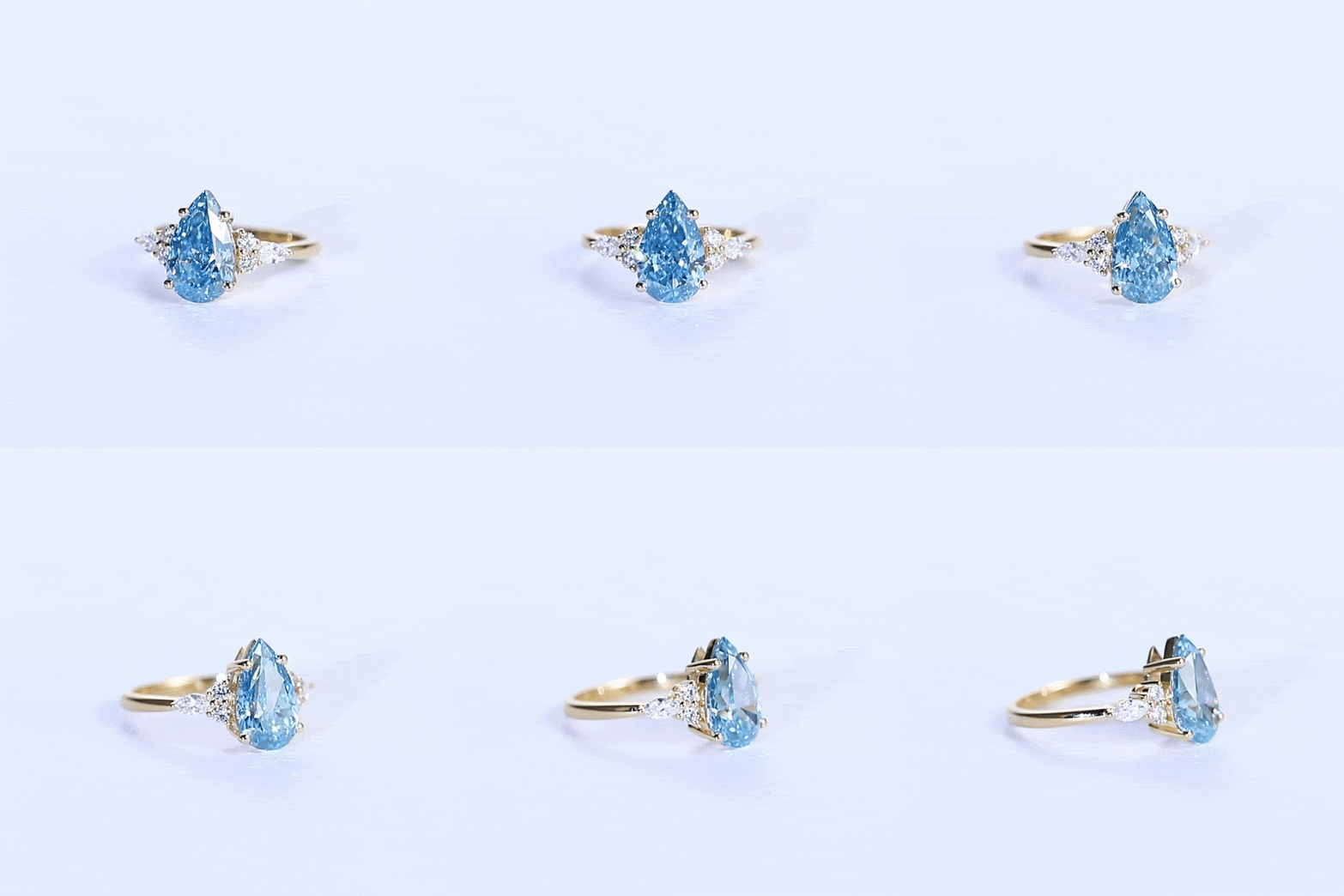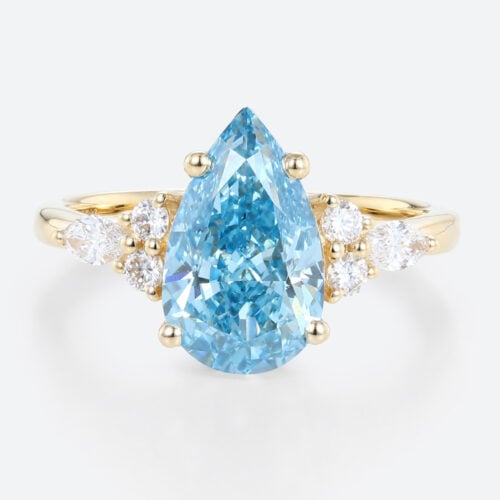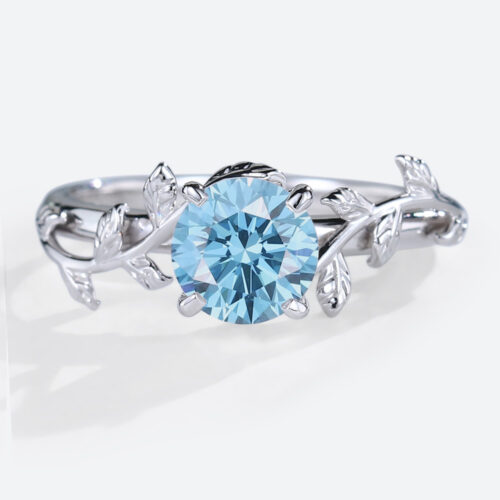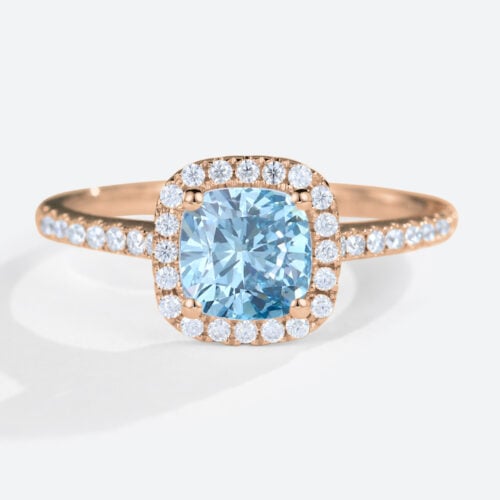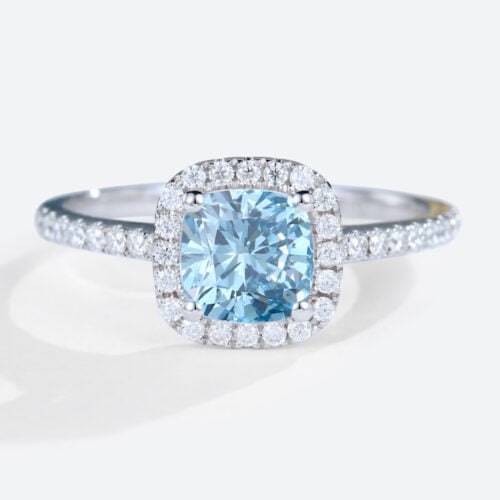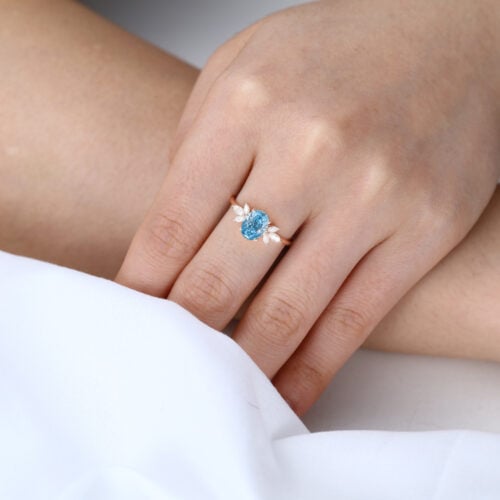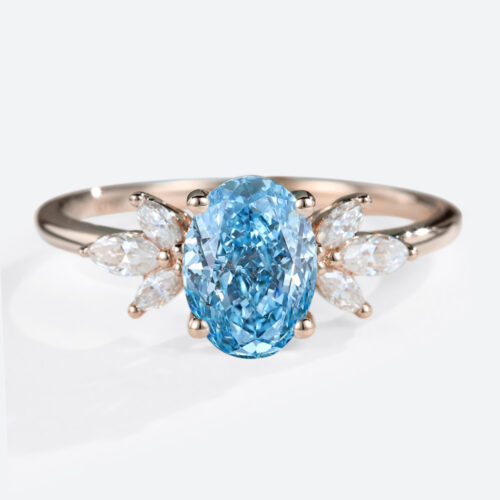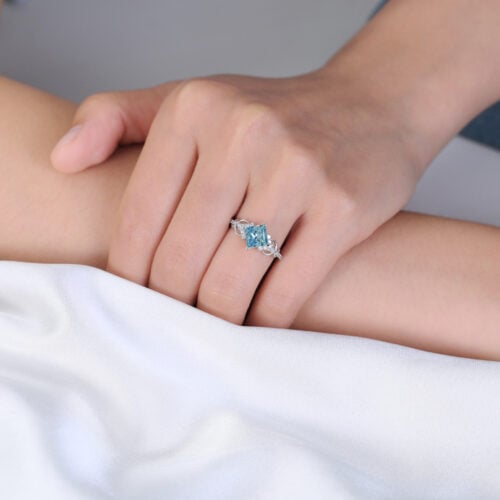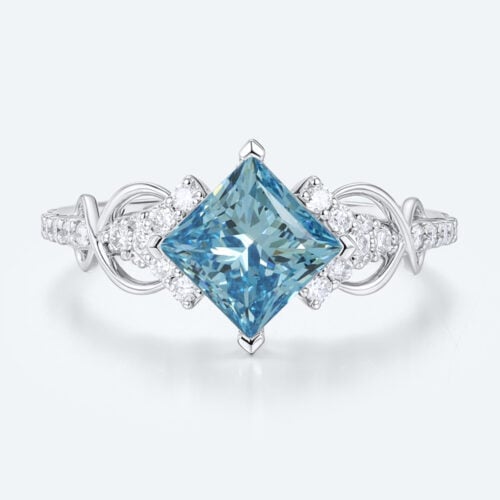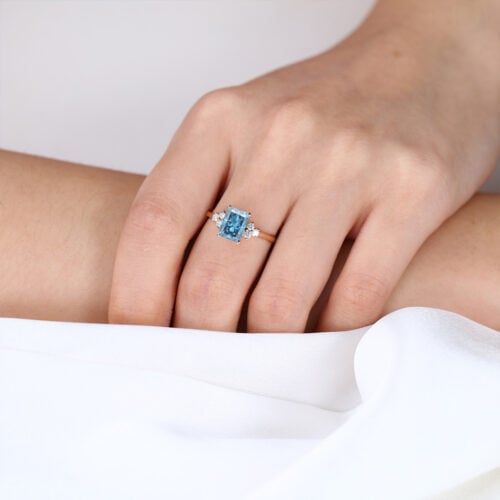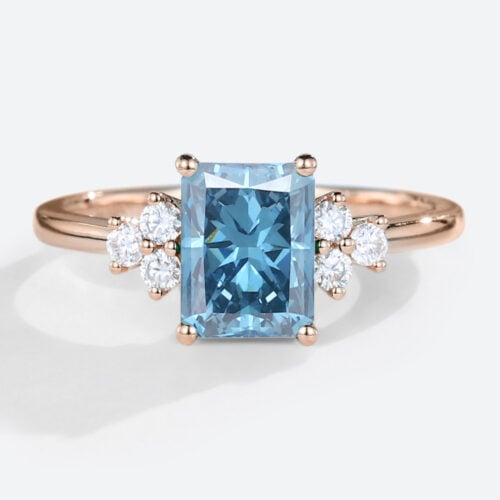
Showing 17–32 of 36 results

VIEW
Default sorting
  • Default sorting
  • Sort by popularity
  • Sort by latest
  • Sort by price: low to high
  • Sort by price: high to low

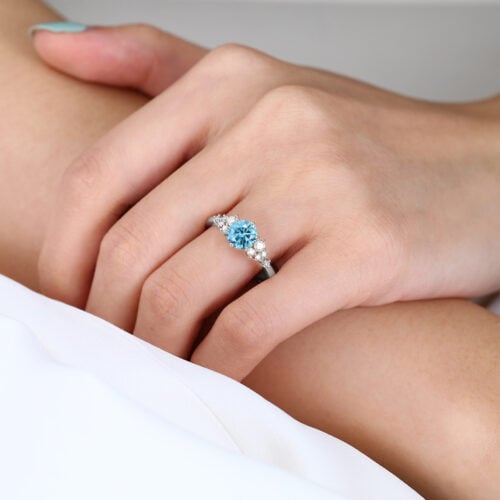
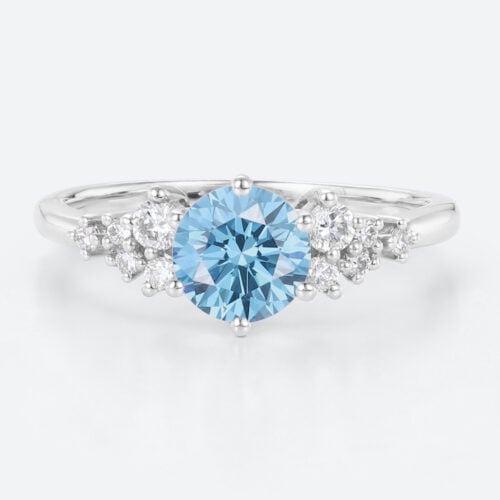
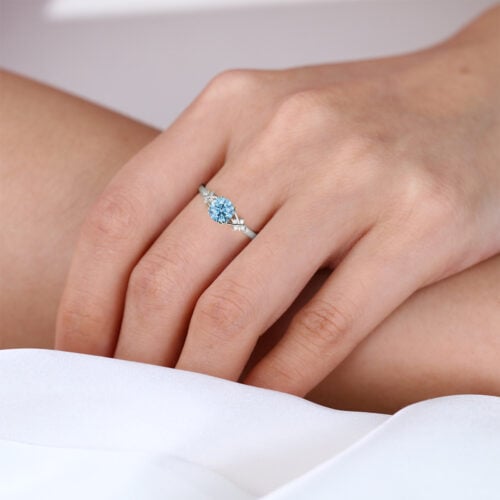
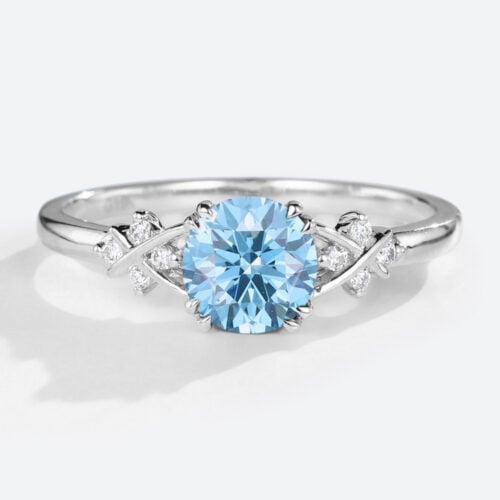
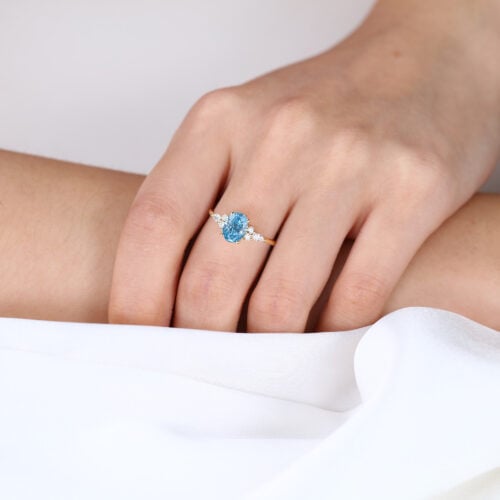
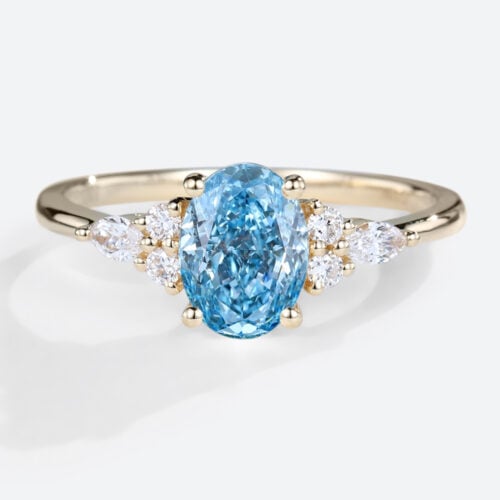
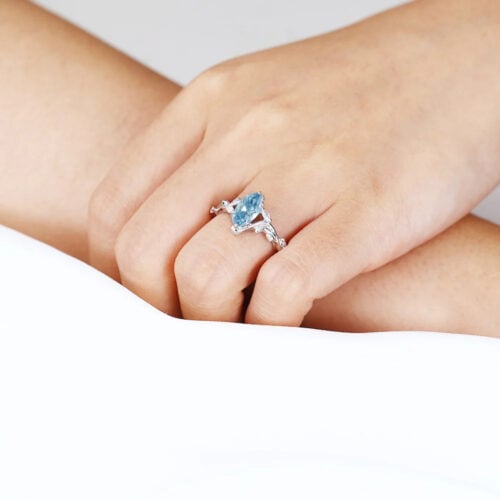
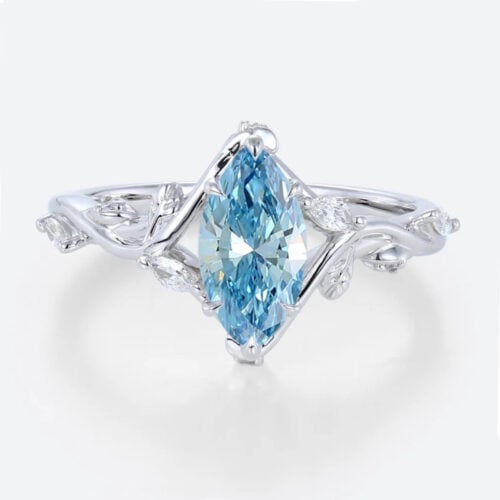
About Lab Blue Diamond Rings

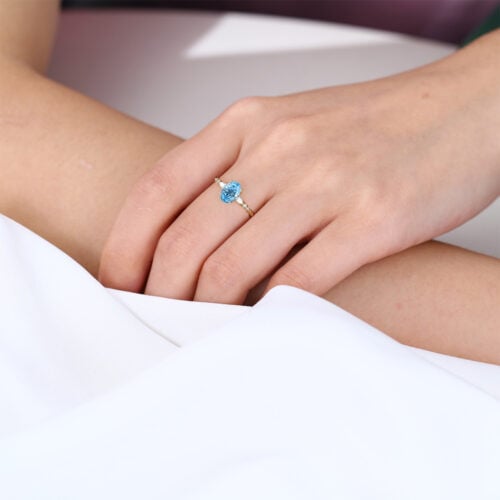
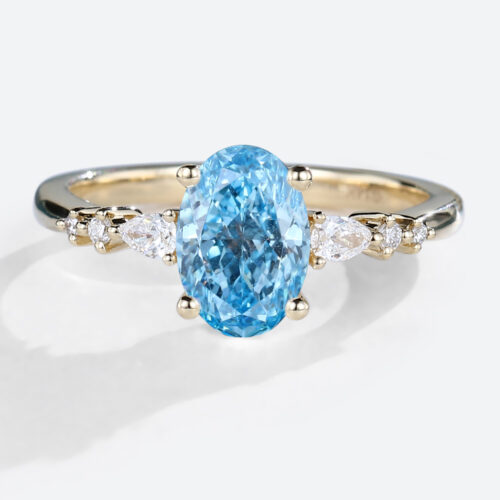
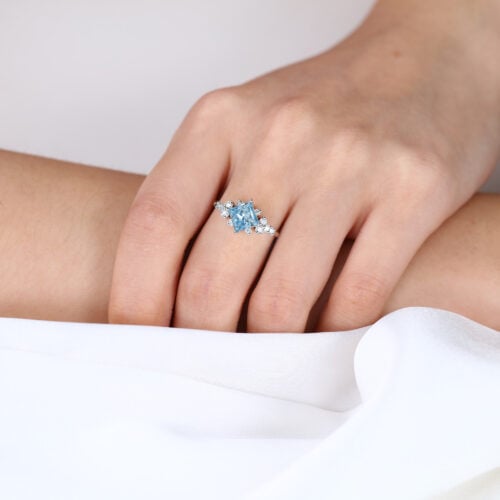
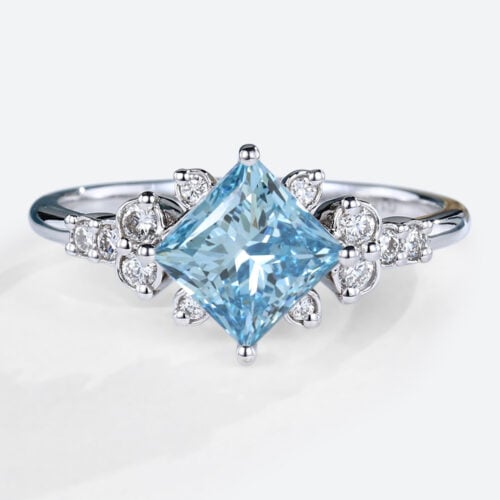
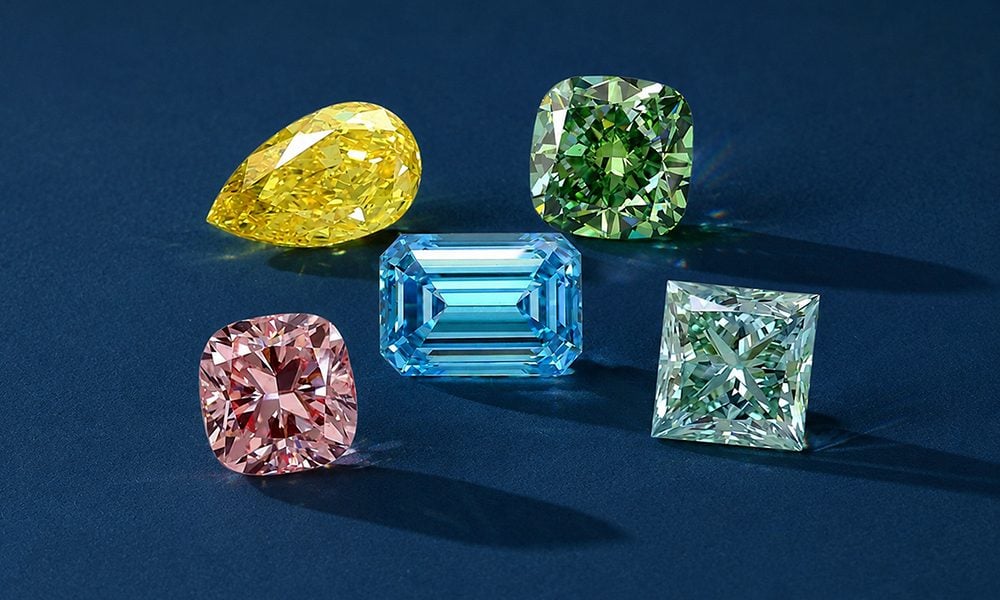
Our Lab Blue Diamond Rings represent a striking harmony of advanced technology and refined beauty. Grown in controlled laboratory environments using trace elements such as boron, these diamonds display captivating blue hues—ranging from icy sky tones to deep ocean blues—rarely found in nature. Each stone offers the same brilliance, hardness, and durability as a mined diamond, paired with a distinctly modern character.

As part of our curated Lab Colored Diamond Rings selection, blue diamond designs stand out for their depth of color and expressive elegance. They offer a contemporary alternative for those drawn to the cool sophistication often associated with Sapphire Rings or the serene tones of Aquamarine Rings, while retaining the unmistakable fire of a diamond.

Within the broader Lab Diamond Rings collection, lab blue diamonds are valued not only for their visual impact but also for their ethical origins and accessibility. More attainable than natural blue diamonds yet equally mesmerizing, these rings are ideal for engagement rings, anniversary gifts, or statement pieces that reflect confidence, individuality, and modern values.

Lab Blue Diamond Rings FAQs

Lab blue diamonds achieve their beautiful blue color through controlled introduction of trace elements, such as boron, during the creation process. This process replicates the natural conditions that form blue diamonds, resulting in an authentic, vibrant blue hue. Click here to learn more about Lab Blue Diamonds.

Lab blue diamonds and blue sapphires are both beautiful choices for vibrant blue gemstones, but they differ in composition, hardness, and appearance. Lab blue diamonds are made of pure carbon, like natural diamonds, and achieve their blue color through lab techniques, offering exceptional brilliance and hardness (10 on the Mohs scale), which makes them highly scratch-resistant. Blue sapphires, made of corundum, have a unique, velvety luster and rank 9 on the Mohs scale, making them very durable but slightly softer than diamonds. Click here for a detailed comparison of lab-grown blue diamonds and sapphires.

Unlike clear or white lab diamonds, lab blue diamonds owe their vivid color to the presence of boron during formation. This creates a rare, ocean-like hue that stands out in engagement or statement rings—making them a bold, non-traditional choice.

Yes, even in lab-grown form, blue diamonds are much rarer than white or pink ones. Creating a vivid and evenly saturated blue diamond in the lab is technically complex, which makes these rings more exclusive and desirable.

Lab blue diamond rings are gaining popularity as consumers seek unique, sustainable alternatives to traditional engagement rings. Their striking color, ethical origins, and more affordable pricing align perfectly with modern bridal trends.

Absolutely. Their rich color pairs beautifully with milgrain details, geometric settings, and halo frames—making them ideal for vintage-inspired or Art Deco designs.

Shades can range from icy sky blue to deep oceanic blue, depending on the growth process and boron levels. Each lab blue diamond is unique, and no two stones are exactly alike in tone.

Yes. The contrast between a blue diamond and warm-toned metals like yellow or rose gold can be visually striking. White gold or platinum, on the other hand, enhances the diamond’s cool, vivid hue.

Definitely. The bold color of a blue diamond makes it ideal for masculine or unisex ring designs, especially when set in minimalist or signet-style bands.

Lab blue diamonds can be stunning as part of a bridal set—either as the main stone or accented with white diamonds. They also work beautifully as solitaires for a clean, modern look.

Not at all. While blue diamonds are eye-catching, many designs offer understated elegance. Smaller carat weights or bezel settings can create a sophisticated look suitable for daily wear.

Reputable sellers disclose if any post-growth treatments were applied to enhance the blue color. Many premium lab blue diamonds achieve their hue naturally during growth, without additional irradiation or coating.

Yes! At LisaJewelryUS, we offer stone replacement and customization services for many of our lab blue diamond ring designs. Whether you’re upgrading, changing colors, or resetting for a new look, our team is here to help.

Absolutely! LisaJewelryUS offer custom settings for lab blue diamonds, allowing you to choose metal types, band styles, and accent stones. Customization can create a truly unique piece that reflects your individual style.

Lab blue diamond rings make a bold choice for engagement rings, anniversaries, and special celebrations. The distinctive color adds a contemporary twist to traditional diamond rings, making it perfect for those looking to stand out.

Yes. A lab-grown blue diamond ring is truly unique because the vivid blue hue is much rarer than many other colored diamonds. Its striking tone—ranging from icy sky blue to deep ocean shades—creates a bold style that immediately draws attention. Unlike traditional yellow, pink, or champagne diamonds, the blue variety offers a distinctive look, perfect for those who want jewelry that stands out. Whether set in 14k white gold, yellow gold, or accented with an emerald cut design, a blue diamond ring combines brilliance with individuality, ensuring it doesn’t blend into the crowd.

No—the quality of a lab-grown diamond is not reduced by its color. All lab-grown diamonds share the same physical properties as natural ones, meaning they retain excellent hardness, durability, and brilliance. The presence of trace elements, like boron in lab blue diamonds, only affects the variety of shades (from light sky to deeper tones), not the structural integrity. In fact, the color can enhance the stone’s overall value and uniqueness, especially when paired with a thoughtful design. Many buyers find that lab-grown colored diamonds strike the perfect balance: visually stunning, ethically sourced, and more affordable than natural colored diamonds.

Yes. Lab-grown blue diamonds are chemically identical to natural diamonds because both are made of pure carbon atoms arranged in the same crystal structure. The only difference is the origin: natural diamonds form deep within the Earth, while lab-grown diamonds are created in a controlled environment. This means lab-grown blue diamonds have the same hardness, durability, and brilliance, with the added benefit of offering unique colors like sky or ocean blue.