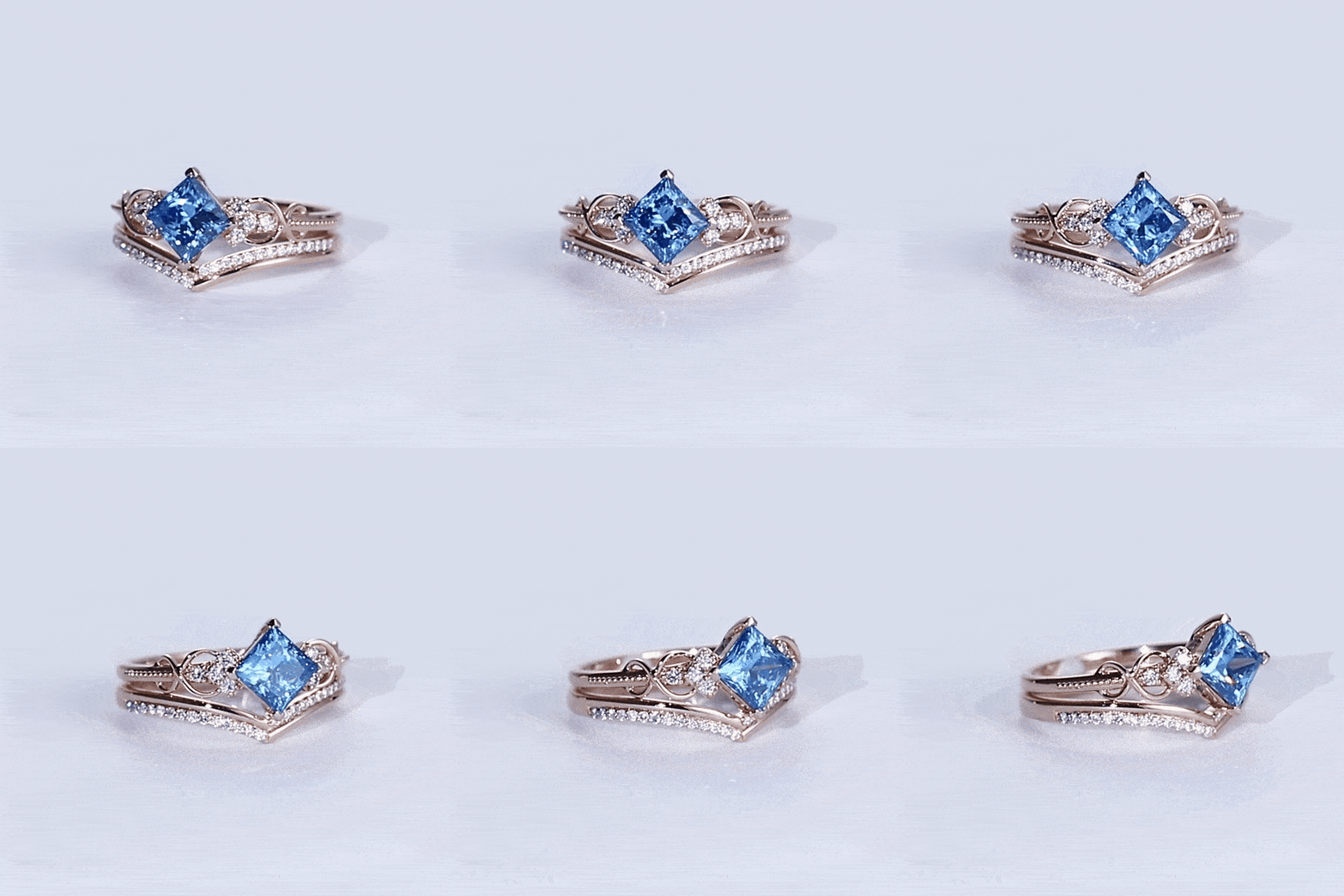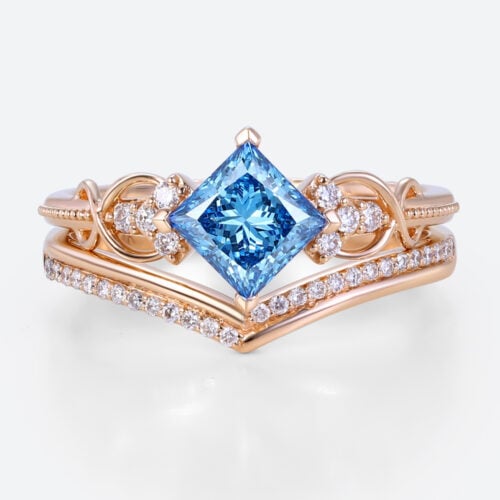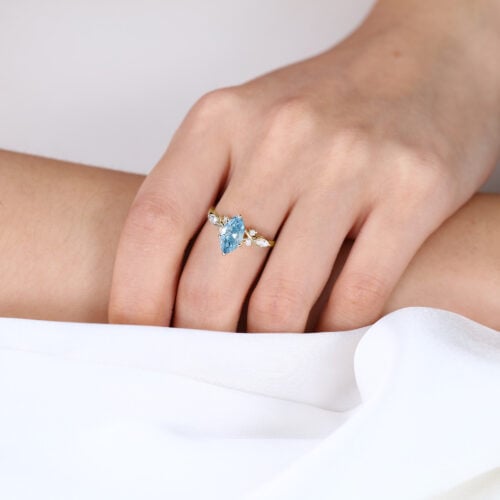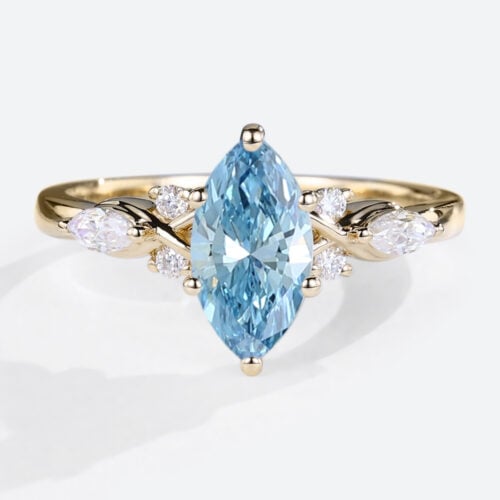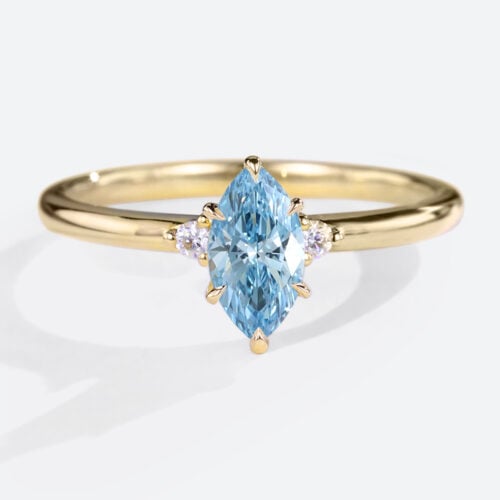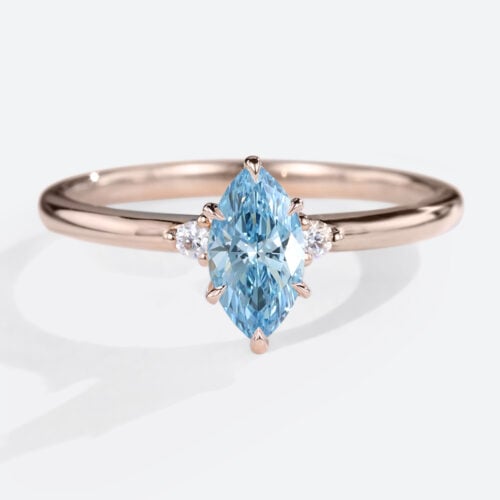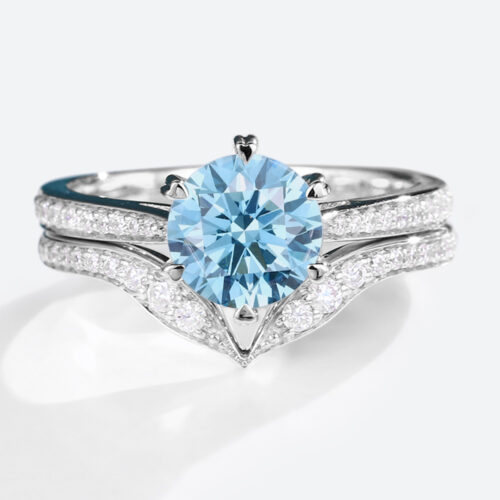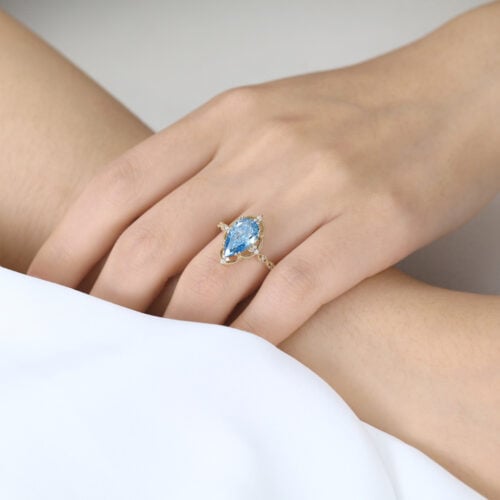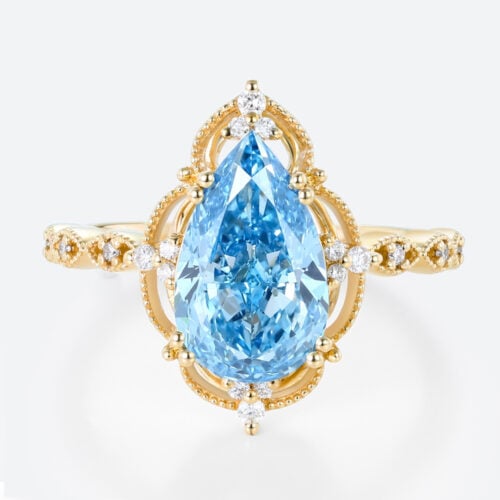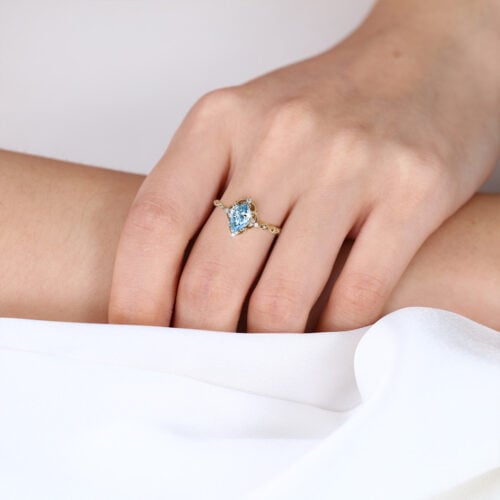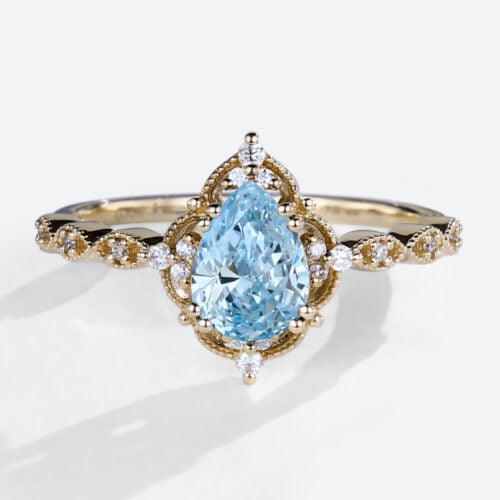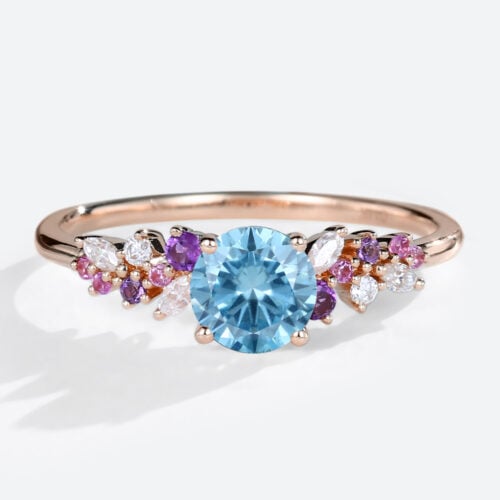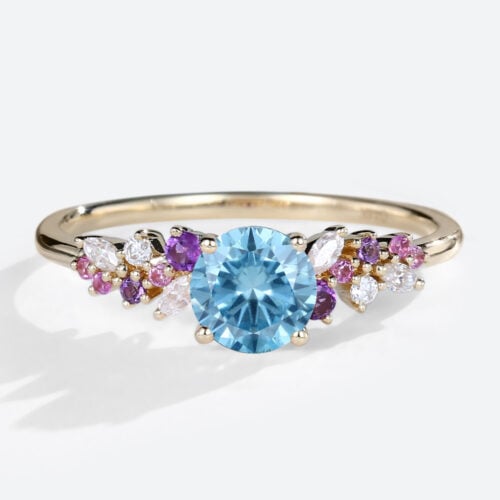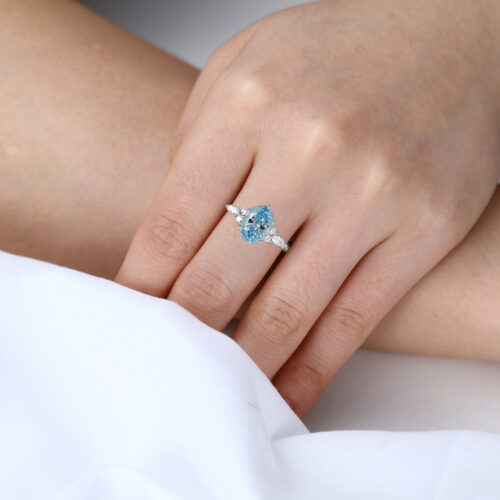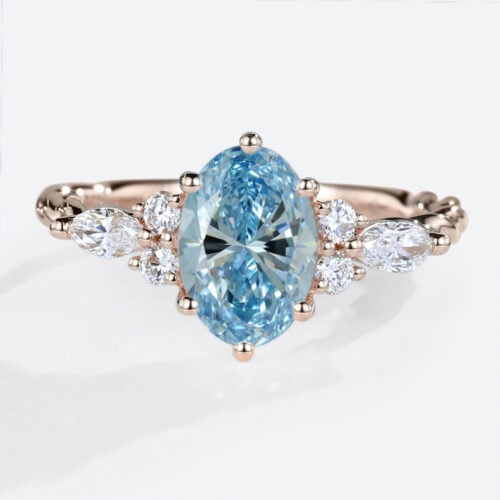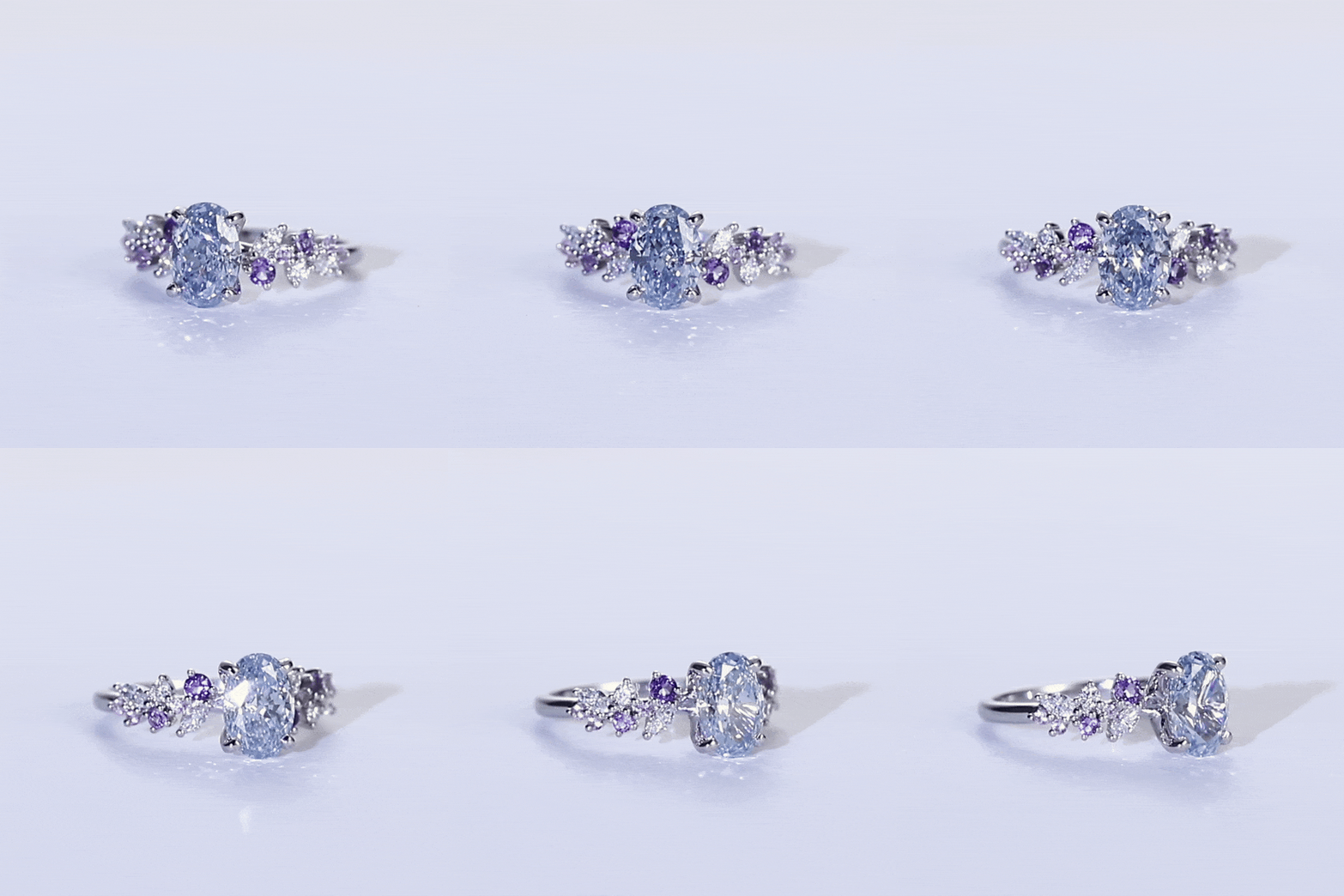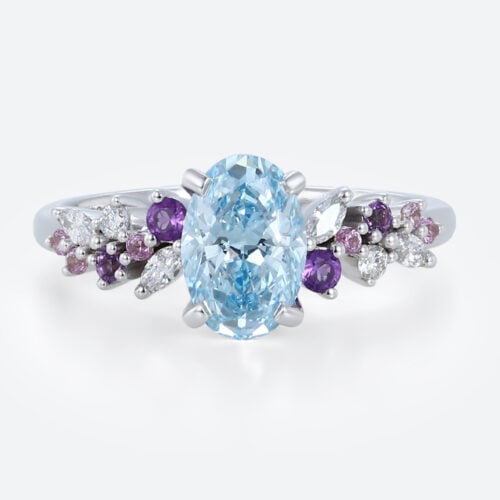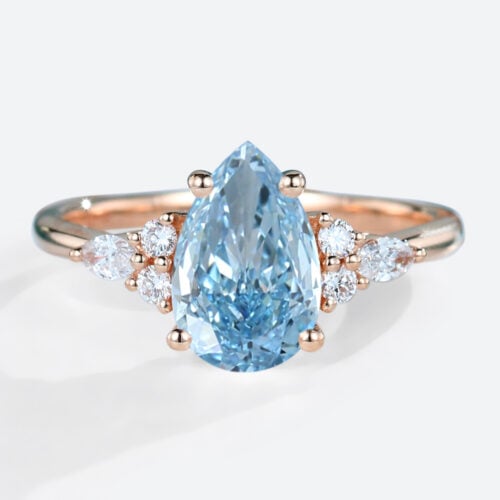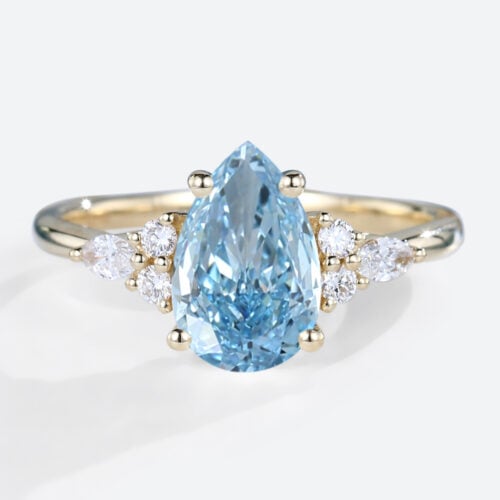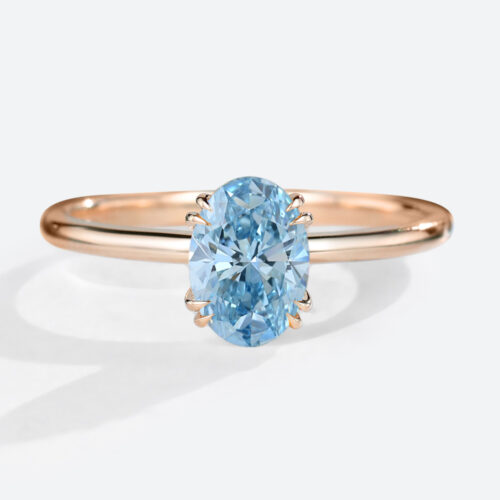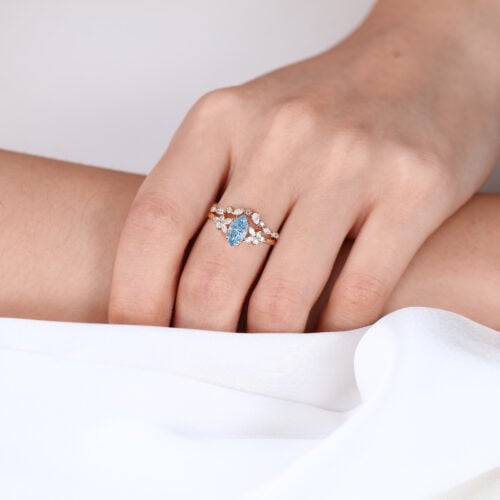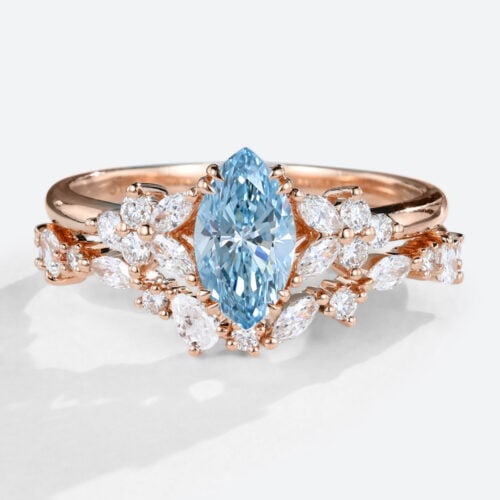
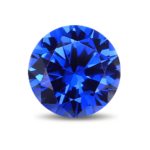
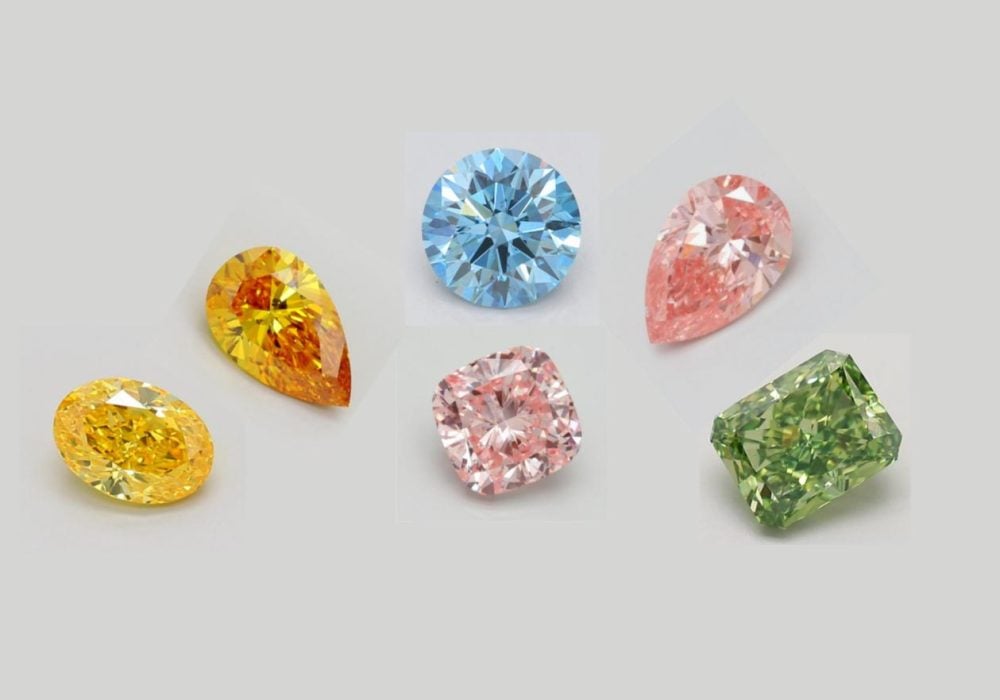
Our lab-grown blue diamond rings combine distinctive color, diamond brilliance, and customizable design. Grown in controlled laboratory environments, these diamonds range from light sky blue to deeper, more saturated blue tones. Depending on the growth method, trace elements such as boron may contribute to a blue color during growth, while some laboratory-grown diamonds may receive post-growth treatment to produce or refine their hue.
As diamonds, lab-grown blue diamonds possess essentially the same chemical, physical, and optical properties as natural diamonds, including diamond’s characteristic hardness and brilliance. As part of our Lab Colored Diamond Rings collection, these designs offer a distinctive alternative to the rich color of Sapphire Rings and the lighter tones of Aquamarine Rings.
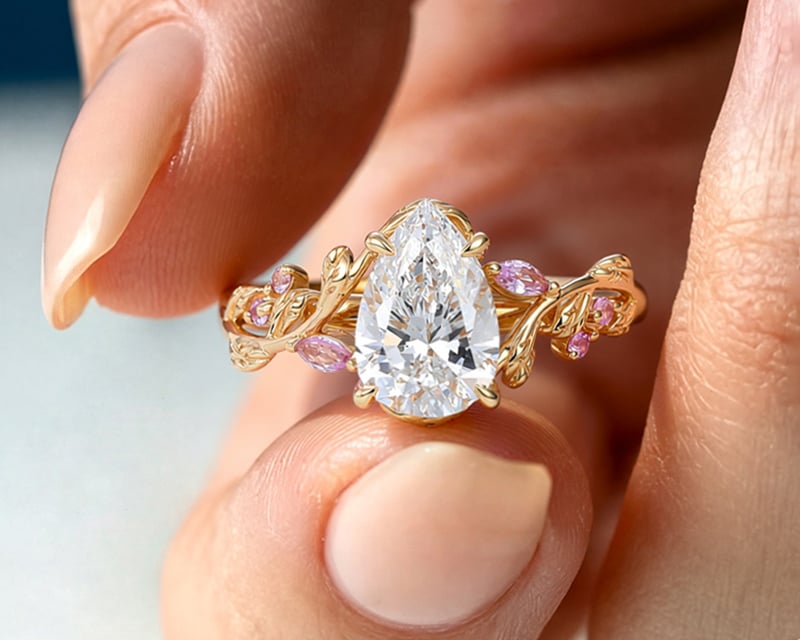
Within our broader Lab Diamond Rings collection, blue diamond rings are available in engagement, anniversary, and statement styles. Explore shapes such as oval, pear, round, cushion, marquise, emerald, and princess, with solitaire, halo, side-stone, cluster, vintage-inspired, and nature-inspired settings.
Many designs can be customized by center-stone shape, carat weight, setting style, ring size, and metal. Depending on the design, available materials may include yellow, white, and rose gold in different karats, as well as platinum and selected alternative metals. When comparing rings, consider the blue tone, diamond shape, carat weight, setting style, and metal color, as each can influence how vivid or subtle the center stone appears.
Yes. Lab-grown blue diamonds are real diamonds created in a controlled laboratory environment. They have essentially the same chemical composition, crystal structure, hardness, and optical properties as natural diamonds; the primary difference is their origin.
Many lab-grown blue diamonds develop their blue color from trace elements such as boron incorporated during growth. Some stones may also receive post-growth treatment to create or refine their color. Blue shades can range from light, icy tones to deeper, more saturated hues. Learn more about Lab Blue Diamonds.
Yes. Because lab-grown blue diamonds have the hardness and durability of diamond, they are well suited to engagement rings and regular wear. Their distinctive blue color also offers an alternative to a traditional colorless diamond engagement ring.
Both are diamonds, but they differ in origin. Natural blue diamonds form within the Earth and are exceptionally rare, while lab-grown blue diamonds are created in controlled laboratory environments. Lab-grown options make the blue diamond look more accessible while offering comparable diamond brilliance and durability.
Lab-grown blue diamonds and blue sapphires differ in composition, hardness, and appearance. Lab-grown diamonds are made primarily of carbon and rank 10 on the Mohs hardness scale, while sapphires are made of corundum and rank 9. Blue diamonds typically offer the distinctive brilliance and fire associated with diamonds, while sapphires have their own characteristic color and luster. See our detailed comparison of lab-grown blue diamonds and sapphires.
Lab-grown blue diamonds can range from pale, icy blue to deeper and more saturated shades. When comparing stones, consider the hue and color intensity together with the diamond’s shape and setting, since these elements can influence how the blue appears once the ring is worn.
Yes. Diamonds are highly durable and resistant to scratching, making lab-grown blue diamond rings suitable for regular wear. As with any fine jewelry, the setting should still be protected from hard impacts, and the ring should be cleaned periodically to maintain its brilliance.
It depends on the look you prefer. White gold or platinum can complement the diamond’s cool blue tone, while yellow gold and rose gold create a warmer contrast. The best choice comes down to how you want the blue center stone and metal color to interact visually.
Check the diamond information provided by the seller and, when available, its grading report. Some lab-grown blue diamonds develop their color during growth, while others may receive post-growth treatment, so the specific stone’s disclosure is more reliable than judging its color by appearance alone.
Absolutely. LisaJewelryUS offers customization for many lab blue diamond ring designs, allowing you to select details such as metal type, band style, and accent stones. Learn more in our Custom Ring Guide.
Clean your ring periodically with warm water, mild soap, and a soft brush, then dry it with a soft, lint-free cloth. Avoid harsh chemicals and hard impacts, and have the setting checked if you notice any movement or looseness around the stone.
Our lab-grown blue diamond rings are available in shapes such as oval, pear, round, cushion, marquise, emerald, and princess. Selected designs offer multiple center-stone sizes, although available shapes and carat weights vary by ring. Check the product options or contact us if you need a different combination.
Hint: The password should be at least eight characters long. To make it stronger, use upper and lower case letters, numbers, and symbols like ! " ? $ % ^ & ).