
I. Why 2026 Engagement Ring Trends Are About Real Life, Not Just Style
The most important thing to understand about a 2026 engagement ring is this:
it’s no longer designed just to look impressive—it’s designed to fit into real life.
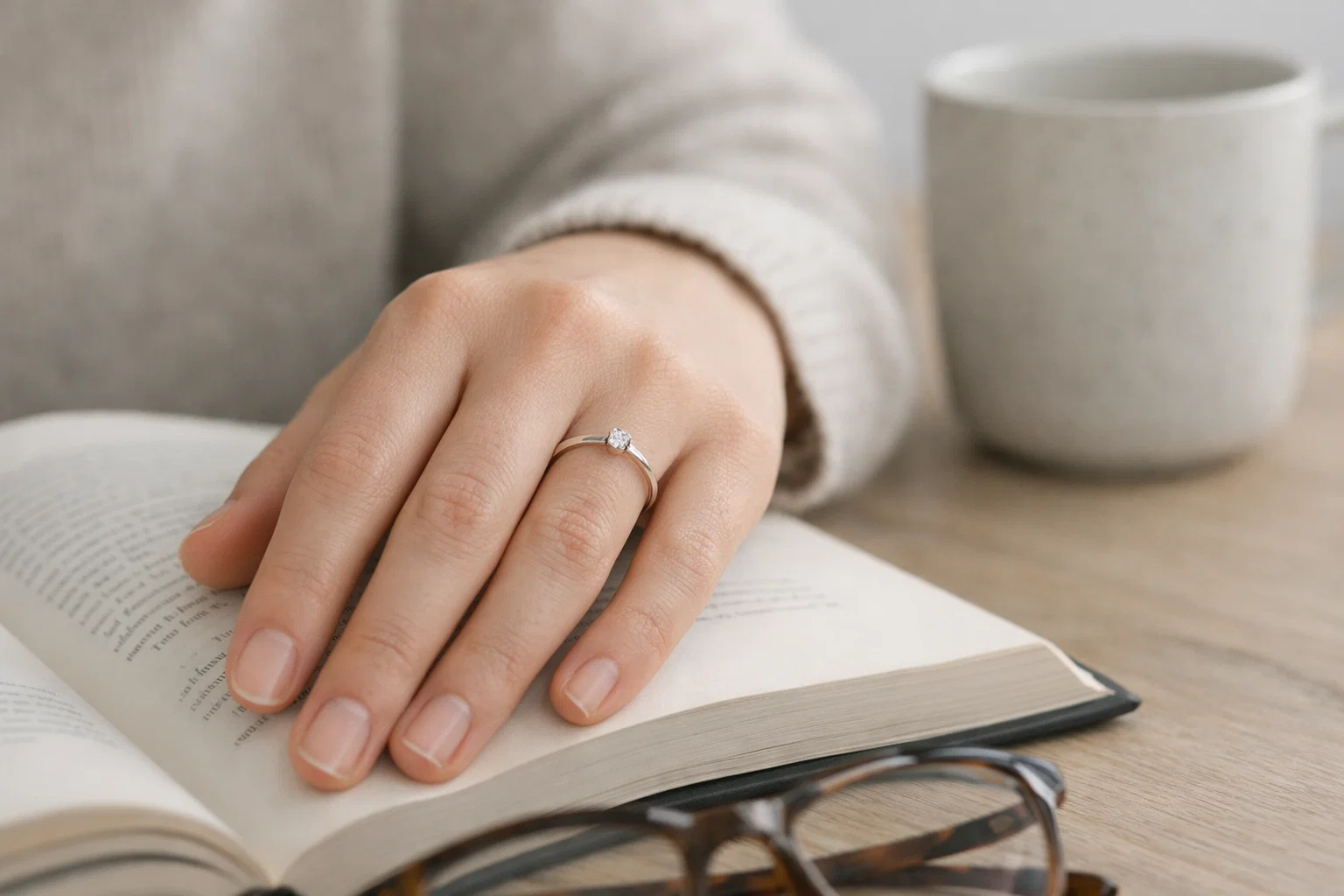
For years, engagement ring trends were driven primarily by visual impact. Bigger center stones, higher settings, and instantly recognizable silhouettes dominated proposals and social feeds. But as lifestyles change, so do expectations. Couples today are thinking less about how a ring photographs on day one, and more about how it feels on day one hundred—and day one thousand.
This shift explains why 2026 engagement ring trends feel quieter, more intentional, and more wearable. Rings are no longer treated as ceremonial objects reserved for special moments. They are everyday companions, meant to move naturally through workdays, travel, seasons, and evolving routines.
Understanding trends in this context isn’t about chasing what’s new. It’s about recognizing how design responds to cultural and lifestyle realities. The engagement rings gaining momentum in 2026 reflect a deeper change: commitment is still meaningful, but its expression has become more personal, practical, and grounded.
II. 2026 Engagement Ring Trend #1:
Understated Modern Minimalism
Minimalism isn’t new—but in 2026. it’s evolving into something more nuanced.
Rather than stripped-down designs for the sake of simplicity, modern minimalist engagement rings focus on clarity of intention. Clean lines, balanced proportions, and low-profile settings are not aesthetic shortcuts; they are deliberate choices that prioritize comfort and longevity.
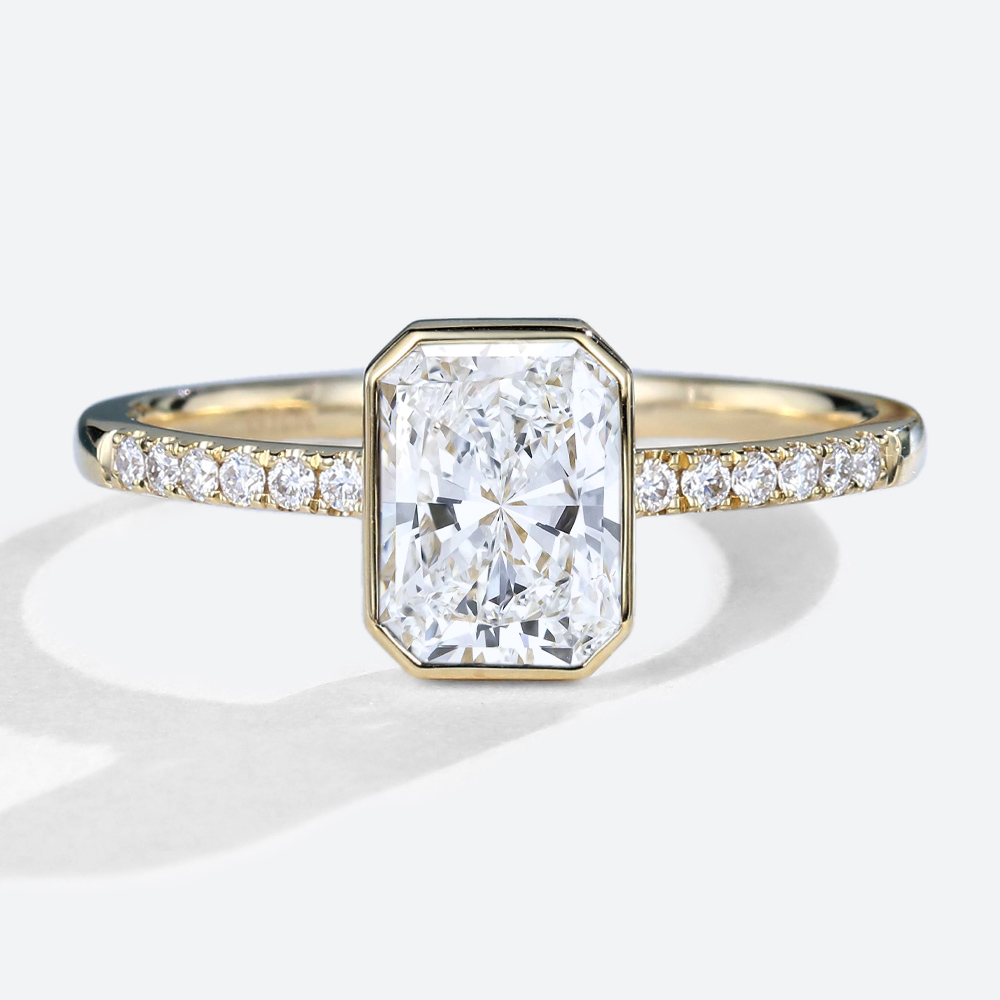
Many 2026 engagement rings feature stones set closer to the finger, reducing snagging and making daily wear effortless. Bezel settings, subtle prongs, and refined bands replace dramatic height and excess metal. The result is a ring that feels modern without feeling temporary.
What makes this trend especially relevant is how well it aligns with real-life use. Minimalist rings don’t demand constant attention or special care. They age gracefully, integrate easily into different wardrobes, and remain visually relevant as styles shift.
In 2026. minimalism isn’t about having less—it’s about choosing designs that do more with restraint.
III. 2026 Engagement Ring Trend #2:
Personal, But Not Over-Customized
Another defining direction in 2026 engagement ring trends is the move toward personal expression—without the pressure or complexity of full customization.
Many couples want their ring to feel meaningful and unique, but they’re increasingly cautious about long design timelines, irreversible decisions, and the anxiety that comes with creating something entirely bespoke. As a result, 2026 engagement rings often incorporate built-in personalization rather than custom-from-scratch design.
This might include subtle birthstone accents hidden within the setting, thoughtful engraving that doesn’t alter the ring’s overall look, or design details that carry symbolic meaning without being immediately obvious. The ring feels personal because it resonates with the wearer—not because it looks unconventional.
This trend reflects a broader shift in how people approach major purchases. Instead of chasing uniqueness for its own sake, couples are prioritizing confidence and clarity. A 2026 engagement ring is personal not because it’s complicated, but because it feels intentional and emotionally aligned.

Personal doesn’t have to mean complex. In 2026. it often means considered, quiet, and deeply understood by the people who wear it.
IV. 2026 Engagement Ring Trend #3:
Color Integration Beyond White Diamonds
For decades, white diamonds dominated engagement ring design. In 2026. that dominance is softening—not disappearing, but expanding.
Subtle Color as a Design Language
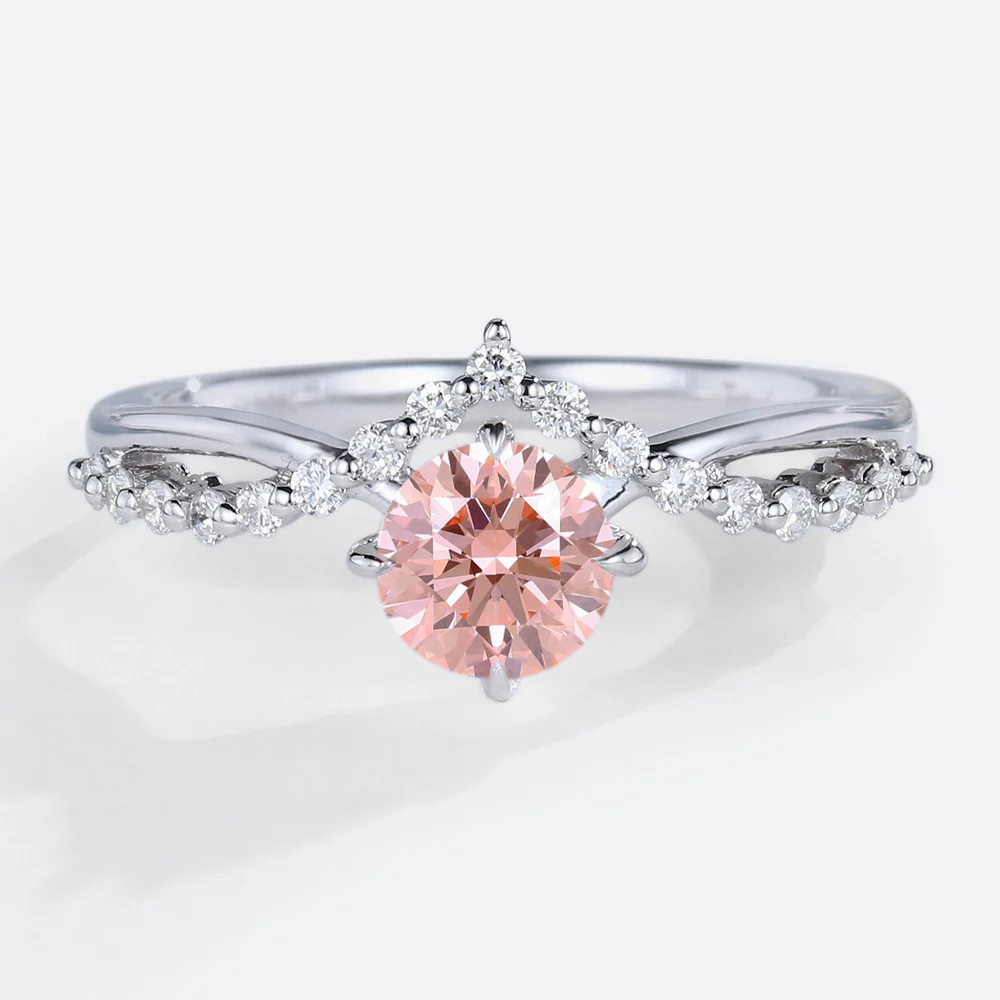
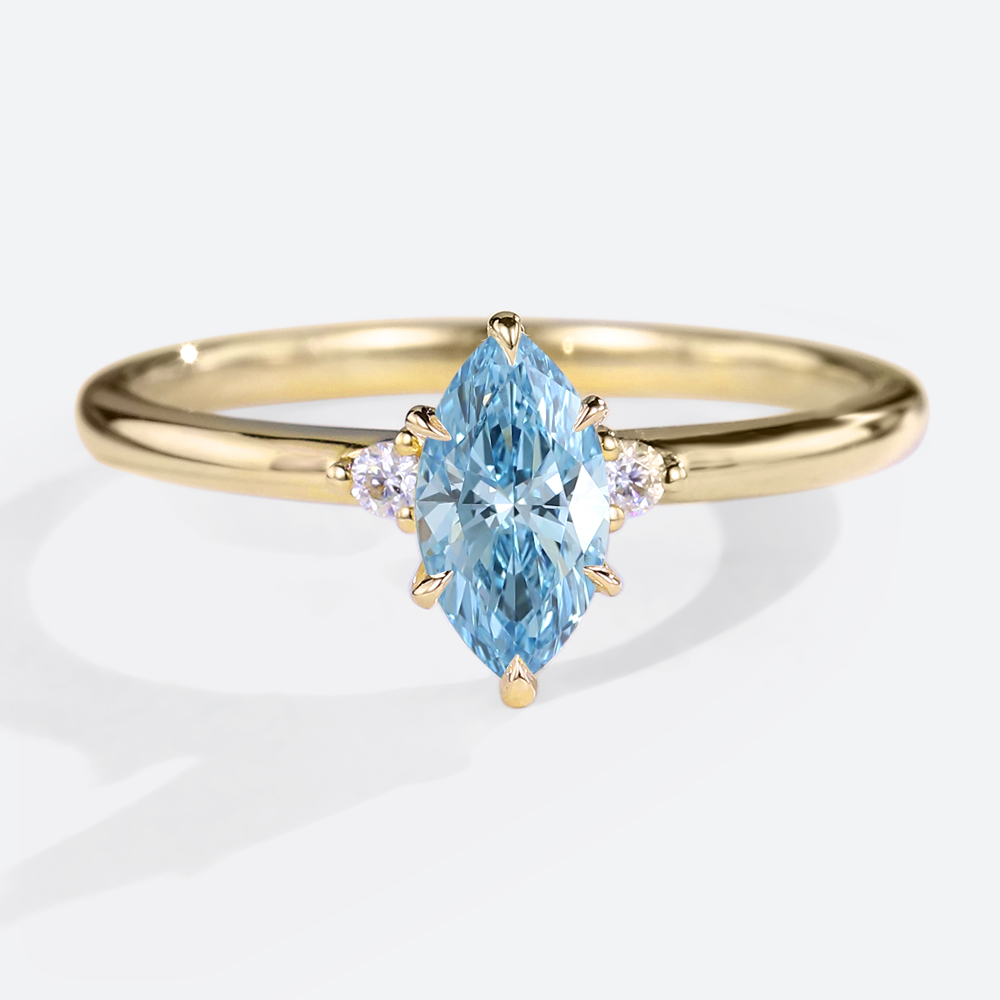
Rather than bold, high-contrast gemstones, 2026 engagement ring trends favor restrained, nuanced color. Champagne, pale pink, and icy blue tones are increasingly chosen for their ability to add warmth or character without overwhelming the ring’s overall balance.
These colors don’t compete with the symbolism of an engagement ring. Instead, they deepen it. Soft color integration allows couples to express individuality while maintaining a sense of timelessness—something many modern engagement rings are now designed to achieve.
Why Color Feels Right in 2026
Color also responds to lifestyle and wardrobe reality. Subtle tones pair effortlessly with both casual and formal clothing, making the ring easier to wear every day. In natural and indoor lighting, these stones shift gently in appearance, adding depth rather than demanding attention.
In 2026. color isn’t about standing out loudly. It’s about creating emotional warmth and visual harmony—qualities that age better than dramatic contrast.
V. 2026 Engagement Ring Trend #4:
Shape Evolution and Visual Balance
If one design element defines the 2026 engagement ring, it’s shape—not size.
Elongated and Organic Shapes Take the Lead
Elongated stones such as oval, marquise, pear, and radiant cuts continue to gain popularity in 2026. Their appeal isn’t only visual. These shapes create a lengthening effect on the finger and feel more fluid, less rigid than traditional round silhouettes.

What’s changing in 2026 is how these shapes are used. Instead of oversized statements, they’re often paired with slimmer bands, lower profiles, and cleaner settings that emphasize proportion over spectacle.
From Classic Geometry to Curated Design
Rather than choosing a shape because it’s “traditional,” couples are selecting shapes that reflect their personal aesthetic—soft, architectural, organic, or balanced. This approach transforms the engagement ring from a fixed symbol into a wearable design object.
In this way, shape becomes a language. A 2026 engagement ring uses form not to impress at first glance, but to feel visually satisfying over time.
VI. 2026 Engagement Ring Trend #5:
Wearability as a Core Design Principle
Perhaps the most defining shift in engagement ring trends 2026 is the elevation of wearability from an afterthought to a primary design goal.
Everyday Engagement Rings, Not Occasional Jewelry
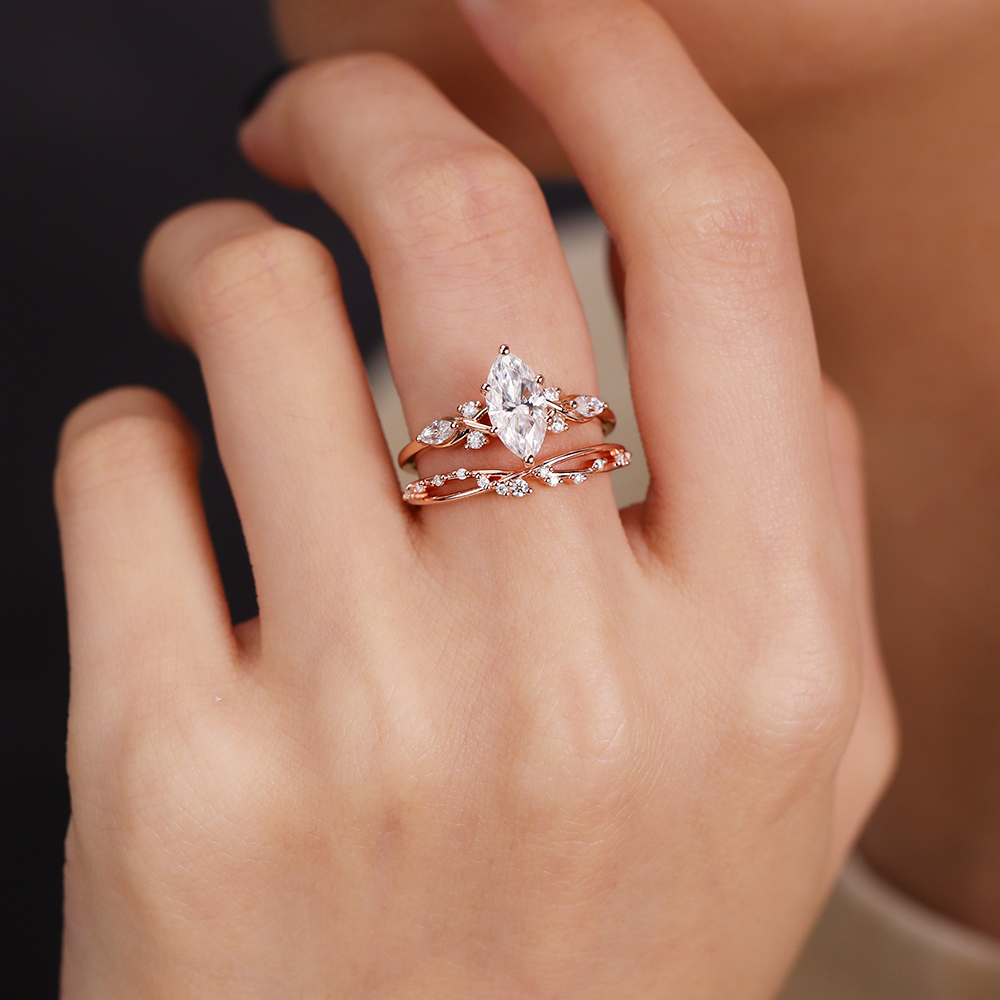
More couples now expect their engagement ring to be worn daily—through work, travel, seasons, and routines. This expectation has pushed designers toward settings that prioritize stability, comfort, and ease of maintenance.
Low-profile settings, secure stone placement, and thoughtful band proportions reduce snagging and make rings feel natural on the hand. These aren’t compromises; they’re deliberate choices that reflect how people actually live.
Why Practical Design Feels More Luxurious
A ring that doesn’t require constant adjustment or caution creates a sense of ease—and ease is increasingly associated with luxury. In 2026. modern engagement rings signal refinement not through excess, but through functionality that disappears into daily life.
Wearability is no longer invisible design work. It’s a visible value statement: a 2026 engagement ring should support life, not interrupt it.
VII. Why These 2026 Engagement Ring Trends Are Happening
Trends don’t emerge in isolation. The rise of the 2026 engagement ring reflects broader cultural and lifestyle shifts that go far beyond jewelry.
A Shift Toward Real-Life Priorities
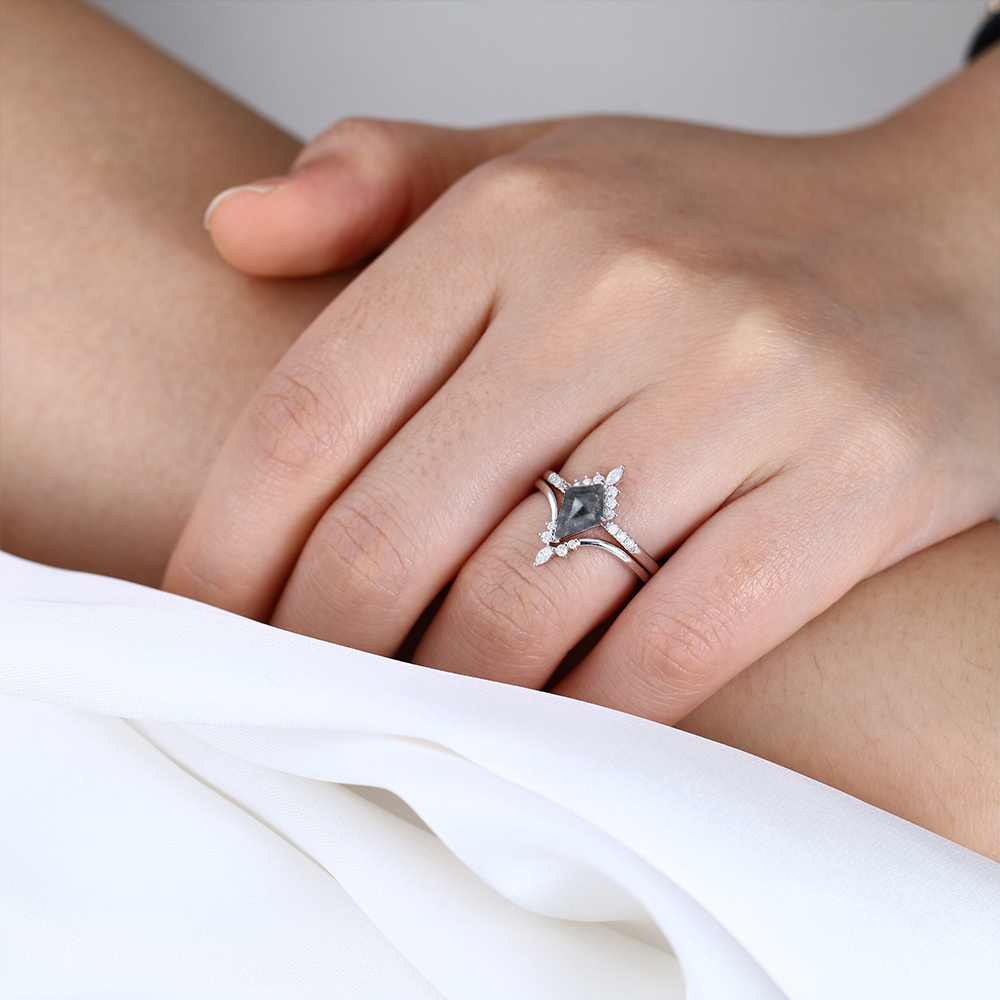
Couples today are designing their lives more intentionally. Work is more flexible, routines are less rigid, and personal values carry more weight in major decisions. Engagement rings are following the same logic: they’re expected to adapt to life, not interrupt it.
This explains the emphasis on wearability, subtle design, and emotional relevance. Rings are no longer chosen to meet an external expectation—they’re chosen to fit into a real, evolving lifestyle.
Quiet Luxury and the End of Visual Excess
Another driver is the growing preference for quiet luxury. Instead of obvious status symbols, many people are drawn to objects that communicate quality through restraint. In engagement ring design, this translates to refined proportions, thoughtful details, and an absence of visual noise.
The 2026 engagement ring reflects confidence. It doesn’t need to announce itself loudly—it feels complete because it’s considered.
VIII. How to Choose a 2026 Engagement Ring That Still Ages Well
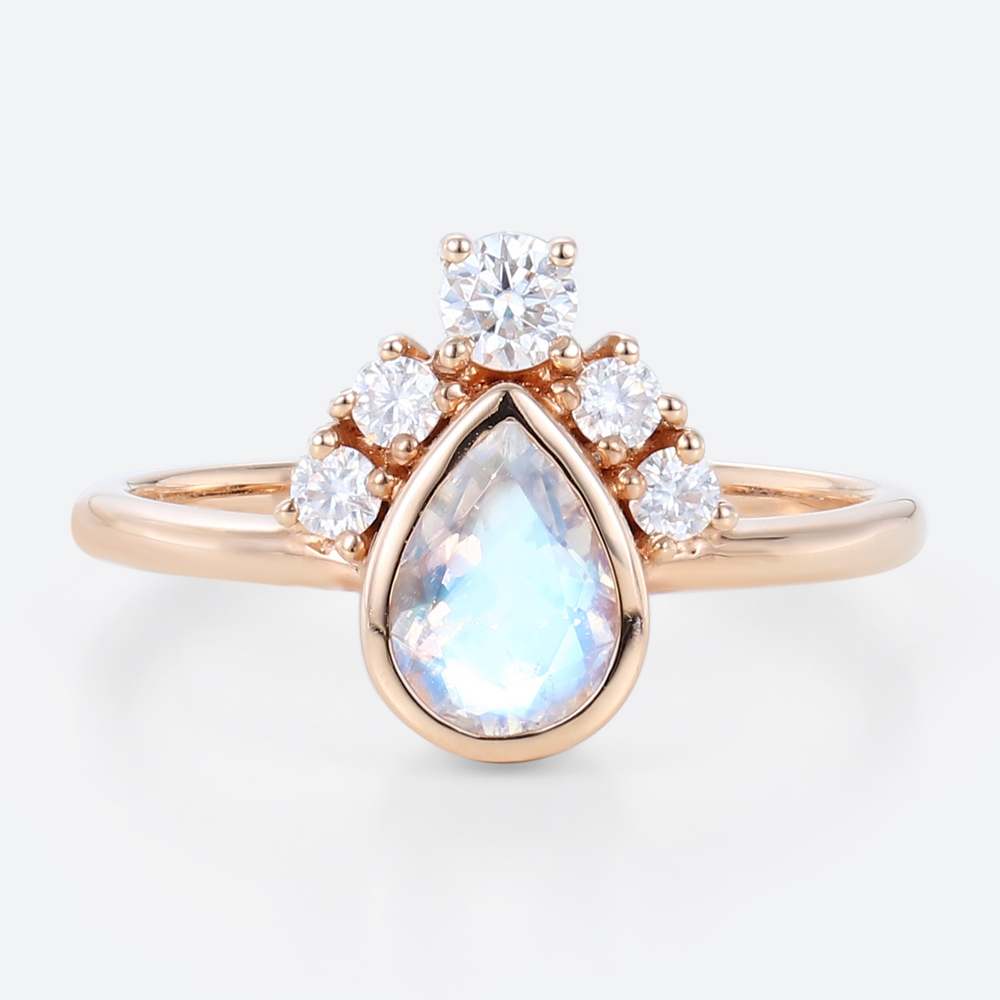
Trends can be helpful, but they should never replace judgment. The most successful rings balance what feels current with what will still feel right years from now.
Start With Lifestyle, Not Trends
Before focusing on design elements, consider how the ring will be worn. Daily wear, frequent travel, seasonal changes, and work routines all influence which designs will feel effortless rather than intrusive.
A 2026 engagement ring that ages well is one that supports daily life first—and expresses style second.
Look for Design Decisions, Not Decorations
Instead of asking whether a ring looks trendy, ask why it looks the way it does. Is the setting low-profile for stability? Is the band proportioned for comfort? Are the design choices intentional rather than ornamental?
Rings that age beautifully are built on logic. When form follows function, style tends to last.
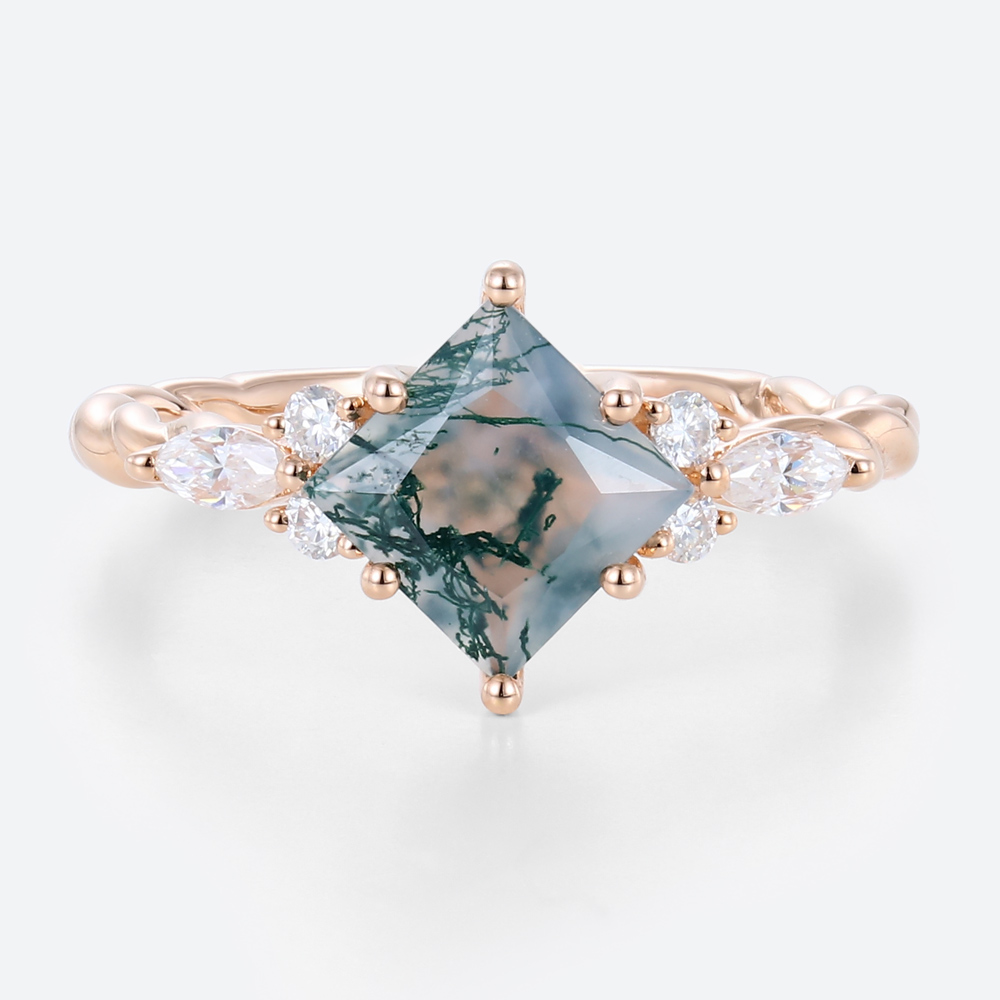
IX. Styling a 2026 Engagement Ring for Everyday Life
One reason modern engagement rings resonate so strongly is their versatility. A thoughtfully chosen 2026 engagement ring doesn’t require a specific wardrobe or occasion.
From Casual to Formal Without Adjustment
Minimalist designs and subtle shapes pair naturally with casual outfits, professional wear, and evening looks. The ring doesn’t need to be “saved” for special moments—it becomes part of a consistent personal style.
Seasonal and Personal Adaptability
Subtle color integration and refined shapes also adapt well to seasonal changes. Whether paired with winter layers or summer simplicity, the ring remains visually balanced rather than overpowering.
This adaptability reinforces the idea that engagement rings in 2026 are meant to be lived in, not managed.
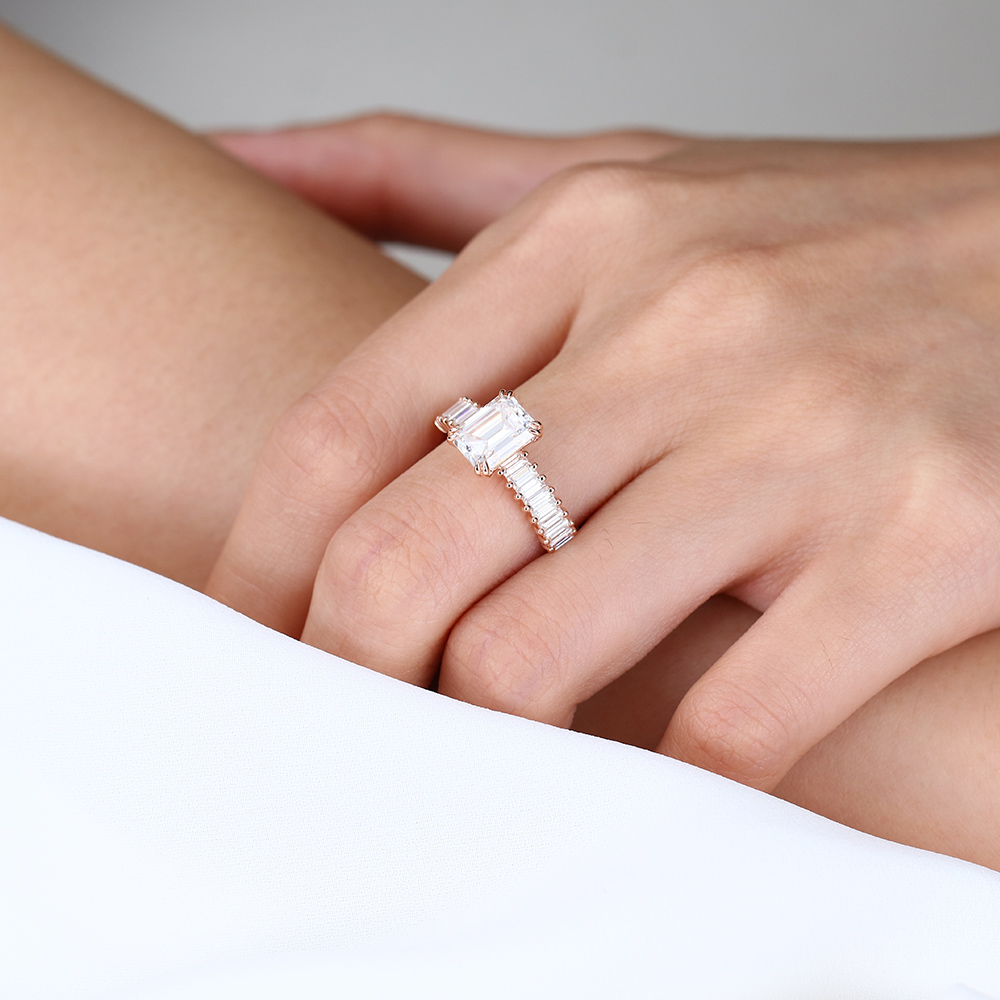
X. Common Myths About 2026 Engagement Ring Trends
Before concluding, it’s worth addressing a few misconceptions that often discourage people from engaging with trends at all.
“Trendy Rings Don’t Last”
Trends based on novelty fade quickly. Trends based on lifestyle tend to endure. Many 2026 engagement ring trends fall into the latter category.
“You Have to Follow Every Trend”
Trends are reference points, not rules. The goal isn’t to check boxes—it’s to understand what resonates with your values and needs.
“Modern Means Less Meaningful”
Modern design doesn’t dilute symbolism. It often sharpens it by removing distractions and focusing on what truly matters.
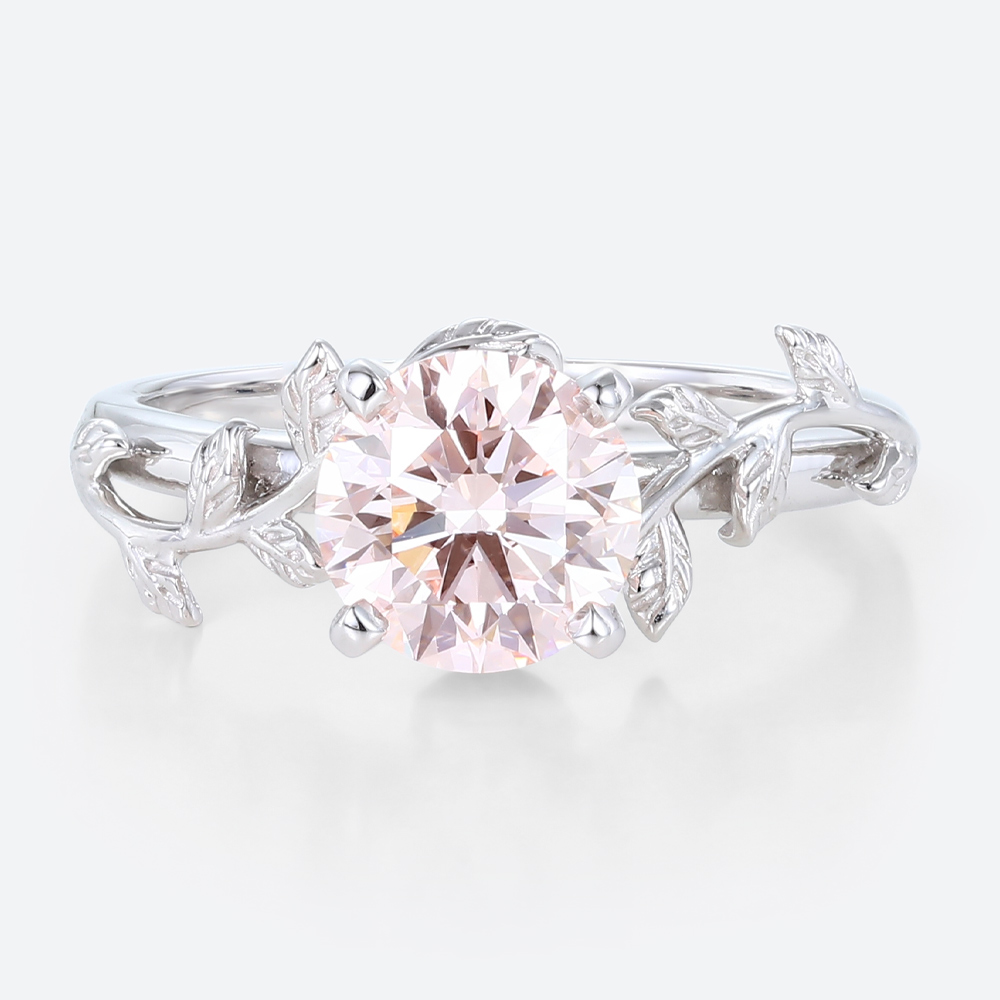
XI. Final Thoughts — What a 2026 Engagement Ring Really Represents
The defining feature of a 2026 engagement ring isn’t a specific shape, color, or setting. It’s intention.
Rings are becoming quieter, more thoughtful, and more aligned with real life—not because tradition has lost meaning, but because meaning has become more personal. The engagement rings of 2026 reflect confidence in choice, clarity in values, and respect for how life actually unfolds.
Trends can guide you, but they don’t need to define you. The best engagement ring isn’t the one that looks the most current—it’s the one that continues to feel right as time passes.
That’s what makes a ring truly modern. And that’s what makes it last.