


















Layering jewelry has become one of the easiest ways to elevate an outfit—but it’s also one of the easiest ways to overdo it.
You’ve probably seen both sides.
Some people can layer jewelry in a way that looks effortless, polished, and perfectly balanced. Others end up with a look that feels crowded, mismatched, or just a little too much.
So what makes the difference?
It’s not about how many pieces you wear. And it’s not about following strict fashion rules. The real difference comes down to balance—how each piece works together rather than competing for attention.
In this guide, we’ll break down how to layer jewelry in a way that feels intentional, modern, and easy to wear—without crossing into “overdone.”
I. What Does It Mean to Layer Jewelry
At its core, to layer jewelry means wearing multiple pieces together in a way that creates depth and visual interest.
Instead of relying on one statement item, layering allows you to build a look gradually—combining different lengths, textures, and styles to create something more personal.
More Than Just Wearing Multiple Pieces
Layering is often misunderstood as simply adding more jewelry.
But real layering is about how pieces interact.
For example:
- Two necklaces at the same length can feel cluttered
- The same two necklaces at different lengths can feel styled and intentional
The difference isn’t quantity—it’s arrangement.
Why Layering Jewelry Became So Popular
Layering reflects a shift in style toward something more relaxed and expressive.
Instead of perfectly matched sets, people now prefer combinations that feel:
- Effortless
- Slightly imperfect
- Personal
This is why layer jewelry styling has become so popular—it allows you to mix pieces in a way that feels unique rather than uniform.
The Common Misconception About Layering
One of the biggest mistakes beginners make is thinking that more pieces automatically create a better look.
In reality, adding too much at once often has the opposite effect.
When everything stands out, nothing stands out.
That’s when a layered look starts to feel heavy instead of refined.
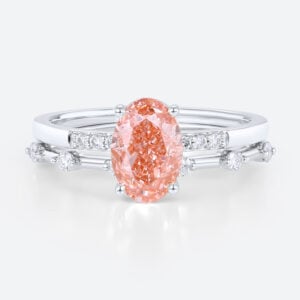
II. Why Layer Jewelry Can Look Effortless or Overdone
If you’ve ever wondered why some layered looks feel natural while others feel overwhelming, the answer lies in how the elements are balanced.
Two people can wear a similar number of pieces—but achieve completely different results.
Balance Is What Makes It Work
When you layer jewelry successfully, each piece has its place.
There is:
- A clear focal point
- Supporting pieces that add detail
- Enough space for each element to be seen
This creates a look that feels cohesive rather than crowded.
Too Much Happens When Everything Competes
A layered look starts to feel overdone when every piece tries to stand out at the same time.
For example:
- Multiple bold necklaces worn together
- Different styles that don’t connect visually
- Too many textures in one area
Instead of enhancing each other, the pieces compete—and the overall look loses its impact.
Effortless Style Is Usually More Controlled Than It Looks
What often looks “effortless” is actually carefully balanced.
Well-layered jewelry typically follows a few quiet principles:
- Variation in length
- Consistency in tone or style
- A sense of spacing
These details aren’t always obvious, but they’re what separate a polished look from one that feels overdone.
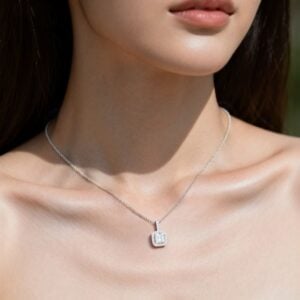
III. Basic Rules to Layer Jewelry the Right Way
If you want to layer jewelry without looking overdone, you don’t need complicated styling tricks. A few simple principles can make a noticeable difference.
Start with One Focal Piece
Every layered look needs a starting point.
Choose one piece to act as the focal point—this could be a pendant necklace, a slightly larger chain, or a standout ring.
Once you have that anchor, everything else should support it, not compete with it.
This is what gives a layered look structure.
Mix Lengths Not Just Pieces
One of the easiest mistakes is wearing multiple necklaces at the same length.
Instead, vary the lengths so each piece has its own space.
For example:
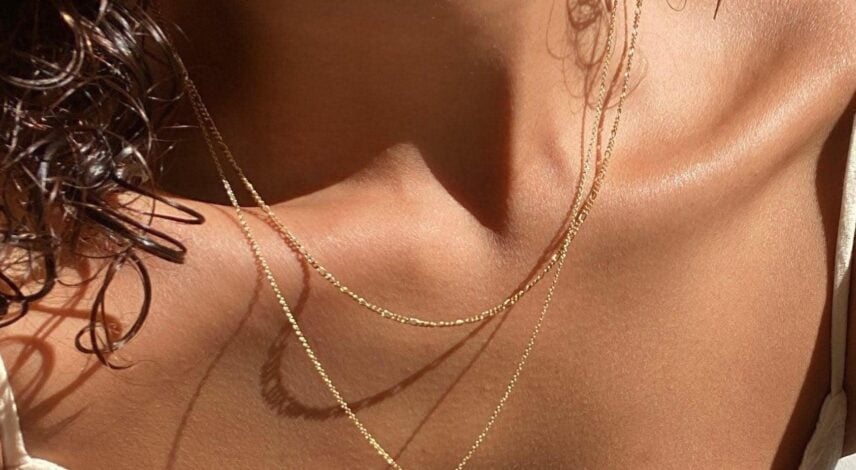
- A short chain near the collarbone
- A mid-length necklace
- A longer pendant
This creates a natural flow and makes it much easier to layer jewelry without clutter.
Stick to One Metal Tone or Balance It Carefully
Mixing metals can look stylish—but only when it’s done intentionally.
If you’re new to layering, sticking to one tone (like gold or silver) is the safest approach.
If you do mix metals:
- Keep the styles consistent
- Repeat each tone at least once
- Avoid random combinations
This keeps the overall look cohesive.
Keep Space Between Layers
Spacing is often overlooked, but it’s what makes layered jewelry feel clean instead of crowded.
Each piece should be visible on its own.
If everything overlaps too closely, the look loses definition.
When you layer jewelry, think of it as creating layers—not stacking everything together.
Less Is More
Layering doesn’t mean adding as many pieces as possible.
In most cases, two to three well-chosen pieces look better than five or six.
A lighter approach feels more modern and easier to wear.
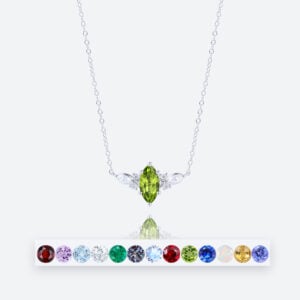
IV. How to Layer Necklaces Without Looking Too Busy
Necklaces are the most common way people layer jewelry, but they’re also where things can go wrong the fastest.
The key is to build gradually.
Two-Layer Necklace Combinations
If you’re just starting, begin with two pieces.
A simple combination could be:
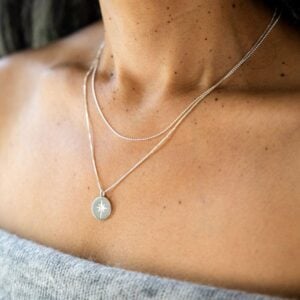
- A short chain
- A slightly longer pendant
This creates contrast without feeling overwhelming.
It’s an easy way to achieve a layered look that still feels minimal.
Three-Layer Necklace Styling
Once you’re comfortable, you can add a third layer.
The trick is to keep each piece distinct:
- Vary the lengths clearly
- Avoid using three bold pieces
- Let one piece remain the focus
When done right, three layers can look effortless instead of crowded.
Pendant and Chain Combinations That Work
A pendant is often the easiest way to create a focal point.
Pair it with:
- A simple chain above
- A slightly longer or thinner chain below
This creates depth without adding too much visual weight.
It’s one of the most reliable ways to layer jewelry in a clean, balanced way.
V. How to Layer Rings Bracelets and Earrings
Layering isn’t limited to necklaces. You can also layer jewelry across different areas—rings, bracelets, and earrings.
The same principle applies: balance over quantity.
Stacking Rings the Right Way
Ring stacking works best when there’s variation.
Instead of wearing identical rings, mix:
- Thin bands with slightly thicker ones
- Simple designs with one standout piece
Leaving small gaps or keeping some fingers minimal helps avoid a crowded look.
Layering Bracelets Without Bulk
Bracelets can easily feel heavy if overdone.
A good approach is to combine:
- One structured piece (like a cuff or watch)
- One or two lighter chains
This keeps movement and lightness in the look.
Minimal Earrings vs Statement Pieces
When layering jewelry across your whole look, balance becomes even more important.
If your necklaces and rings are layered, keep earrings simple.
If you choose statement earrings, reduce layering elsewhere.
This prevents the overall style from feeling overwhelming.
VI. Common Mistakes That Make Layered Jewelry Look Overdone
Even when you follow the basics, a few small mistakes can quickly make layered jewelry feel overwhelming.
Wearing Too Many Statement Pieces
If every piece stands out, the look loses focus.
Try limiting your statement pieces to one. Let everything else stay subtle so the overall look feels balanced.
Ignoring Proportions
Layering isn’t just about adding pieces—it’s about how they relate to each other.
For example:
- Thick chains paired together can feel heavy
- Similar sizes can blur into one
Mixing proportions creates contrast, which makes the look clearer and more refined.
Mixing Styles That Don’t Connect
Combining completely different styles—like vintage, minimalist, and bold statement pieces—can feel disconnected.
To layer jewelry well, keep a consistent mood:
- All minimal
- All soft and feminine
- Or slightly mixed, but still cohesive
No Clear Focal Point
A layered look needs structure.
Without a focal point, the eye doesn’t know where to look—and everything starts to feel cluttered.
Always let one piece lead.

VII. Easy Layer Jewelry Combinations That Always Work
If you don’t want to overthink it, there are a few combinations that almost always look good.
Minimal Gold Layers
- A short gold chain
- A mid-length simple necklace
- A delicate pendant
This combination feels clean, modern, and easy to wear daily.
Mixed Texture Layers
Instead of adding more pieces, mix textures:
- One smooth chain
- One slightly thicker or twisted chain
- One with a small detail
This adds depth without adding clutter.
Layered Lab Diamond Jewelry
For a more elevated look, combine pieces with subtle sparkle.
A fine chain with a small lab diamond
A slightly longer piece with a delicate accent
This creates a refined layered look that still feels light and wearable.
VIII. How to Layer Jewelry for Different Occasions
The way you layer jewelry should change depending on where you’re going.
Everyday Casual Look
Keep it simple.
- Two necklaces
- Minimal rings
- Light bracelets
The goal is effortless, not styled.
Work and Office Style
Go slightly more polished.
- Clean layers
- Matching tones
- Minimal sparkle
You want it to feel intentional but not distracting.
Events and Special Occasions
This is where you can do more—but still with control.
- Add one standout piece
- Keep everything else balanced
- Let the layers enhance, not overpower
Final Thoughts: Keep It Balanced, Not Perfect
Learning to layer jewelry isn’t about following strict rules.
It’s about knowing when to stop.
The best layered looks feel natural, slightly undone, and easy to wear. Once you understand how to balance pieces, you don’t need more jewelry—you just need the right combination.
FAQs About Layer Jewelry
Two to three pieces are usually enough for a balanced look.
Yes, but repeat each tone and keep the style consistent.
Choose different lengths and avoid chains that sit too close together.
Yes. Layering remains one of the most popular ways to style jewelry because it feels personal and adaptable.